


While Paramount Skydance labors to swallow the grand meal that is Warner Bros. Discovery, Lionsgate stands out as a morsel waiting to be plucked.
Some aggressive investors can’t wait for Lionsgate to surrender to the inevitable. A good home could be found with a bigger studio, or a tech giant could pick it up and add its AI know-how to its production. For now, the studio’s next act has yet to be written.
Meanwhile, venture capital activity slowed in July, according to data from PitchBook, and the Paramount-WBD saga continues to generate gallons of ink in the press.
Thanks for reading.

THE DEEP DIVE
Anson Funds Roars at Lionsgate to Sell Studio
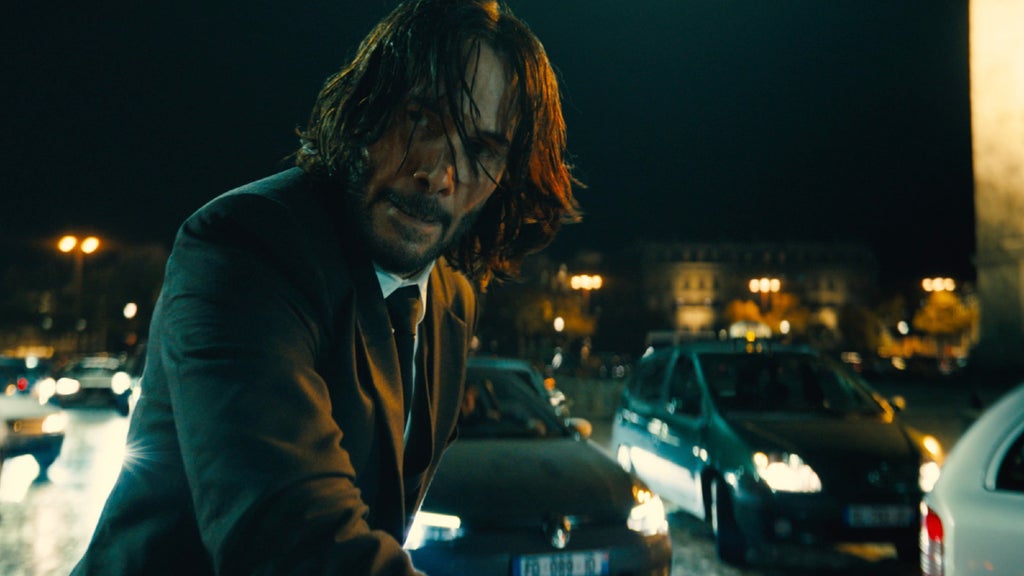
The story of Lionsgate being acquired has had as many sequels as “John Wick.” This week, a new chapter emerged amid reports that Anson Funds, which owns 6.1 million Lionsgate shares, is urging the studio to sell.
With a market cap of $3.5 billion, it would be pretty easy to swallow up. And rumors that someone’s looking to buy it seem to come up every six months.
“Why is it that someone hasn’t already bought Lionsgate?” asked Eric Clark, Portfolio Manager at LOGO ETF, a fund that focuses on consumption, including the experience economy.
- Lionsgate has a scaled movie and TV studio and is one of the few independent ones left standing.
- Helped by the hit “Michael,” Lionsgate had a strong quarter. One analyst boosted his revenue forecast for Lionsgate in 2027 but reduced his earnings-per-share expectations.
- Plenty of companies, from rival studios to tech companies, could be a suitor for Lionsgate. One fund manager sees Netflix as the best fit.
While Lionsgate shares did see some movement this summer and spiked at above $16 as the takeover chatter heated up, they’ve largely moved within a tight band. It started the year above $9 and closed at $11.72 on Thursday.
Sagar Gupta, who leads activism strategy at Anson, wrote a letter to Lionsgate warning that Wall Street thought the studio was “more likely to be an AI casualty than an AI beneficiary.”
The firm noted that Amazon bought MGM and Microsoft bought Activision Blizzard. “Technology and streaming players are already willing to acquire premium IP rather than simply license it,” said the letter, as first reported by Semafor.
Anson bought into Lionsgate in 2024, before the spinoff, but selling the studio was already in its sights.
Anson declined to comment, but a slideshow presentation made in December 2024 said “As a high-quality pure play of digestible size, we believe Lionsgate is one of the best-positioned public assets for a potential takeout.”
Even after hits like “Michael” boosted Lionsgate’s earnings, Anson still believes its shares are undervalued, said an insider who confirmed the contents of the letter. The firm called for Lionsgate to more effectively use AI to help the studio run more efficiently and boost the value of its inventory, even as many in Hollywood continue to push back against the technology.
“If (Lionsgate) shares do not rerate appropriately following the full separation, we believe the board should consider a sale of the company, along with potential divestitures of unscripted TV and 3 Arts as interim steps to maximize value,” the firm laid out in its presentation.
On Lionsgate’s earnings call last week, CEO Jon Feltheimer said the company’s pure-pay content strategy is working. Asked about M&A, Vice Chairman Michael Burns said, “In spite of what the headline suggests, we haven’t engaged in any substantive conversations.”
Burns added that “given the strength and the breadth of our IP and our franchises, we remain one of the most compelling assets in a rapidly consolidating marketplace. We also recognize that scale matters more than ever in this environment, and that’s precisely why the value of our portfolio only becomes more relevant over time. And given the M&A backdrop, the strength of our assets and our stand-alone operating performance, we believe we have real strategic optionality, and that’s something we’re focusing on every single day.”
As for potential buyers, Anson listed in its presesntation 16 potential acquirers for Lionsgate including Netflix, Google, Paramount Skydance, Comcast NBCUniversal, Disney, Apollo/Legendary, Open AI and Anthropic.
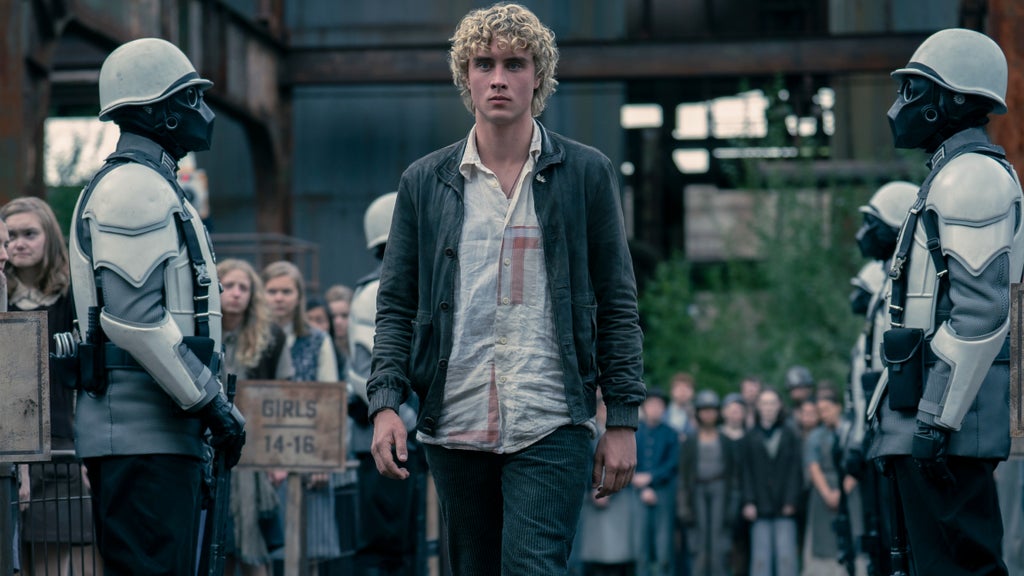
“Netflix would be the best buyer,” said Clark. By bidding for Warner Bros., Netflix has already tipped its hand, and the streamer is well equipped to create new content from franchises like “John Wick,” “Twilight” and “The Hunger Games.”
“It’s probably absurdly cheap,” said Clark. “I just wonder what is it that keeps it independent.”
LOGO ETF holds stock in Netflix. It’s other entertainment holdings include Spotify, TKO and Formula One.
DEAL SHEET
- Former Disney CEO Bob Iger and Joshua Kushner led a group that has agreed to buy the Los Angeles Lakers from Mark Walter in a deal that values the NBA team at $12.5 billion, a record for a sports franchise sale. Iger is a fan and at Disney oversaw ESPN, which had a rights deal with the league. “We have immense respect for the leadership and vision of [former Laker owners] Jerry and Jeanie Buss,” Iger and Kushner said. “Our long-term commitment is to build on that foundation, compete at the highest level, and serve this extraordinary team, its fans, and the city of Los Angeles.”
- Ari Emanuel’s events company Mari agreed to acquire Broadway and London theater company ATG Entertainment from Providence Equity Partners. Terms were not disclosed, but the Financial Times reported the deal was worth £4.5 billion or about $6 billion. ATG operates 70 venues and hosts productions including “The Lion King,” “Wicked” and “Harry Potter and the Cursed Child.”
- Apollo Sports Capital made a $2.6 billion financing deal with New York Yankees’ holding company Yankee Global Enterprises. The agreement is a mix of credit and equity, and the proceeds will be used to grow the franchise and refinance debt. Apollo Sports CEO Al Tylis will join the YGE board. The Steinbrenner family keeps full control of the Yankees, the companies said.
- National CineMedia, an in-theater ad company, agreed to buy Captivate Holdings, which sells digital video advertising in elevators and lobbies, in a deal that values Captivate at $275 million. The deal “allows NCM to leverage its national and local sales organizations, creating cross-sell opportunities; and injects needed growth and enhanced earnings visibility into the legacy biz,” said B. Riley analyst Drew Crum.
- Patrick Whitesell’s WTSL made an investment in Alex Cooper’s Unwell Media Company, that values the “Call Her Daddy” podcaster’s firm at $400 million. “With WTSL’s backing, the company is now also poised to accelerate our media platform’s growth through acquisitions and investments,” Cooper said.
WRAP 20 INDEX
It was a stronger week for the Wrap 20 Index now that we’ve had a chance to digest the quarter’s earnings results.

FUNDING FILE
Venture capital activity in media and entertainment cooled in the heat of July.
According to data from PitchBook, there were 35 deals in the U.S. Entertainment Software, Publishing and Media and Information category worth $119.2 million in July, down from 52 deals worth $582.5 million in June.

A year ago, there were 52 deals worth $412 million.
The biggest deal involved Ursa Space, a satellite intelligence company, which raised $27.9 million in venture growth funding.

Fluxco Media and Information Services, which helps companies locate power transformers, raised $26 million in pre-seed funds.
In the U.S. Media Companies category, there were 16 deals worth $42.3 million in July, compared to 17 deals worth $420.3 million in June.
A year ago, 29 deals worth $405.4 million happened.
FINANCIAL ROUNDUP
The Paramount-WBD Saga (Continued)
The battle over Paramount Skydance’s bid to acquire Warner Bros. Discovery reached the bargaining stage this week.
Paramount CEO David Ellison put a big chip on the table, threatening to move the company out of California if the lawsuit, led by California Attorney General Rob Bonta, isn’t settled quickly.
With a trial scheduled for March, Paramount is looking to resolve the dispute and close the acquisition or face daily “ticking fees” to WBD of $7 million starting Oct. 1.
“We would be delighted to engage” in talks “in order to repair the industry, create more jobs, bring more jobs and production back,” Paramount Chief Legal Officer Makan Delrahim said.
Bonta noted that Paramount is “eager” to settle, and said the states are open to good faith proposals, but “we’re focused on litigation and going to trial for the time being.”
Ellison has contended that the key reason the deal is being held up is political concerns about his company owning CNN. Ellison’s father and bankroller Larry Ellison is close to Trump and has reportedly promised changes at CNN if it is acquired, a charge that Paramount has denied.
Congressman Jamie Raskin (D-Maryland) sent Ellison a letter accusing him of “colluding” with President Trump and urging him to answer questions.
To assuage concerns about political influence on CNN, Paramount has discussed creating an editorial board and other ways of safeguarding its independence, according to the Wall Street Journal.
“We always remain open to internal improvements to journalistic integrity,” Paramount said in a statement.
FROM THEWRAP
Forbes Fired Top Editor Over Secret $6 Million Payment
Former Disney CEO Bob Chapek Writing Tell-All Memoir
Why Publishers Need Live Events Strategies to Thrive
HEARD AROUND
How Candy Crush Beat the Mobile Game Curse
BDG CEO Bryan Goldberg’s Plan for Media After the Pageview
Roger Federer Is No Longer a Billionaire After Sneaker Brand Shares Slump
This Summer’s Hottest Arm Candy Is a Private Equity Boyfriend