

Welcome back to “The Media Front.”
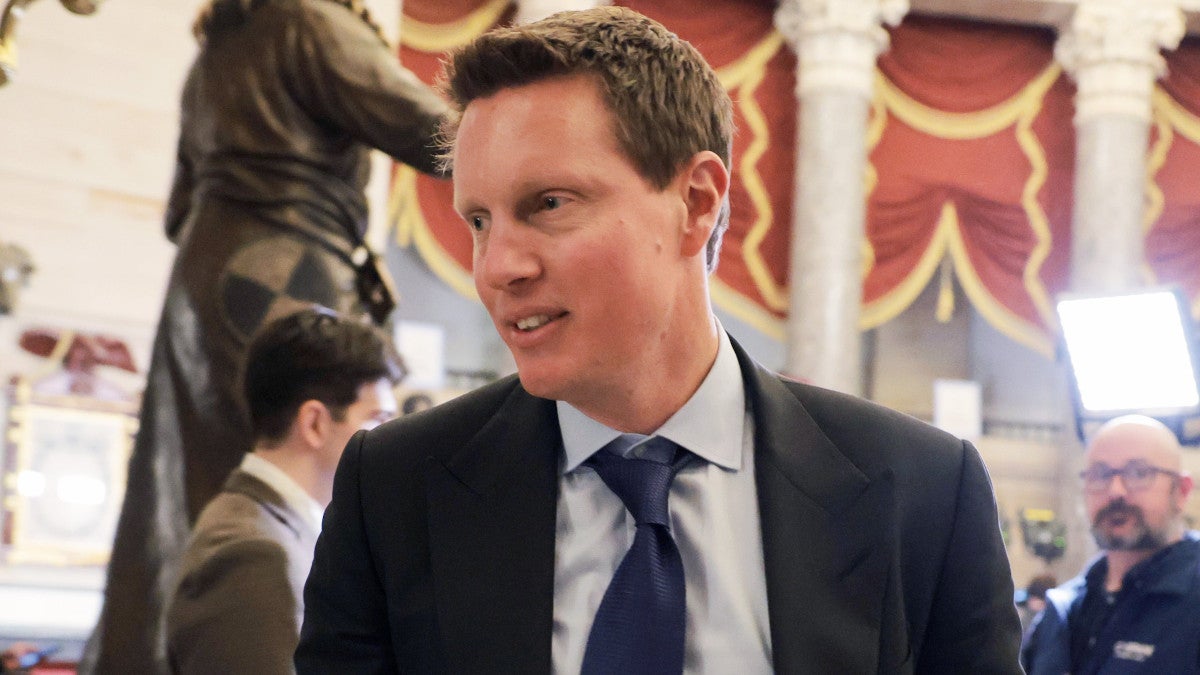
David Ellison had a seat at Donald Trump’s table Thursday night. The journalists at the news organization he is about to own were fighting for access to the same White House.
It was a striking split screen at the end of an extraordinary week for CNN.
Hours before Ellison arrived for a state dinner honoring Chinese President Xi Jinping, CNN was still battling the Trump administration over its ability to cover the president. A federal judge had ordered the White House to restore access to CNN, MS NOW and Politico after Trump barred the three outlets from the grounds. CNN reporters eventually made it back inside Thursday, only for the network to say later that two of its journalists were denied access to cover arrivals at the state dinner.
Ellison, meanwhile, was among Trump’s invited guests.
There is no evidence Ellison had anything to do with the White House’s treatment of CNN, and there is nothing inherently improper about a media executive attending a state dinner. Owners of news organizations have long maintained relationships with presidents and other powerful people their journalists cover.
But Thursday put that tension on unusually clear display.
Ellison is preparing to take control of CNN as Paramount completes its $110 billion acquisition of Warner Bros. Discovery, bringing CNN and CBS News under the same corporate owner. For months, much of the discussion surrounding the deal has focused on what Ellison might do to CNN: whether its leadership will stay, whether its programming will change and whether its journalism will shift under new ownership.
Thursday raised a different question.

The real test of CNN’s independence under Ellison may not be whether he tries to change its coverage. It may come when CNN’s journalism creates a problem for the person who owns it.
That isn’t a problem unique to Ellison. Media companies have interests that extend far beyond their newsrooms. Their executives interact with governments, seek regulatory approvals and maintain relationships with many of the same powerful people their journalists cover.
The traditional answer has been to build a wall between those interests and editorial decision-making. Paramount is about to add another mechanism intended to reinforce it.
As part of its settlement with 12 state attorneys general, Paramount agreed to establish a five-person editorial independence board for CNN and CBS News. But questions have already been raised about how much power it will have. Paramount’s directors will appoint the members, its findings don’t have to be made public and the board won’t be in place immediately. The company has up to 180 days after the Warner Bros. Discovery deal closes to establish it.
That can sound like a fairly wonky corporate-governance debate. This week showed why it matters.
CNN went to federal court after Trump barred its journalists from White House grounds. Its television competitors refused to replace CNN in the White House television pool, turning the dispute into a broader test of whether competing news organizations would stand together when the government tried to decide who could cover the president.
CNN won an important round when a federal judge ordered its access restored. But the confrontation didn’t end there.
The White House removed CNN from its scheduled Saturday television pool assignment for Trump’s trip to Tennessee and put Real America’s Voice, a conservative network outside the five-network rotation, in its place. The other networks again declined to recognize a replacement for CNN, leaving the trip without the usual television pool coverage.
Trump also made clear Saturday that he still believed CNN should be kept out.
“Why should perpetrators of FAKE NEWS, like CNN and MSDNC, be allowed access to a very sacred place, the White House?” Trump wrote on Truth Social. Less than two hours later, he added: “FAKE NEWS SHOULD NOT BE ALLOWED IN THE WHITE HOUSE!!!”
The latest escalation only underscored the kinds of decisions Ellison could soon face.
What happens the next time CNN publishes something the White House hates? What happens if the administration again retaliates against the network?
And what happens if defending CNN makes life more complicated for the person who owns it?
Ellison’s presence at Thursday’s dinner doesn’t answer those questions. It doesn’t tell us how he will respond when CNN and the White House clash after he takes control, and there is no evidence he has sought to influence CNN’s journalism during the current fight.
But that’s also why this week was worth paying attention to.
Editorial independence is easy to promise when the interests of a newsroom and its owner are aligned. It matters most when they aren’t.
Ellison has said he intends to protect the journalistic independence of the news organizations he is acquiring. Soon, he may get the chance to show what that promise means when protecting CNN carries a cost.
The answer probably won’t come from Ellison calling CNN and telling it what to cover. It could be more subtle: whether CNN’s leaders feel free to pursue journalism that creates friction, whether its journalists believe the company will stand behind them when the White House retaliates and whether the independence board works when corporate and editorial interests diverge.
Trump may have provided the first glimpse of that test before Ellison even owns the network.
CNN’s journalists spent Thursday fighting for their place inside Donald Trump’s White House.
By dinner, their future owner already had one.
Now, on to the rest of this week’s Media Front column which also covers Paramount-WBD’s latest hurdle; Peter Thiel and Axel Springer; “Dateline” at 35 and more
The Networks Drew a Line
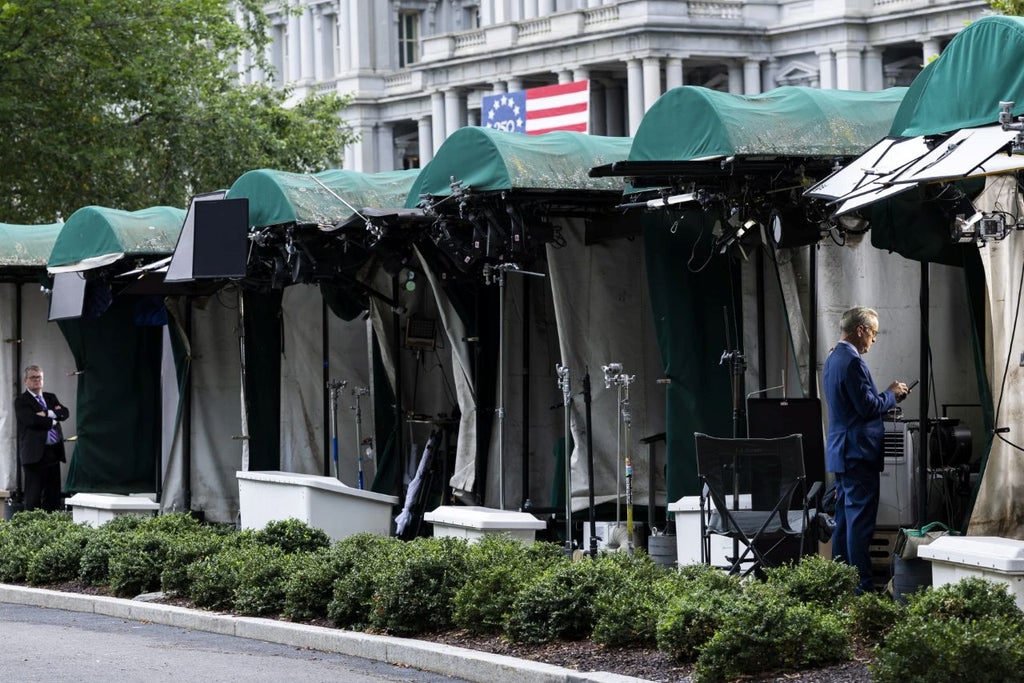
The White House television pool returned Friday after a dayslong suspension sparked by the Trump administration’s decision to bar CNN from participating in the rotation.
ABC News, CBS News, Fox News and NBC News had declined to replace CNN, effectively turning the White House’s dispute with one network into a dispute with all five.
But the standoff isn’t entirely over. The White House removed CNN from its scheduled television pool assignment again Saturday, and the networks are set to resume pooled coverage Sunday despite CNN’s continued exclusion from the rotation.
My full piece: White House TV Pool Returns After Networks Stood With CNN
Paramount-WBD Isn’t Over the Line Yet
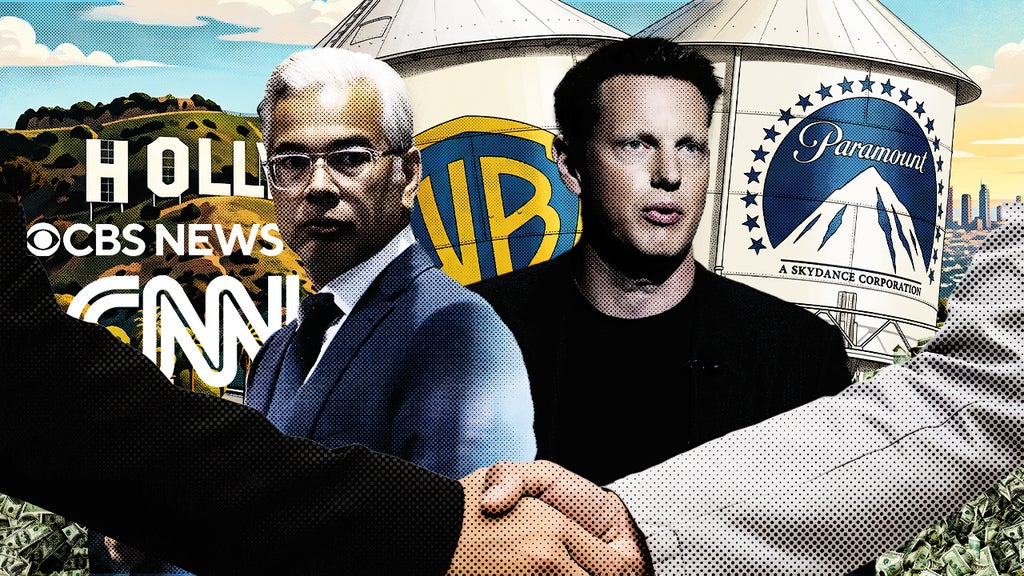
Paramount appeared to clear what was expected to be the final major hurdle to its $110 billion Warner Bros. Discovery acquisition Monday, reaching a settlement with 12 state attorneys general that includes commitments on domestic film and TV production, theatrical releases, cable negotiations and newsroom independence.
But the deal isn’t quite over the line. A federal judge held off on approving the settlement Thursday, asking the parties to address additional concerns before she rules, while merger opponents are urging the court to reject the agreement.
For a transaction that would combine two of Hollywood’s biggest studios and reshape everything from streaming to cable news, even the final stretch is proving complicated.
Lucas Manfredi and Roger Cheng’s full piece: Breaking Down the Paramount-Warner Bros. Merger Settlement | Analysis
Axel Springer’s Peter Thiel Problem
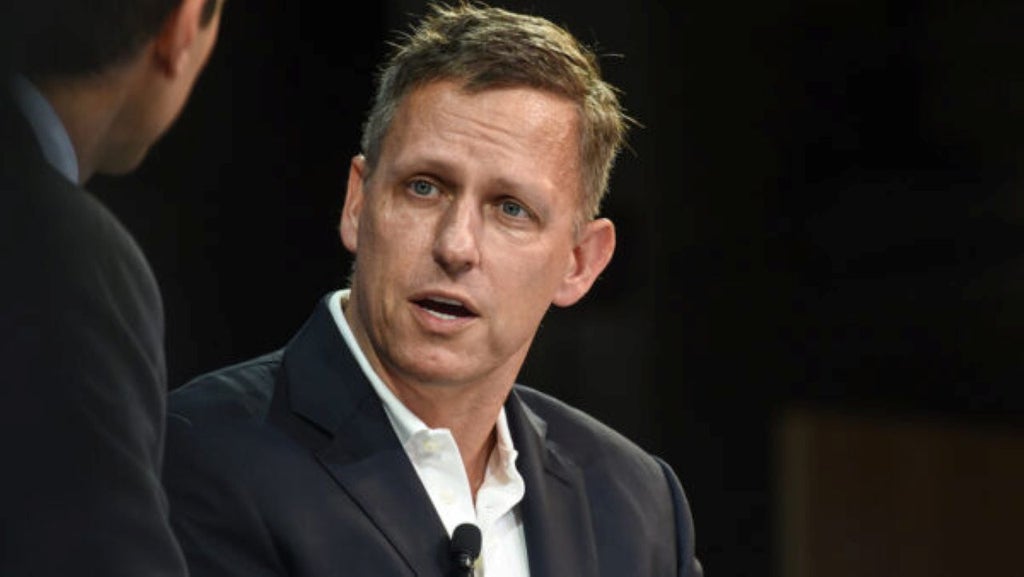
More than 120 journalists at Politico and Business Insider protested parent company Axel Springer’s decision to honor Peter Thiel with its annual Axel Springer Award this week, pointing in particular to his secret financing of Hulk Hogan’s lawsuit against Gawker.
The dispute highlights an uncomfortable tension inside large media companies: Newsrooms can operate independently from their corporate owners, but the values expressed by those owners can still reverberate among the journalists who work for them.
My full piece: Business Insider, Politico Staffers Protest Over Peter Thiel Award
“Dateline” at 35

“Dateline” turns 35 this season, but NBC’s venerable newsmagazine increasingly looks like a case study in how a legacy television franchise can outgrow television.
Its “Dateline 24/7” channel was available on 12 U.S. FAST platforms during the second quarter, according to Ampere Analysis data provided exclusively to TheWrap. NBC says 189 hours of “Dateline” now air each week across licensed and syndicated broadcast and cable outlets, while its podcasts and showcast feed have surpassed 2 billion lifetime downloads.
At 35, “Dateline” is one of NBC News’ oldest shows. Its multiplatform strategy may also make it one of its most modern.
My full piece: ‘Dateline’ at 35: How the True Crime Sensation Became an Always-On Franchise
What’s Next: Next Week’s PRO — Is This the Future of Local News?
Local television has spent years cutting costs and asking journalists to do more with less. Now staffing cuts and new production technology could push that transformation even further, with anchors taking on production responsibilities once handled behind the scenes.
Is local TV turning back the clock — or is this a glimpse of its future?
I’ll dig into what’s driving the shift and what it means for local news next week on TheWrap.
Look for the full analysis next week on WrapPRO.
Also on TheWrap
- From Sharon Waxman: Why Rob Bonta Caved on the Paramount Settlement | Analysis
- From A.J. Katz: RedBird Capital Takes Majority Stake in Puck at $250 Million Valuation
- From Kayla Cobb: Creatorverse: YouTube Wants to Be Way More Than the Next Hollywood