

With the Los Angeles Lakers hitting a record valuation of $12.5 billion, now is a good time to own a sports team, and maybe to buy one. With media rights fees still going up and a short supply of properties on the market, those franchises are only going to get even more valuable.
If you don’t have mega-billions to go out and buy an NBA franchise, you might be in luck. The owner of two marquee New York teams, the Knicks and Rangers, is looking to make it easier to invest in them through two spin-offs.
Analysts say the timing is good. Besides the Knicks finishing a championship season, a change in tax law could make teams less inclined to go or stay public, meaning these opportunities to buy a stake might go away.
Meanwhile, the battle over Paramount’s effort to buy Warner Bros. Discovery sees more twists with Paramount asking the states to backstop its daily ticking fee and another major theater chain throwing its support behind the deal.
Thanks for reading.

THE DEEP DIVE
NBA Champ Knicks Getting a Stock of Their Own
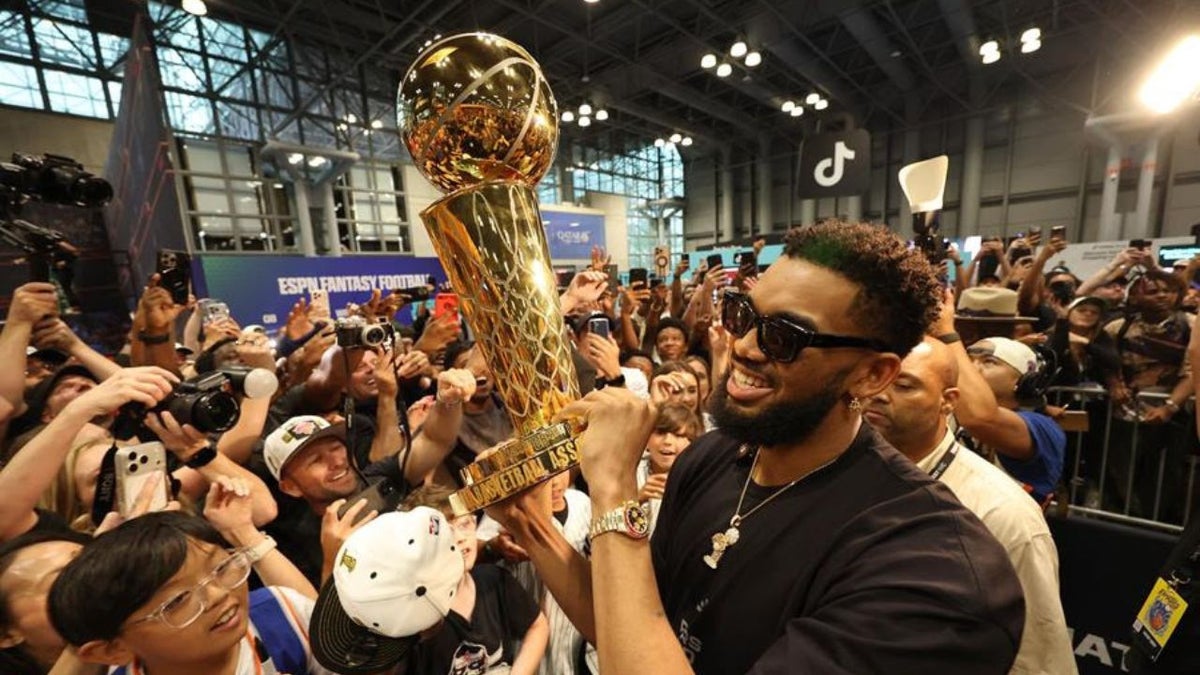
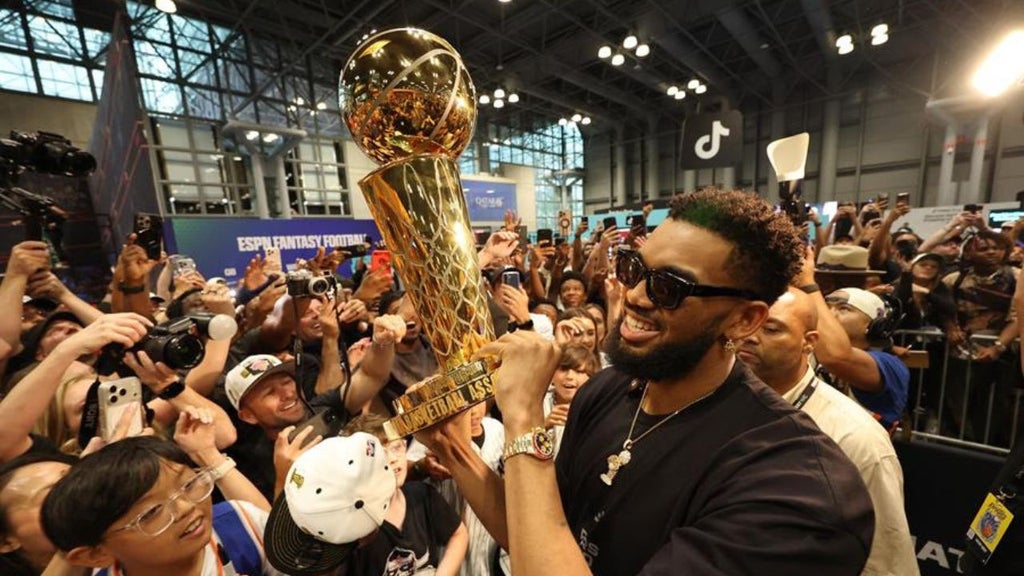
Investors will soon have a simpler way to own a piece of the NBA Champion New York Knicks. The opportunity might not last long, but it could see fans cashing in on the team’s financial success (or just hold a piece of the team they love).
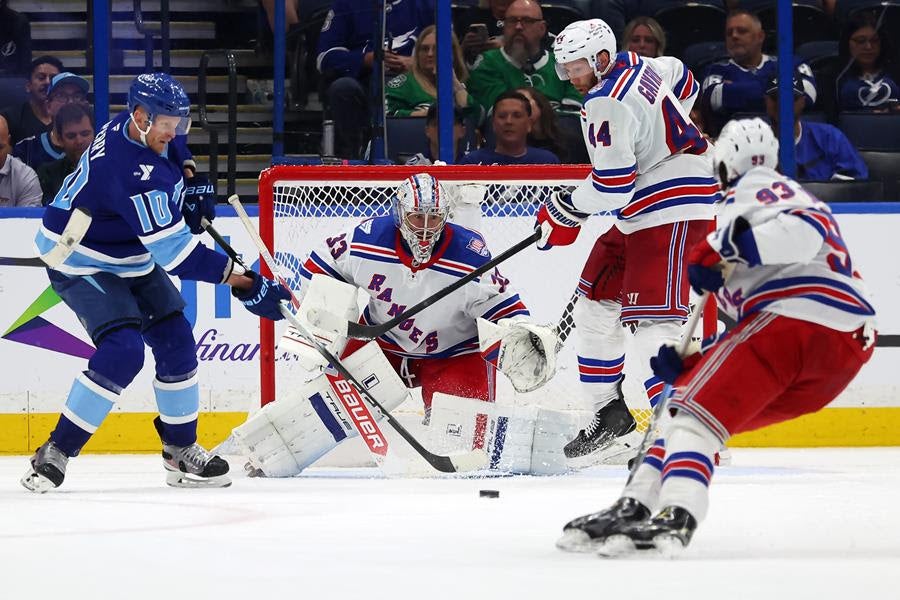
Madison Square Garden Sports, which owns the Knicks and National Hockey League team Rangers, and is controlled by the Dolan family, filed a plan to create two distinct publicly traded companies for each team.
- Madison Square Garden Sports stock has climbed from $180 in March 2025 to more than $403 this week.
- Based on the agreement earlier this month that values the Lakers at $12.5 billion, the Knicks would be worth $13 billion to $14 billion.
- A coming tax-law change could make it more expensive for sports teams to be part of a public company, which makes this situation potentially rarer down the line.
The MSG spinoff is designed to better capture the value of the Knicks and Rangers.
Portfolio managers say sports teams are great assets right now. Prices for teams are rising, as illustrated by Bob Iger and Josh Kushner acquiring the Los Angeles Lakers in a deal that values it at $12.5 billion.
“The Lakers sale is an excellent comp for the Knicks,” said Chris Marangi, president and co-CIO of Value at Gabelli Funds. Marangi estimates that the Lakers were valued at 20 times earnings, which would make the Knicks worth $13 billion to $14 billion and the Rangers worth $4 billion to $5 billion.
MSG Sports shares have risen from $180 a share on March 31, 2025, to more than $403 a share this week, but the market cap is still only about $9.7 billion — below what the Knicks alone would theoretically fetch in a sale.
“The separation of the team should increase their strategic options, and among the strategic options would be a better opportunity to sell minority stakes in one or both teams,” Marangi said.
On the company’s earnings call on Aug. 13, MSG Sports Chief Operating Officer Jamaal Lesane was asked about minority sales when the spinoff is completed, which is expected to happen in October.
“We continue to be confident in the value of our teams. We’re as confident as ever in that respect,” Lesane said. “There continue to be reported transactions in the marketplace that demonstrate that value and scarcity of these assets.”
Alex Michael, senior managing director and global head of sports and entertainment at LionTree, noted that MSG started exploring separating the teams back in February. With the Knicks hoisting a banner when next season starts in the fall, “the timing is almost too good,” he said.
“This is exactly the kind of move that shows how far sports ownership has evolved as an asset class and there’s real logic here. Franchise values have climbed to a point where a single holding company structure can undersell what each team is actually worth on its own. More so, public markets have tended to depress true sports franchise values,” Michael said. “Having the additional clarity as a standalone entity, in addition to the Knicks’ momentum, should lead to a value unlock. It’s a sensible next step for a market that’s maturing, and I expect others are paying attention.”

Taxing Salaries
The chance to invest in a publicly traded sports team may fade over time. Only a handful of sports teams are publicly traded, and an upcoming tax-law change going into effect in 2027 could push those few to go private.
Currently, public companies can write off $1 million of the salaries of each of their top five highest paid officers. When the law changes next year, that cap will expand to five more employees. That’s a big blow to a company that owns professional sports teams, whose payrolls include well-compensated coaches and players like Karl-Anthony Towns, who will earn about $57 million next season.
Seaport Research Partners analyst David Joyce estimated the tax law change would increase the tax hit to the Knicks by $49 million and the Rangers by $14.7 million. Private companies do not have this kind of restriction, since they don’t have to disclose their highest paid employees.
“Unless the tax code is equalized for public vs. private companies before implementation, we think the Sec. 162(M) change could serve as an incentive for a full sale or a go-private transaction,” Joyce said in a research note.
Even if they do go private, that won’t dampen the appetite for investment elsewhere. Gabelli, for instance, owns a significant stake in the MSG companies as well as other publicly traded sports stocks, including the Atlanta Braves, Manchester United and F1. It also offers a sports-centered investment fund, GOLS, or Gabelli Opportunities in Live and Sports.
“We view the theme of sports investing as very much alive and well. Teams have always been very good stores of value, much like fine art and gold,” Marangi said. “That has been reflected by recent sales, and we don’t see that ending anytime soon.”
DEAL SHEET
- Media measurement and research company Cint was taken private in a deal led by private equity firm Triton Partners that valued Cint’s outstanding shares at less than $300 million, according to Axios. When Cint went public five years ago, it was valued at $3 billion. The valuation fell in part because Cint poorly managed the $1.1 billion acquisition of Lucid. Prices for many ad tech companies have fallen over the same period.
- Charter Communications said it closed its $34.5 billion acquisition of Cox Communications and the purchase of Liberty Broadband Corp., making Charter the biggest video and internet provider in the U.S. with 35 million customers. Cox subscribers will be able to get a free mobile line for a year and gain access to Spectrum SportsNet LA, which carries Dodgers baseball games.
- Peripheral, a startup that turns sports broadcast feeds into 3D interactive replays, raised $8.7 million in seed funding. The financing was led by Deloitte Ventures and Inovia, with Khosla Ventures and Entrepreneurs First also participating. Peripheral, which participated in this year’s NBA Launchpad program, has now raised a total of $12.5 million.
- EQT, a private equity company based in Sweden, bought a majority stake in the Melbourne Storm rugby team in a deal that values the Storm at $106 million. EQT, which bought the sports training facility and school IMG Academy in 2023, is looking to increase its sports holdings. “EQT brings with it some incredible credentials and the partnership will only be of benefit to our Club — we are proudly ambitious and have hopes for continued growth to keep Melbourne Storm at the top of Australian sport long into the future,” said Matt Tripp, who will remain chairman of the Storm.
- Rule42 Sports Group said it made a “major investment” in the Athletes Unlimited Softball League. Terms were not disclosed. Rule42 is owned by Renee James, a former president of Intel. The league was founded in 2025, backed by Athletes Unlimited, Major League Baseball, the Milwaukee Brewers and its owner Mark Attanasio and Ryan Sanders Baseball.
WRAP 20 INDEX
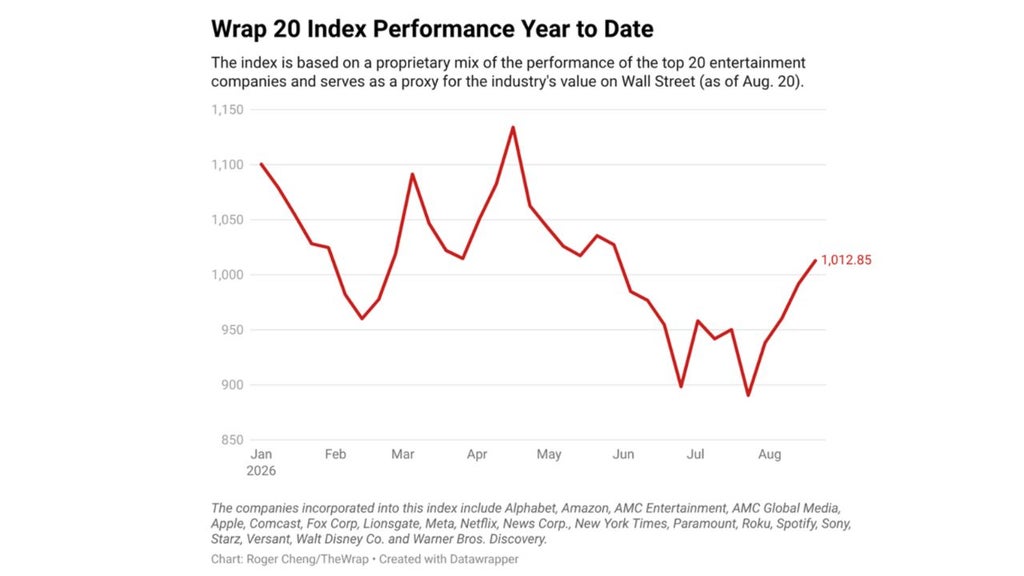
Entertainment companies had another strong week as the Wrap 20 Index ticked up for the fourth straight week.
FINANCIAL ROUNDUP
The Paramount-WBD Saga (Continued)
This week, Paramount asked the state attorneys general whose antitrust suit has stalled Paramount’s plan to acquire Warner Bros. Discovery, to post a $1.88 billion bond. The bond would cover financial damages incurred by Paramount, including the “ticking fee” the studio must pay WBD shareholders for each day after Oct. 1 the agreement doesn’t close.
California Attorney General Rob Bonta, who is leading the antitrust effort, showed little sympathy for Paramount. “They are lying in a bed of their own making,” the AG’s office said.
A judge will decide on the bond amount — or whether there will be a bond — on Sept. 24.
Also:
- Theater owners have reversed course and are now supporting Paramount’s takeover effort. Trade group Cinema United sent a letter urging that the antitrust suit be settled. Cinemark said it was in favor of the deal, joining AMC and Regal, and cited Paramount’s pledge to release 30 movies a year in theaters.
- Even Los Angeles Mayor Karen Bass has weighed in, urging David Ellison and Bonta to “find common ground.”
- Meanwhile, an analysis by DVL Economics and Los Angeles County’s Department of Economic Opportunity found that the merger could result in the loss of nearly 4,500 film and TV jobs in Los Angeles County over three years.
- A Paramount spokesperson told TheWrap that the report shows that the entertainment industry is “in decline, production is down and jobs are being lost — and lost for good if we don’t act.” A spokesperson for California AG Bonta reiterated that the merger would result in “higher costs, less competition, lower wages, job cuts, and fewer movies and TV shows” if approved.
Watch This Space
Digital out-of-home advertising is one of the industry’s hotter segments and analyst Patrick Sholl of Barrington Research reaffirmed his “outperform” rating for Outfront Media.
The digital billboard company reported second quarter earnings that topped expectations, raised its guidance and boosted its dividend.
Sholl noted that the company added 50 digital boards in the second quarter and is targeting adding about 125 for the year. Spending by tech, legal and medical marketers pointed to ad revenue growth, as did entertainment and financial buyers of its transit inventory.
“While the growth trajectory for profitability may face a difficult comp in 2027, if ad trends remain supportive, the improving attractiveness of OOH and its ability to sustain advertiser interest are important assets relative to other traditional media,” Sholl said.
Outfront stock closed Thursday down 1.8% to $29.78.
FROM THEWRAP
Breaking Down the Alex Cooper and Unwell Mess
Why Disney+ Is Leaning Harder on Millennial Nostalgia Than Ever
Cinerama Dome Is Just the Start: LA Is Living a Movie Palace Renaissance
HEARD AROUND
Small Brands Get Famous on TikTok Shop, but Amazon Is Still King
It’s Never Been More Annoying and Expensive to Be a U.S. Sports Fan
