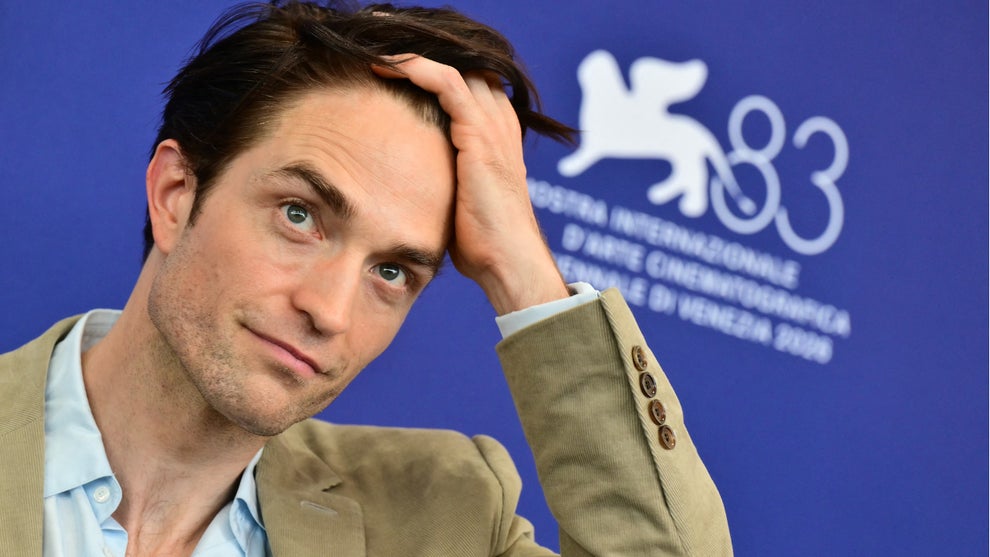
“Primetime” received a hero’s welcome at the Venice Film Festival — but in the hours before Saturday’s world premiere, Robert Pattinson was a wreck.
“I was genuinely throwing up, thinking, this is a huge mistake,” he said, laughing. “But that’s also part of the fun.”
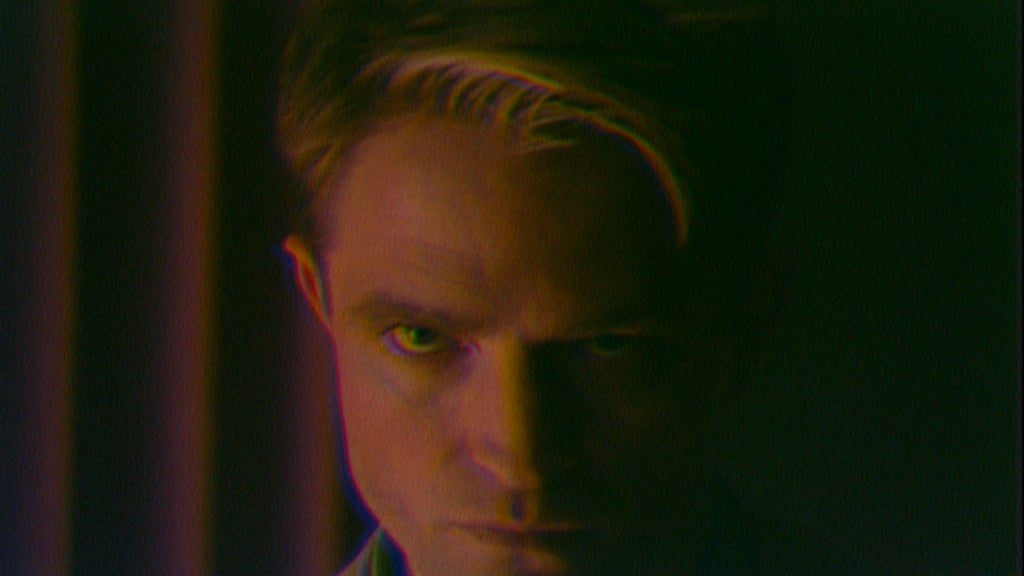
Pattinson clearly had a blast playing “To Catch a Predator” host Chris Hansen, crafting a media monster driven in equal parts by envy and ambition — and taking even greater pleasure in shading the character with eccentric flourishes. (“Any challenger coming for the Weirdo crown had best lay down arms by the time Pattinson responds to a more respected journalist’s passive-aggressive slight by somehow making 17 unique faces in under three seconds,” TheWrap wrote in its review.)
But he also knew that taking on such an uncompromising character, in such an audacious film, was a risk. The role frightened Pattinson, who couldn’t shake the feeling that “this might be a mistake.” That only strengthened his resolve.
“Part of me knows it’s high risk, high reward,” he explained during a roundtable interview at the Venice Film Festival. “Being nervous about something is great, and the annoying thing is that when you want something that excites you, it’s exciting when you’re at home just imagining the risk. Then one day the risk actually arrives, and it’s really scary.”

The actor was considerably more relaxed in the days following the film’s successful launch; he even lingered in Venice, holding court at the Danieli hotel while “Primetime” director Lance Oppenheim was off preparing for another splash at Telluride.
The actor and director stayed in constant conversation as they dreamed up “Primetime,” and both had something to prove. Coming from documentary, Oppenheim suddenly had a megawatt cast and a far bigger budget to play with. Coming from movie stardom, Pattinson found himself in an entirely new kind of working relationship — one that began years before the camera ever rolled.
“This was probably the biggest amount of work I’ve done,” Pattinson says. “Because it was my first time producing, very few people would put up with the number of phone calls I made. Lance’s wife had a baby three days before we started shooting, and we were on FaceTime while he was sitting in the doorway of the delivery room — his wife was literally in labor, and he was half there. She told him, ‘Give me two more minutes!’”
Producing, he explains, gave him a sharper sense of ownership. “Everything starts feeding into everything else. You start to feel like more of a part of the industry as a whole, rather than just waiting for your agent to call. That’s nice.”
He’ll keep at it — if only to guarantee himself more work.
“As soon as I hit my 40th birthday, I thought, I can never stop working again until retirement,” he laughs. “You can’t do this job without the opportunities, and I’m a big believer that if the opportunity is there, you have to take it — you build your life around it, otherwise what else are you going to do, go on vacation? That’s the strange thing about being an actor: you’re either doing acting jobs or doing nothing.”
Maybe so. But as a movie star, promotion is also part of the job. And oddly enough, that particular obligation helped Pattinson make sense of the “To Catch a Predator” phenomenon.
“Because the show became such a big hit, it became subject to the same laws of the entertainment industry as everything else,” he explains. “So I love those interviews where Chris [Hansen] went on Conan O’Brien, having to sell the show to a late-night audience who just wants to laugh, while talking about the most serious thing possible. Watching him try to walk that line — wanting people to watch the show without denigrating what he was actually doing — you’re stuck in this netherworld. Even Conan, when it got too serious, would tell a joke, and if Chris didn’t go along with it, it got weird.
“I found that fascinating — and I related to it on a pretty personal level, too.”
As a producer — playing a more hands-on creative role alongside Oppenheim and screenwriter Ajon Singh — Pattinson may have found in “To Catch a Predator” a way to explore his own broader feelings, and misgivings, about showbiz.

“When you watch the first episode, it’s really just addressing a serious issue and warning people about what’s happening,” he says. “You weren’t initially going for ratings, but once you’re repeating the same format over and over — and Dateline had never done that with any other show — you’re clearly doing it for the audience. By the 18th time, you’ve already told everyone what to look out for. It’s no longer about warning anybody about anything.”
“I don’t think it’s an indictment of anyone,” he continues. “It’s just that sometimes you inevitably get molded by the audience’s desires, and sometimes the audience can just turn on you, even after you’ve been trying to please them. All of that is pretty interesting to me.”
Instead, he’d rather keep you guessing, betting on riskier films while seasoning blockbusters like “The Odyssey” with unexpected (and meme-ready) performance choices.
“I don’t think I’d be very good at straight comedy,” he says. “It’s more fun to [make the audience laugh in scenes] when it’s not supposed to be funny.”
He might even display more candor than the famously impish interviewee is known for. Or, at least, he puts on a good show.
“With ‘Primetime,’ we were trying to make something that isn’t didactic,” he says. “Trying not to judge the ethics of the show, but to sit with the dilemma of having a successful show and becoming a star, and how you navigate that when the stakes are extremely high.”
He adds: “If you find an audience and want to keep them, you have to change.”