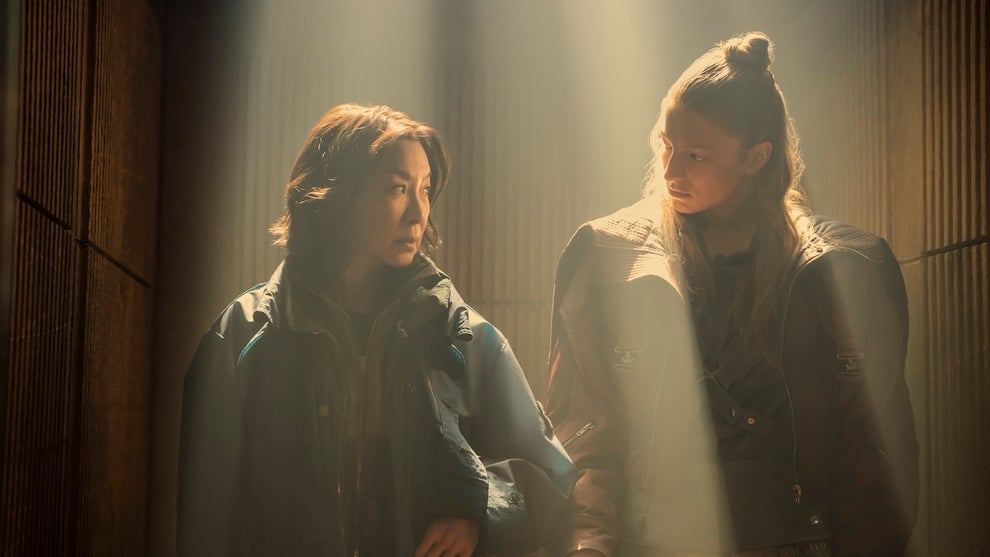
In the raging against the machines, we lost. “Blade Runner 2099,” the Prime Video limited series continuation of the beloved Ridley Scott and Denis Villeneuve films, quickly establishes that in the 50 years since “Blade Runner 2049,” the battle between humans and the humanoid robots known as replicants has resulted in the creations’ victory over their creators. It shouldn’t surprise anyone; the increasingly harsh realities of the theatrical installments all but confirmed the human race was doomed — it was all over but the crying.
Now, the hunted become the hunters. On their ninth iteration, the replicants reclaim and refashion the title of Blade Runners for their own purposes as they hunt down rogue humans who try to fight back against the status quo. That’s how we’re introduced to Cora (Hunter Schafer), as she attempts to run from the LAPD’s elite Blade Runner squad, led by the steely Olwen (Michelle Yeoh). Out of options to hide from the Runners and to ensure her brother Elias (Lewis Gribben) is safe, Cora assumes the identity of a replicant and embeds herself undercover with the LAPD until she can find a piece of information needed to sell in order to punch her ticket out of the city.
Replicants are hailed as “more human than human” across the franchise, but “Blade Runner 2099” is inherently focused on exploring humanity (or lack thereof) across its entire cast —machine or otherwise. Pushed to the edge with nowhere else to go, Cora is told she’s perfect to assimilate herself among the Blade Runners because she’s so isolated that she’s “not a person anymore.” Meanwhile, Olwen is on the last days of her lifecycle and yearns for more time. The narrative tension — showrun by Silka Luisa of “Shining Girls” fame, working off a series bible shepherded by the aforementioned Scott — across their respective plots informs the early stages of “2099” and then really kicks the series into high gear once the two are paired together. When this happens, the limited series often feels like “True Detective: 2099” across the eight-episode count; the show functions at its best when it’s working like an elevated investigative drama, albeit one anchored in thematics around identity and purpose.
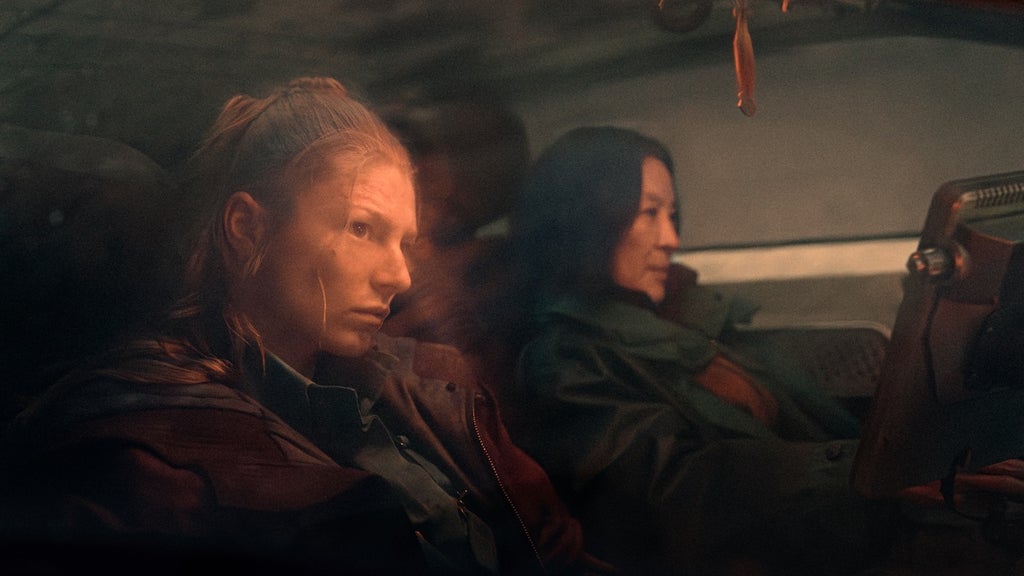
It helps that the world feels like “Blade Runner.” Much like “Rings of Power” and “Fallout” before it, Amazon has seemingly spared no expense in bringing the world of 2099 Los Angeles to life. The replicants’ new dawn has radically (and literally) changed the City of Angels into a veritable Hades, burning away the rain for a visual style that Luisa described as “sunshine noir.” The heat coats and covers the sun-soaked city in every single frame, adding a feel of desperation for its human population that reminds me of how “Do the Right Thing” rendered and visualized its blistering day. The sunshine noir feel is bolstered by staggering production design from Chloe Arbiture and Paul Inglis and set decoration by Patricia Cuccia, all of whom make this world feel like a continuation of what’s come before while still defining it for themselves. “Blade Runner” established the cyberpunk genre, and there are moments where the look and feel of this world is in conversation with other hallmarks of the category, particularly the harsh realities on display in the “Cyberpunk 2077” game and Netflix anime series. Helen Huang’s costumes evoke a few different references — Yoeh’s ocean-blue Stone Island duster feels like something we’d see Deckard wear in the sun, while Schafer’s exaggerated shoulders read like an homage to Android 16 from “Dragon Ball Z”.
The series, much like its predecessors, is deliberately paced. This isn’t to imply that “2099” is boring; it takes its time peeling back the layers of its secrets. However, it’s slightly disappointing to see the show turn into a MacGuffin hunt in the middle stretch, even if it is anchored by strong character work by Yeoh and Schafer. The former is a known quantity, an instant floor raiser, but it’s impressive to see how effortless Schafer is throughout. She’s done Herculean work to make her role on “Euphoria” work when the source material failed to meet her performance, but here, she’s given the lion’s share of anchoring the emotional core of the series.
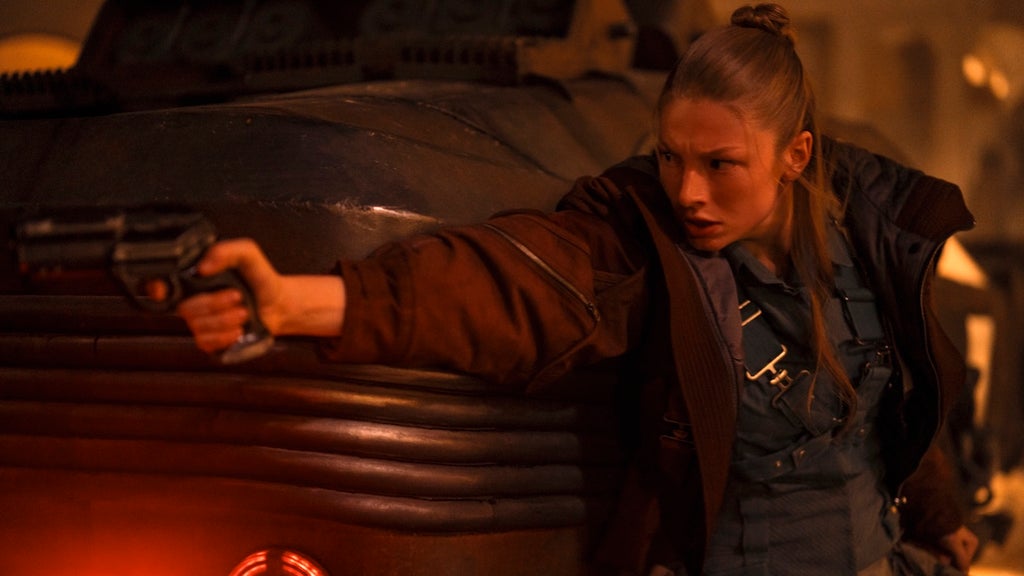
The pair are far and away the most developed and fleshed out of the show’s whole cast, which makes the rest of the ensemble feel slight in comparison, despite their strong work across the board. Matthew Needham, in particular, stands out as a fellow Blade Runner who is as savvy and calculating as his “House of the Dragon” role, but with the physicality to make him truly menacing.
Above all else, “Blade Runner 2099” proves that a beloved, treasured cinematic story can successfully transition to streaming and keep its core humanity. Elevated by stunning visuals and a pair of dynamic performances, the series proves that even with humanity on the back foot, there are still ways to find empathy in the desolation.
“Blade Runner 2099” premieres Wednesday on Prime Video.
