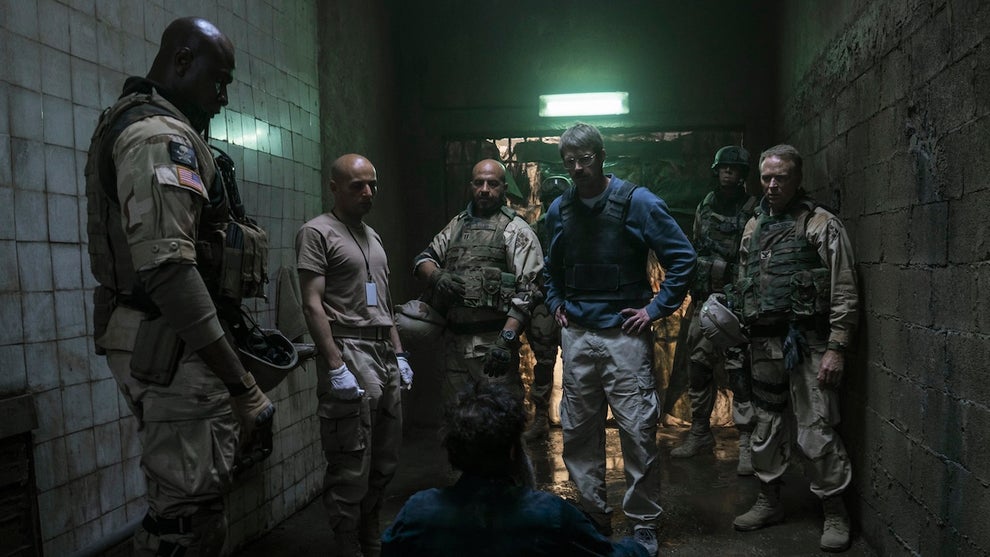
In recent years, there have been a plethora of movies and series that verge on fetishising the U.S. conflicts in Afghanistan and Iraq. They often use real-life conflicts and tragedies as a launching pad for cheap, often nationalistic, action thrills.
On the surface, “High Value Target: The Hunt for Saddam” seemed like it was going to make the same mistake. However, despite its flaws, the eight-part series manages to provide something engaging and fresh by telling the story of John Nixon, the first CIA officer to interrogate Saddam Hussein following his capture in December 2003.
The series opens with a mixture of original footage and real archival footage, such as when George W. Bush declared that Saddam Hussein was “addicted to weapons of mass destruction.” This instantly makes it clear that this political thriller is inspired by real events and that people are still living with the consequences of these actions and rhetoric more than 20 years later.
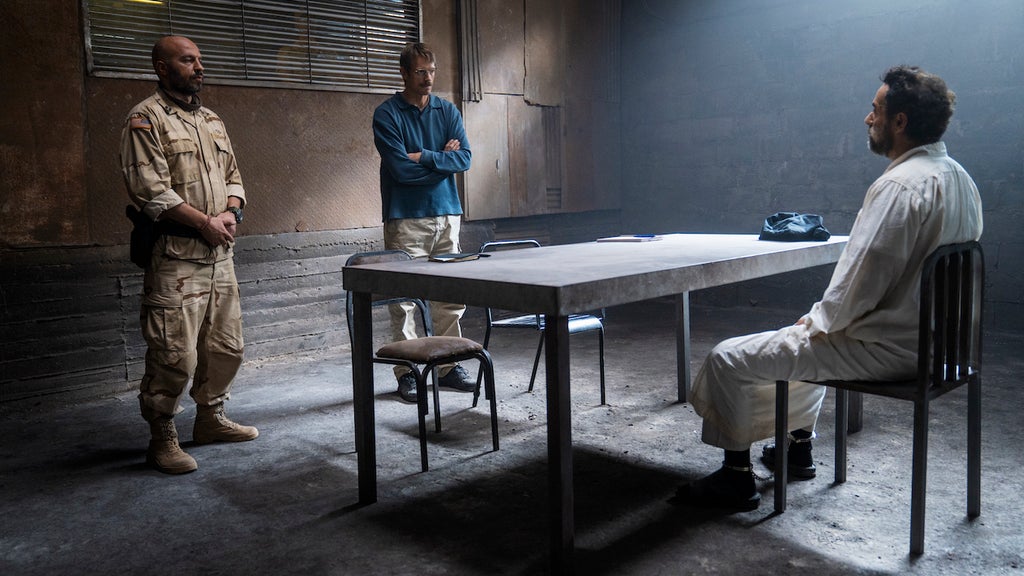
Undoubtedly, the series thrives most during the interrogation scenes. The dialogue is captivating, as it is both insightful and nuanced. But it takes too long to get there. While it is important to set the scene and provide historical context, the pacing of the show feels slow, with Saddam captured midway through Episode 3.
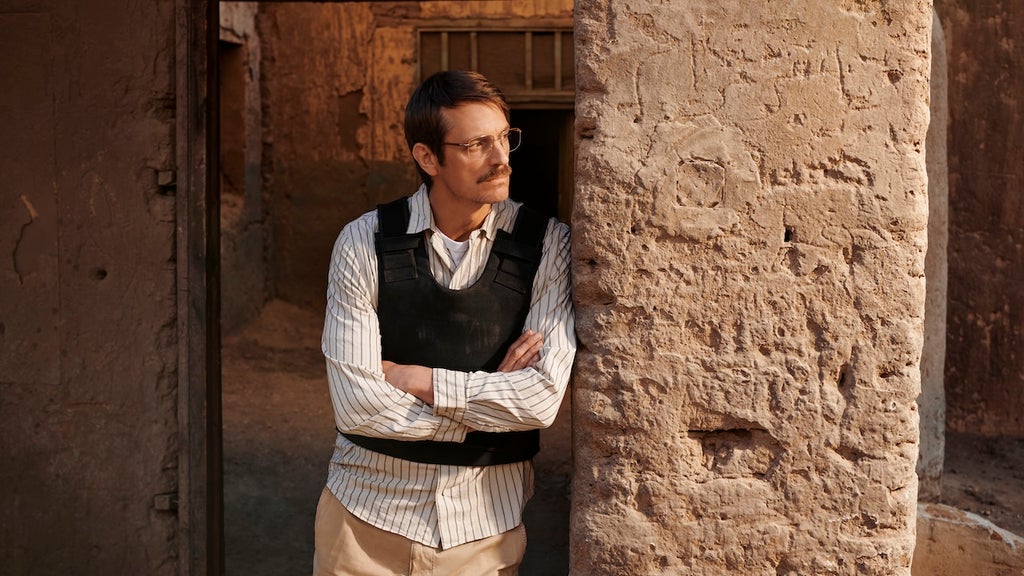
There is enough intrigue and drama to keep people watching, but something is lacking early on. While Joel Kinnaman does his best, he is hamstrung by his character, who the audience struggles to sympathize with or get behind.
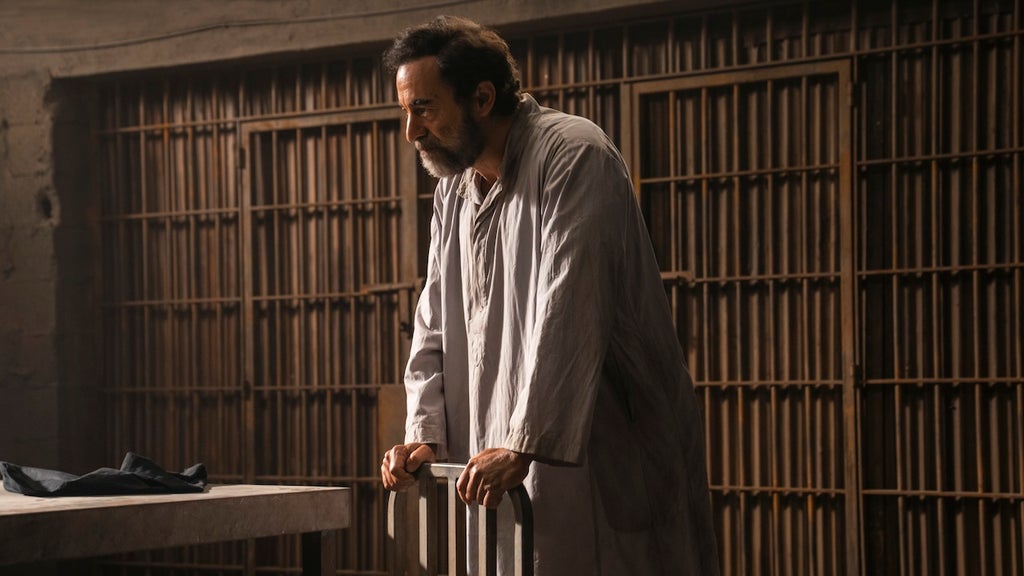
However, the interrogation scenes breathe new life into the series and rejuvenate interest. They are wonderfully crafted and smartly written. But the shining light is Waleed Zuaiter, who has the difficult task of portraying one of the most infamous men in modern history, Saddam Hussein. He has such gravitas in this role that you are instantly hooked to the screen as you watch the manipulation and psychological games unfold.
The interrogation scenes also do an excellent job of bringing into focus the far-reaching consequences of the U.S. invasion of Iraq and the damaging legacy that is still felt personally and politically by many.
There’s something poignant about these scenes that speaks to the political turmoil in the Middle East today, echoing the famous George Santayana quote, “Those who cannot remember the past are condemned to repeat it.” This is seen when Nixon demands that Saddam tell him where the weapons of mass destruction are in Iraq, to which he responds, “They are where they have always been, in your president’s mind.” Sound familiar?
While many think of Saddam Hussein as “The Butcher of Baghdad,” “High Value Target” suggests it’s not as cut and dry as that. However, striking this balance to provide a nuanced perspective about such a complex issue proves to be one of the biggest challenges that the showrunners have to face.
At times, this is something that is handled well. The most prominent example of that is during a short but moving scene in episode four. After another failed interrogation, Nixon is confronted by Samir (Dar Salim), his translator, who says Saddam Hussein is manipulating him and that he’s lying to himself because he wants the deposed president to like him.
This leads to one of the most emotional scenes in the series as Samir takes Nixon to a mass grave in South Baghdad, where his father, uncle and two brothers lay among the dead. The effectiveness of this scene comes from its brevity. It doesn’t explain the historical context but leans into the real human tragedy that the people of Iraq faced as a result of Saddam Hussein’s tyrannical rule.
However, there are also times when this nuance and balance aren’t handled so well, leading to awkward viewing because of clumsy dialogue. Before leaving Iraq and returning home to his family, Nixon pays one last visit to Saddam Hussein in jail, where he says, “Mr President, I wish we could have had these conversations in different circumstances.” It almost felt like the ending of a romantic movie like “Before Sunrise” or “Casablanca,” where two love interests say their final goodbye before going their separate ways.

This occurred heavily during the first episode as well, with Nixon repeating the line, “Nobody knows him better than I do” when discussing Saddam. It almost verged on the sycophantic, as you’d expect to hear that line in “Misery,” not a high-stakes political thriller.
With such a complex and tragic historic event, whose legacy can still be felt today, it was a difficult task to effectively bring all of these perspectives and arguments to an eight-part political thriller. Therefore, despite promising signs and strong moments, ‘High Value Target’ was ultimately hindered by its own ambition.
“High Value Target: The Hunt for Saddam” premieres Sunday on TNT.