
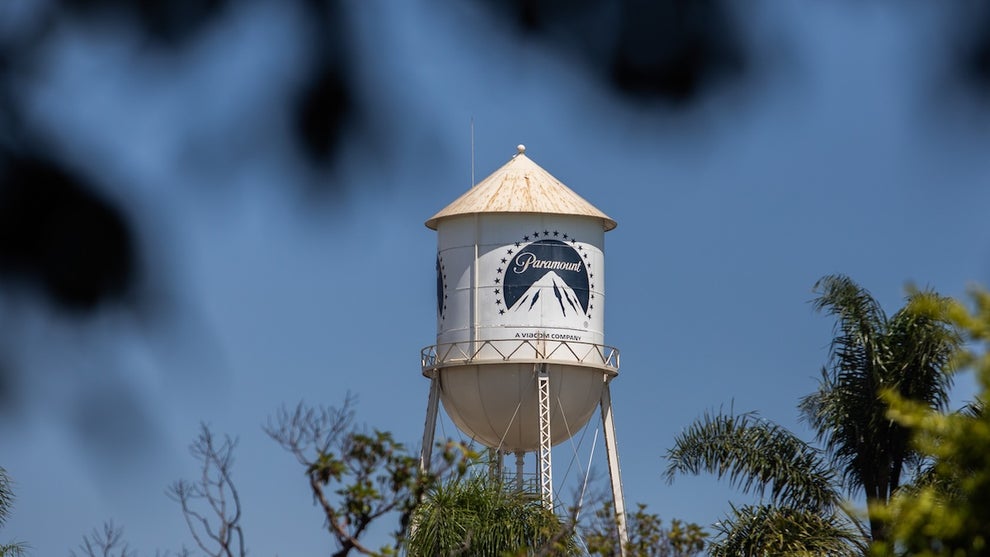
The Block the Merger coalition, which consists of dozens of entertainment industry organizations, political activists groups and antitrust advocates, applauded California Attorney General Rob Bonta and the 11 other state attorneys general who filed a lawsuit to stop the proposed merger between Paramount Skydance and Warner Bros. Discovery.
The coalition, which rapidly organized this past winter after Warner Bros. Discovery went up for sale last September, has called on theater owners, production workers and anyone else who relies on the entertainment industry for their livelihood to voice their opposition to the merger, warning that the acquisition of one Hollywood legacy studio by another would lead to fewer jobs, fewer films and TV shows released and more consolidated control over the news media.
“This illegal merger would mean layoffs for artists and workers, higher prices for consumers, and the death of Hollywood,” said Matt Stoller, research director of the American Economic Liberties Project, which is part of the coalition. “State enforcers have done the right thing in seeking to block it. It is time to stop oligarchs from strip-mining our culture and selling America off for parts. Blocking this mega-merger is the first step in doing so.”

Other organizations in the Block the Merger coalition include Art House Convergence, the Future Film Coalition, the Democracy Defenders Fund, the International Documentary Association, and the Committee for the First Amendment, which was co-founded by Jane Fonda.
“For months, this merger was treated like it was unstoppable. Today proves it never was,” said Fonda. “Thousands of artists, journalists, and everyday people refused to accept that CEOs who cozy up to the administration should decide what news and stories Americans have access to. This is what happens when people organize—a deal everyone once called inevitable hits a wall. We’re grateful to the attorneys general who stood up today, we are going to continue fighting, and we hope this sends a message to the administration and its allies.”
Several other groups have worked with the Block the Merger coalition to organize against the Paramount-Warner merger, including the Writers Guild of America, which has a long history of public opposition to media mergers such as the AT&T-Warner Bros. merger and the Disney-20th Century Fox merger.

“The merger of two of the largest Hollywood studios will reduce competition in our industry, leading to fewer jobs, lower wages for entertainment workers, less variety of programming, and higher prices for consumers,” the WGA said in a statement. “We have engaged with the offices of many State Attorneys General to explain the impact of this proposed merger, and we commend Attorney General Bonta and this coalition of states for listening to working people in the entertainment industry and fighting to stop this dangerous merger.”
Movie theater organization Cinema United, which has testified in Congress against any sale of Warner Bros., also praised Bonta and his fellow AGs, warning that the “ramifications of further movie studio consolidation will be significant and lasting, not just in Hollywood, but on Main Streets across this nation where local movie theaters serve as cultural and financial cornerstones for communities of all sizes.”
While the Paramount merger was speedily approved by the Trump-controlled Department of Justice, the Block the Merger coalition has long seen Bonta and state AGs, particularly those from Democrat-controlled states, as the last and best line of defense against the merger. The states joining California in the lawsuit — Arizona, Colorado, Connecticut, Massachusetts, Minnesota, Nevada, New Jersey, New Mexico, New York, Oregon and Washington — all have Democrats as their attorney general.

In addition to Bonta’s lawsuit United Kingdom’s culture minister Lisa Nandy also signaled late last month that she too will seek legal action against the merger over concerns that the merger would prevent a “sufficient plurality of views in news media” and a “sufficient plurality of persons with control of the media enterprises.”
For Paramount, the lawsuit could take a hit on their bottom line. As part of the agreement with Warner Bros., the company pledged to pay shareholders a 25-cent per share “ticking fee” for every quarter the deal is not approved past September 30. It’s also agreed to a regulatory termination fee of $7 billion if the merger is blocked.
