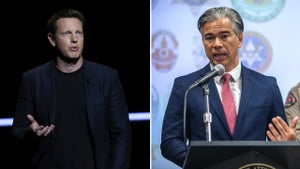
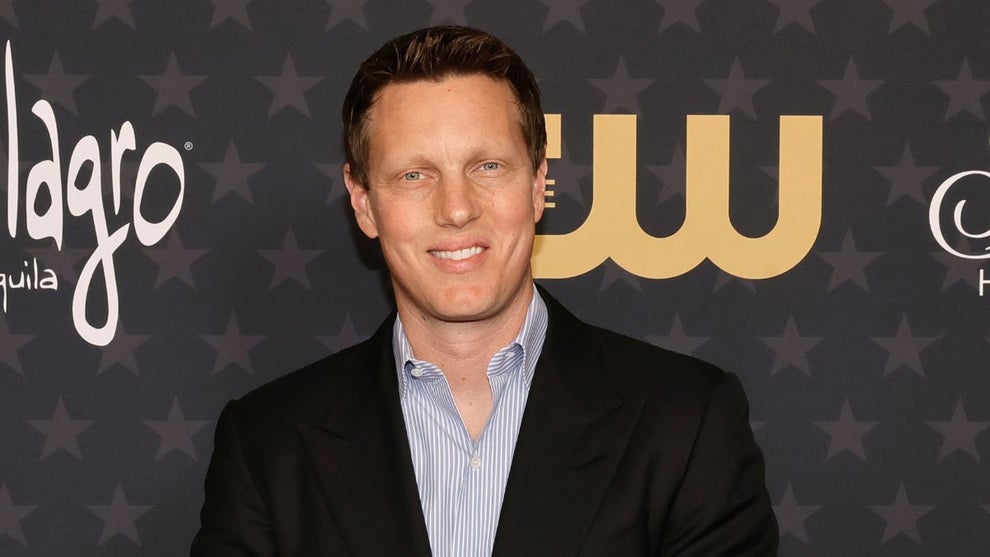
Paramount CEO David Ellison has come out swinging against an antitrust lawsuit seeking to block his pending $110 billion Warner Bros. Discovery merger, arguing that the effort by a group of 12 state attorneys general and the Writers Guild of America is really about politics and CNN.
“I believe that anyone who oversees a news organization — I am chief executive of Paramount, which owns CBS — shouldn’t put a finger on the scale, especially on matters involving his own company,” Ellison wrote in a New York Times op-ed on Tuesday. “So, when California’s attorney general, 11 other state attorneys general and, a day later, the Writers Guild of America sued to stop the deal, I stayed quiet. I quickly learned such restraint has costs. While I was silent, others were happy to write my story for me. No more.”
Ellison noted that the idea that the deal would give the combined company too much influence over theatrical releases and cable operators while hurting writers is imagining a Hollywood that “no longer exists.”
He said that Paramount-WBD would account for less than 20% of all American watch time and that its resources would be dwarfed by Netflix, Apple and Amazon. When including YouTube, that market share would drop to around 13%, Ellison added. He also wrote that the combined company would account for 18% of the the domestic box office over the past 12 months and 22% on average over the past two years.

“Those are not the numbers of a company that can dictate what audiences watch or what writers get paid,” Ellison continued. “I believe this fight is not really about market share. If it were, it wouldn’t have been reviewed and approved by regulators reflecting 65 countries, including the United States, the European Union and China. I believe a plainer worry sits beneath the briefs and the news releases: the news. The issue is whether I can be trusted as a steward of Warner’s CNN.”
Ellison then opened up about his own politics, noting that he has regularly voted for candidates on both sides of the political aisle. He also reiterated that he believes news should be based on facts and truth and that CNN would remain independent and “continue to answer to the facts and to all the people they serve — not to any party or cause.”
“I hold some views that would be called conservative and others that would be called liberal, just like most Americans,” he shared. “And when it comes to our news operations, I do not aspire to lead these companies to bend their newsrooms to my views.”
Ellison went on to note that “just 28 percent of Americans trust the news — the lowest ever recorded,” but that trust can be earned back. “In an age when so much of what fills our screens is machine-generated or engineered to enrage, journalism from real reporters matters more than ever,” he wrote. “That is the work I intend to pay for, patiently, for a long time.”
However, Ellison also acknowledged that the Hollywood machine is in trouble as work leaves California, once again sharing his commitment to making 30 theatrical films and 170 television series a year.
“Hollywood’s story can have a happy ending only when we connect with our audience. It’s the audience — the American people — who have the final say in whether a movie succeeds or fails, whether a news organization thrives or withers and therefore whether our industry succeeds or fails,” he concluded. “I want to build a company with the strength and resources to deliver for those audiences who turn to us, for the storytellers who rely on us and for the country that dreamed this all up.”