

Welcome back to the “Media Front.”
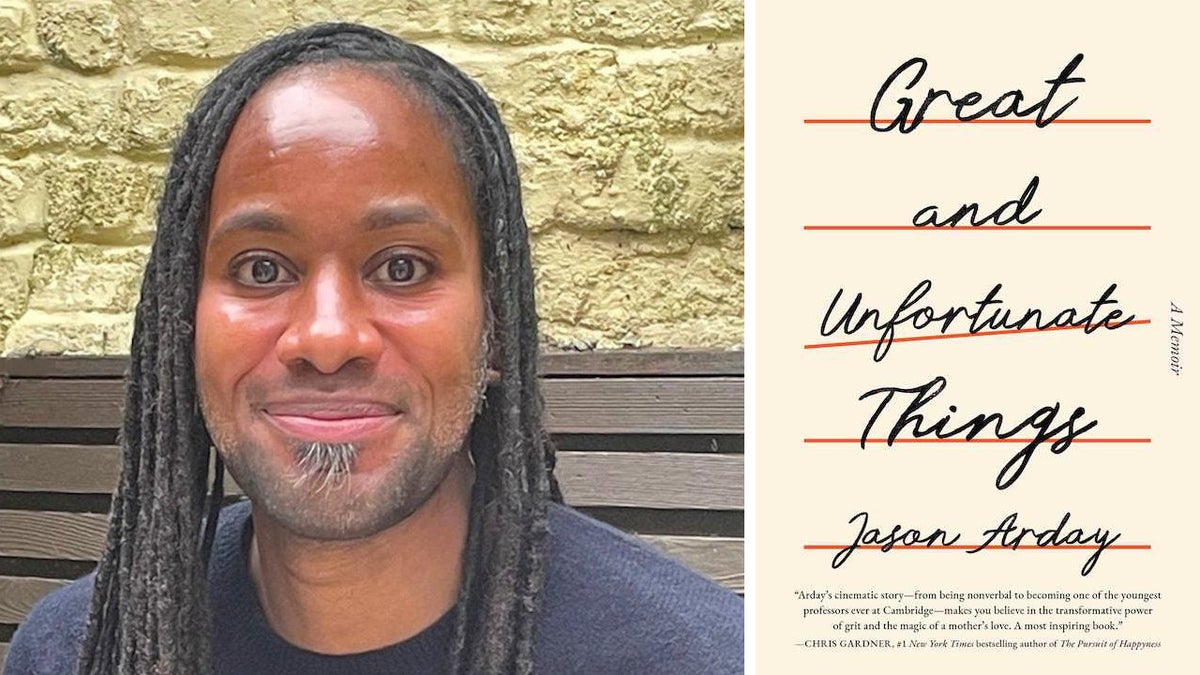
Simon & Schuster released Jason Arday’s memoir on Aug. 11 in the U.S. amid mounting questions about parts of the extraordinary personal story at its center. Three days later, the 41-year-old former Cambridge professor was found dead at a south London property.
Arday’s death transformed an already contentious publishing story into a particularly difficult test for Simon & Schuster: How does a publisher stand behind a recently deceased author while addressing questions about factual claims included in his book?
The answer matters beyond one memoir. The controversy has exposed a gap most readers rarely see: Unlike many major magazines, book publishers do not universally subject nonfiction manuscripts to independent, line-by-line fact-checking — even though readers often interpret a major publisher’s imprint as a signal of credibility.
Arday’s story had obvious appeal. Diagnosed with autism and developmental delays as a child, he said he was nonverbal until age 11 and unable to read or write until 18. He later became the youngest Black professor appointed at Cambridge.
Simon & Schuster marketed “Great and Unfortunate Things” as an “inspiring underdog story” about overcoming profound obstacles.
Questions were raised about elements of Arday’s childhood, academic history, athletic accomplishments and charitable fundraising. He also faced allegations that portions of his academic work had been plagiarized.
Liverpool John Moores University, where Arday earned his doctorate, said an earlier review found no evidence of plagiarism. But academics continued to question the scope and rigor of that review after reports identified more than 100 passages in his thesis with similarities to an earlier dissertation. Cambridge was separately reviewing research-misconduct allegations and had announced a new investigation into Arday’s qualifications and career shortly before he resigned. Arday denied intentionally plagiarizing his work and said the accusations and public commentary had taken a profound toll on him and his family. After his death, his family said he had endured a “campaign of sustained abuse” and misinformation.

Simon & Schuster had publicly defended its author. Earlier this month, the company said it was “proud to publish” Arday, citing the professionalism and integrity he brought to the process. It also stressed that no plagiarism allegations had been made concerning the memoir itself.
That distinction matters. The plagiarism allegations involved Arday’s academic work, not claims that passages in the memoir had been copied. But some of the separate questions surrounding his personal history concern episodes included in the book, creating a different editorial issue.
I reported earlier this week that Simon & Schuster had not responded to questions about whether it was reassessing the memoir or had asked booksellers to pause additional orders. Follow-up calls to the publisher Friday also went unanswered. Ingram Content Group subsequently confirmed that the title remained available through its distribution system, while two independent bookstores said it could still be reordered.
Although the memoir reached No. 1 in two narrow Amazon biography subcategories, those rankings did not translate into bestseller-level sales. Circana BookScan recorded only 433 U.S. print copies sold from the book’s Aug. 11 release through Aug. 15, including tracked Amazon sales.
Continued availability does not establish that Simon & Schuster has dismissed the questions. The company could be examining them internally, and Arday’s death gives it legitimate reason to proceed carefully.
Publishing practices vary. Some presses incorporate verification into copy editing or commission separate fact-checks for certain nonfiction titles, while others place more responsibility on authors and legal review. The absence of a common standard means readers cannot determine from a publisher’s imprint alone how extensively a book’s claims were independently checked.
Memoirs pose an additional challenge because they rely on memory and an author’s personal perspective. A disputed detail does not necessarily invalidate an author’s larger story, and not every recollection can be independently verified.
Simon & Schuster may conclude that “Great and Unfortunate Things” requires no changes. It could determine that clarification or revisions are warranted in a future edition. Any decision will require balancing legitimate factual questions with fairness to Arday and his family.
That’s the promise at the heart of nonfiction publishing: When a major publisher puts its name on a book, readers expect they can trust what is inside. How Simon & Schuster handles the questions surrounding Arday’s memoir will help define what that promise is worth.
Continue reading this week’s Media Front column below, and if you want this as a newsletter directly to your inbox every Sunday, adjust the newsletter settings in your WrapPRO account.
ABC’s FCC Fight Moves to a Slower Track
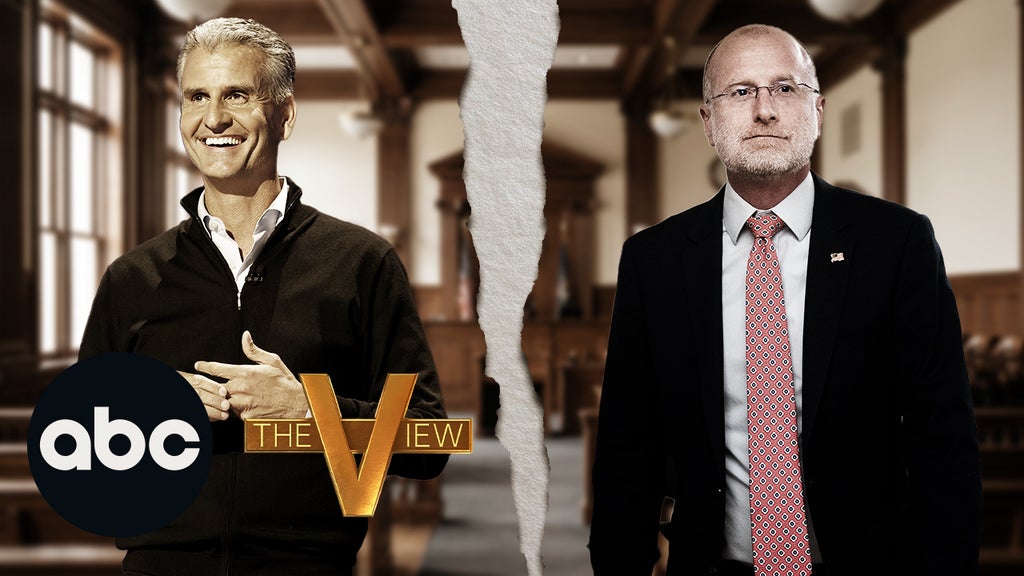
Disney and ABC entered the week seeking an urgent court hearing in their fight against the FCC’s early review of eight ABC-owned television-station licenses. They ended it with a slower court timetable — but also an assurance that the regulator won’t act without warning.
U.S. District Judge Loren AliKhan rejected Disney and ABC’s request to hold a hearing by Aug. 25 on their motion for a temporary restraining order. She instead set a briefing schedule extending through Sept. 24, with a hearing planned for early October.
The FCC also agreed to give Disney at least 48 hours’ notice before issuing an order referring the licenses for an administrative hearing. AliKhan said that if such an order is issued, the parties would appear in court the following day so she could consider whether temporary relief is warranted.
That doesn’t resolve the underlying dispute, but it reduces the immediate risk that the administrative process could advance without Disney having another opportunity to seek judicial intervention.
As Lucas Manfredi and I reported this week, legal experts believe ABC has a strong First Amendment argument. But procedural questions and potential appeals could leave the broadcaster operating under regulatory uncertainty for months.
The stakes extend beyond ABC. The case could help define how far the FCC may use its licensing authority against broadcasters whose journalism or programming draws political criticism — and where the First Amendment requires it to stop.
Read our full piece: Disney Takes on Trump: Can ABC Win Its First Amendment Suit Against the FCC?
Fox’s $1 Billion NFL Question
The NFL remains the closest thing television has to a guaranteed mass audience. For Fox, securing that audience beyond the league’s 2029 opt-out window could come at a much higher price.
Fox has decided to maintain its existing NFL agreement and pricing through the 2029 season rather than renegotiate early. Its contract runs through 2033, but the league has a one-time right to terminate the final four seasons.
The potential price tag of an extension helps explain Fox’s decision. If the NFL sought the roughly 50% increase reportedly discussed in other rights talks, a comparable jump would add approximately $1.1 billion to Fox’s annual NFL spending, according to Ampere Analysis.
That would be substantial for a company Ampere estimates will spend about $7 billion on all content this year, including roughly $4 billion on sports.
But the NFL’s value to Fox is difficult to overstate. Football delivers audiences that entertainment programming rarely reaches, strengthens the company’s advertising and distribution businesses and provides a promotional platform for the rest of its schedule.
That makes the NFL both one of Fox’s greatest advantages and a potential constraint on future spending. The question is not whether Fox values football enough to keep it. It’s what else Fox and other broadcasters may spend less on as must-have rights become more expensive.
Read our full piece: As NFL Costs Soar, Fox Faces a $1 Billion Sports Rights Question
The Ross Barkan Fallout Reaches His Book
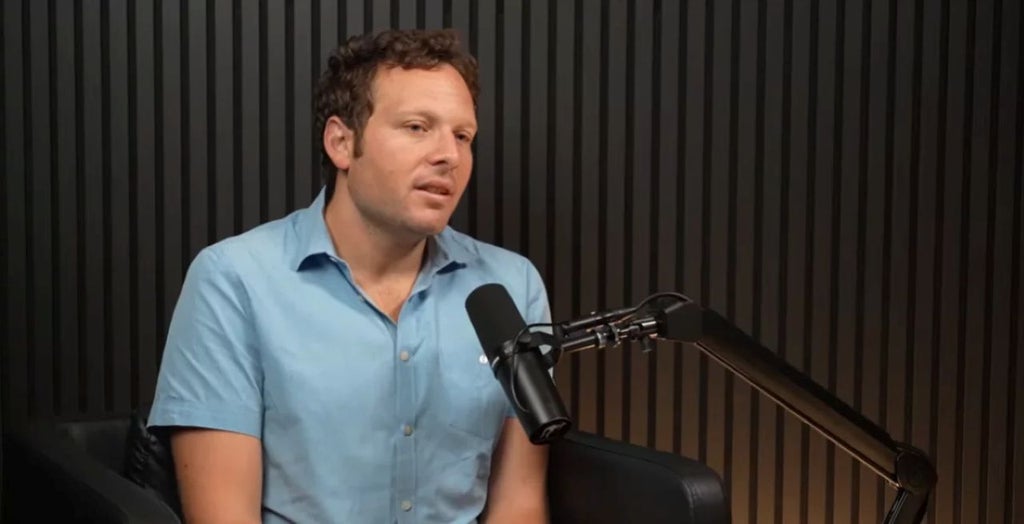
The fallout from Ross Barkan’s attribution scandal has spread beyond New York magazine. Penguin Random House has suspended promotion and public sales of his forthcoming book about New York City Mayor Zohran Mamdani.
“The Revolutionary: Zohran Mamdani and the Remaking of American Politics” had been scheduled for publication Oct. 6. The title has since disappeared from Penguin Random House’s website and listings at major booksellers.
The move follows New York’s decision to end Barkan’s column after an independent editorial review found that 67 of his pieces did not meet the magazine’s standards for properly attributing language, information or sourcing. The Nation is also reviewing work he contributed to that publication.
Barkan apologized Wednesday, saying the problems were not intentional but acknowledging that he had failed to cite other journalists aggressively enough and had sometimes paraphrased their reporting poorly. He said he would take time away to reflect on his practices.
Penguin Random House has not said whether the book will be revised, rescheduled or canceled. Neither the publisher nor Barkan responded to TheWrap’s requests for comment.
The suspension illustrates how quickly editorial failures can travel from one institution to another. The questions began with Barkan’s magazine columns, but the consequences now extend to a separate publisher, an unreleased book and the commercial future of his work.
From our full piece: Publisher Suspends Ross Barkan’s Zohran Mamdani Book After NY Mag Plagiarism Claims
Next Week: Are There Too Many Audiobooks?
The audiobook business is booming — but the number of titles competing for listeners is rising far faster than the revenue they generate.
Publishers reported more than 750,000 active audiobook titles in 2025, a 43% increase from the previous year, while U.S. audiobook sales revenue climbed just 9% to $2.43 billion, according to the Audio Publishers Association.
That widening gap is raising questions about discoverability and the economics of individual titles, even as consumer demand for audio remains strong.
I’ve been speaking with producers, agents and industry analysts about what is driving the influx, whether the market can sustain it and what it means for authors competing to be heard. I’m also seeking perspectives from major publishers and audiobook companies.
Look for that story this week on TheWrap!
Also on TheWrap
From Lucas Manfredi: “Charter Closes $34.5 Billion Cox Merger”
From Loree Seitz: “How Nielsen’s Measurement Fixes Aim to Smooth Over Gauge Contention”
From Umberto Gonzalez and Tess Patton: “Why Alex Cooper Left UTA for CAA”
On my radar
“ESPN Eyes More Social Content for Unlimited Experience” (Sara Fischer, Axios)
“YouTube Shorts Gains Ad Dollars but Needs to Crack Social Budgets” (Tim Peterson, Digiday)
“Australia Passes Law to Levy Tech Giants That Fail to Pay for Local News” (Christine Chen, Reuters)