

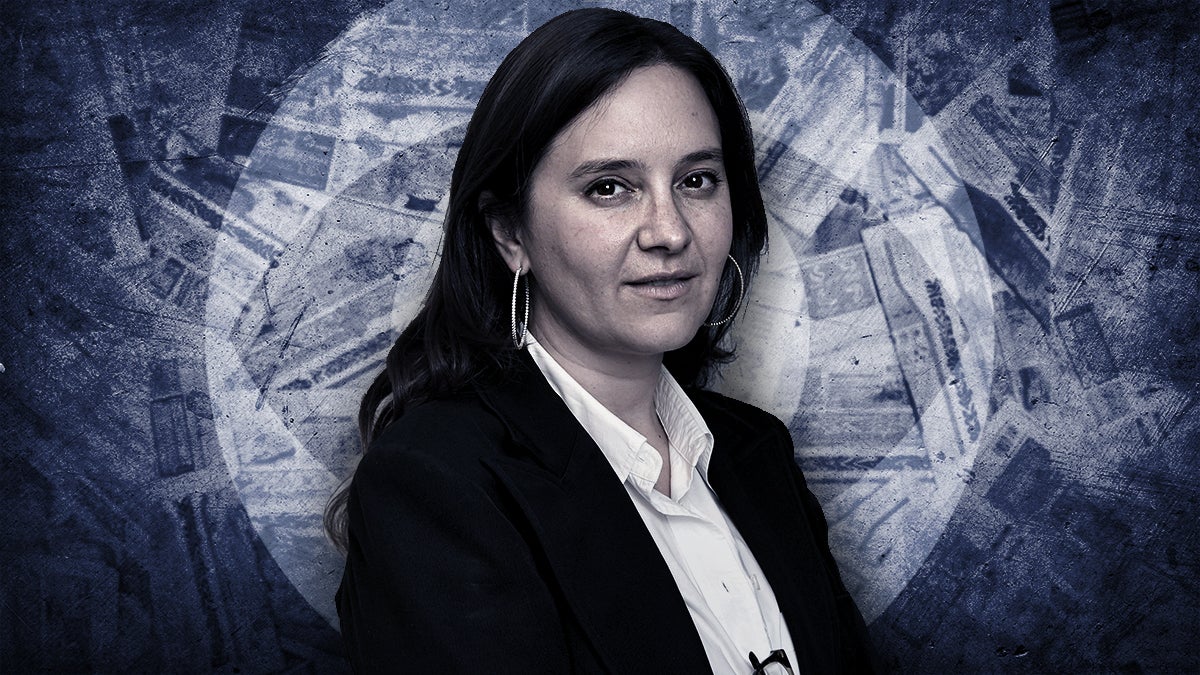
After wading through 10 pages of Bari Weiss’s vision for the future of CBS News, and for the future of news in general, I’m a little lost.
There are soaring phrases about “seeking the truth, serving the public and ferociously guarding our independence.” There are earnest calls to “widen the aperture,” and “to be the home for the hardest conversations and boldest debates.” Exciting. Daring. Brave.
And BIG. Weiss doesn’t shrink from stating her grander vision, a desire to do no less than “fix this country we all love” in creating a “shared source of trust.”
The words are nice, the sentiments ambitious and the goal indisputably noble. We all want a source of shared trust in this time of political division, when competing sets of realities are playing out every night on opposing cable news stations. At a time when social media feeds amplify crackpots like Candace Owens, malevolent liars like Tucker Carlson and I’m-no-expert-but-I-have-opinions podcaster Joe Rogan.
But how do you rebuild that?
Weiss’s ideas about how to do that are very unclear. Much of it sounds an awful lot like the principles of basic journalism – truth-telling, information-gathering, equipping viewers with the facts, “even if it offends their sensibilities.”
But let’s be honest – this is coded language. It’s a lot of fancy-stepping words for what we know Weiss really believes, which is bringing in a right-leaning point of view as a counterweight to what she sees as a left-woke-progressive drive to traditional news institutions, in this case CBS News.
That’s what she means when she talks about equipping viewers “with ALL the facts” – even offensive ones. (Wink, wink.) And anybody who isn’t OK with that, she hints strongly, should leave.
I’ve read the speech a couple of times, seeking to grab hold of a central theme, a clear plan. Weiss is right about framing the problem she needs to solve: CBS News has been busy hanging on to its shrinking, older audience, and failing. Instead, she argues, CBS News needs to be about the business of embracing the 21st century by expanding its core, by finding potential new, young viewers where they are – on YouTube, streaming apps, social media and podcasts.

To which I can only enthusiastically nod, Yes. Many of the things she points out are obvious to any of us professionals in media who have been toiling for two decades or so to figure out how news survives in the age of the Internet and social media.
It’s hardly a revelation to point out that your news products need to touch every facet of modern communication – YouTube, TikTok, X, vertical video. It’s a little, um, 1970s to point out that CBS News does not merely compete with the other news broadcasters. And speaking of retro, she does herself no favors by bringing the antiquated print “masthead” to CBS News.
Hello, 21st century. Every one of us news entrepreneurs – including me in starting TheWrap in 2009, including Weiss in starting the Free Press in 2021 – knows that news moves in real time, and has to be offered in a 360-degree set of platforms. We all know that journalists need to build personal brands and post on their social media, and have podcasts and write books and have speaking engagements. (Doesn’t “60 Minutes” correspondent Anderson Cooper do exactly that?)
And even some of the proposed methods sound great. After all, who can argue with the goal of having your “stories reach the largest number of people possible”?
Another thing: I like many of the 19 new contributors very much. Futurist tech thinker Derek Thompson, Iranian-American champion of women’s rights Masih Alinejad, health advocate Mark Hyman, libertarian Niall Ferguson.
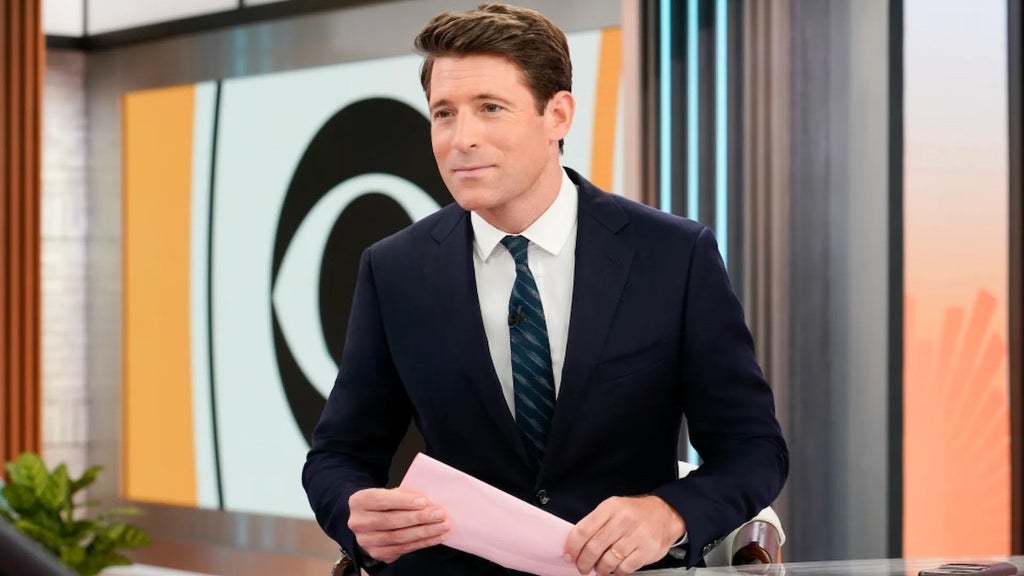
But that’s the op-ed page. That’s not the news gathering operation. Once again, Weiss seems to be falling into the trap of her own predilection for expert opinion rather than hardcore news gathering, which is the bedrock of CBS News.
Because here’s where she’s dead wrong in stating that because of social media and AI, basic information is a commodity. How strongly can I say this? NO. Basic facts on which we all agree are at great risk. And institutions like CBS News are crucial in our democracy by presenting fact-based reality.
In addition to driving deep stories, or offering expert opinions, CBS News – and all legacy news institutions – have to provide a baseline of news reporting.
We now live in a world where Americans need sources they can trust on basic facts: who won the primary? What is the unemployment number? What does the latest research say about vaccines?
That is where trust is key.
Weiss talked in her speech about setting a news agenda. The aspiration of having an investigative piece on CBSNews.com and YouTube. Featuring it on the evening news that night. Then again on CBS’s morning show. Then a sit down on “60 Minutes,” “and on and on and on. We create the wave and then we ride it,” she said.
Well, sure, sometimes. But sometimes you just have to help readers know what is happening in the war in Ukraine. Or that President Trump lied from some podium. Or that there’s a dispute in NATO. Sometimes you need to set a standard that viewers can trust with basic news reporting: What’s the rate of inflation and is it up or down?
Weiss paints a world of big ideas and massive change: “CRISPR babies and killer drones and at-home robots and things we can’t yet imagine.” We want to know about that. But here on the ground, we live day to day and need a reliable, relatable source of information. Not, as she says, “Scoops… scoops of ideas. Scoops of explanation.”
That sounds like an awful lot like telling me what to think. Or maybe just — school.
Weiss made a lot of mistakes in her first four months on the job. She clearly did not listen to my advice back in November to “Find your allies on the inside… Take your time. Let people get to know you. Embrace them so they feel you will have their back. You will build support from within, not by imposing your will but by listening.”
She did none of that, rushing to remake the evening broadcast on the fly with an inexperienced anchor; multi-tasking way too many big jobs; grabbing the spotlight with her town hall interviews while not stopping to listen and learn how to manage work flow on edits, which led to her debacle on the “60 Minutes” CECOT story. She’s been way over her skis, and everyone knows it.
Now, she says, she’s ready to listen. “I want to take the time to get to know all of you and I want to hear your best ideas,” she said in conclusion. It’s late in the day to do that, but better late than never.
Bari’s definitely right about one thing: the stakes are very high, as she said. And the hour is late. Let’s hope she gets it more right than wrong.