
YouTube has declined to bid for U.S. television rights to the 2030 FIFA World Cup, narrowing the field of potential buyers as soccer’s governing body seeks billions in media rights revenue following the most-watched tournament in American history.
The Google-owned platform did not submit an offer ahead of Thursday’s deadline, according to The Athletic’s Andrew Marchand, who cited a source familiar with the decision. YouTube’s reasoning remains unclear, but its absence leaves Fox, Netflix and Amazon’s Prime Video among the remaining bidders.
The smaller pool of bidders could complicate FIFA’s hopes for a lucrative rights deal. As TheWrap previously reported, the organization was seeking as much as $4 billion for U.S. rights to the 2030 and 2034 tournaments. Despite soccer’s surging popularity, several major media companies have opted against participating, raising questions about how much broadcasters and streamers are willing to pay for an event held once every four years.
YouTube joins Disney’s ESPN, Apple and Paramount Skydance on the sidelines. NBCUniversal’s Telemundo, which carried Spanish-language coverage of the 2026 tournament, also declined to bid.

Fox has partnered with TelevisaUnivision on a joint offer covering English- and Spanish-language rights, while Netflix and Prime Video submitted competing bids, according to Puck’s John Ourand.
Representatives for YouTube and FIFA did not immediately respond to TheWrap’s requests for comment.
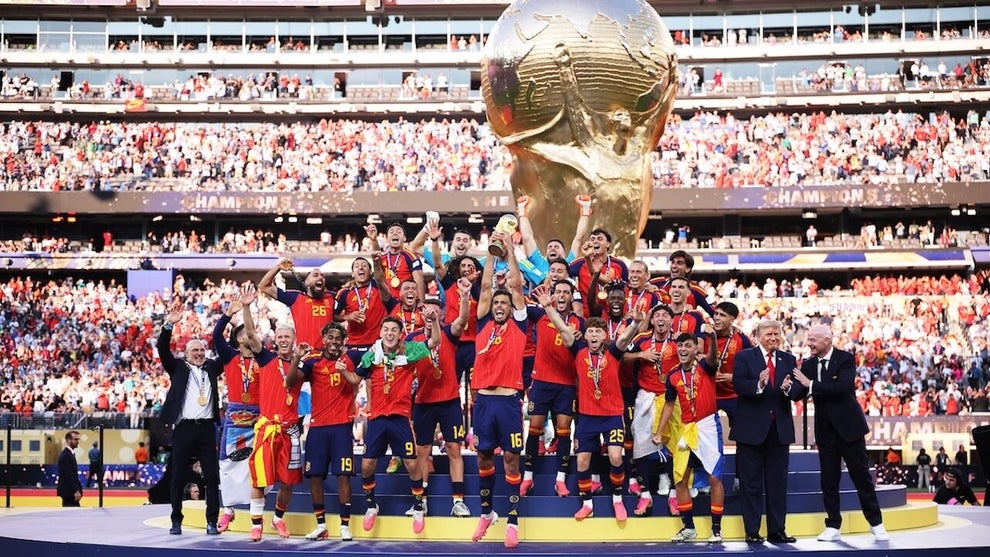
The decisions come despite record U.S. viewership for the 2026 World Cup. According to FIFA’s official figures, the tournament averaged 13.5 million U.S. viewers per match across television and streaming, up 166% from 2022. The final averaged 63 million viewers, making it the most-watched soccer match in U.S. history.
The next two tournaments, however, present different challenges. The 2030 World Cup will take place primarily in Morocco, Portugal and Spain, while Saudi Arabia will host in 2034. Both locations mean far less favorable live viewing windows for U.S. audiences than this summer’s North American-based tournament.
Those scheduling challenges, combined with a smaller pool of bidders, could limit FIFA’s negotiating leverage as it seeks higher media rights fees.
