

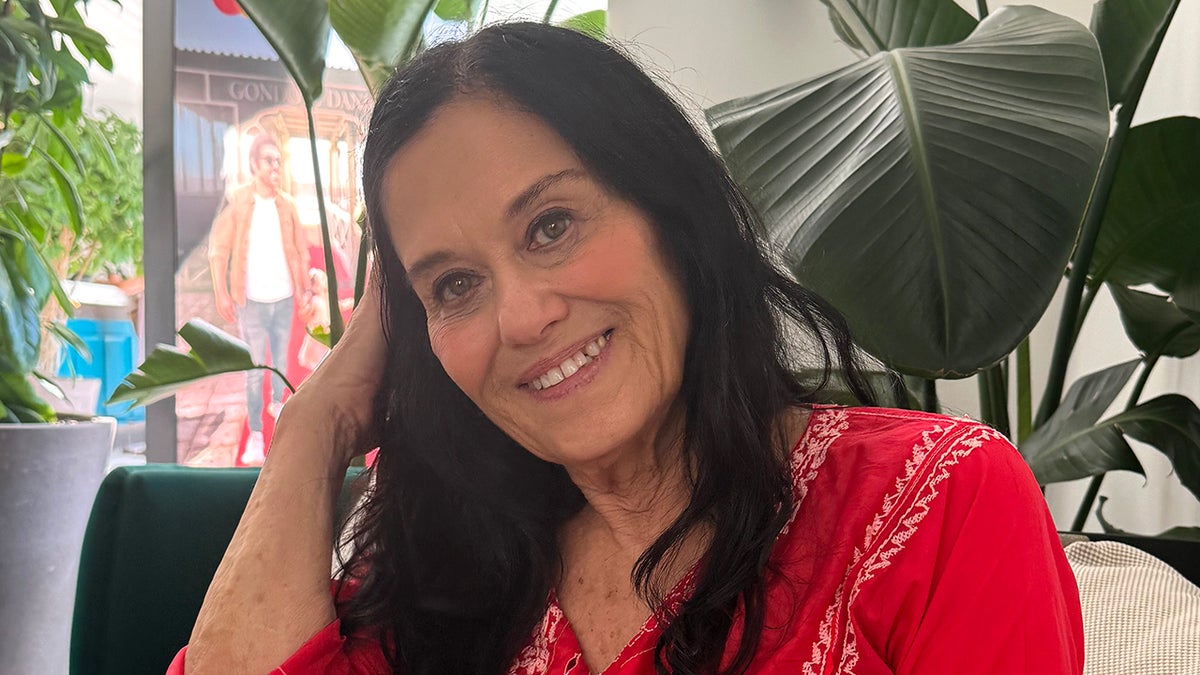
It’s been 50 years since Barbara Kopple won the Academy Award for “Harlan County, USA,” a documentary about coal miners who went on strike for over 13 weeks in Kentucky as they demanded better working conditions. Kopple’s personal approach, living with the coal miners and their wives, produced a landmark work of cinema verite.
Now 80, she has just completed a new documentary about unions and workers, this time aimed at our gig economy – the vast army of unseen delivery workers who scrape by for Amazon, Doordash, Uber and other giants for minimum wage, tips and very little protections, physical or otherwise.
“Union Town,” which premieres at the Venice Film Festival this week, follows the stories of three of those workers and their attempts to unionize. Like “Harlan County,” the film gets up close with the workers themselves, many of whom are undocumented, and reveals their struggles, their suffering and ultimately their humanity.
It’s pretty much a story of the invisible people in this country. Unions have had a small resurgence in politics in the past several years, but in truth, the subject of labor and the working class has sunk below the radar in the United States as we focus on billionaires, tech IPOs and AI.
Kopple, as feisty as ever, is still interested in the little guys.
“It’s about getting to know all these people and really finding out who they are, where they’re from, what their dreams are all about, why they came here,” she said in a conversation at the Excelsior Hotel. “That was what intrigued me about it all, because they’re so invisible. You know, someone delivers something, maybe you see their face, or you see these truck drivers with all these things, and rarely do you have a relationship with somebody.”
Despite her age, Kopple spent three and a half years interviewing activists, hanging out with undocumented workers and among labor organizers who risked their jobs – and lost them – trying to organize into a union.
Undocumented immigrants make up about 90 percent of the “Deliveristas,” as they call themselves, Kopple said. The UPS workers seem to make the most, at $15.50/hour. The app delivery workers make far less – just $7/hour in New York before tips.
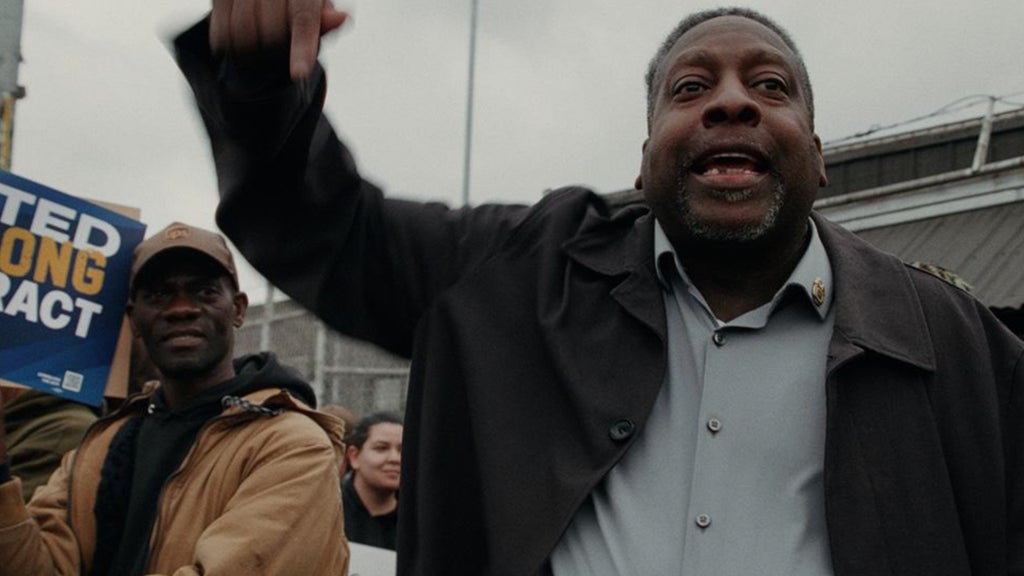
But because of the lack of protections, a delivery worker may be docked pay or suspended from a platform for a perceived infraction – with no recourse (a new law is changing the worst of these abuses). One deliverista Kopple follows was injured during a delivery but had his account suspended even though it was not his fault. He could not make a living and instead became an activist.
I asked her what had changed in the five decades since she documented labor struggles in the south, and she said something surprising.
“The issues are the same, except they don’t use guns now like they did in Harlan County,” said Kopple. “They use union busters now, and pay them huge amounts of money, like $15,000 a week, and a company like Amazon just spent $26 million more to have union busters.”
“Harlan County” followed 180 coal miners and their families at the Brookside Mine—owned by Duke Power Company’s Eastover Coal Company—as they fought to join the United Mine Workers of America (UMWA) for better wages, safer working conditions and basic dignity.
“Union Town” is not all that different, with one major distinction — the arrival of ICE to make things even more difficult.
I asked Kopple if she felt viewers would be less sympathetic to the workers trying to organize since so many are undocumented.
“Without these people, you will have nobody to do these jobs,” she said. “Nobody will clean your house. Nobody will deliver things to you at these wages. It would be a whole different world.”
At one point during the making of her new documentary, Kopple was in a conversation with a UPS driver who mentioned he had seen this film called “Harlan County, USA” and that he hoped the Kopple’s film would be as good as that one.
“And I said, ‘Oh, my God, do I say anything or not?’” she recalled “I said, ‘Well, I made that one.’ And he said, ‘Oh, get out of here.”
The film is up for sale.
