
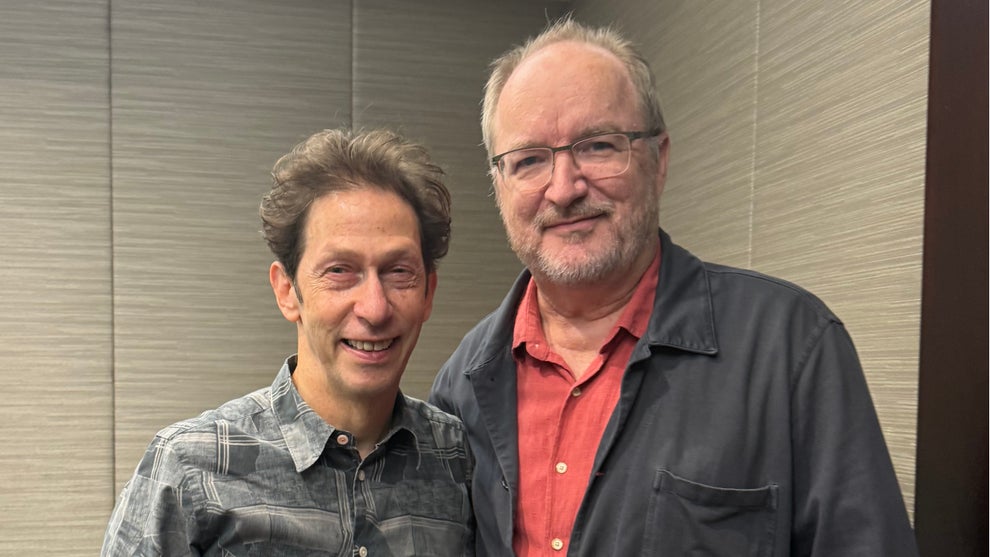
Over the course of his lengthy career, Tim Blake Nelson has seen it all. An actor, director, writer and producer whose latest film, “The Life and Deaths of Wilson Shedd,” is premiering at the 2026 Toronto International Film Festival, he’s seen the industry evolve dramatically over the decades. And although he’s continued to work through all of it, this hasn’t always been an easy undertaking — especially in independent film.
As part of the TIFF Market Summit on Saturday, TheWrap presented a Director Spotlight panel in which Nelson had a candid and wide-ranging conversation with TheWrap’s Executive Editor, Awards Steve Pond. In that conversation, Nelson said that while he sees slivers of improvement, the state of play for independent filmmakers looking to get their film off the ground is more challenging than he’s ever seen.
“We have hit a really bad moment for independent dramas. It has never been this bad,” Nelson said. “I think it’s getting better, however, so I don’t think the sky has fallen or is falling.”
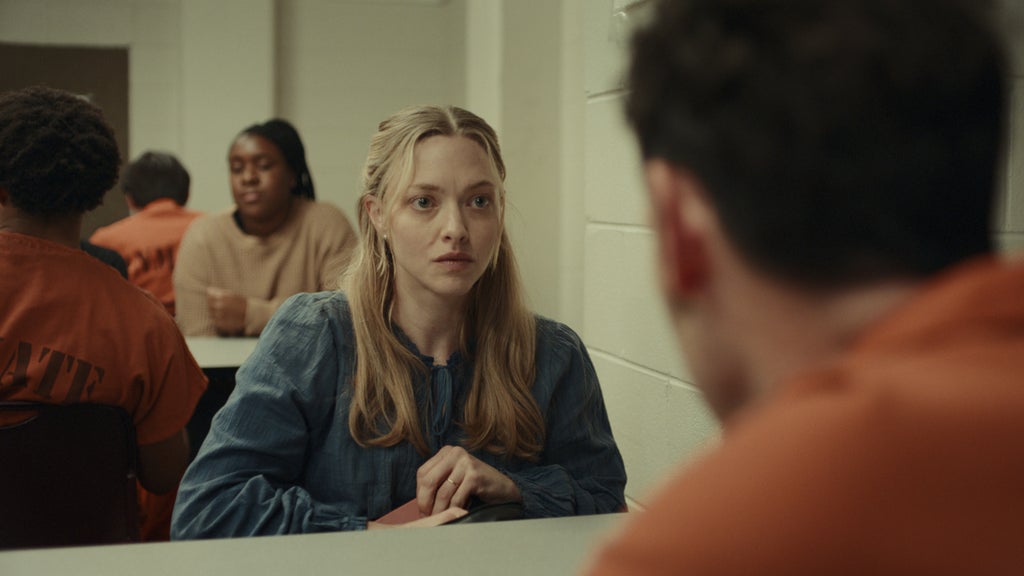
Indeed, it took Nelson 13 years to get his latest film off the ground. In “Wilson Shedd,” Scoot McNairy stars as the title character, a convicted murderer, and Amanda Seyfried plays a woman hired to teach writing to prison inmates.

“It took over a dozen years to get this movie made. I wrote the first draft in about 2013,” Nelson said, recalling how he’s been thinking about it since he was inspired by the story of a female prisoner worker who helped two prisoners escape, a real event that was covered in the Showtime miniseries “Escape at Dannemora.”
Nelson immediately wrote a script dramatizing the events and gave it to his producer. But writing a film and getting the necessary backing to get it off the ground is another story entirely.
“We couldn’t get any interest in it. Even back then, it was just brutal,” Nelson said. Though he packaged it with actors, it still was hard to get financing. “But I got lucky, because I persevered.”
That preserving meant having to contend with investors, of which there are less and less, and who are only likely to support something from a filmmaker who has had a hit in the past.
“We’re in a climate now where they really do, as an investor should, look at what your last movie did,” Nelson said. “You’re just competing for this very small number of buyers and a shrinking number of studios.”
Still, Nelson maintains a sense of humor about the experience and was open about how his new film was something that, despite the hopes of their investor, might not be the most commercial of films.
“The needle he wanted to thread was socially conscious, but commercial and, stupidly, he decided that our movie was that,” Nelson said with a laugh.
Nelson said he still has hope, pointing to filmmakers like Brady Corbet, Mona Fastvold, Zach Cregger and Ari Aster as being filmmakers who are still making work people will come out to see.
“The shrinkage in the market, I think and hope, has forced people making these sorts of movies to make stuff that you will never forget,” Blake said. “We’ve got to earn our audiences back, and damn it, there is a group of us, we’re going to do that.”
