It feels apt that “Alicia Keys: Girl From Hell’s Kitchen” premiered as the gala conclusion to the 2026 Tribeca Festival, because it’s constructed as a communal celebration. This is not a cinéma vérité invitation, but a meticulously assembled companion piece: to Keys’ Tony-winning Broadway musical “Hell’s Kitchen,” yes, but also to her extraordinary talent and career. As such, it’s more suited to fans who want to learn more about her journey than those who are hoping to get to know her in a more intimate setting.
Director One9 — whose documentary “Nas: Time Is Illmatic” premiered at Tribeca in 2014 — follows Keys’ lead, and her unerring poise allows us to admire her without ever getting too close.
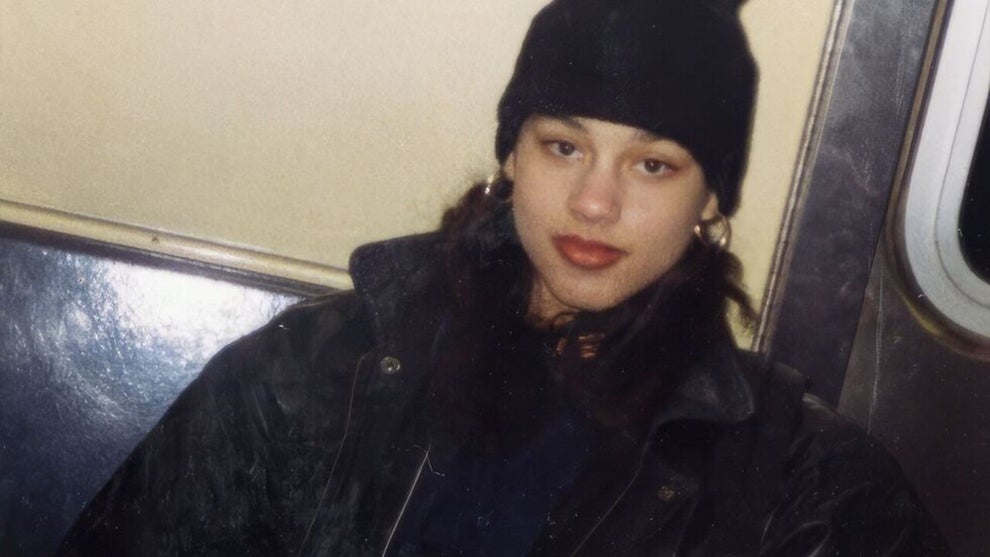
The centerpiece of the movie is the creation of her 2024 musical, which is based on her own early life. So we go back to her childhood and adolescence, where she was raised by a single mother in Manhattan Plaza, a collection of subsidized apartments designed, as she says, “to service artists.” Samuel L. Jackson worked as a security guard, Larry David did standup in the basement, and everyone from Angela Lansbury to James Earl Jones came through.

One9 does a great job bringing us back to another New York, through personal stories and vintage footage. We can see how rough it was around Hell’s Kitchen, but the city, as Keys notes, was also a thrilling place to grow up. It was in Manhattan Plaza that young Alicia Cook first took piano lessons, and prepared for guest appearances on “The Cosby Show,” and started a girl group called, appropriately, Ambition.
She swiftly discovered that she had more than enough ambition — and ability — to perform on her own.
Her narrated recollection of the life-changing moment she performed her debut single “Fallin’” on “Oprah” reflects the entire film’s approach: “As I took my seat at the piano and placed my hands on the keys, I inhaled deeply and began with Beethoven’s ‘Für Elise.’ With each passing measure, I could feel the stress exiting from my fingertips.”
This may indeed be exactly as she remembers it, but like the rest of the film it feels like a carefully composed story she wants to share with us, rather than a conversation we’re having together.
Nevertheless, when we see 20-year-old Alicia sing, our response is reflected in Oprah’s awed expression; it truly is electrifying, to watch this impossibly talented young woman sharing her gift. But then the clip ends before she’s even done, and that too echoes the movie’s structure: there should be more of these moments, and they should last much longer.
What we get, instead, are a great many glimpses: snapshots and scenes from a life that has been undeniably rare and remarkable — so much so, in fact, that we only wish we could see more.
