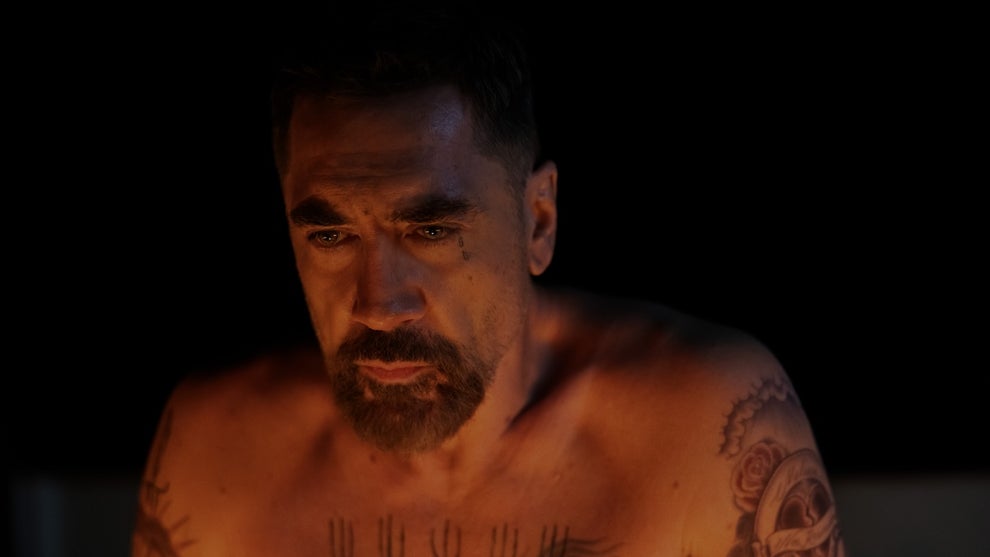
The 1991 “Cape Fear” film is a vibe. Not a good one, to be clear. It’s a manic episode of a movie, and that was director Martin Scorsese’s intention. A cinematic, stylized reflection of the chaos wrought by the relationship between a Southern lawyer and the serial rapist he put behind bars, who is suddenly released from prison with a grudge to settle. Nick Nolte played the lawyer, and Robert De Niro wrestled an Oscar nomination out of playing madman Max Cady.
The two followed in the footsteps of Gregory Peck and Robert Mitchum, respectively, both of whom appeared in the original 1962 adaptation of John D. MacDonald’s “The Executioners” and played supporting roles in 1991. Their original film, however, was more psychological than psychotic, sparing in its mania but famously graphic and grim for its time.
Both films inform each other as distinctive portraits of era-specific panics over what dangers faced the nuclear family in their respective times — Apple TV’s new adaptation is no different in that mission. But it does something smart from the jump: it blends the styles of its predecessors. Creator and executive producer Nick Antosca’s episodic take is both maniacal and psychological. Frenzied but heady. With extra time, it lives more deeply in that uncertainty of what exactly to fear in the world — for better or worse.
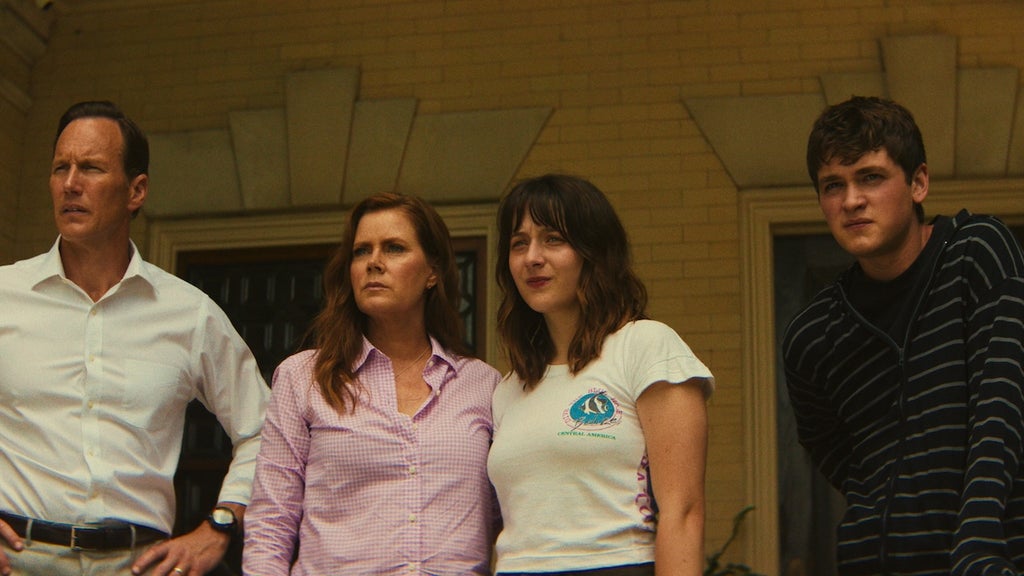
Right out of the gate, Antosca pays homage to his elders in this lineage. First, he retains Elmer Bernstein’s searing score from 1991, itself an adaptation of Bernard Herrmann’s 1962 orchestration. Those booming chords, filled with dread, linger over the action like an oppressive summer humidity, appropriate for its Southern setting. The premiere, directed by Oscar nominee Morten Tyldum, also deploys a nod to the heightened style of Scorsese’s version, with wild camera work that slowly spins and an alarming camera negative close-up on Bardem’s eyes. With those flourishes, Antosca is declaring his shot at this now-generational material, with the blessing of executive producers Scorsese and Steven Spielberg (also a producer in 1991). And he does them justice, especially when he shakes up the vicious cycle of male rage.
As Antosca’s madman, Javier Bardem plays Cady to deranged perfection, walking into this series with such ferocity that his presence is felt even when he is nowhere near the frame. Only this time he’s convicted (and now exonerated) of murder, not rape. In 2026, serial rape is a bridge too far if the series wants the audience to consider, even for a moment, that redemption is possible for Cady. Here, he is a recipient of the fictional Southern Justice Law Practice’s wrongful imprisonment advocacy and Antosca’s curiosity about what it means to question the villainy ascribed to someone. Did the system get it wrong? Is one of the most feared names in cinematic history, especially in De Niro’s hands, actually an innocent man who is just coincidentally terrifying?
The answer is almost certainly no, but by presenting this tricky new dynamic, Antosca has to take something away from the equation of the past. In this case, it’s the moral superiority of the two “heroes” in Cady’s story.
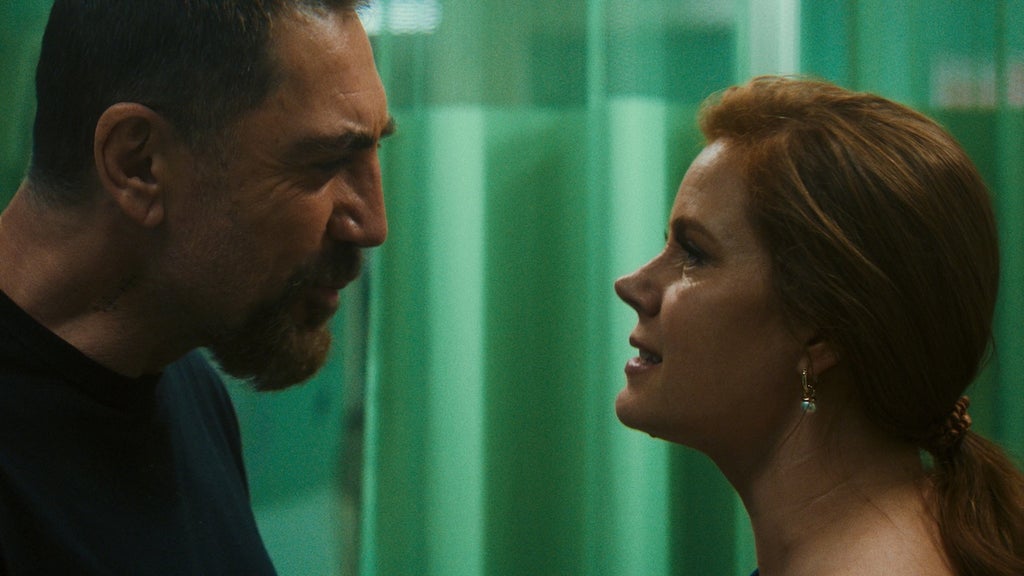
In the original renditions, the central force against Cady has always been the male lawyer who put him away — even though Jessica Lange and Polly Bergen were right there with barely anything to do. Here, Antosca gives the reins of that relationship to both Amy Adams and Patrick Wilson, as lawyers whose own origin story as a couple is rooted in Cady’s case, where they were opposing counsel. Something happened during that trial where Adams’ very pregnant Anna Bowden failed to keep her client out of prison. While she isn’t going to win that long-elusive Oscar for her accent work here, Adams’ inclusion as Cady’s main foil is fascinating because it upends the machismo dynamic that traditionally propels this story.
Unlike the paired-off men before them, Anna and Cady’s face-offs are fraught with tension of a different sort — sexual, violent, tempting, terrifying. They have a history the show will parse out with time, but even from the premiere, there is something intoxicatingly fresh about Cady maybe meeting his match in the type of woman too often only victimized or sidelined in this story.
Muddying up the pristine image of the Bowdens gives this series an intriguingly shaky foundation on which to build its 10 episodes. But that’s also what Antosca has that Scorsese, and J. Lee Thompson before him didn’t — more time. Both films flirted with the two-hour mark, but the series is 10 hour-long episodes. It gives Antosca time to soak in that dread and the implosion of the Bowdens, and the tormenting tactics of Cady. It certainly gives Adams and Wilson more to munch on as they writhe under the pressure of Cady’s reemergence.
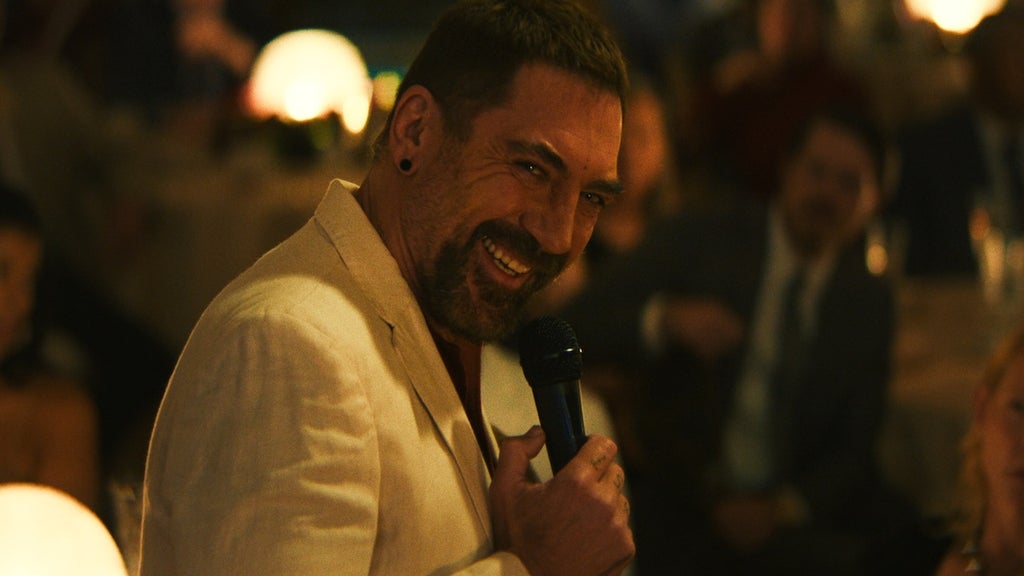
But it also gives way to the show’s vulnerability — this isn’t a story meant for 10 hours. Part of the anxiety-inducing effectiveness of “Cape Fear” is that it can’t stop once Cady is back in the Bowdens’ lives. It has to feel like he is everywhere, at all times. But with five times the canvas of the films, Antosca has to paint in side quests (a drug trip episode is the show’s weakest hour among the eight sent to critics) and literally expand the family to include not only the teen daughter, Natalie (Lily Collias), who has consistently been put in peril in the previous two takes; but also now a son, Zack (Joe Anders), who takes even more emotional square footage in the Bowden’s fragile home life. They pale in comparison to the show’s leads, but the runtime’s reliance on them nevertheless kneecaps its momentum.
Troubled, or at least misguided, teenagers also give the Bowdens more fires to extinguish as Cady’s influence on their lives takes root, but it ultimately isn’t necessary. Bardem is giving a masterclass in re-interpretating a classic like Cady. The sociopathic tendencies of this man are a feast for Bardem to exploit, savor and, ultimately, weaponize, and if these 10 hours are good for anything, it’s to give him time to go nuts — literally.
“Cape Fear” premieres Friday on Apple TV.
