
Paramount+‘s September arrivals include the 2015 blockbuster that cemented “Sinners” director Ryan Coogler as one of the most exciting artistic voices of his generation. An oft-forgotten, underrated 2010 psychological thriller from Martin Scorsese has also landed on the streaming platform this month, as has a 2014 sci-fi blockbuster gives Tom Cruise the rare chance to test the limits of his usual action hero persona. On top of those films, Paramount+ has added one of “The Odyssey” director Christopher Nolan’s best films to its service this month as well.
Here are the seven best movies on Paramount+ that are new to the streaming service in September.
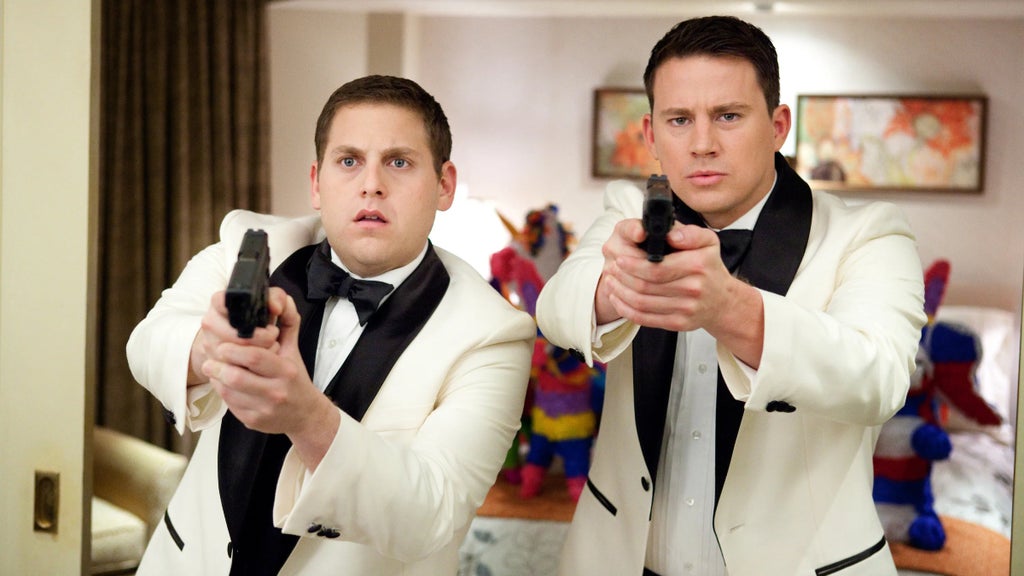
“21 Jump Street” (2012)
2012’s “21 Jump Street” is one of the 21st century’s most unexpectedly successful IP plays. Directors Phil Lord and Chris Miller’s film adaptation of the popular late 1980s television series of the same name follows a pair of police officers (Channing Tatum and Jonah Hill) who are forced to go undercover as high school students in order to investigate the source of a new synthetic drug sweeping the market.
Once they assume their new roles, the two adults quickly discover that the rules of high school have drastically changed since they were students. Absurd, adrenalized and overflowing with memorable gags, “21 Jump Street” remains one of the best studio comedies of the 2010s and one of Hollywood’s few attempts to cash in on an obscure piece of intellectual property that actually ends up working far better than it should.
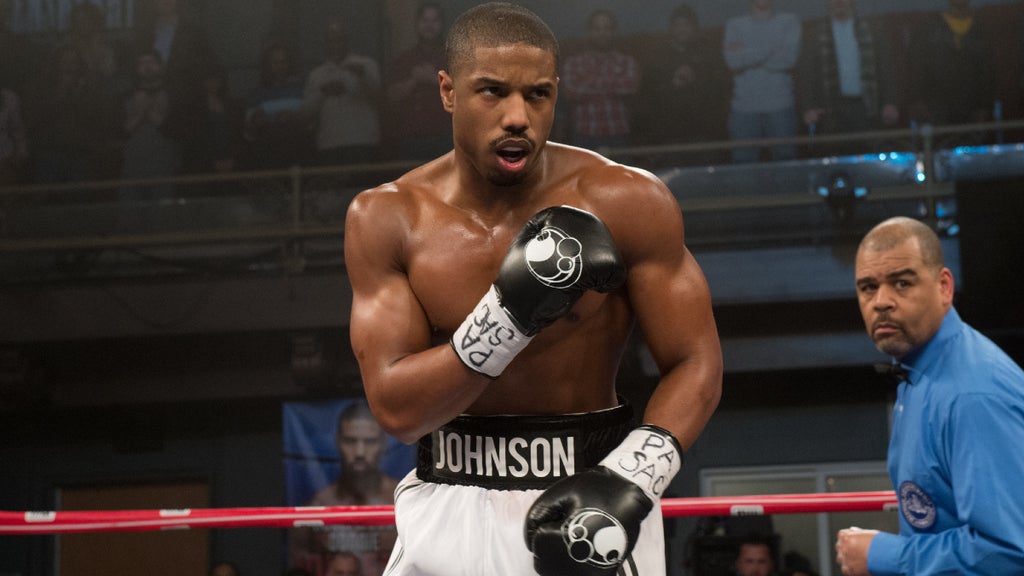
“Creed” (2015)
Speaking of franchise plays that defied all expectations: 2015’s “Creed.” Writer-director Ryan Coogler‘s blockbuster follow-up to his breakout independent hit “Fruitvale Station” revives the “Rocky” franchise by shifting its perspective to that of Adonis Creed (Michael B. Jordan), the up-and-coming, ambitious son of Carl Weathers’ Apollo. Coogler’s film follows Adonis as he relocates to Philadelphia and begins training with his late father’s old friend, Rocky Balboa (Sylvester Stallone).
Along the way, not only does Coogler mine the best performance of Stallone’s career out of the “Rocky” actor but he also turns “Creed” into one of the most rousing, thrilling and moving sequels of the last 30 years. It is a complete achievement and was an early sign that Coogler had it in him to emerge as exactly the kind of culture-shaping Hollywood artist he has since become.
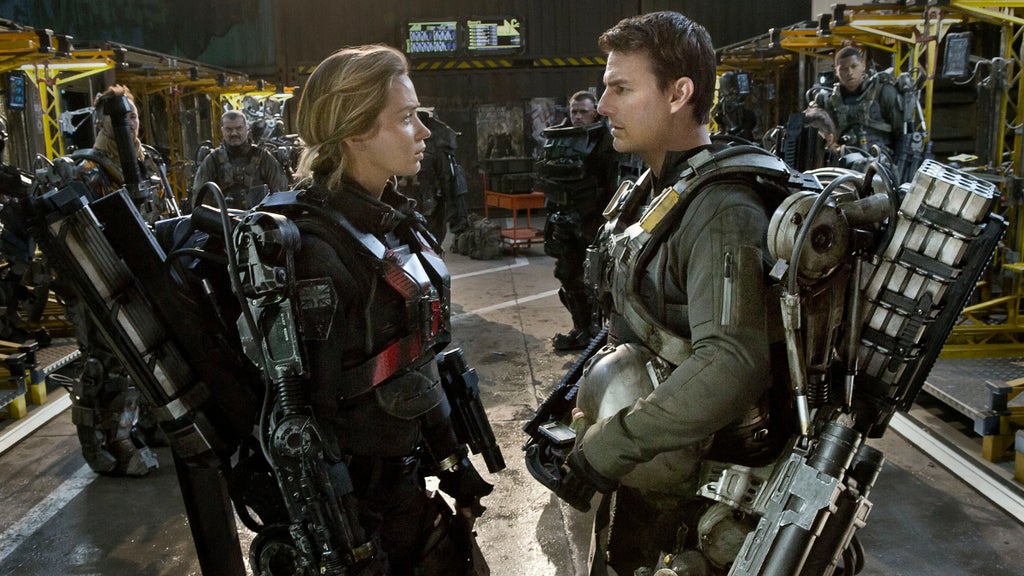
“Edge of Tomorrow” (2014)
“Edge of Tomorrow” is a sci-fi blockbuster that gets just about everything right. Directed by Doug Liman and co-written by Jez Butterworth, John-Henry Butterworth and “Mission: Impossible – Rogue Nation” filmmaker Christopher McQuarrie, this 2014 adaptation of Japanese author Hiroshi Sakurazaka’s “All You Need Is Kill” follows a disgraced American major (Tom Cruise) who is sent to the front lines of a deadly battle against Earth’s alien invaders only to find himself caught in a time loop that resets every time he dies.
Giving Cruise the rare chance to play both cowardly and heroic, “Edge of Tomorrow” finds magic in its star’s big-screen pairing with co-star Emily Blunt, who steals the show as war hero Rita Vrataski. Punctuated by action-packed blockbuster sequences, “Edge of Tomorrow” fills its 113-minute runtime with enough sci-fi ingenuity, endearing humor and unexpected, affecting romance to make the whole thing well worth the price of admission.
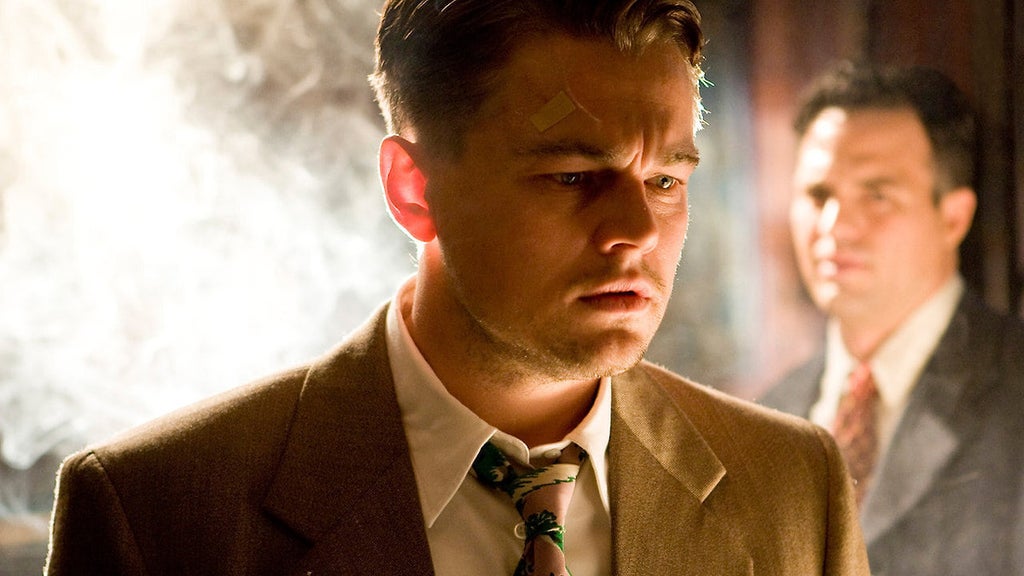
“Shutter Island” (2010)
Director Martin Scorsese’s “Shutter Island” is an unnerving, deeply immersive psychological thriller. Based on Dennis Lehane’s 2003 novel of the same name, the film follows a Deputy U.S. Marshal (Leonardo DiCaprio) and his partner (Mark Ruffalo) as they travel to a fictional island off the Boston coast to investigate the conditions of its criminal psychiatric facility after one of the institution’s patients mysteriously goes missing.

Featuring one of the most underrated performances of DiCaprio’s career and a haunting third act that will make you want to watch the film all over again, “Shutter Island” is a movie made by a director who is in total tonal and narrative control at every turn. Unflinchingly dark, “Shutter Island” casts a quiet spell that proves difficult to shake yourself free from even after it is over.
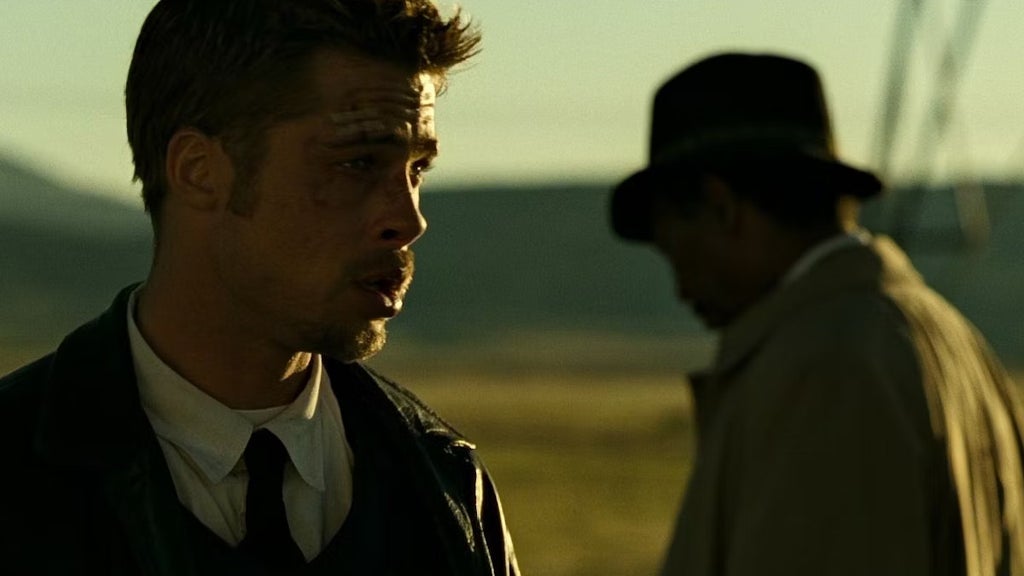
“Seven” (1995)
1995’s “Seven,” Brad Pitt and director David Fincher’s first collaboration together, remains one of the best films either has made. Written by Andrew Kevin Walker, this iconic crime thriller follows a disillusioned police detective (Morgan Freeman) on the verge of retirement who, along with his brash, young new partner (Pitt), embarks on a hunt for a serial killer whose victims have been killed in ways designed to reflect the seven deadly sins.
One of the darkest mainstream films that Hollywood has ever produced, “Seven” is unflinching, shocking, frequently terrifying and yet, like all of Fincher’s best films, surprisingly entertaining and watchable. Fincher’s follow-up to the compromised “Alien 3,” “Seven” was the first, true announcement of the talent and uncompromising vision that he has demonstrated time and time again over the last 30 years.

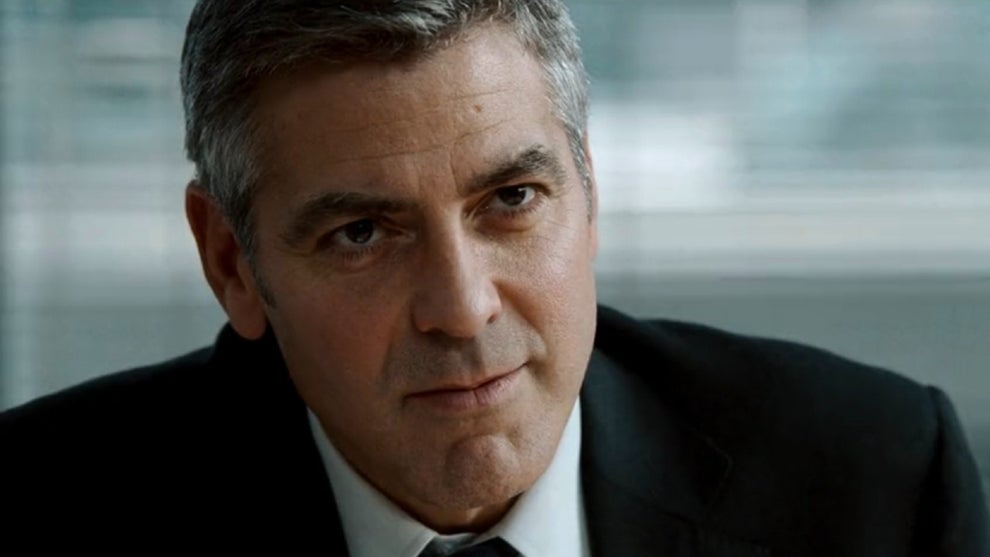
“Up in the Air” (2009)
Director Jason Reitman’s “Up in the Air” is a fast-talking, slick dramedy about seeing through the illusory comfort of corporate America. Based on Walter Kirn’s 2001 novel of the same name, Reitman’s film follows a charming, coldly disconnected corporate downsizer (George Clooney) as his perception of himself and his career are shaken by his involuntary partnership with a younger trainee (Anna Kendrick) and his romance with a fellow frequent flier (Vera Farmiga).
Like 2007’s “Michael Clayton,” Reitman’s film twists Clooney’s reliably charming screen persona just enough to reveal new shades of the actor onscreen. In doing so, he not only mines one of Clooney’s best performances out of him but also manages to tap into the dissatisfied ache lurking beneath the surface of “Up in the Air’s” story. The fact that the film still feels unfortunately timely is just a further testament to how much it gets right.

“Dunkirk” (2017)
2017’s “Dunkirk” is one of the leanest and meanest films director Christopher Nolan has ever made. It is also one of his best. A World War II epic that depicts the Dunkirk evacuation from the land, sea and air, Nolan’s tightly wound nail-biter collapses time to create a propulsive, gripping exploration of finding the victory in even the most heartbreaking of defeats.
Full of some of the most breathtaking images that Nolan and cinematographer Hoyte van Hoytema have ever produced together, “Dunkirk” is Nolan at his most sparse, assaultive and free. Rarely has he seemed less interested in explaining himself, and the result is a film that lets its images speak for themselves.
