
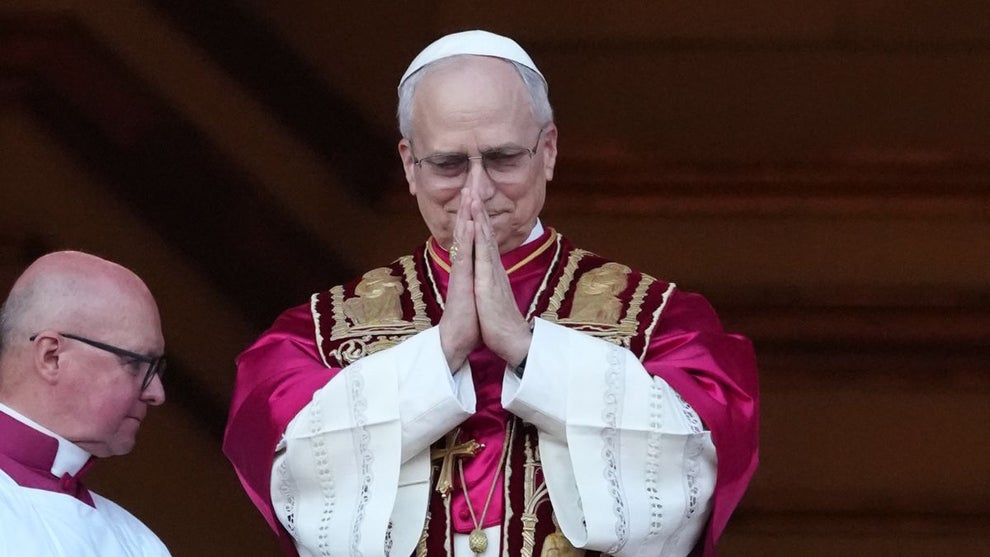
The Pope tweeted out a number of anti-AI statements Friday morning, including a warning that the boundary-pushing technology poses the threat of weakening “personal creativity and judgment.”
“AI can be a valuable tool and, at the same time, it calls for a measured and vigilant approach,” the Pope wrote Friday from his official X account. “The speed and simplicity with which practical assistance can be accessed undoubtedly makes life easier. Yet they can also encourage excessive reliance and the search for ready-made answers, and weaken personal creativity and judgment.”
“The apparent objectivity of the responses these systems provide can lead us to overlook the fact that they reflect the cultural assumptions of those who designed and trained them,” the Chicago-born religious figure added, echoing the concerns of many anti-AI advocates worried about the influence that AI creators’ personal beliefs have on the systems themselves.
“The artificial imitation of positive human communication — words of advice, empathy, friendship and even love — can be engaging,” Pope Leo acknowledged in a third tweet, adding, “However, it can be misleading, creating the illusion of a relationship with a real personal subject. In contexts where real relationships and emotional bonds are lacking, the danger is that a person may lose the desire to form genuine human connections.”
#AI can be a valuable tool and, at the same time, it calls for a measured and vigilant approach. The speed and simplicity with which practical assistance can be accessed undoubtedly makes life easier. Yet they can also encourage excessive reliance and the search for ready-made…
— Pope Leo XIV (@Pontifex) May 29, 2026
The Pope’s tweets come just a few days after he published a 42,300-word open letter sounding the alarm about the dangers of Artificial Intelligence. In that letter, the Pope wrote of the technology that it is “necessary to establish adequate regulatory tools capable of upholding justice and curbing the distorting effects of technological power.”
The letter called, among other things, for the government regulation of private AI companies, the protection and retraining of workers whose jobs are being threatened by the growing technology and the education of young students to ensure they use it responsibly and constructively. The Pope’s letter also argued for the importance of protecting children better from AI-generated violent, hyper-sexualized content and fake information.

The letter was presented by the Pope in collaboration with Anthropic co-founder Christopher Olah, who said that AI developers need to seek out collaborations between “those of us who are building this and those who can see what we, from inside, cannot.”
In addition to the Pope’s open letter earlier this week, the Vatican has created a commission designed to discuss the challenges posed by AI. The Pope’s recent comments, meanwhile, come at a time when President Trump and others within his administration are considering a potential executive order on AI regulation.
Artificial intelligences do not undergo experiences, do not possess a body, do not feel joy or pain, do not mature through relationships, and do not know from within what love, work, friendship or responsibility mean. Nor do they have a moral conscience, since they do not judge…
— Pope Leo XIV (@Pontifex) May 29, 2026
“Artificial intelligences do not undergo experiences, do not possess a body, do not feel joy or pain, do not mature through relationships, and do not know from within what love, work, friendship or responsibility mean,” the Pope wrote in a fourth tweet on the subject Friday. “Nor do they have a moral conscience, since they do not judge good and evil, grasp the ultimate meaning of situations, or bear responsibility for consequences.”
“They may imitate or even simulate,” the tweet concluded. “But they do not understand what they produce, for they lack the affective, relational, and spiritual perspective through which human beings grow in wisdom.”
