Emmy voting begins this Thursday, but there’s one big thing missing for people looking to figure out what might happen when Television Academy members cast their ballots.
Where are all the precursor awards to provide guidance?
Historically, there haven’t been any – or, at least, none that provided much help. That’s one big difference between the Emmys and the Oscars, which have fundamentally different trajectories.
The Oscars arrive in February or March at the end of a four-month blitz of trophy-giving that begins with the Gotham Awards and continues with the Golden Globes, the Critics Choice Awards, the four major guild ceremonies — Directors Guild, Producers Guild, Writers Guild and Actor Awards (formerly SAG Awards) — and more than a dozen other guild or professional ceremonies.
The other shows are stops along the road to Oscar, giving us a sense of what has momentum as Academy Award voters consider their choices. (That’s why TheWrap’s Awards Tracker was able to accurately predict most of the major races this past Oscar season.)

The Emmys, on the other hand, don’t take place until September, long after that string of kudos-fests has ended. All the precursor ceremonies that provide valuable intel during Oscar season can’t tell us much about what might happen at the next Emmys; they’re hamstrung by different eligibility periods and by the long gap that renders the idea of momentum essentially meaningless.
Looking at recent trends, though, you can flip the deck and use the Emmys as a precursor to everything else. Over the previous three years of awards shows, the big winners in the Outstanding Drama Series, Outstanding Comedy Series and Outstanding Limited or Anthology Series categories at the Emmys each September have pretty much rolled through every subsequent ceremony in January, February and March, picking up one award after another.
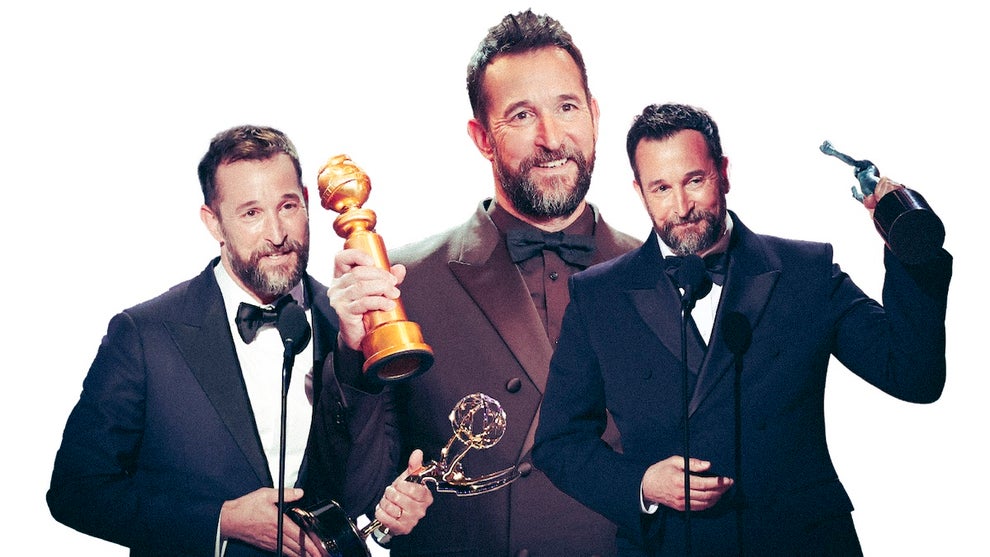
Last year, for instance, “The Pitt,” “The Studio” and “Adolescence” won in those categories at the Emmys. The first two went on to do the same at the Golden Globes, Critics Choice, DGA, PGA, WGA and Actor Awards, while “Adolescence” missed out at WGA and DGA but won everything else. In 2024, “Shōgun,” “Hacks” and “Baby Reindeer” ran the table. The year before that, it was “Succession,” “The Bear” and “Beef.”
Overall, in the six major awards shows that followed the Emmys in 2023, 2024 and 2025, voters rubber-stamped the Emmy winners in 44 of the 51 main TV categories. That remarkable 86% matching rate seemingly came out of nowhere — because if you go back to the three years before that, 2020 to 2022, only nine of those same 51 categories went to the Emmy winners, a paltry 18% success rate.

What happened? Why did voters suddenly stop coming up with alternatives to the Emmy champs and instead go along with the Television Academy every chance they got? Partly, it could be the sheer volume of content that qualifies for TV awards, burying January and February voters beneath so many shows that it’s easier to go along with the consensus that is established in September.
Additionally, it may be due to Emmy scheduling. While the Oscars and other awards shows operate in a calendar-year eligibility period, the Television Academy uses a June-through-May year. In the past, that meant that shows that came out in the second half of the year were eligible for the other awards before they were eligible for Emmys, with “The Queen’s Gambit” and “The Crown” among the programs that won Globes and guild prizes prior to their success at the Emmys.
Golden Globe voters, in fact, were notoriously fond of showering TV shows with statuettes before the Emmys could get to them. But the last time the Globes honored a drama series with its top prize before the Emmys did was “The Crown” in 2020, and the last time they beat the Emmys to a comedy series was “Hacks” in 2021.
In recent years, it seems networks and streamers have increasingly saved their top contenders for the spring. Who needs to pretend that the TV season still begins in September when you can wait a few months and make your new shows fresher in the minds of Emmy voters as they cast ballots in June?
At any rate, the six-month stretch of voters marching in lockstep after the Emmys changes the complexion of the season. The smaller ceremonies aren’t giving us any tea leaves to read; instead, Emmy voters are giving those shows a blueprint. For the Oscars, all those other events are precursors and predictors; for the Emmys, they’ve become slavish followers.

P.S. For the past three years, there has been one true precursor award to the Emmys, created when the Gotham Film & Media Institute spun off the TV categories of its annual Gotham Awards into a separate ceremony that takes place in June.
In 2024, the big Gotham winners were “Colin From Accounts,” “Mr. & Mrs. Smith” and “Baby Reindeer,” with the last of those shows going on to enjoy Emmy success but the first two being largely overlooked by Television Academy voters. Last year, though, the Gothams became the first awards show to honor “The Studio,” “The Pitt” and “Adolescence,” the trio that became inescapable through the Emmys and beyond.
Maybe that’s good news for this year’s Gotham winners: “I Love LA” for Breakthrough Comedy Series, “Pluribus” for Breakthrough Drama Series and “DTF St. Louis” for Outstanding Limited or Anthology Series. Or maybe it’s a mirage. At the Emmys, it’s always hard to tell.
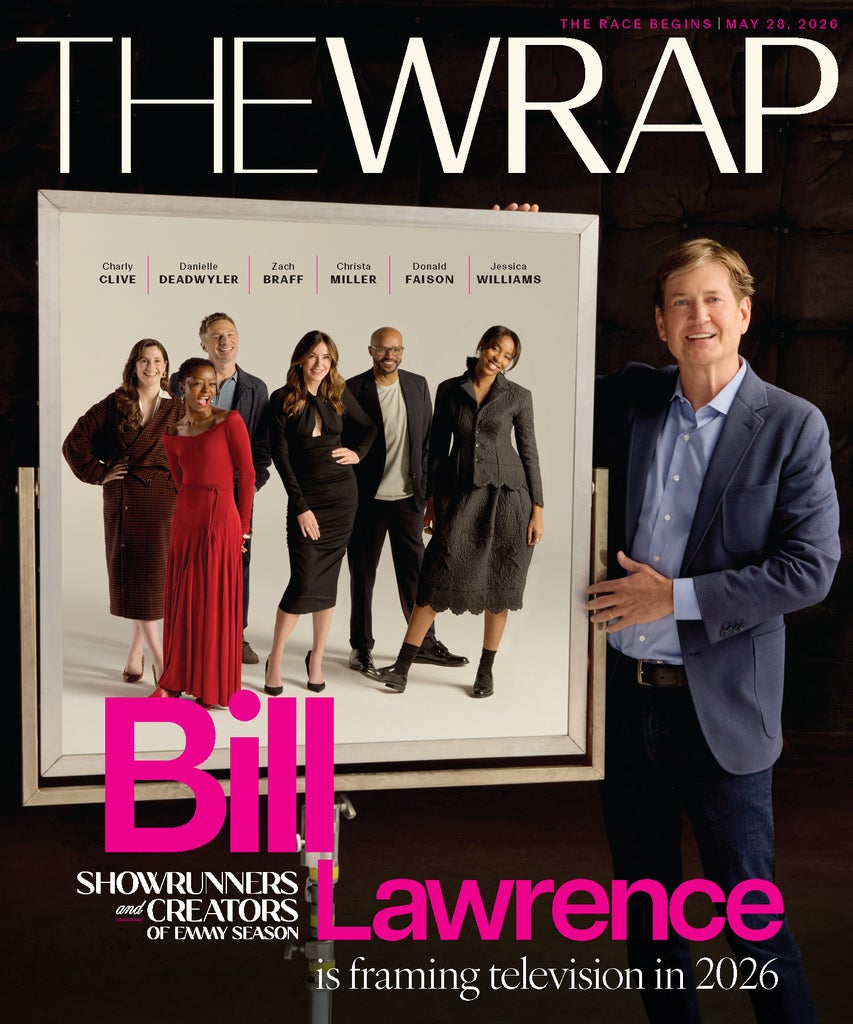
A version of this story first appeared in the Race Begins issue of TheWrap’s awards magazine. Read more from the issue here.