Work on the four-part Netflix docuseries “Sean Combs: The Reckoning” began well before the hip-hop mogul’s federal indictment in 2024. Rapper Curtis “50 Cent” Jackson started looking into sexual-misconduct allegations against Combs the previous year, when Cassie Ventura sued her ex-partner for what she described as “abuse, violence and sex trafficking.”
Jackson hired documentary filmmaker Alexandria Stapleton (“Hello, Privilege. It’s Me, Chelsea”) to lead the project. Using archival footage, interviews with former members of Combs’ inner circle and behind-the-scenes material shot by a third-party videographer before his arrest, Stapleton crafted a compelling narrative tracking the making and downfall of Diddy.
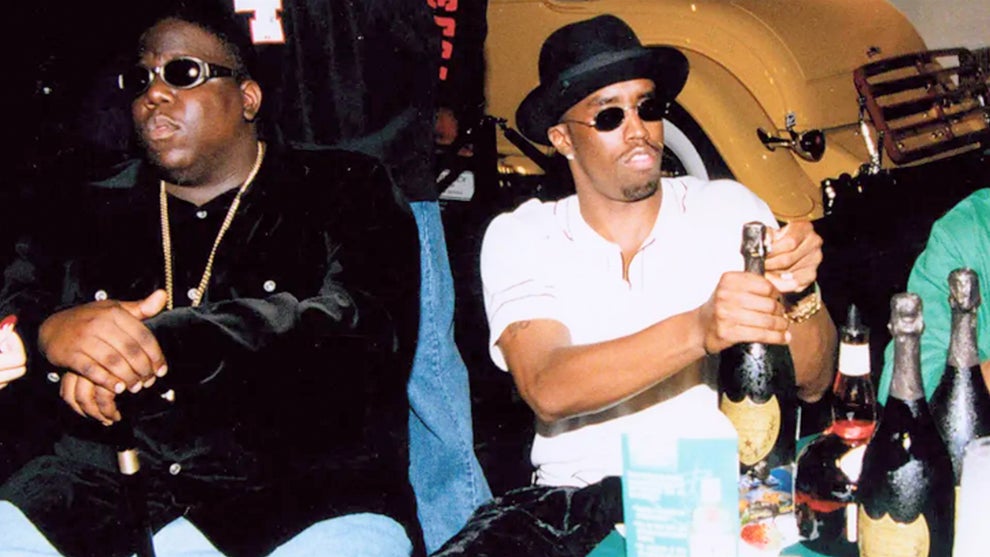
She also sat down with members of law enforcement, who recalled Combs’ tumultuous relationship with rappers Tupac Shakur and Christopher “Biggie” Wallace, and jurors from the federal trial. Though acquitted on charges of racketeering and sex trafficking, Combs was found guilty on two counts of transportation for prostitution and sentenced to 50 months in prison.
When did you start working on this docuseries?
ALEXANDRIA STAPLETON What started the whole process was the day that Cassie filed her lawsuit. I grew up in the ’90s with Biggie and Bad Boy as a soundtrack to my late teenage years. There were rumors about Sean Combs, but my jaw was on the floor with the allegations that Cassie brought forward. Some of the details were deeply disturbing.
It felt like there’s a whole world here that this man is running. This ecosystem is so wildly different from the public persona all of us were introduced to. I was pretty committed from day one that I wanted this to be the next thing I put out. That led to 50 Cent and me partnering up and partnering with Netflix. I wanted to get into his origin story. Everyone was pretty focused on the salacious details of things that were coming out in these lawsuits, but to me, I wanted to know why. How do you even get to a place where these kinds of things can be possible?

I’m curious about what it was like to work with 50 Cent. He has industry connections and interests, whereas you’re coming at this as a documentary filmmaker. How did you negotiate that relationship? Did you have to set any boundaries?
The partnership with 50 and the conversations with 50 weren’t really centered on his opinions or his personal run-ins with Sean Combs. The idea of partnering with 50 and us working together was way more rooted in him lending his name to this project so that people understood that it was going to be authentic and it was going to be told by people of the culture. For us, by us. There were so many people who felt safe to talk to me because 50 was a part of it.
I was struck by how many people were willing to come forward and speak with you on camera. How did you land people who have been in Combs’ circles?
It was a very challenging journey. We started before there was even an indictment, so no one knew that he was going to go to jail and that there was going to be a trial. It was a really wild period because people were really afraid. But as it was getting more traction in the news, people realized there’s safety in numbers. They started to raise their hands and reveal their own personal stories.
There were a few people on my list who were OGs, people about whom I felt, “Gosh, this would really be a holy-grail interview to get because they would be able to arc Sean’s journey and describe him before the fame.” One of those was Tim “Dawg” (Patterson, a producer on numerous Bad Boy Entertainment records) and the other was (Bad Boy co-founder) Kirk Burrowes.
The other thing with trust was allowing them to talk about the good times. That was also really important. In building a story like this, it’s challenging to talk about sexual assault and violence and people who’ve lost all of their money and their center. I feel like, even for Sean, for people to understand the downfall, you have to build up the good. The emotion of losing it all.
Can you tell me about obtaining the footage we see of Combs as he awaits his federal trial?
We were already editing. I didn’t build the doc based on getting that tape; the doc would have come out no matter what. The footage became something that backed up a lot of what people were saying. Sean was proving the point that so many others had made about him, even with just his personality. For me, as a filmmaker, I always wanted an interview with him. It sort of felt like, “Wow, I got my interview with Sean.” It showed you what his priorities were.
Are you able to share how you wound up with the footage?
[Shakes head]
Okay, understood. Just wanted to make sure I asked.
It’s interesting that everyone is so curious about where we got it. Beyond the fact that it was obtained legally, which is important to say and to stress, I just continue to feel like the footage itself—when the film first came out, I was like, “I wish more people were talking about what’s in this footage than how we got it, because that’s the ‘A’ story.”
I’d like to talk a little bit about what didn’t make it in. Combs’ relationship with Kim Porter does figure in a bit, and we see his eldest son, but we don’t really see much of his other children with her. Was that a narrative decision or a legal decision?
The relationship between Sean Combs and Kim Porter is complicated, to say the least. It was definitely something I pursued very seriously and wanted to dig into more. There were a lot of accusations made, but there’s a different bar legally of what I’m able to put in. I don’t think it’s fair to recklessly throw allegations out there, even if you legally can, without corroborating that story. Kim Porter was a mother. Her youngest kids just recently graduated from high school. I have great empathy for that, and empathy for the fact that their father is currently incarcerated. I have my own opinions and knowledge of things, but I think that’s a part of the story where there might be more to unravel as time goes on.
This story first ran in the Race Begins issue of TheWrap’s awards magazine. Read more from the issue here.