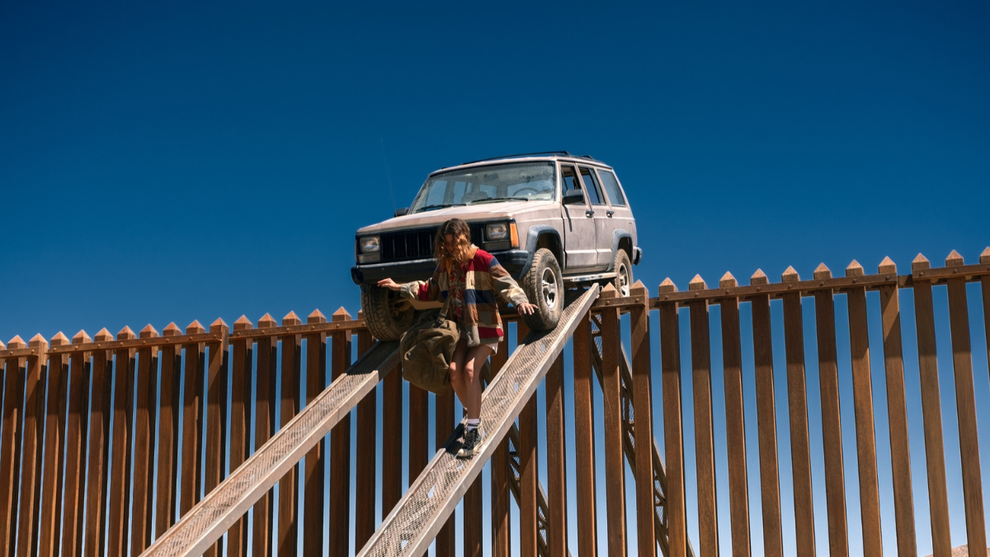
The third and final season of “Euphoria” is almost unrecognizable. It kicks off with Rue Bennett (Zendaya) attempting to drive an SUV over the border wall between Mexican and the United States, using a shoddily crafted ramp that viewers can see in a wide shot of Rue, looking as tiny as a toy figurine, rocking the vehicle back and forth over the top of the fence.
The lighting is conventional, the colors rich on film but in line with what you would see in real life. This isn’t the same “Euphoria” that made waves upon its premiere nearly a decade ago for unconventional cinematography full of pink, purple and blue expressionist lighting that conveyed its teenage protagonists’ inner worlds. The buzzy HBO series, which back then favored tight close-ups of the characters’ glittery faces, now chooses to tell its stories from much farther away.

All the Songs in 'Euphoria' Season 3
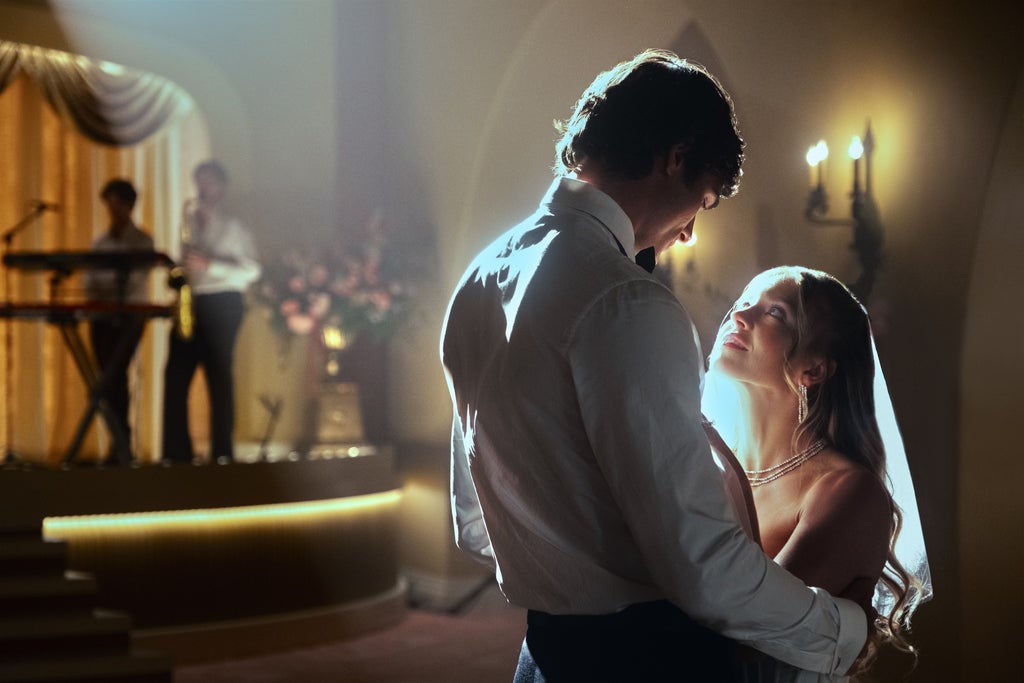
“We’re leaving high school and wanted to explore what the wider world looked like,” said Sam Levinson, the series creator. “There’s a heavy influence of Old Hollywood this season. It’s epic landscapes and the idea that they’re in the Wild West, that they’re small in frame, that we’re not as subjective from a storytelling perspective as we were in Seasons 1 and 2.”
Levinson and cinematographer Marcell Rév originally set out to make a show that looked like how Gen Z teenagers imagined themselves, rather than how they appeared from the outside. In Season 3, which is set five years after we last saw the characters, they face the harsh realities of adult life.
Rue, whose drug addiction serves as the basis for the provocative storytelling, pays off a debt by smuggling narcotics across the border. Maddy (Alexa Demie) tires of being overlooked as a Hollywood assistant, desperate to achieve the happiness seemingly projected by engaged couple Nate (Jacob Elordi) and Cassie (Sydney Sweeney).
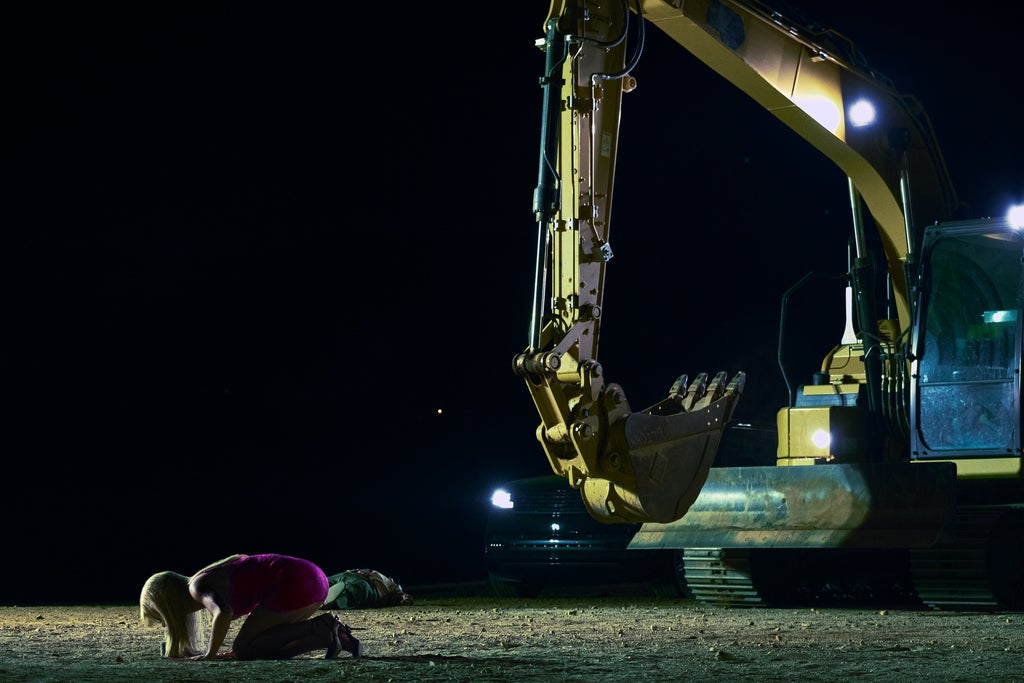
Seasons 2 and 3 were captured on film, ditching the trademark haze that was manufactured to soften the first season’s digital edges. This time around, according to Rév, the team wanted to shoot in 35mm anamorphic, which involves the intentional distortion of an image to give it an expanded look. But they ended up working more and more in large-format 65mm.
“It renders the spaces in such an epic way,” Rév said of fusing the two approaches. He and Levinson fought for their creative vision.
The “trap of television,” according to the creator, “is that if something works, everyone around you fights to keep it the same. I remember having long conversations with HBO in between seasons where they would say, ‘Well, why are you changing it? It worked the first season.’ What I appreciate so much about working with Marcell is that we both have a desire and an instinct to evolve.”
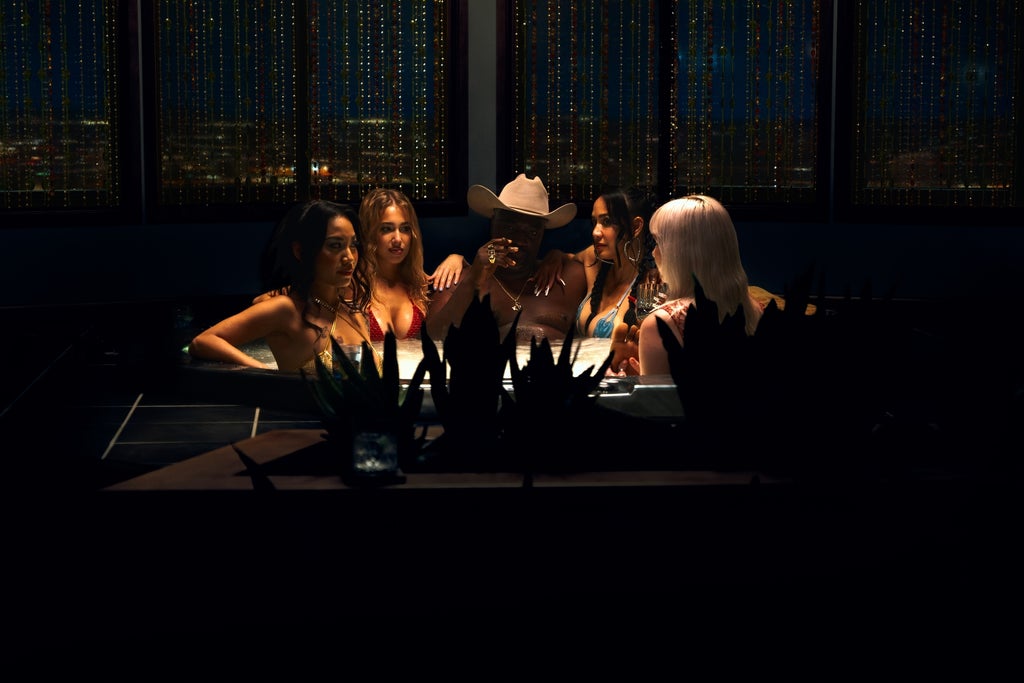
As several characters accept jobs as (or adjacent to) sex workers this season, we follow them into a strip club run by antagonist Alamo Brown (Adewale Akinnuoye-Agbaje). The camera does a substantial amount of ogling, tracing the women’s curves to set a sensual mood, which heightens the effect of more harrowing club scenes.
At one point, for instance, a new dancer named Kitty (Anna Van Patten) reapplies her makeup in the harsh fluorescent lighting of the club bathroom after being sexually assaulted by rowdy patrons. Rév shot on a film stock that “works well with those daylight-balanced tubes and the colors of the wall” built on a soundstage, he said. “You can’t use [that film stock] with the other lighting in the club.”

These emotional moments are spliced between Rue’s extravagant adventures, which culminate in a nearly two-hour series finale in which the beloved character meets a tragic fate.
Her abilities as an actress helped shape the cinematography: “Zendaya is such a naturally gifted physical performer,” Levinson said, noting that her willingness to go all out allowed the season’s opening scene to resemble “Buster Keaton meets ‘Jurassic Park.’” The border-wall sequence was one of the most difficult to accomplish, given the logistics of shooting at 15 to 20 feet in the air. The crew built a five-foot replica for close-up shots, per Rév, but the rest remained a tall order.
“I’m really proud of this season,” Levinson said. “We set out to do something that felt grand and operatic, and I think we pulled it off in a really emotional and nuanced way.”
This story first ran in the Drama Series issue of TheWrap’s awards magazine. Read more from the issue here.