
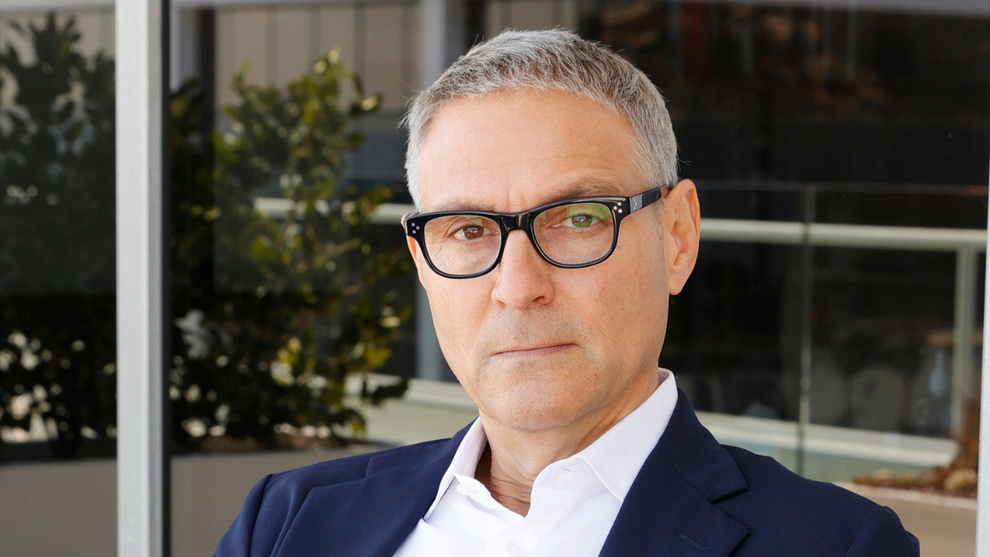
WME Group Executive Chairman and TKO Group Holdings CEO Ari Emanuel is urging a group of 12 state attorneys general to drop their antitrust lawsuit against the pending $110 billion Paramount-Warner Bros. Discovery merger.
In a new op-ed with the Wall Street Journal, Emanuel argued that states’ effort is “threatening to destroy” competition in the entertainment industry. He noted that their “trash” antitrust case “doesn’t remotely reflect reality” by ignoring some of the fastest-growing competitors in the theatrical market, such as Amazon, A24, Lionsgate and Netflix, as well as the competition Paramount faces from other streamers, YouTube, video games and “everything else on a screen.”
“The attorneys general don’t get to ignore the platforms that compete every day for audiences, talent, capital and content just because it makes their case harder,” he wrote. “Believe me, as somebody who’s in those rooms, every green light, marketing budget and release date is decided against the reality of that broadly competitive environment. In the face of these pressures, Paramount has strong incentives to invest in theatrical releases to keep its own streaming platform attractive to customers who can unsubscribe with a click.”
He also argued that state AGs’ argument that the combined entity’s cable networks is “absurd in a world of fast-shrinking cable subscriptions and the rise of streaming, which has transformed both consumer behavior and the bargaining environment.”

Additionally, he said that a 27% share of feature film box office by itself doesn’t establish that the merger will substantially lessen competition and pointed to David Ellison’s commitment to at least 30 theatrical releases a year with a minimum 45-day exclusive theatrical window.
“That kind of multibillion-dollar commitment isn’t something a company does if it intends to exert market power over suppliers or distributors,” Emanuel added. “That’s why regulators around the world, including the notoriously strict European Commission, have cleared the deal.”
He went on to argue that state AGs’ lawsuit is already harming Paramount by forcing them to pour their investment into legal fees rather than productions, including a 25 cent per share ticking fee that would be “enriching hedge funds, not creatives” if triggered on Oct. 1.
“Warner Bros. Discovery ended 2025 with $29 billion in net debt and declining revenue. Does anyone believe it will be able to invest in films and television? More to the point, does anyone believe it wouldn’t sell its key assets to companies that aren’t committed to theatrical exhibition?” he said. “Paramount can likely remain a competitor on its own thanks to David Ellison’s passion for filmmaking. But it will be a smaller company, without the ability to scale Paramount+, which means it can’t spread the cost of content across a larger audience and commission the additional films and series that a global platform requires.”
“I want to take Mr. Bonta at his word when he says he is defending California’s creative community. But that goal isn’t served by decimating one company and hobbling the other,” he continued. “Countless writers, directors, actors, crews, theater owners and others will be worse off for it.”
Emanuel concluded the op-ed by highlighting the “passionate concerns about CNN” and the politics surrounding the transaction. He said “antitrust law can’t be a tool for settling arguments, whether wielded by a Democrat or Republican” and that the issues should be “debated directly and on their own merits.”
“When government officials manipulate markets to reach political outcomes, antitrust stops protecting competition and starts threatening it. The attorneys general should drop this case and get back to enforcing the laws as they are written,” he concluded. “Let Hollywood creatives get back to trying to rip each other’s heads off at the box office, in streaming, online and everywhere else we compete. It’s what we’re best at.”
Neither Emanuel nor the Wall Street Journal clarify the businessman’s professional ties to Ellison’s Paramount. Specifically, TKO Group Holdings, where Emanuel serves as CEO, oversaw the UFC’s signing of a massive, multi-billion-dollar media rights agreement with Paramount. Additionally, Emanuel’s agency represents a number of talented individuals that regularly sell projects to the studio.

Emanuel’s comments come as Paramount has agreed to delay the closing of its merger until five days after the outcome of a trial or June 1, 2027, whichever is earliest.
The move followed state AGs securing a court order for a temporary, 28-day restraining order to block the deal. Judge Araceli Martínez-Olguín ruled that the states presented “compelling evidence” that the combined company would possess “substantial market share in the wide-release theatrical distribution market” and that the court is persuaded that the proposed merger is likely to violate antitrust laws on that market share alone.
If the deal doesn’t close due to regulatory matters, Paramount is on the hook to pay a $7 billion termination fee to WBD.
