
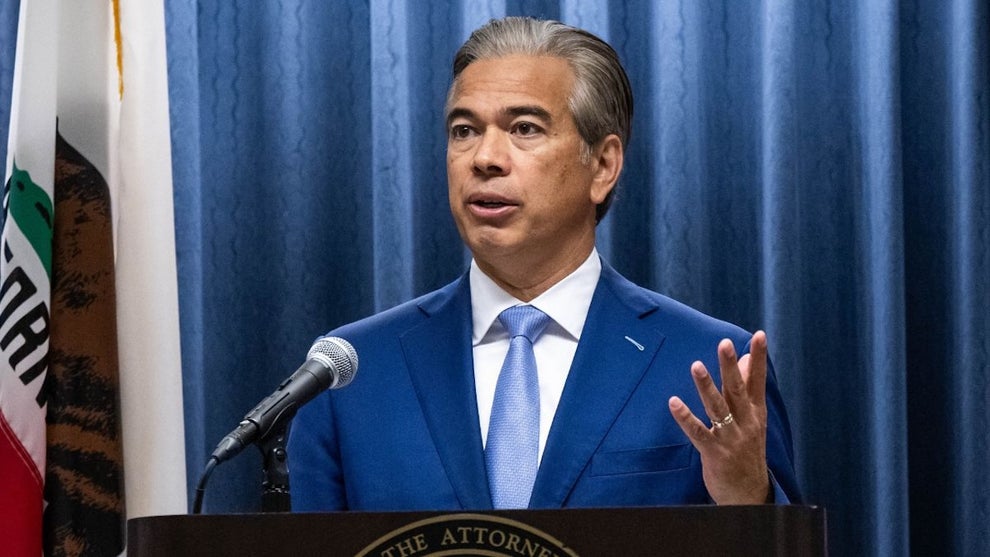
California Attorney General Rob Bonta challenged claims that the states’ antitrust lawsuit against the Paramount-Warner Bros. merger is “anti-Trump.”
“Today’s order is a very clear indication that they are wrong, and that’s not true,” Bonta said to Politico after Judge Araceli Martínez-Olguín granted a motion from 12 states seeking a temporary restraining order, subsequently pausing the deal. “Politics doesn’t fly in a courtroom. Politics doesn’t fly with the judge. Ideological difference, political grievance, political posturing gets thrown out of court. … Today’s court decision puts a lie to that allegation — clearly, succinctly — and it’s by someone else besides me.”
As Bonta went on, he stated that his critics have painted the states’ suit as “anti-Trump” and “anti-Ellison,” adding, “Well, a judge just found something very different than all of that.”
A representative for Paramount did not immediately respond to TheWrap’s request for comment.
As we reported earlier on Monday, California Judge Martínez-Olguín granted a request by 12 state attorneys general to issue a temporary restraining order against the pending $110 billion deal, halting it for two weeks.
The decision came after the attorneys general sued to block the merger last week, arguing it would create an entertainment giant that would control too much of the wide-release theatrical market, the submarket of “anticipated blockbuster films” and the basic cable bundle. Additionally, the group claimed that the deal’s approval could give the combined company increased leverage over movie theaters and cable distributors, lead to an increase in consumer prices and reduce content output.
Martínez-Olguín noted in her order issuing the TRO that the states had presented “compelling evidence that the combined firm resulting from the transaction will possess substantial market share in the wide-release theatrical distribution market.” And so, the court was persuaded that the proposed merger was likely to violate antitrust laws on that market share alone.
“Because the Plaintiff States make a strong showing that the Transaction will substantially lessen competition in the wide-release theatrical distribution market, they demonstrate irreparable harm would result if a TRO does not issue,” she wrote. “The Transaction would also be difficult, if not impossible, to unwind if permitted to proceed given the anticipated consolidation of operations, sharing of business-sensitive information, and potential termination or reassignment of employees. The Plaintiff States have sufficiently established that irreparable harm would result in the absence of a TRO.”
In response to the order, a Paramount spokesperson told TheWrap that it was “grateful” for the court’s “swift order” on the TRO, which “preserves the status quo while the Court considers the antitrust issues presented.”
“We are confident the evidence will demonstrate that the State AGs’ antitrust arguments are without merit as their alleged markets and claims of anticompetitive effects are without any basis in modern market realities,” Paramount added. “This merger is lawful, pro-competitive and will benefit consumers, creators, workers and the entertainment industry. We will continue to vigorously defend the transaction and will look forward to the hearings on the substance of the State AGs’ action.”
The David Ellison-led company has maintained that the deal with WBD stays on track to close by the end of the third quarter.
