
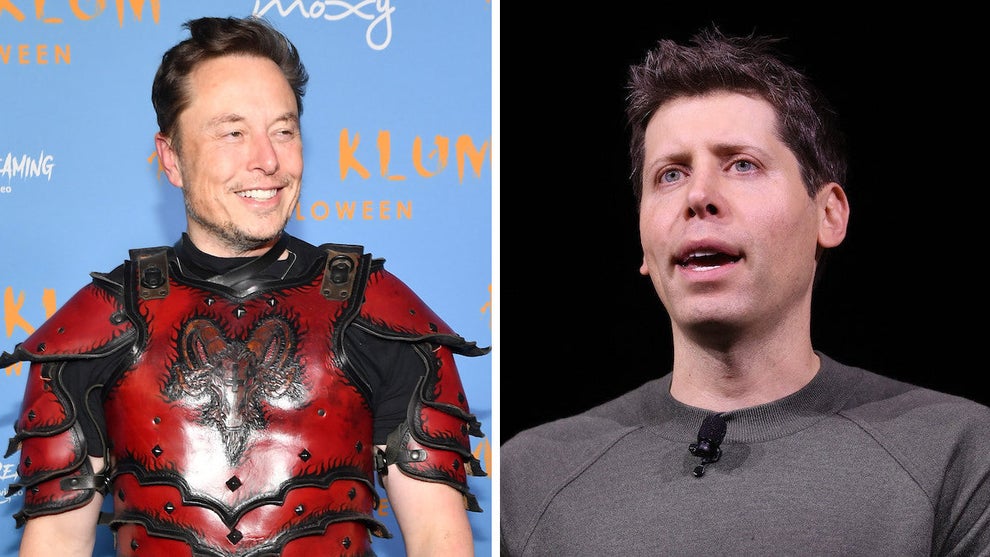
A jury on Monday ruled against Elon Musk in the tech billionaire’s $150 billion federal lawsuit against Sam Altman’s OpenAI, finding his claim that the generative AI company prioritized potential profit over its nonprofit status could not be pursued as the statute of limitations had passed.
Musk railed against decision later Monday in an X post, saying that he plans to file an appeal to the ruling “because creating a precedent to loot charities is incredibly destructive to charitable giving in America.”
Regarding the OpenAI case, the judge & jury never actually ruled on the merits of the case, just on a calendar technicality.
— Elon Musk (@elonmusk) May 18, 2026
There is no question to anyone following the case in detail that Altman & Brockman did in fact enrich themselves by stealing a charity. The only question…
Additional representatives for OpenAI and xAI, Musk’s own AI company, did not respond to immediate requests for comment. The nine-person jury did not decide on the merits of Musk’s claims.
Musk sued OpenAI in 2024, accusing the company of breaching its charitable trust after it partnered with Microsoft and took billions of dollars in investments. Musk asked for $150 billion in damages and for Altman, the company’s CEO, to be removed from the board of directors. Throughout the case, Musk had claimed Altman “stole a charity” by creating a for-profit arm within the initially nonprofit OpenAI.

But the jury found on Monday that Musk knew about the claims he was litigating over as early as 2021, meaning his lawsuit was filed just outside of the three-year statute of limitations. The decision came after a three-week trial in which Altman and Musk testified before the jury, which deliberated for less than two hours.
OpenAI lawyer William Savitt said outside the courthouse that he was “delighted” by the verdict and thought that, should Musk appeal, “we are very, very confident in our case,” according to the New York Times. One of Musk’s lawyers, Mark Toboroff, said the billionaire intended to appeal.
The ruling means Microsoft would also not be liable for Musk’s claims. Musk had also included an antitrust claim in his lawsuit, but Judge Yvonne Gonzalez Rogers had said that the component likely wouldn’t advance to trial due to the plethora of AI competitors.
Gonzalez Rogers agreed with the jury, telling the court on Monday that there was “a substantial amount of evidence to support the jury’s finding.”
Editor’s Note: This story was updated Monday afternoon to include Musk’s social media statement.
