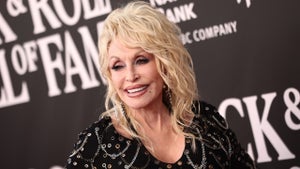
In the heartbreaking, uplifting ending of “Steel Magnolias,” Daryl Hannah gives a speech that seems particularly fitting today. She looks at the tragic death of a person who tried to take care of everybody she loved, whose body could sadly no longer keep up, and says someone who cared that much will certainly live on as a guardian angel.
“She will always be young,” she says. “She will always be beautiful, and I personally feel much safer knowing that she’s up there on my side.”
Her co-star, Dolly Parton, is no longer with us. After 80 years of making lovely music, giving away millions of free books and funding a COVID vaccine that currently runs through my veins, protecting me after she’s gone, Parton is — whether you believe in such things or not — as close to an angel as anyone could reasonably get.
Which makes sense, since throughout her acting career she rehearsed for the job, over and over again. Dolly Parton didn’t act in many films, all things considered. Nine theatrically released features, not counting her many cameos playing herself, and a smattering of TV movies with wholesome titles like “A Smoky Mountain Christmas” (a personal favorite), “Wild Texas Wind,” “Blue Valley Songbird” and — fittingly — “Unlikely Angel,” in which she played a literal guardian angel.
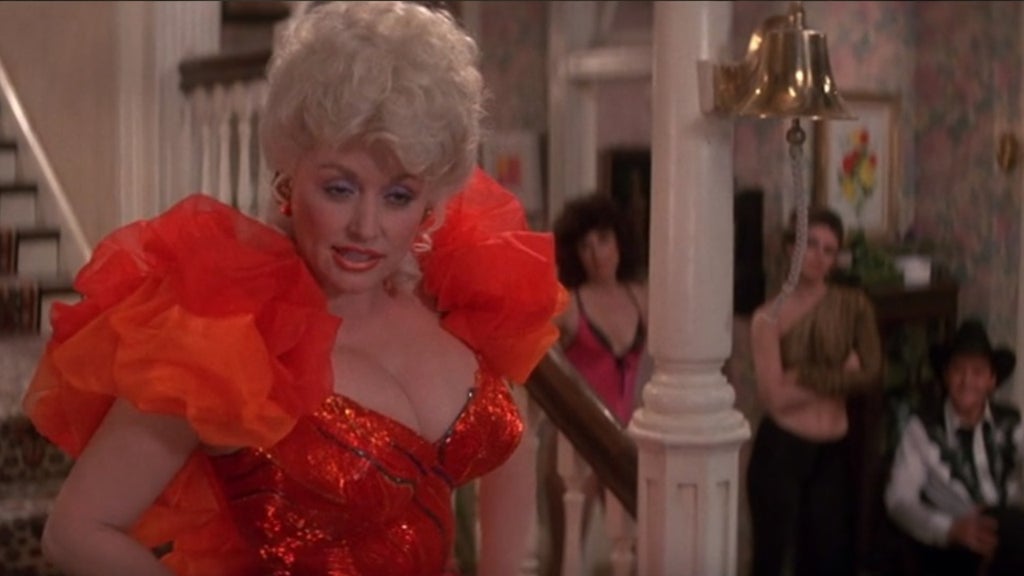
But almost every Dolly Parton role had that angelic quality. She was a bright, funny, personable performer. Parton’s characters had an aura of kindness, whether she was playing a saintly talk radio psychologist, a kindly small town hairdresser or the madame of “The Best Little Whorehouse in Texas,” a light and frothy musical about a noble sex worker trying to keep her business open in defiance of judgmental conservatives.
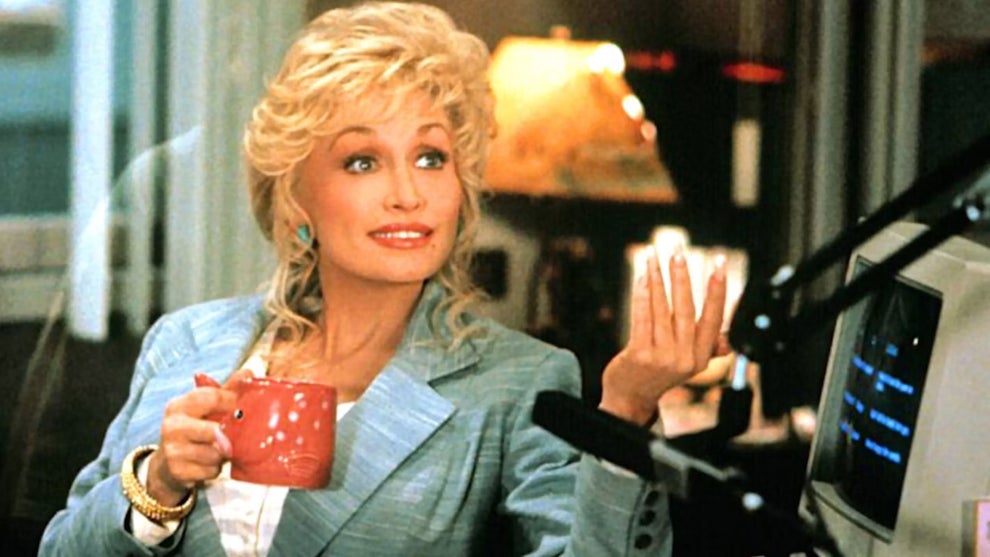
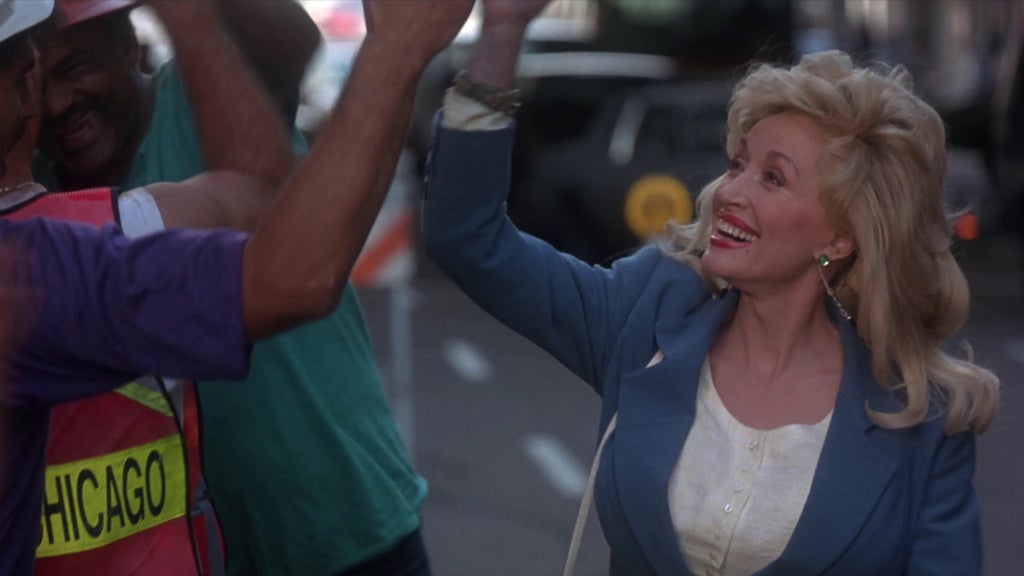
Dolly Parton’s down to earth, folksy willfulness was often deployed by filmmakers making pertinent points about cutting through modern, moralistic malarky. Her underrated 1992 romantic comedy “Straight Talk” starred Parton as an out-of-work dance instructor who accidentally stumbles into a radio station and gets confused for a professional on-air psychologist. Her genuine concern for their listeners’ well-being, combined with her charming turns of phrase (“Get down off the cross, honey, somebody needs the wood!”), make her an overnight sensation.
Parton improves a lot of people’s lives over the course of “Straight Talk.” She even makes James Woods — who was cast way, way, way against type as a Cary Grant-ish love interest — seem warm and redeemable. The film ends with a trans woman calling Parton for advice about her transition. Parton responds with absolute acceptance and a few lessons she obviously learned the hard way: “All I can say is don’t try to perm your own hair and don’t wear high heels on a soggy lawn.” (Parton’s lifelong support of the queer community is now and will always be legendary.)
Dolly Parton wrote over 3,000 songs. That’s not hyperbole, that’s literal. By the time she made her acting debut in the classic feminist workplace comedy “9 to 5,” opposite screen legends Jane Fonda and Lily Tomlin, she had already released 22 solo albums and written classic songs like “Jolene,” “Just Because I’m a Woman” and “I Will Always Love You.” The best country music tends to tell a great story and Parton told unforgettable tales of love, loss, spirituality and women’s liberation with an easygoing honesty that perfectly prepared her for the big screen.
In “9 to 5” she played Doralee Rhodes, a secretary working for, as the screenplay repeatedly describes him, “a sexist, egotistical, lying, hypocritical bigot.” When she wasn’t stealing scenes from her iconic co-stars, she was helping them kidnap their boss — played by a hilariously hateable Dabney Coleman — and passing sweeping institutional reforms that made their workplace equitable, disability-friendly and generally as progressive as it possibly could be, which instantly increases the company’s productivity.
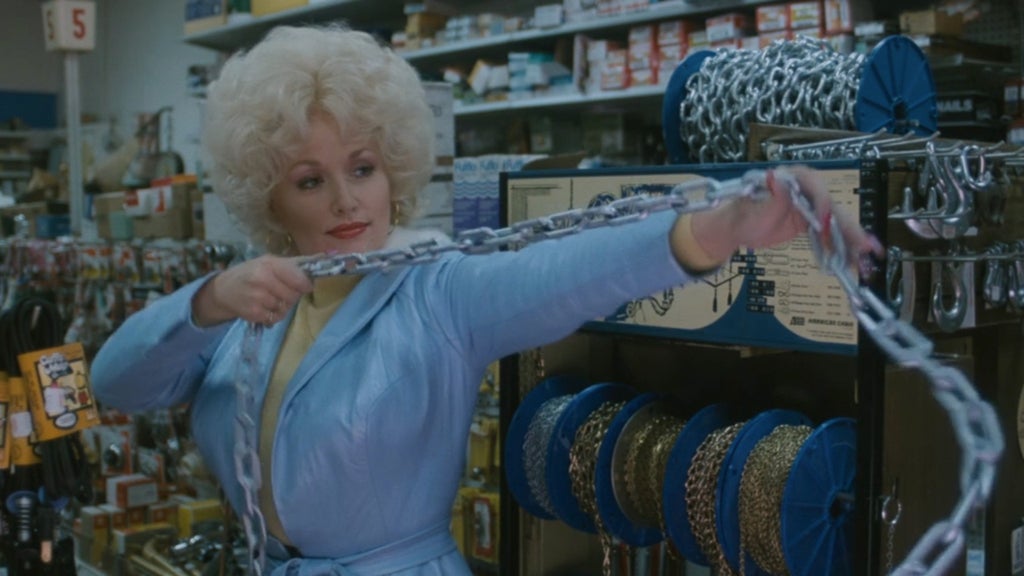
It’s the kind of brassy underdog story Parton often sang about, and it fittingly inspired one of her most enduring songs: “9 to 5,” a propulsive, catchy power ballad about heroic working women and their uniformly crappy male co-workers, which was nominated for the Oscar for Best Original Song. It lost to the title theme from “Fame” and was nominated alongside Willie Nelson’s classic “On the Road Again,” from the overlooked romantic western “Honeysuckle Rose.” So at least two classic songs that year were destined to go home empty-handed no matter who won. You can’t technically say Parton was snubbed. Unless you’re talking about the Best Supporting Actress category, in which case yes, she was very snubbed indeed.
Dolly Parton followed “9 to 5” and “The Best Little Whorehouse in Texas” with one of the most notorious box office flops of the 1980s, but nobody has ever blamed Dolly Parton for its failure. (At least, nobody credible has ever done so.) “Rhinestone” starred Parton as a country singer trying to get out of a predatory contract with her slimy producer. She makes a wager that she can turn anyone into a successful country singer in just two weeks, and unfortunately — not just in the film, but for the film — she gets stuck with Sylvester Stallone.
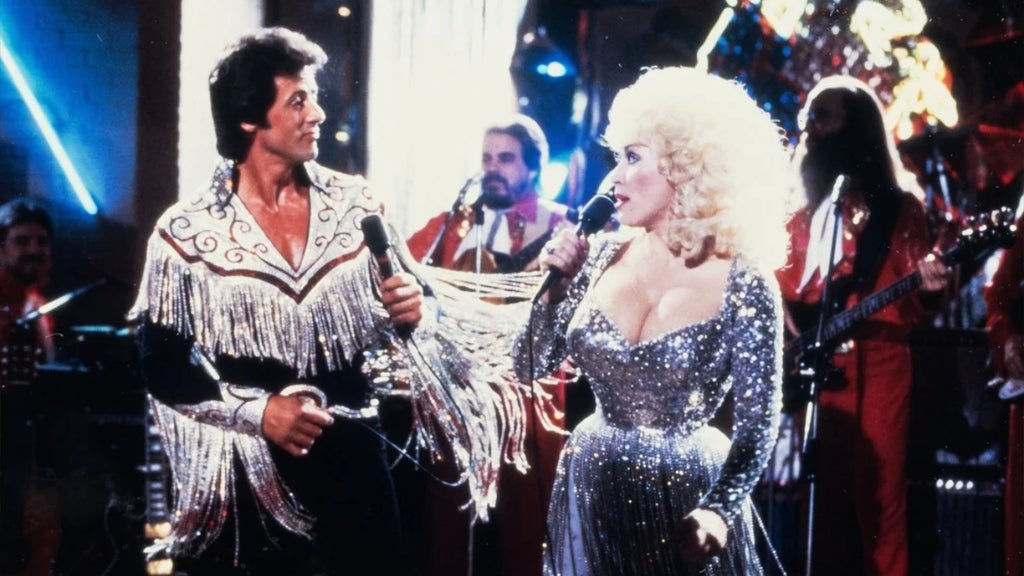
The “Rocky” star can be a funny actor, but the joke is on him in “Rhinestone,” because he can’t match Parton’s humor or her romantic energy. He definitely can’t convince anyone, least of all the audience, that he’s a country singer. Just watch him sing — or rather, watch him belch — the novelty song “Drinkin’stein” and you’ll see what poor Parton had to work with. (At least she got two hit songs out of the soundtrack: “Tennessee Homesick Blues” and “God Won’t Get You.”)
Still, Parton’s celestial energy came through, and by the time she returned to theaters in “Steel Magnolias” five years later she was still second-billed, behind two-time Oscar winner Sally Field. That’s impressive. It’s even more impressive when you consider Parton was billed ahead of her other co-stars: Shirley MacLaine, Olympia Dukakis, Daryl Hannah, Tom Skerritt, Sam Shepard and the film’s breakout star, Julia Roberts. In the film, Parton plays a hairdresser whose in-home salon is the firmament of her community, from whence love, heartache, new life and tragic loss repeatedly blooms.
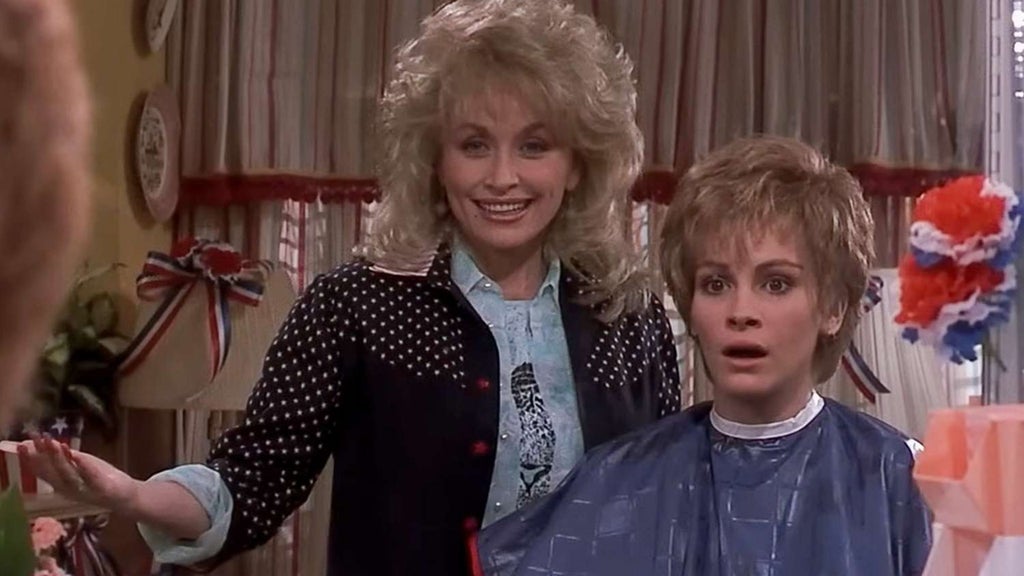
Parton’s role is unusually free of conflict, a kind yet sassy observer of her friends’ many foibles, whose marriage to an emotionally and often physically distant working man, played by Shepard, comes to an understated head when he realizes, just before a funeral, how important his wife really is. Parton doesn’t get the big speeches in “Steel Magnolias,” but without her the film falls apart. She is the film’s steady, earnest soul.
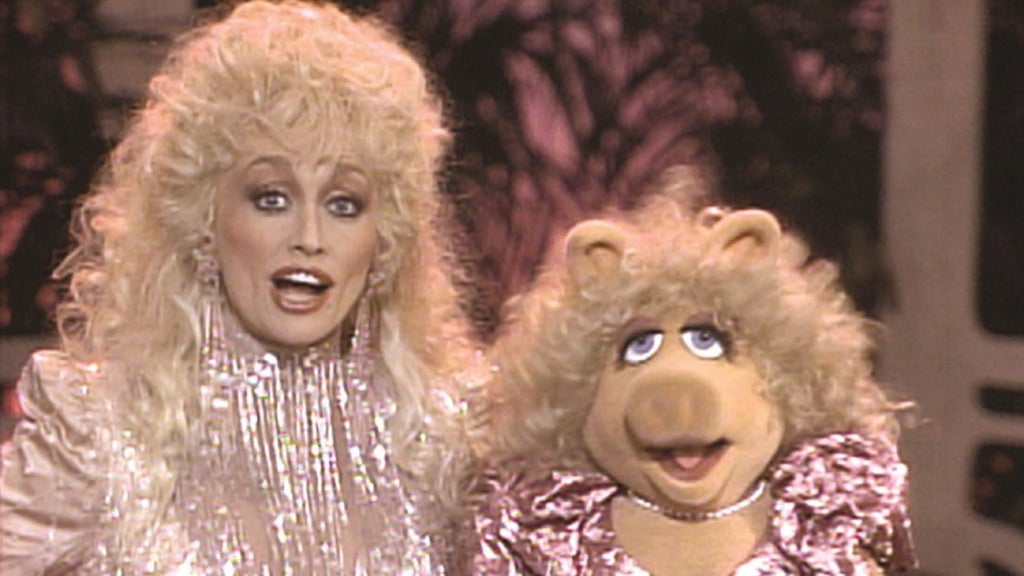
She made several television appearances throughout her career, notably in her short-lived 1987 variety show “Dolly” on ABC, which featured incredible guest stars like Oprah Winfrey, Pee-wee Herman, Bruce Willis, Tammy Wynette, Tyne Daly, and both Kermit the Frog and Miss Piggy, the latter of whom literally, and repeatedly, tries to steal her show. Her centerpiece sketch “Dixie’s Place” wasn’t so much a showcase for humor as it was for Parton’s kindness. In the Miss Piggy episode she helps an ex-football star, played by country music legend Jerry Reed, come to terms with his flailing career, and learn that self-respect and the respect of others can come from unexpected places.
Dolly Parton didn’t return to the big screen very often, or for very long, until 2012. In the meantime, you could catch her in films like “Gnomeo & Juliet,” where she played herself as a garden gnome. Her final major role was in the faith-based musical “Joyful Noise,” opposite Queen Latifah as two opinionated small-town women sparring over the direction of their local church choir. Keke Palmer co-starred as Latifah’s daughter, who wasn’t so much in a forbidden romance with Parton’s grandson, played by Jeremy Jordan, as she was in a romance that was mildly discouraged. It’s a small role for Parton, in a small and unambitious film, but like the country music legend herself, it has a good heart.
Perhaps the ultimate distillation of Parton’s music and her on-screen persona came in “Dolly Parton’s Heartstrings,” a Netflix anthology series in which every episode is inspired by one of Parton’s iconic songs. She co-starred in the opening installment, “Jolene,” opposite Julianne Hough, who played Parton’s most famous character. Parton generously lets other stars take the reins over her classic tales but her spirit can be found in every episode. She may not be doing much acting, but they’re still her stories and she’s still telling them.
Dolly Parton will always be remembered for her wonderful music. I hope she will also be remembered for her wonderful films and television shows. She was a movie star in the most classical sense, a powerful personality who captivated audiences by imbuing her own spirit into every role. Sometimes she was an angel, but she was always angelic, a fitting legacy for an artist who shined a light on the loveliest, saddest, most inspiring parts of our lives for the better part of a century.
At the end of “Steel Magnolias,” Parton herself says, “Laughter through tears is my favorite emotion.” We could tell. After all, it was her specialty.