
It started with frustration.
Actress Chris Quinto Cathcart was doing audition after audition, self-tape after self-tape, and suddenly decided she couldn’t stay on the hamster wheel any longer. But she still wanted to be in the film business, and with a husband in the tech industry, she had money to spend. Then, an idea.
“I pivoted and I thought, ‘I don’t know anything about how films get made, but certainly somebody’s looking for capital,” the Unapologetic Projects co-CEO told TheWrap’s Office With aa View alongside her co-CEO Tyler Boehm.
Boehm, a veteran of film finance, brought Cathcart her first project – a Filipino-American filmmaker was looking for funds to finish her first feature. Soon after, a film finance and production company with a strong identity was born.
With Unapologetic Projects, Cathcart and Boehm would not just get indie projects off the ground, they would actively seek to put their money behind films from diverse voices with diverse casts. It’s a business model built on the notion that audiences crave representation.
“They’re hungry for new narratives, and having sat on the indie film finance side and been an indie producer for a while, I just felt like the pipeline hadn’t caught up,” Boehm told TheWrap during the same interview. “We have a macro goal of putting characters on screen who get to be as multifaceted and complex as white straight characters have gotten to be forever.”

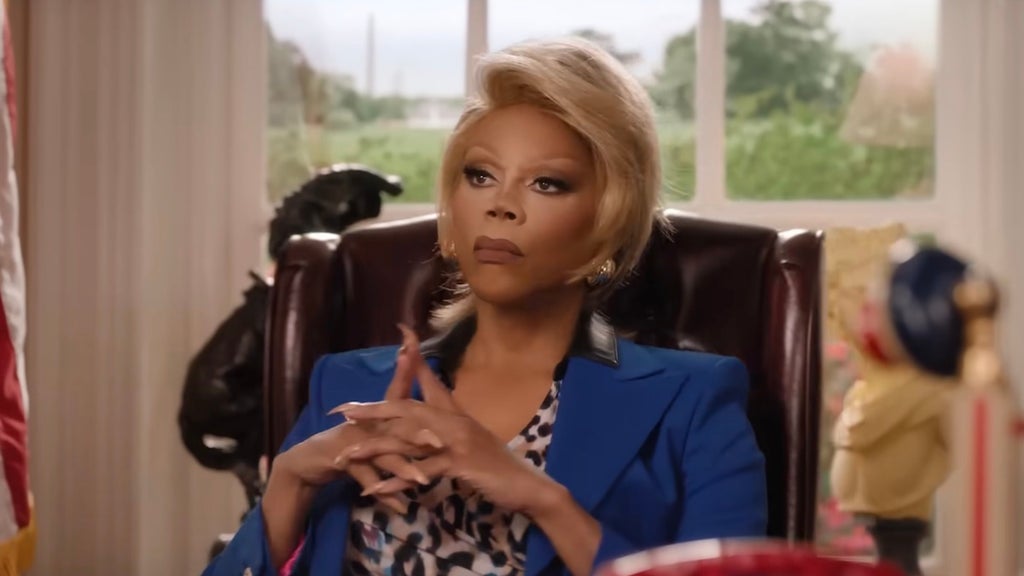
Their latest project is “Stop! That! Train!,” an action-comedy disaster film starring several famous “RuPaul’s Drag Race” stars, including RuPaul. It’s a movie that Cathcart and Boehm put their full weight behind, not just financing but investing in the distribution of the film. They’re eager to see how audiences respond when it opens in theaters on June 12, but there’s more where that came from.
Read our full interview below.
How did you guys start this company, what was the mission that kickstarted all of this?
Chris Quintos Cathcart: I was historically trained as an actor. I’ve been sort of blessed to be able to have that life, because my husband is this tech rock star. But then I had my second kid, and I thought, “Oh, I can’t do this anymore.” I was just really frustrated with what acting had become. I was laying down a self-tape for another Amazon commercial, like the fifth of the week, and I just thought, “I can’t do this anymore. This is gonna kill me, literally.”
So I pivoted and I thought, I don’t know anything about how films get made, but certainly somebody’s looking for capital. And thankfully I met Tyler, because otherwise I was just an actor with a checkbook out here willy nilly. But I found Tyler, and he was like, “Oh, that’s called film finance, I’ve been doing it for like 15 years,” and that’s how it all started.
I was actually looking specifically for a Filipino-American filmmaker, then Tyler called me back the week after we had first met and said he just met a Filipino-American filmmaker who needed finishing funds on her first feature. That was the very first thing that we did together, before we started our company, then a couple years had passed, the pandemic happened, and he reapproached me and said, “Let’s take this to the next level.”
Tyler Boehm: The mission of the company is working with underrepresented creators, telling authentic stories, and it’s based on a premise that audiences are hungry for more representation. They’re hungry for new narratives, and having sat on the indie film finance side and been an indie producer for a while, I just felt like the pipeline hadn’t caught up, and from talking with Chris, I knew we were really aligned with that. People were still basing their decisions on what movies to finance on the old foreign sales model, which I think is no longer relevant for the vast majority of movies. So that was the idea of our company. We were going to take different risks than other financiers did. It felt like the right thing to do, and it also felt like there was financial opportunity in doing that.
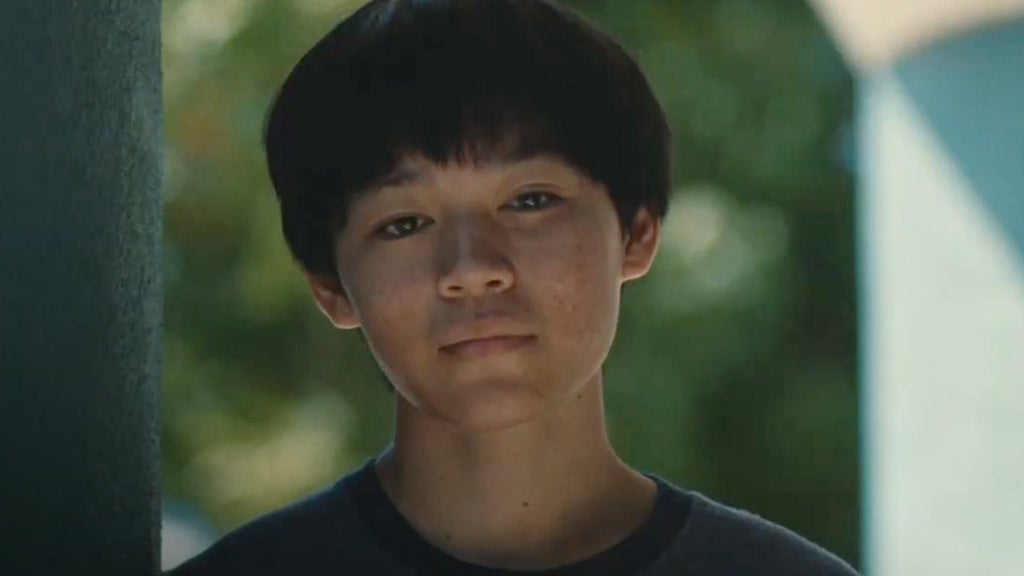
We are very much motivated by creating a sustainable business. It’s not just mission-driven. We want to make money doing what we’re doing, and we want to prove to the rest of the industry that investing in the kind of films that we love is profitable. We started in January 2023. We went to Sundance that year. While we were there, an agent gave us “Didi” and that became our first film. That movie is such a bullseye for what we want to do. We have a macro goal of putting characters on screen who get to be as multifaceted and complex as white straight characters have gotten to be forever.
Are you profitable now? How is the business doing?
Cathcart: Not yet. I think that thing that we learned from “Didi” was — and obviously we knew this — but you can’t just make the one and hope for the best (laughs). So we have a full slate, and we’re in various stages on each project. And I don’t have to tell you, since 2023 the market has absolutely changed. So the ground is shifting under our feet, and that has made us really pivot into different things, like getting really involved with marketing the movie in distribution. That’s another thing that we’re trying to do: it’s not just about making the cool movie that we want to see, we want the audience to match the people on screen.
Boehm: I think the challenges that we faced are not what we anticipated when we started in January 2023, but I think the premise of our company is if you make an excellent movie, it will find an audience. “Didi” was profitable, and I still really believe that’s true. We’re seeing that we need to get more involved in distribution, so we invested in 1-2 Special, we’re doing these P&A explorations, we’re getting involved in making merch for movies, but part of the premise of that is we can’t keep doing things the same way. I think that a lot of indie distributors are still essentially doing business the way that they were 30 years ago, and there’s a diminishing audience for that. That’s like a cinephile audience or largely an older white audience for movies, and those distributors maybe have figured out a way to make a small amount of money for themselves, taking a cookie cutter approach to releases targeting the same audience again and again, but with diminishing results. What we’re trying to do is broaden that audience.
Even just going to Sundance the last couple of years, it feels like a completely different market environment than it did pre-pandemic. Everything has changed in terms of what gets sold and how quickly it gets sold.
Boehm: All the conversations we have right now are that the system that we have is broken. It feels crazy to make another movie and just follow the pattern that we’ve been using for the entirety of my career, which is holding back worldwide rights, bringing it to a festival, hoping that you’re going to sell it and make money. I just think that’s done, and so we have to find other ways to make and strategize releasing movies.
The other thing that we’re doing is trying to invest alongside distributors more, and so we’re doing that for the first time on “Stop That Train!,” and that’s another model that we’re really interested in. At this point, we’re more interested in betting on the box office on a movie that we believe in than on making a profit from an acquisition that’s been a really exciting movie to work on.
We ran a story about how the box office data shows audience crave movies with diverse casts. Nevertheless, this DEI rollback has everyone scared and running away from diversity in the industry. How have you guys found that over the last 12 months or so, with your business model being built on elevating diverse voices? Has there been pushback in the market?
Cathcart: I would say that was always there from the beginning, and maybe Tyler, you have a different point of view, but I just feel like every time it was like, “Oh, we don’t know these names,” because “Didi” in some people’s opinion didn’t have a name, and I was like, if you don’t know who Joan Chen is, I don’t know what to tell you. We have the ability to see so much more than this model that people have been using, like in fact I think that’s how we even got “Didi” to begin with, it felt like everyone in town had passed.
Boehm: I would say Chris is right, it’s always been there from the start of our company. I have not seen an increase in pushback. We also are really on the indie side, so we’re not trying to convince studio executives to make our movies, and we’re often received from filmmakers and writers with a lot of excitement, because we’re interested in them and their stories in a way that that maybe those buyers you’re talking about haven’t always been.
What makes a greenlight for you guys? What’s a go project?
Cathcart: I’ve had to learn that in the last couple years. It is like a visceral reaction on some level. First of all, we get equal say in what we do, which I think is really important. I know myself well enough to know I need to be checked, and so for example, with “Stop That Train!” I literally was like I can’t even read this because I’m such a “Drag Race” fan, I asked Tyler, “Can you just tell me if it’s any good because I’m just saying yes,” (laughs). Thankfully Tyler came back and said the script was so funny. For a greenlight, it has to be like a visceral reaction, something I just can’t stop thinking about. Then I want to meet the team, and I’m really looking for someone who can run a small company, honestly, because I’ve been on so many sets on the other end. I know there are millions of ways to direct something, but I just need to know you’re in charge, you got this, and now from this financier point of view, I can write you a check and you will come back with a movie.
Boehm: It starts with a great piece of material. It has to be a great script where we have that visceral reaction, like Chris was saying. If it’s funny, we have to laugh. If it’s sad, we have to be sad while we’re reading it, and we really try to stay alive to responding to material based on its merits and not checking boxes of have this, this, and this. Then it has to have a filmmaker who’s made at least a short that we think is brilliant — not pretty good, like brilliant — and that’s what we’re excited about working with first time filmmakers. We could see that in Sean Wang’s shorts, we could see it in Giselle Bonilla’s shorts, and in terms of the material that we’re attracted to, we want things that feel really original, that feel bold, that feel like we’re making this for a reason.
Then we want it to feel like some authentic expression from the filmmaker. It doesn’t need to be autobiographical, but it should feel like it could only have come from this person. We also like working with strong producers, that’s another big part of it. We don’t aspire to be boots on the ground producers ourselves, and so we want to work with somebody who can bring the movie in in its best form. We’re less cast driven. We’re more interested in authentic casting, casting that feels creatively right versus big name casting. Not that we’d say no to a movie star, but it’s just not as essential.
How has the festival circuit been for you over the past couple of years?
Boehm: I still get the high from it, like we were at the Eccles with “The Musical,” we got the standing ovation, the audience was chanting to bring the kids up on stage afterwards, and I felt like I was having an out-of-body experience. I’ve been to Sundance for 13 years, and that was incredible. The hard part is, there’s a whiplash to it. The festivals are as great as ever. The business side doesn’t come with it, so you go from an experience like that to waiting for a long time for an offer. Buyers in the room saying that they loved it, but then needing to send it back essentially to a committee, and there just isn’t the buzz that you got from the business deal happening at the same time, that’s gone.
How are you feeling about the future of indie film? What are you excited about with your company, but also what’s the road to success forward?
Cathcart: I think we really need to crack what our place is as indie filmmakers, and how do we embrace YouTube and Instagram, and how do we make that part of our community too? I’m hopeful.
Boehm: I think there are two parts to it, the first is exactly what Chris is talking about, and I’m not 100% sure what those opportunities are, but I feel like we have to just keep trying new things and experimenting, and we’re excited about working with anybody doing anything innovative in this space. And I’m happy that Sundance is moving to Boulder, and just not getting stuck in our ways, and I hope that that move also means experiments in distribution and experiments in marketing are going to create something more sustainable. I think there’s another part of it, and I’m gonna borrow a phrase from — we were just meeting with Jeremy O. Harris, and he was talking about worthy films, and there’s something that’s happened in the culture, and specifically in the indie film culture of feeling like we need to make worthy films. We have to get back to making things that feel really bold and provocative. We were watching indie films from the ‘90s, and we’re like, “Oh, these feel handmade, they feel purposefully outside of the mainstream,” and so we want to get back to that, and are excited to work with the young new group of filmmakers coming up who can tell those stories.
This interview has been edited and condensed for clarity and length.