
From boundary-pushing challenges and nearly unethical treatment of aspiring models-turned reality stars, “America’s Next Top Model” has been controversial ever since its original airing, and only picked up more criticism during its 2020 resurgence, when viewers looked at the show through a new lens to find it more problematic than anything else.
Recent chatter about the reality series, which ran for 24 seasons (or, as the show calls them, cycles) beginning in 2003, fueled an effort at Netflix to pursue a documentary centered on the sensation. The streamer had already secured participation from several key models and judges from the series, but by the time directors Mor Loushy and Daniel Sivan, who helmed Netflix’s “American Manhunt: Osama bin Laden,” came on board to direct the docuseries, they also secured interviews with EP Ken Mok, UPN and CW head Dawn Ostroff and, of course, Tyra Banks.
“This documentary was happening, regardless if she was giving an interview or not, and she decided she did want to share her side of the story,” Loushy said. “I’m very happy that she did, because it gave the opportunity to really go deep into the debates, into the start of the idea, and not by a third person but from Tyra, herself, to really hear the journey that she’s been through.”

According to Loushy and Sivan, everything was on the table for Banks to discuss, from the sexual assault that has plagued Cycle 2 frontrunner Shandi Sullivan for decades, the racism and unhealthy body standards that pervaded the series for nearly its entirety and even her infamous “We were all rooting for you” speech.
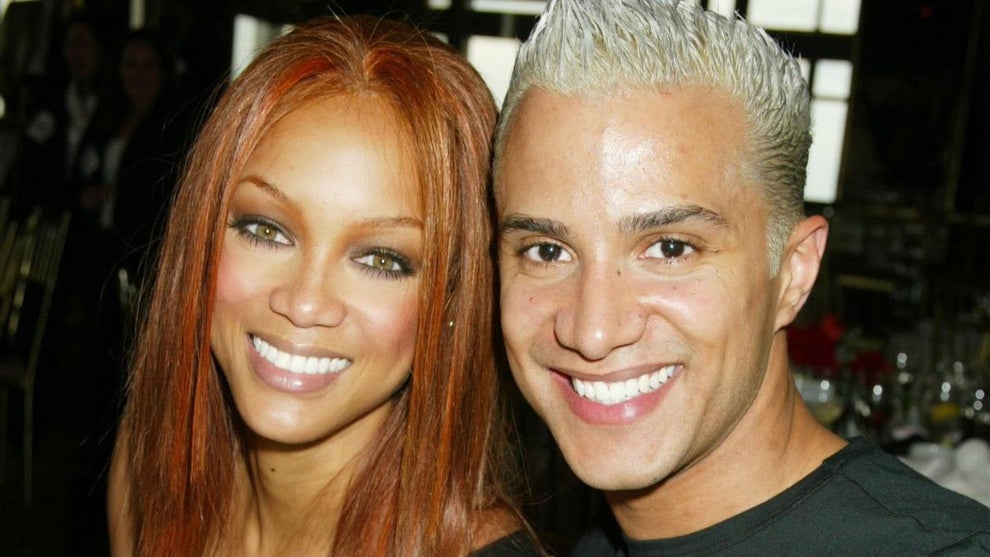
The only thing Banks hesitated to speak on, however, was her relationship with judge and longtime friend Jay Manuel, whom she fired alongside Miss J. Alexander and Nigel Barker back in 2012 under a mandate from the network, and who she has not since been in touch with, apart from a text follow up about Miss J’s health struggles.
“The fact that she said, ‘I don’t want to talk about it’ … is a powerful answer,” Sivan said. “It wasn’t dodging the bullet. It was saying, ‘this is still painful.’ “
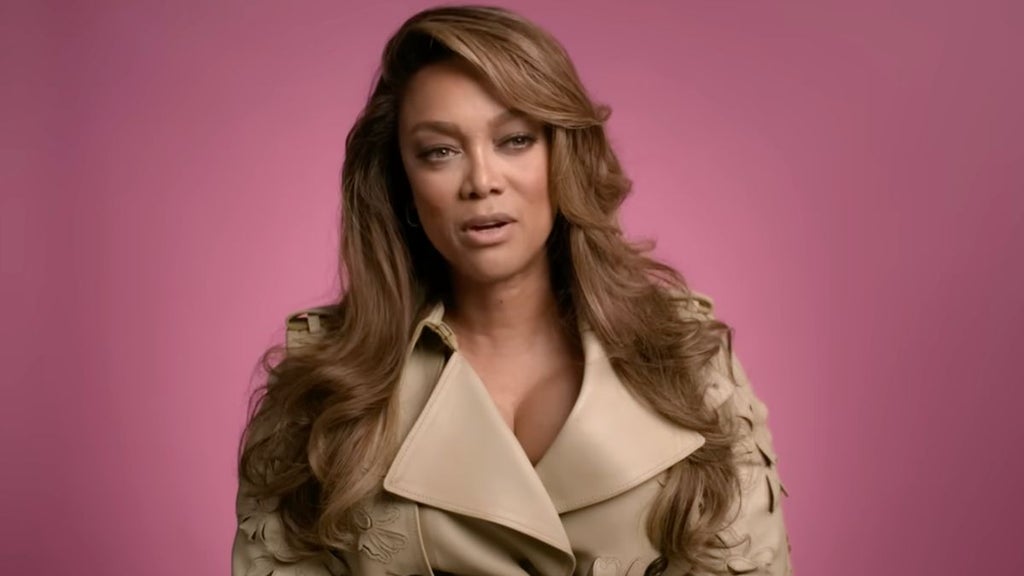
Just like any other participant, Banks did not have editorial control over the docuseries and was not granted access to the final cut before its Feb. 16 release on Netflix.
For all of the show’s downfalls (discussed in depth below), Loushy and Sivan didn’t want it to simply be a take down on “America’s Next Top Model,” noting “it’s boring.” “It’s about the journey and how they came to be from being these misfits and people who are on the sidelines of television and of culture became this cultural phenomena [and] ending up being kind of bullies,” Sivan said.
This conversation has been edited for length and clarity.
TheWrap: So much of that first episode puts the series in the context of its time, while also admitting its faults with insensitivity towards race, weight, etc. How did you want to find that balance?
Loushy: Back then, it was the start of reality TV. It was the start of looking at these subject a little bit differently, and, for us, it was the right stage — they touched upon those subjects. We have the models who have been through those experiences, sharing the journey, humiliated on television in front of so many households in the show. These experiences stay within you and and these moments that are wrong or right, for us, to touch upon, to open a debate, to shed a different light with the amount of time that passed with the lens that we have, not only as us as a society, but also the lens of what happens when something like that happens on television, what happens to your body image, what happens to … viewers that are watching it? What is the message that girls are supposed to take from it?
I’m so happy that we had the opportunity to open those debates, especially today, with TikTok, with Instagram, that all of these subjects are still relevant. How can we be better? How we can talk about diversity? How can we talk about not a one beauty image, but thousands, and it’s fine and it’s OK?
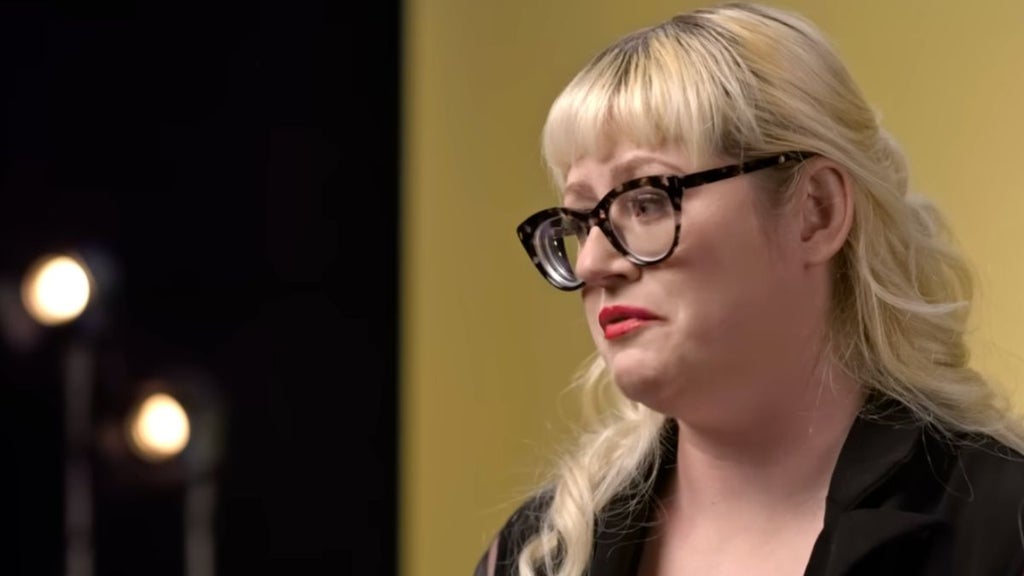
There’s so many difficult storylines, from Ebony to Shandi. What was it like tackling those subjects and working with the women themselves, especially in with regard to the sexual assault?
Loushy: This story, when we rewatched it, even the title of the episode turned me off so badly, and when we reached out to Shandi, she was very much wanting to share her story. She was waiting for the right state to tell her story, because obviously this has deeply affected her, and she still scares it to that day, and I think it was therapeutic to talk about it. It was a very emotionally hard day. But she’s so brave. I’m so proud of her for sharing the story for the next generation.
Sivan: It’s such a warning sign for all of us. Sometimes you chase a story and it’s great television, or it’s beautiful cinema or it’s Pulitzer Prize journalism, but it’s wrong and you should stop and say, “OK, humans first, the story comes after.” I think the line that was crossed is a very, very clear red, black and white line. I don’t think it’s a gray area as it should be debated. I think this should be just categorically seen as wrong.
How did you want to both highlight the racism with contestants like Ebony, while also spotlighting the systemic racism Tyra faced?
Sivan: On the one hand, you obviously see misogyny happening on screen. But there’s also a misogyny, in my personal view, towards Tyra. I mean, she was getting much more heat than any other male showrunner. Without naming any names, there’s so many reality TV shows, but she was the only one that was held to such a high standard … she needs to answer for everyone. It’s a debate that I would love people to have. I don’t have any answers, but I would love to listen.
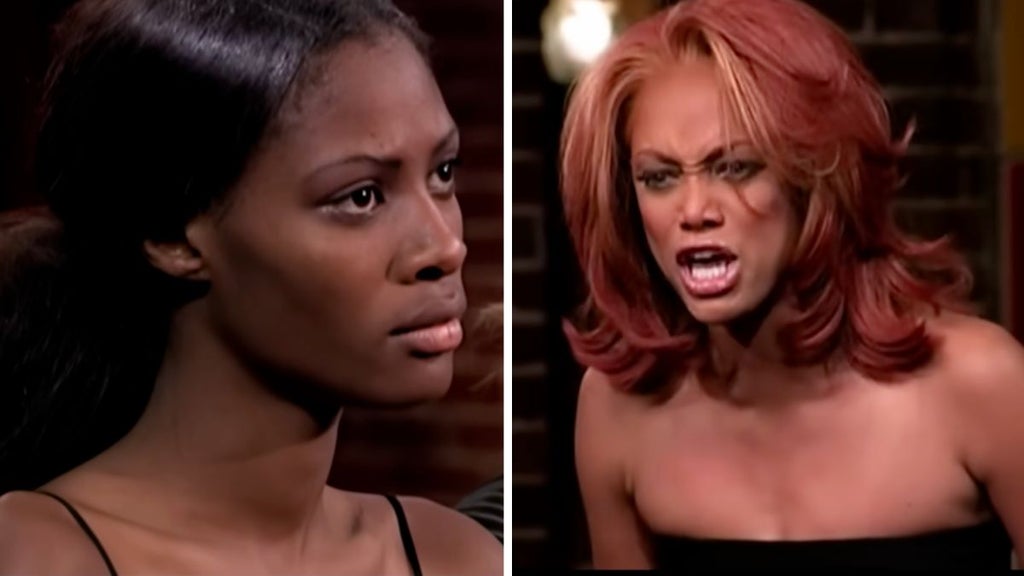
We also see Tyra’s whole meltdown with Tiffany Richardson, but we don’t hear from her. Did you try to get her on board?
Loushy: Of course we tried, but she was off the grid completely, understandably. By hearing that story, I think, for the first time ever from Tyra and from the people that were there, from Nigel, from Jay — I think it’s the first time that they all commented about that story like this.
Sivan: The beauty of social media today [is that] I’m sure you will hear from [her], and from a lot of people we haven’t featured in the documentary, are going to speak out and bring different perspectives, and it’s going to be very interesting and powerful for us towards their comments.
Jay Manuel said that meltdown included things that he will never repeat. Did you push to find out what happened?
Loushy: I don’t know what other things have been said — he did not reveal that to me, but, of course, we’re pushing, but also respectful. It’s a safe space. We asked a few times and I respect the answer. You can also understand from the answer that yes, a lot more was said than we’ll ever know, and sometimes this curiosity is even more interesting. But if somebody reveals, please tell me, because I’m dying to know as well.
We do see that the Jays and Nigel are all together. Was there any conversation about having Tyra join them?
Loushy: These three are still very, very good friends. To this day they meet, they’re in contact. It was not manufactured in any way. Tyra is in a different space today, but … with the scene of the three of them together, it was very natural because they’re still best friends and they’re all in the New York area.
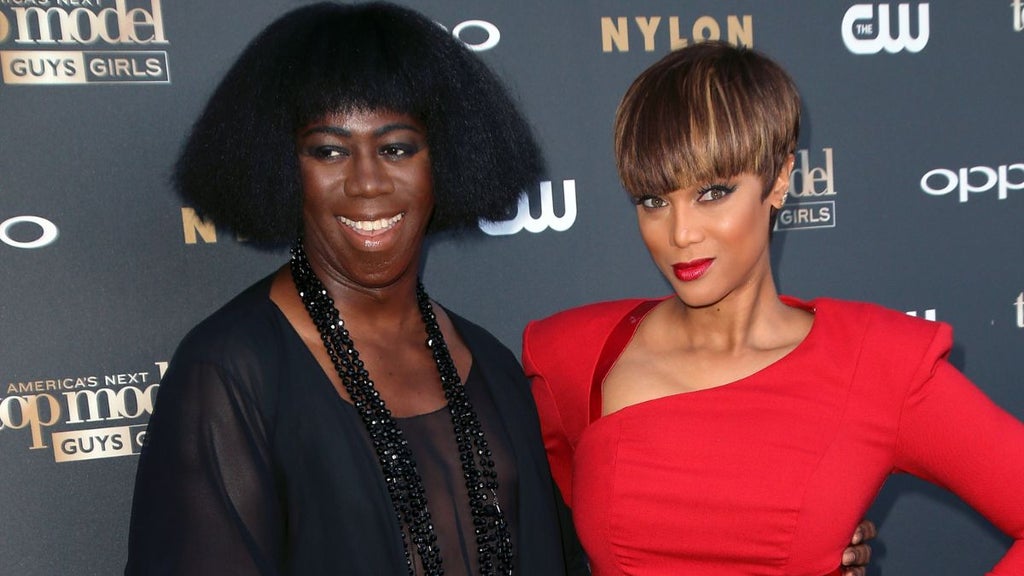
I loved in that final episode, you highlight successes that came out of the show and the strides made by Winnie Harlow and Nyle DiMarco. How did you want to show those successes as well?
It was really important for all of us that will also highlight the things that the show did do, and she did do a lot of good [with] all of the models that you know that we’re mentioning throughout — they deserve it. They deserve this credit as well.
Were there challenges or storylines that you just didn’t even have time to address, or ended up getting cut out just for time?
Sivan: So many. We would have gone for another nine episodes of this documentary. It was very painful cutting it down, because it’s so much to talk about.
What was the most striking thing you learned or experienced throughout this process?
Loushy: I was surprised on myself that it was a jarring journey to me as a woman. I was surprised. I didn’t expect that I would be moved from “what is beauty?” and how much my weight matters. We have a 10 year old girl — I was fearing for her all the time of what is next for them? TikTok, Instagram — “America’s Next Top Model” is happening almost every day on Instagram. Where is the debate? Where is the discourse for diversity? Where is the discourse that it’s okay to be whoever you are, and beauty is not the main standard in life?
Sivan: I would just love viewers not to just look at it and pick the low-hanging fruit and all stuff that was done 20 years ago is awful. But hey, look at what you’re watching today. Look at the TikTok videos our son and daughter are addicted to — just think of like someone picking up the camera and doing a documentary in 10 years from now .. and try to see where we are. Society is taking a wrong turn nowadays, and not just mistakes were made in the past.
“Reality Check: Inside America’s Next Top Model” is now streaming on Netflix.
