Mel Brooks is nearly a century old and still working furiously. The legendary comedian behind films such as “Young Frankenstein,” “The Producers” and “Blazing Saddles” is producing and starring in a sequel to “Spaceballs” that is slated to come out next year.
Other men retire. Brooks hopes to entertain until the end.
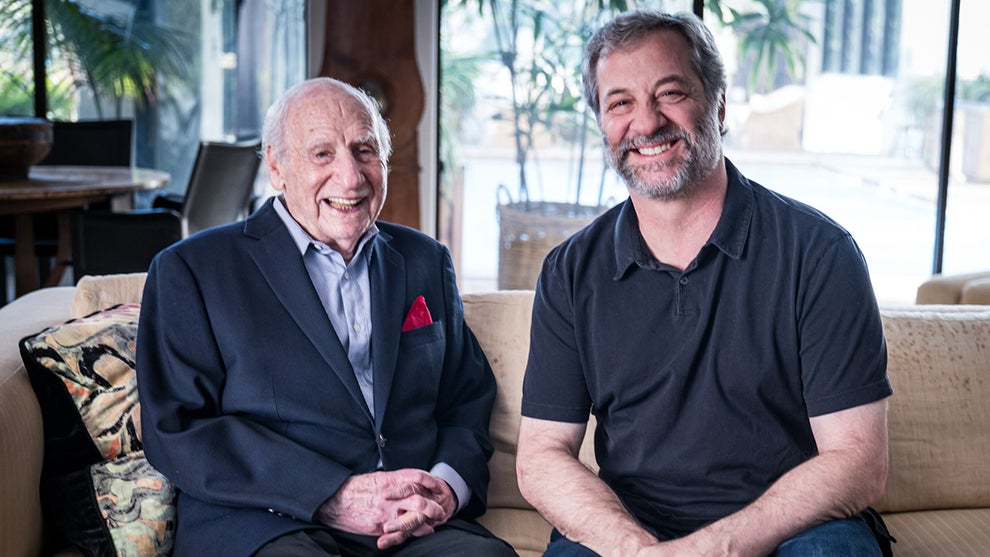
Which makes him a natural subject for a documentary, according to Judd Apatow, who teamed up with filmmaker Michael Bonfiglio to co-direct HBO’s “Mel Brooks: The 99 Year Old Man!” Apatow convinced Brooks to participate by saying, “Mel, if we don’t make this movie, you and I won’t have a reason to hang out a lot. Don’t you want to just hang out?”
Brooks agreed and chatted with the team for a total of 10 hours. His children opened up as well (a rarity!), joining several big comedic names in sitting for interviews that help paint a revealing new portrait of a man you might have thought you already knew.
If you had to narrow it down, which works of Mel Brooks have affected you the most?
JUDD APATOW As a kid, probably “Young Frankenstein.” I got that when VHS tapes were first invented. We would watch that and “Blazing Saddles.” I also was a fan of him on television as a talk-show guest. He was out in the world as this person that everyone agreed was probably the funniest man alive. So anytime he appeared on something, it was always considered a big event. He wasn’t just someone who made comedies. He was comedy at that time.
MICHAEL BONFIGLIO You know, he didn’t make that many movies. But his presence as a funny person in our culture and in our world has just been totally constant throughout my whole life, from the “Free to Be…You and Me” record I had as a kid to all the movies and million talk-show appearances and guest appearances.

Mel’s boldness comes up a lot in the film. He made Hitler jokes in “The Producers“ at a time when there weren’t many people doing that. How do you think that willingness to shed light on the truth helped cement his place in comedy?
APATOW He was a tough man who started as a tough kid during the Depression, who lived in poverty and then went on to be in the military during World War II. As were all of his brothers. I think it gave him some sort of backbone. He had a real sense of morality, and he was always a loud, aggressive personality who was going to tell you what he thought — usually with humor, but not always. He doesn’t pay a lot of lip service to patting himself on the back about any of it. He likes to say, “I just did it because it was funny.” But it’s clear that’s not all there is to that.
It was lovely to see Rob Reiner in the film. He quotes Mel as saying that he hopes for the best and expects the worst, an approach to life that shapes his comedy. Does that resonate with you two as artists?
APATOW There’s a real connection between Jewish thought and Buddhist thought. Life is suffering, yet we all soldier on. We try to do the best we can. Luckily for comedy people, when bad things happen, part of the job is to turn it into something funny. You don’t just go, “Oh, that was horrible.” You go, “Oh, that was horrible, but I think I can make that into a great joke.” That’s why you do a song-and-dance number about the Inquisition.
BONFIGLIO Yeah, absolutely. If you didn’t have the “hope for the best” part, we would all just lose our minds. It’s such a dark time right now, just getting up every day and brushing your teeth is a struggle for so many of us. Hoping for the best is the fuel that you need to keep going.
Speaking of, Mel is still working at 99 years old, which is exceptional.
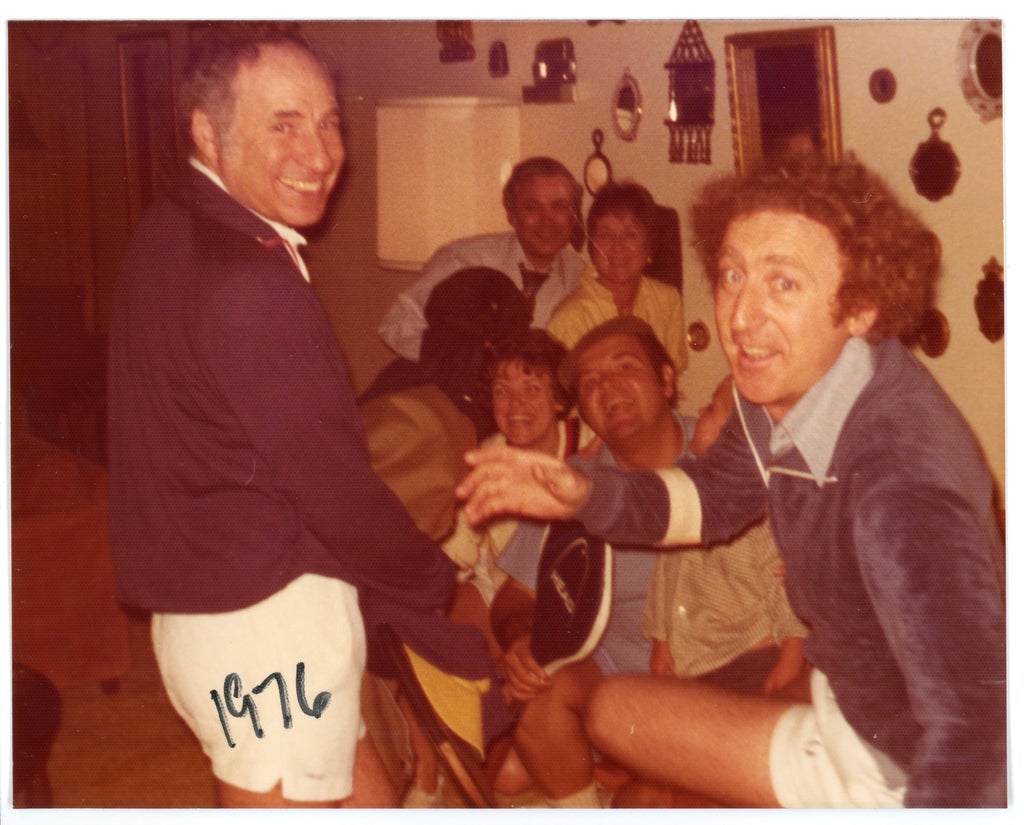
BONFIGLIO I think that he is so fortunate to be surrounded by people of many generations in comedy who, anytime they encounter him, tell him how much they love him, how much they love his work. I’m sure that’s helpful in fueling him and fueling his confidence. One of the things I was really amazed by in the interviews we did with him was how honest he was about his lack of confidence and how he almost gave up so many times. [His wife] Anne Bancroft encouraged him to keep going, and now it’s other people in comedy. People like Judd and Josh Gad and Nick Kroll and Adam Sandler — these people encourage him through loving and adoring his work.
The film ends with footage of Mel’s heartwarming friendship with Carl Reiner, which appears throughout the film. Why did you choose to conclude it that way?
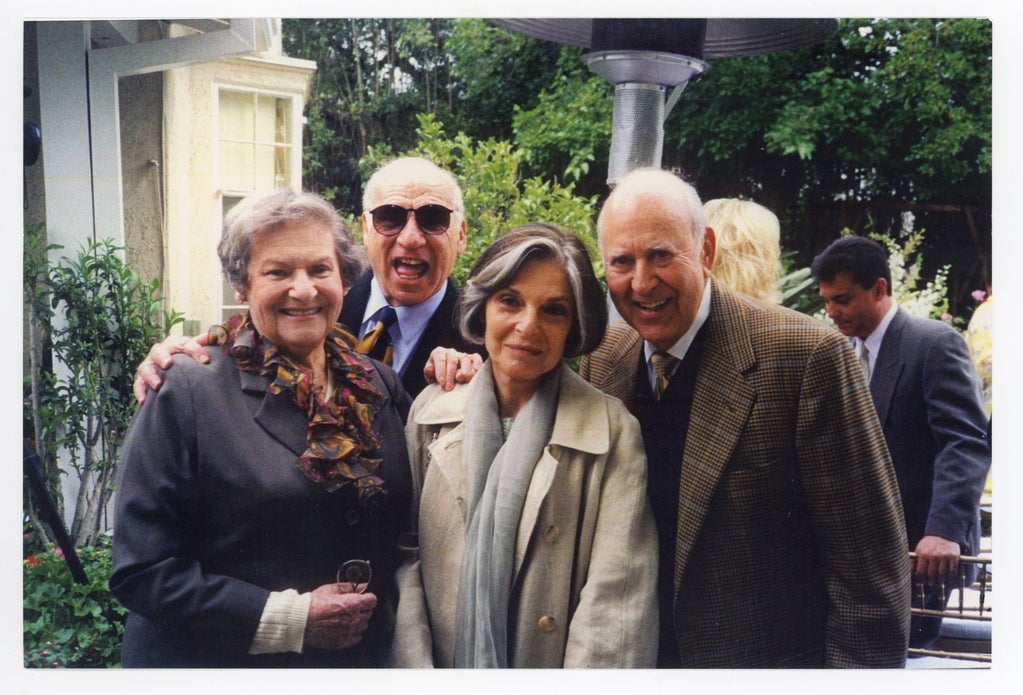
APATOW As we edited it and did all the interviews, it became clear that there were three loves of his life: his wife and children, his career and his friendship with Carl Reiner. When you get older, a lot of sad things happen. People pass, time moves on. We were trying to think of a way to not have the ending get so dark, because he spoke in detail about what it’s like to be the last man standing, just as a result of having lived that long. One day, we kicked around the idea of ending on Mel’s AFI tribute to Carl, because he looked at Carl like a father figure. Afterward, Carl is so happy that he kisses him on the mouth like five times. You’ve never seen a person feel more joy for their friend. He just felt that love. We thought, “That sums up his life.” He’s made the world as happy as he made Carl there.
This story first ran in the Race Begins issue of TheWrap’s awards magazine. Read more from the issue here.