
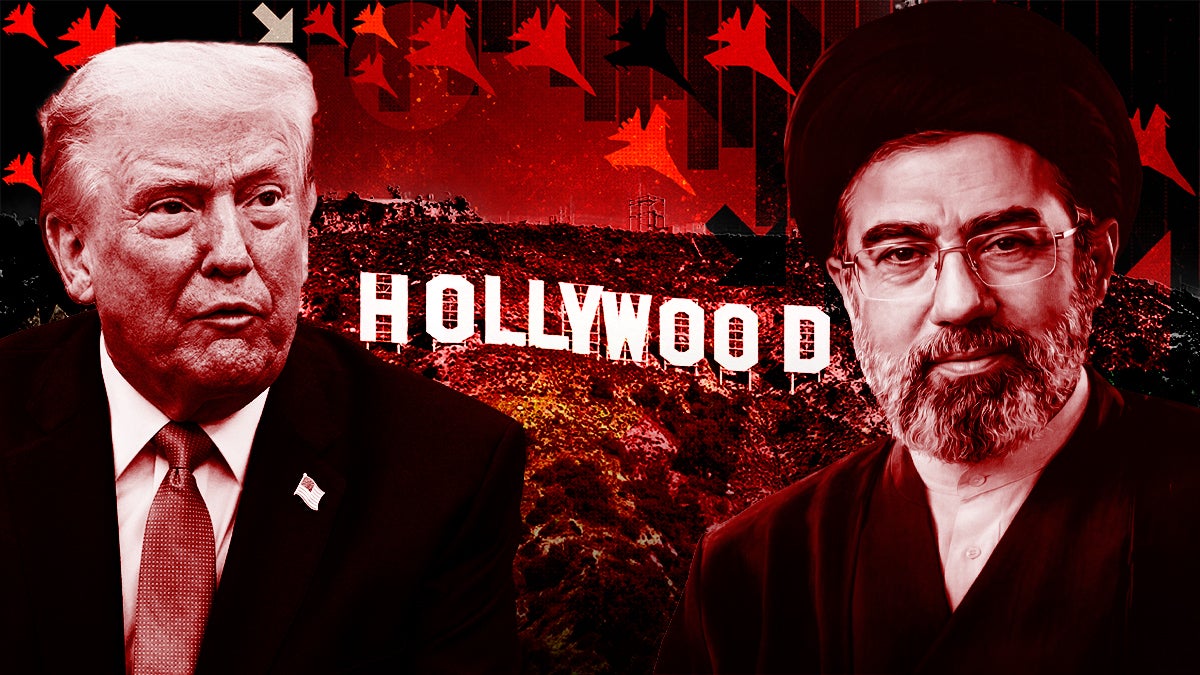
As the U.S. remains locked in a military conflict with Iran, Hollywood dealmaking that involves foreign investment from the Middle East could get caught in the crosshairs, experts say.
The Gulf has poured billions into the entertainment industry in the last few years. They include Qatar’s $150 million investment in Peter Chernin’s The North Road Company in 2023, Saudi Arabia’s $1 billion investment in former Lionsgate executive Erik Feig’s Arena SNK Studios and a $29 billion investment in a $55 billion buyout of Electronic Arts. And, of course, three Middle Eastern sovereign wealth funds have committed $24 billion in financing for Paramount’s acquisition of Warner Bros. Discovery.
But experts warned TheWrap that a prolonged or escalated conflict is poised to drive up financing costs and could cause delays in Gulf-backed transactions that have been signed but not yet closed, or see terms change. Meanwhile, deals that haven’t been signed yet may be put on hold for the foreseeable future. In extreme cases, some parties may also look to exercise “material adverse change” clauses and walk away from deals altogether depending on how long the situation drags out.
The result could freeze what has been a burgeoning source of funding at a time when Hollywood is in search of new money. While taking “Saudi blood money” had once been a source of hand-wringing and ethical debates, the last few years have seen entertainment companies show a willingness to cross that line. But the conflict may prompt the Middle East to start looking inward again, forcing the U.S. entertainment industry to look at alternatives in the interim.
“The current conflict only reinforces pre-existing inflation concerns and amplifies credit market volatility,” Dr. Christopher Kummer, an economist and finance professor at Hult International Business School, told TheWrap. “This pushes interest rates and borrowing costs higher, making the leveraged financing required for most large transactions significantly more expensive.”
“This is often what stops an M&A wave,” he added.
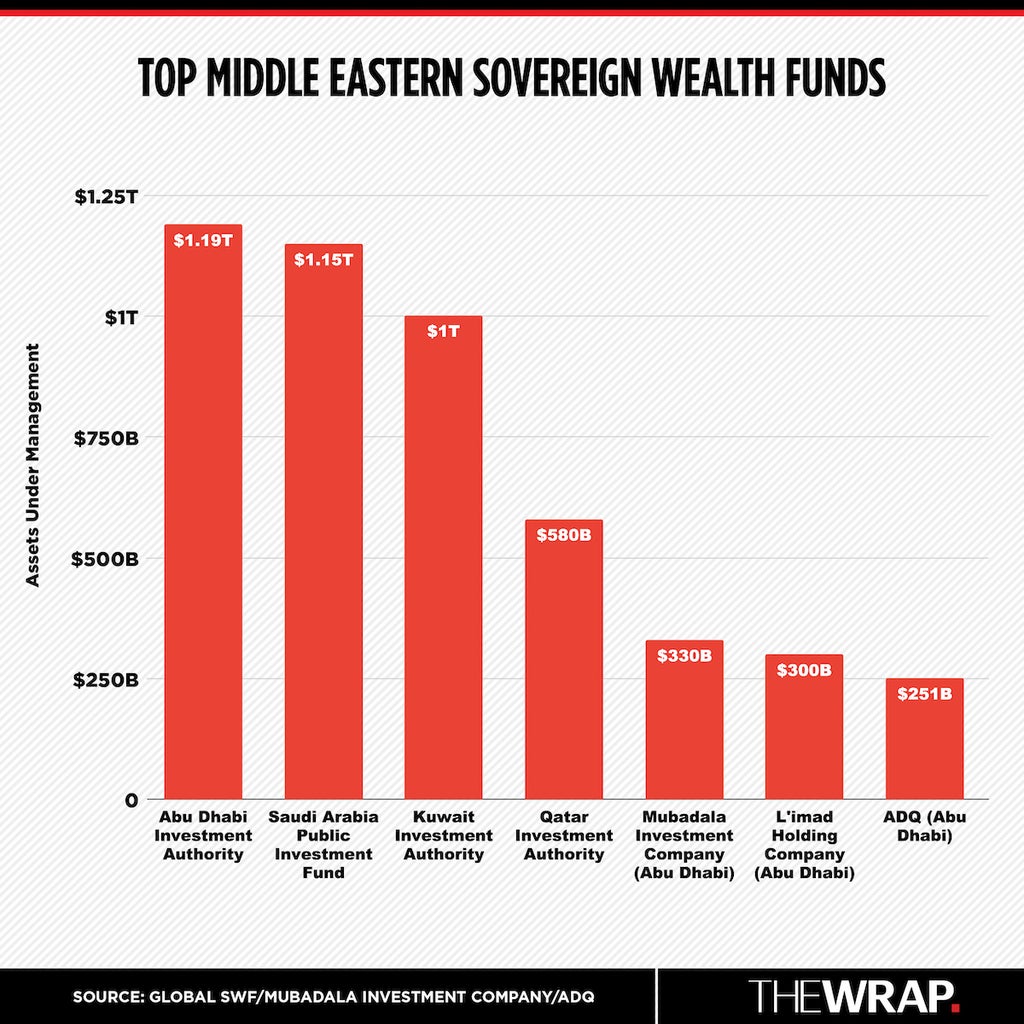
As for Middle East investment going forward, experts noted that sovereign wealth funds are likely to pivot their financial firepower towards defense and rebuilding efforts for their home countries’ economies in the short-term. In the event the conflict runs through April, Goldman Sachs forecasts that Saudi Arabia and the UAE’s gross domestic product could contract by 5% and 3%, respectively, while Kuwait and Qatar’s GDP could shrink by 14%.
“If this is all over and done in a couple of weeks, it’ll be in the rearview mirror,” MarketWatch co-founder Derek Reisfeld told TheWrap. “If this continues and there’s a lot of uncertainty and drones and missiles are flying back and forth, no one’s going to rush to invest.”
But, barring a “massive fundamental need” for capital to be allocated elsewhere, experts are skeptical that the Middle East would pull already committed funds and future investment out of Hollywood altogether, noting that the U.S. media and entertainment sector offers the attractive combination of strategic financial returns and global cultural relevance.
“There are certain parties and investors in the Middle East who view this strategically as the place they want to put money. Unless they get burned or their capital gets cut off, there’s some investors in the Middle East who will continue that regardless of the war. They view this as a way to diversify their investments and their economic opportunities outside of energy,” Milken Institute fellow Kevin Klowden told TheWrap. “The Saudis and the UAE and the others have been very clear that they don’t want to accelerate or exacerbate this conflict. It’s clear they don’t want to cut off business.”
“The money will start flowing again,” Kummer added. ”But investors may be more disciplined about the projects and partnerships they commit to.”
Representatives for Saudi Arabia’s Public Investment Fund, the Qatari Investment Authority, the Kuwait Investment Authority, Mubadala Investment Company, ADQ and L’imad Holding Company did not immediately return TheWrap’s request for comment on this story. A spokesperson for the Abu Dhabi Investment Authority declined to comment.

What gets disrupted?
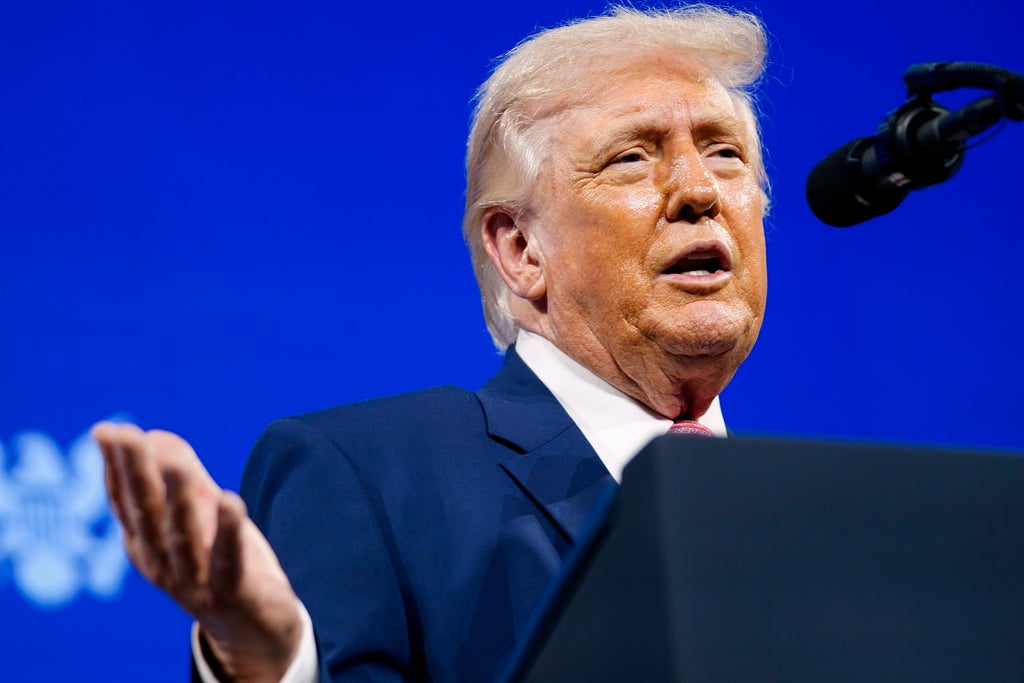
During the Saudi Arabia-founded FII Priority conference in Miami on Friday, President Donald Trump claimed that Iran is “begging to make a deal.”
“We’re negotiating now and it would be great if we could do something,” he added. “But they have to open [The Strait of Hormuz] up.”
Earlier in the day, the Iranian ambassador to the United Nations Ali Bahreini said the country would “facilitate and further expedite the safe passage of humanitarian shipments” through the Strait of Hormuz, which carries around a quarter of global seaborne oil trade and significant volumes of liquefied natural gas and fertilizers. The conflict has disrupted shipping and global supply chains and prompted a spike in oil and food prices, as well as borrowing costs, per UN Trade and Development.
If the Iran war had broken out two months earlier, Netflix would be buying Warner Bros. instead of Paramount because the “aggressive Gulf investment appetite in the deal would have been diminished in both dollar amount and valuation,” Lloyd Greif, the CEO of the investment firm Greif & Co., told TheWrap.
Paramount, which has not revealed whether the $24 billion financing is still included in its $110 billion deal, has maintained that the Ellison family and RedBird Capital Partners are prepared to fully back the $47 billion in equity financing, but said other strategic and financial partners may be included at closing. The deal is expected to close by the third quarter, with a shareholder vote set for April 23.
As it continues to go through the regulatory review process, some lawmakers have called for a national security review by the Committee on Foreign Investment in the United States due to the Middle East’s involvement. Paramount has said that the Middle East funds are passive investors with no board seats or governance rights and that their involvement is below the threshold that would trigger a mandatory review.
Paramount CEO David Ellison appeared at the same conference earlier Friday. He didn’t address the Middle East investment in the Paramount-WBD deal, and only reiterated his financial targets and stressed the combination would benefit the creative community. Trump gave Ellison a shoutout during his own speech just an hour later: “He just had a very big win and your father is very proud of you,” the president said.
Mazen Hayek, a Dubai-based media consultant and former MBC Group spokesperson, expressed skepticism that the Middle East would get involved in a deal like the EA buyout if it were put on the table today in the current environment. That deal, which also includes Silver Lake and Jared Kushner’s Affinity Partners, is expected to close in the first quarter of fiscal 2027, subject to required regulatory and shareholder approvals.
If the war concludes within the next month, the pair said the Middle East’s pre-war commitments across Silicon Valley, Hollywood, streaming, media and gaming will likely remain in place.
“Gulf sovereign funds and large private entities in the Middle East have a track record of honoring deals. Once capital is committed, it moves,” Hayek said. “One wouldn’t expect Riyadh, Abu Dhabi and Doha to backtrack.”
But if the conflict lasts for an extended period of time, funding commitments typically contain “material adverse change” clauses that would give an investor the option to back out.
“Acts of war usually are included in the definition of “force majeure” that would allow a lender or investor to pull their commitment,” Greif said. “That being said, doing so would represent a major setback for the objectives of these countries to diversify their economies away from their historically heavy concentration in oil and gas.”

A higher bar for investment
Moving forward, experts said the Middle East’s “blank check vanity era” is over and that their investments will likely shift inward to focus on national priorities, such as security, energy and renewables, infrastructure and distribution, as well as partnerships across Europe, the U.K., China, Russia and India rather than Washington D.C., Hollywood and Silicon Valley.
For entertainment, the focus may shift towards assets that serve regional and local audiences and efforts to build local IP and a sustainable regional creative economy, embracing creators, local talent and live entertainment like theme parks and sports.
“The goal is both securing a seat at Hollywood’s table while building a credible one at home,” Hayek said.
In the event that Middle East investment is redirected, Hayek said foreign investors in countries like Canada, Australia, India, Japan or Korea may be willing to step in to fill any gaps, but warned there will be “tougher diligence, slower timelines and less appetite for prestige swings” for dealmakers and “tighter packages, more co-financing and longer closes” for producers.
“The game doesn’t stop,” he added. “It just gets less forgiving, for now.”

UAE, Saudi Arabia remain committed to U.S. investments
Reuters reported earlier this month that some of the top economies in the Gulf Cooperation Council – which includes Saudi Arabia, the United Arab Emirates (UAE), Qatar and Kuwait – are reviewing how they are deploying trillions of dollars invested by their wealth funds to offset losses triggered by the war with the U.S.
PIF Governor Yasir bin Othman Al-Rumayyan told the FII Priority conference on Thursday that Saudi Arabia’s “microeconomic and physical position remains strong, stable and resilient” and PIF’s portfolio is “well diversified and structurally resilient.”
“We are a long-term patient investor. We measure our returns not in quarters, but in decades,” he said. “And PIF remains committed to its investments around the world.”
UAE Ambassador to the U.S. Yousef Al Otaiba sent a similar message in a March 17 letter to the U.S.-UAE Business Council, saying it remains open for business, committed to shared priorities and confident in the ability to navigate through the conflict successfully.
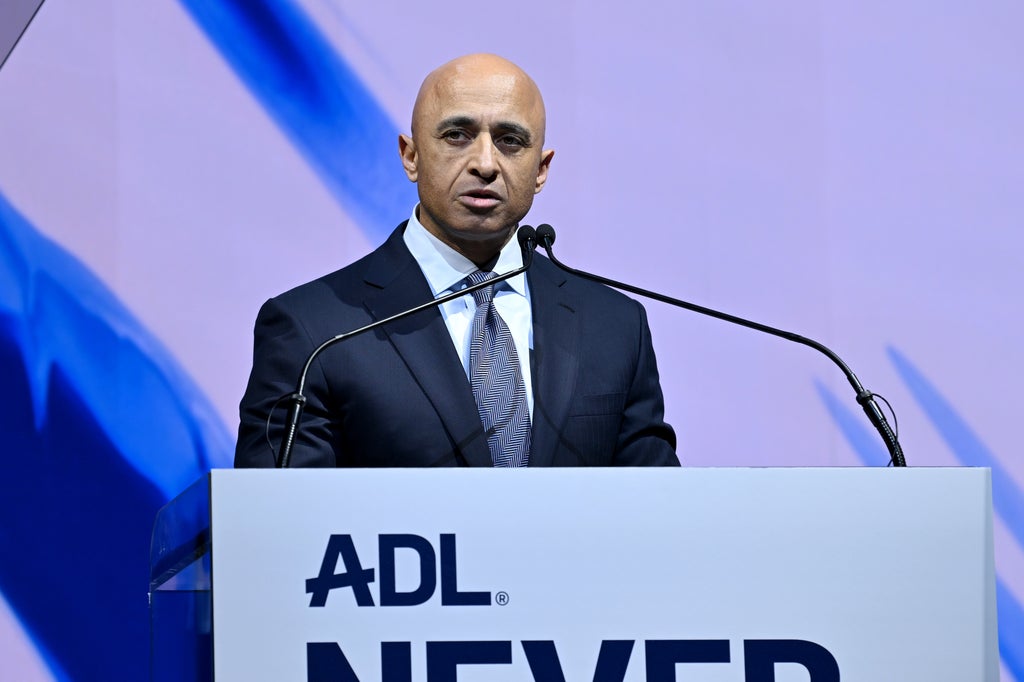
Otaiba noted that there have been over 45 deals between UAE and U.S. companies in the past 15 months alone and that the UAE’s $1.4 trillion AI investment and economic framework with the U.S. will stay on track with plans to accelerate deployment and funding. He also said partners including Disney, Microsoft, Oracle and Amazon remain “fully committed to their UAE projects and initiatives.”
“The UAE’s response to this moment is not to shelter in place. It is to move forward,” he added. “And we will do it alongside our closest partners in the U.S.”
Despite these assurances, experts warned that a “sense of nervousness and bitterness will likely linger” across the Middle East, particularly in the Gulf, for a long period of time regardless of how the war concludes. That sentiment will inevitably shape investment behavior, Hayek said.
Greif expects the pace and amount of foreign investment to slow down unless the threat from Iran is “neutered forever” and warned that a “TACO result,” an acronym for “Trump Always Chickens Out” embraced by Wall Street investors, would “shake Gulf nations’ confidence in the U.S. as a reliable partner.”
“Unless there is regime change in Iran, which would make all the bruising and battering that these Gulf countries have endured over the last month worthwhile, the sense of security and economic stability this region has enjoyed will be shattered for the foreseeable future,” Greif said. “Particularly vulnerable would be symbols of western culture, which Hollywood and the gaming industry represent. Expect Arab sovereign wealth funds to ‘look before they leap’ into the next U.S. entertainment and media transaction.”
