
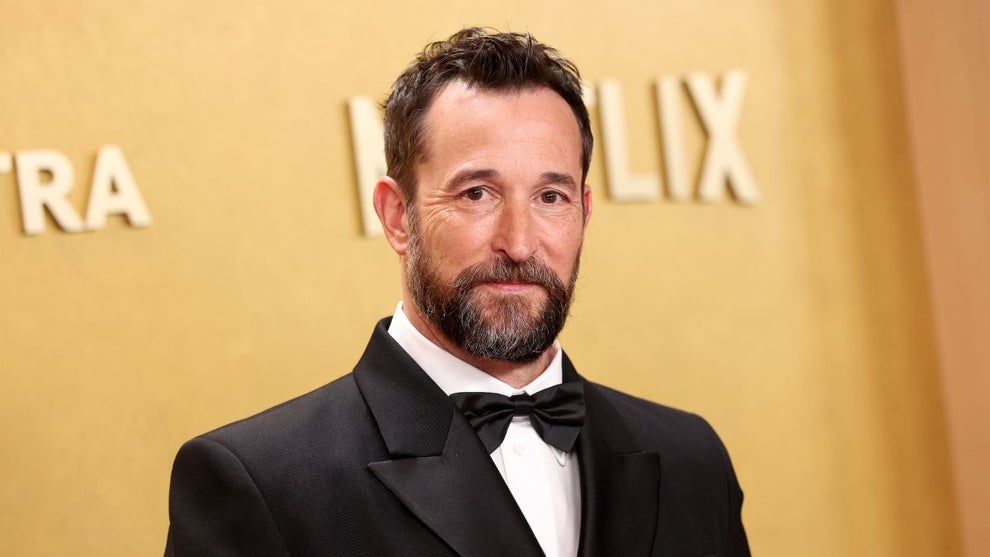
Noah Wyle, IATSE chief Matthew Loeb and former CNN journalist Jim Acosta met with Sen. Adam Schiff to discuss the rise in film and TV productions leaving the U.S. to shoot in countries that offer better tax incentives on Friday, altogether pushing for a federal film/TV tax credit.
“Without a comprehensive federal policy response, the U.S. risks turning its back on a signature American industry,” Loeb said during Schiff’s “Lights, Camera, Competition”: Promoting American Film Production” event in Burbank. “Federal policymakers must act to level the playing field and make the U.S. film and television industry more competitive on the global stage.”
He added: “A globally competitive, labor-based incentive for U.S. production that supplements state incentives is essential to return and maintain film and television jobs in America.”

At one point during meeting, audible gasps were heard across the room after Schiff said a total of 42,000 film jobs in the industry were lost in L.A. County between 2022 and 2024, per Politico.
The Emmy-winning “Pitt” star further noted the cruciality of state programs.
“It’s really hard to shoot a tv show in LA. And it’s really expensive. Prohibitively so,” Wyle said. “Unless you adopt an economic model, which takes full advantage of the California tax incentive, and in our case asks personnel to accept reductions in rates in the hopes that the speculation will pay off.”
He added: “It is vital to the strength of our industry and our city to support these incentives. It’s an investment on our city’s most precious commodity and biggest asset. It’s an investment in our people.”
Jax Deluca, executive director of the Future Film Coalition, echoed their sentiments with similar statements: “We must ensure that the American film industry is not sacrificed for corporate scale and control. A stronger Hollywood is built not through consolidation, but through competition, fair markets, and policies that sustain independent storytelling.”
“Prioritize policies to mitigate the existing harms to competition, labor, and local production ecosystems. This includes supporting public infrastructure, such as a national film board, and more incentives designed specifically for independent, non-studio-backed productions,” she continued. “Consent decrees imposed as conditions on previous media mergers have repeatedly failed to serve as meaningful guardrails. They have proven difficult to enforce, resource-intensive to monitor, and ineffective at preventing harm to competition, workers, and independent businesses.”
Acosta, meanwhile, pitched the idea of a tax credit for independent journalism, noting Trump’s continuous attacks against the media and the potential negative impacts the Paramount merger with Warner Bros. Discovery could have on the news industry (CNN, which is owned by WBD, would be lumped into Paramount’s acquisition).
“The news is broken, we may not be able to put the pieces back together,” Acosta said. “We need to talk about busting up big media,” he continued, calling Trump’s targeting of the press a “danger to our democracy.”
“[It’s] an assault on our freedom of speech,” he concluded, “taking us down the road of Putin and China to state-controlled media.”
