

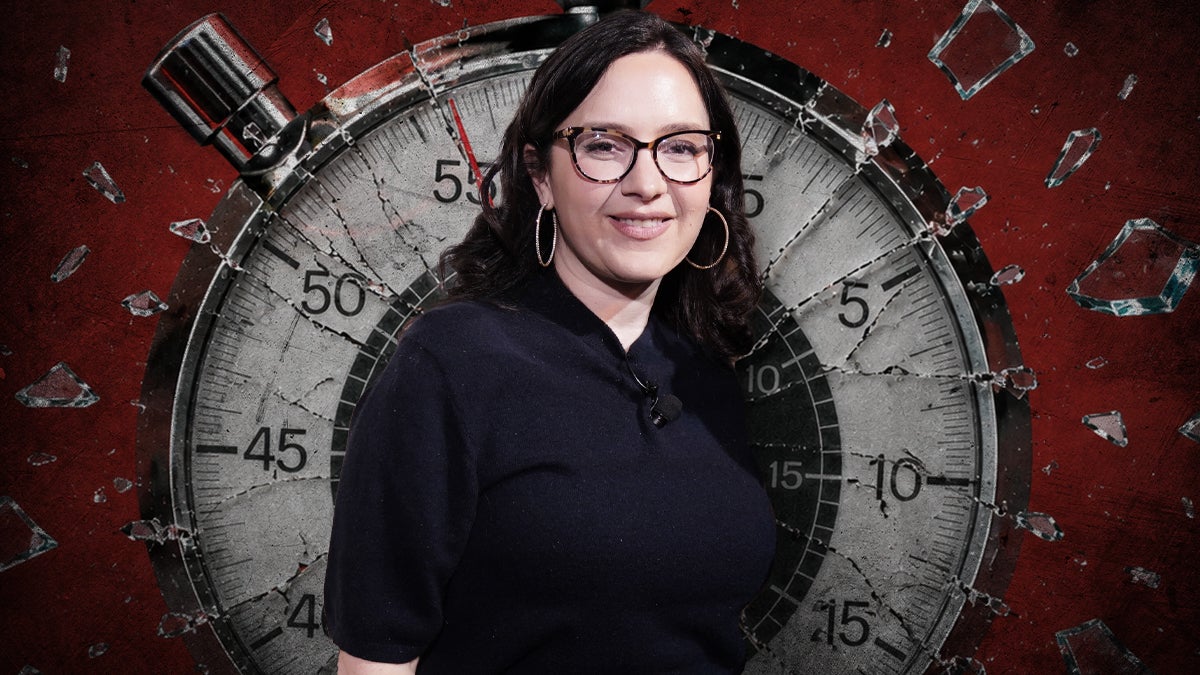
It didn’t feel like “60 Minutes” was broken before CBS News Editor-in-Chief Bari Weiss decided to fix it this week by firing the top executive who ran it, Tanya Simon, along with three other top correspondents with decades of experience and piles of awards to their names.
After all, the nearly 60-year-old TV newsmagazine is one of the most profitable and respected shows on broadcast, taking in $206 million in advertising in 2024, according to Guideline, a tracker of ad spending, and averaging 9 million viewers per show this season.
Less than two weeks ago, CBS put out a press release touting that the show had made television history with 52 straight seasons as the No. 1 news program in America.
“The 2025-26 season … saw exponential growth on linear, averaging 9.1 million viewers, a +9% increase and up +5% in the key A25-54 demo compared to the prior season,” it read.
So why did Weiss break it? It’s a risky move and one that feels reckless rather than strategic. In fact it’s her most reckless move yet.
In Simon’s place, Weiss put a tech and investigative journalist, Nick Bilton. Like Weiss, he comes from the world of print and, also like Weiss, he has no experience managing a massive broadcast news team, much less one packed with celebrity journalists.
“This is the best job in journalism,” Bilton waxed on in a letter to shocked staff on Thursday. “I’m here to lead this show. Not preserve it under glass.”
We’ll see if it remains the best job in journalism after the exodus of talent starts to kick in.
The others fired include veteran executive editor Draggan Mihailovich, and correspondents Cecilia Vega and Sharyn Alfonsi, the latter of whom went scorched earth on Weiss earlier in the week, accusing her of sowing “corporate meddling and editorial fear” in pulling Alfonsi’s segment on the CECOT El Salvadoran prison.
Vega went scorched earth herself after her firing on Thursday, writing in a public letter that the network attempted to insert “political bias” into the show’s stories, and that reporting teams are afraid to pitch topics “out of fear of the internal repercussions.”
“Let’s call this what is is: Censorship, both imposed and self-driven,” Vega warned. “It is dangerous for the show and dangerous for democracy.”
CBS responded late in the day that this was “not based in reality.” Noted.

Others suggested there may be more losses to come at “60 Minutes,” and that’s without counting the loss to the show when Anderson Cooper signed off the air on May 17 after 20 years in order to … spend more time with his family.
Damn. Has it only been seven months since Weiss took this job?
Weiss was brought in, not without controversy, last fall, and she set about to move fast and break things at the Tiffany news network. At the time, Weiss said her mandate was to drag the third-place network into the 21st century, but from the start her tenure has been tainted by the perception of Paramount CEO David Ellison’s business interests and the accusation that she sought to inject her center-right political views into the news organization.
This move is in line with Weiss’s soaring promises to remake news but instead deliver chaos tinged with political overtones. The CECOT story, by the way, was a master class in how not to intervene in a high level, sensitive story run by veteran pros. Weiss skidded in at the last minute, demanded changes, pulled the story and then failed to improve the story at all before finally airing it amid recrimination. All she did was damage the show’s credibility and alienate “60 Minutes” staff.
At first there was some belief that “60 Minutes” might be protected from the purge. After all, there was plenty to do elsewhere in the network, with the nightly CBS News broadcast in third place. (That has sunk even further since she put Tony Dokoupil in the “CBS Evening News” anchor chair, however.)
But never fear – Weiss has all the confidence in the world that a shake-up and a breakdown is just what this stuffy old network needs.
Funny enough, people I talked to last fall were insistent that the decades-old culture of CBS would ultimately consume and defeat Weiss. They said that she could make moves, set terms, issue directives all she wanted, but the forces of inertia would ultimately determine her end from the start.
Fast forward to: in a memo to staffers issued Thursday, Executive Producer Simon said “leadership has decided it is time for a new chapter” and called the show “more than just a broadcast: It is an institution built on independence, grit, and rigorous search for the truth. That is work we did together — and with ratings up 9% over last year no less. You should all be proud.”
Spokespeople for CBS News wouldn’t comment on the record, but allowed that Weiss had a vision and that she needed her people to execute it. The people who were “resisting,” as one executive put it, could not deliver that.
Another network executive pushed back on the idea that Weiss wanted “60 Minutes” to lean right, pointing out that Bilton did not come from MAGA-world and is a “serious journalist.” This executive neatly sidestepped the accusation of interference by Vega and Alfonsi.
No one is fooled by the pretense that Weiss is simply leaning into the future here.
“The wheels have come off over at CBS and Bari Weiss only has herself to blame,” said Jim Acosta, the former CNN correspondent, talking to Katie Couric. “They are doing this as this merger is under the approval process with … the Trump administration and they don’t care how bad this looks.”
It’s still very unclear what Weiss wants to build. But it’s pretty clear what she wants to destroy.
