
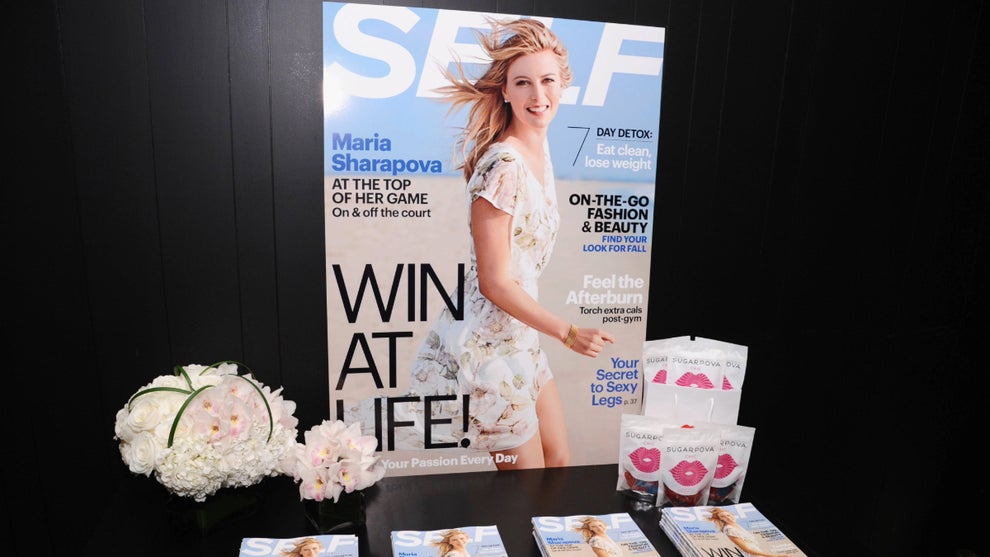
Condé Nast will shutter Self, the 47-year-old magazine focused on women’s health and wellness, and fold such content into Allure and Glamour.
“As audience behaviors shift, we have not seen a path for SELF to continue in its current form as a digital publication,” CEO Roger Lynch told company staffers in an email on Thursday, which was obtained by TheWrap.
The company will also end Wired’s Italian edition and wind down Glamour’s publishing arms in Germany, Spain and Mexico, Lynch said. The titles represented 1% of Condé Nast’s revenue, but “they also remain unprofitable.”
“Continuing to operate them in their current form limits our ability to invest in the ideas and areas that will drive future growth,” Lynch wrote.

Feed Me’s Emily Sundberg first reported the decision to fold Self. A Condé Nast spokesperson did not respond to an immediate request for comment.
Self magazine began in 1979, its first new publication in 40 years. It ended its print edition in 2017 as print advertising declined, the first Condé Nast publication to do so. Glamour also ended its regular print cycle in 2018, and Allure shuttered its print edition in 2022.
The move represents the latest content reshuffling at the publishing house. Condé Nast folded Pitchfork into GQ in 2024, Teen Vogue into Vogue last year and sold its LGBTQ+ site Them to Equalpride in February.
In February, the Financial Times reported that “seven of Condé Nast’s largest brands — Vogue, GQ, The New Yorker, Wired, Vanity Fair, Architectural Digest and Condé Nast Traveler — now account for 85 per cent of the company’s revenue,” and that the company “was exploring partnership or licensing models for Glamour and Self.”
Lynch said on Thursday the company’s technology division will also be restructured, “reflecting the rapid advancement of AI and its impact on our ability to innovate and build products faster.”
“None of these are easy decisions, nor are they a reflection of the quality of the work, or the commitment from our teams,” Lynch wrote. “These choices reflect how we are aligning both our brands and our technology organization to where we see the strongest opportunities ahead. We are grateful for the care, creativity and effort that have shaped this work over time.”
