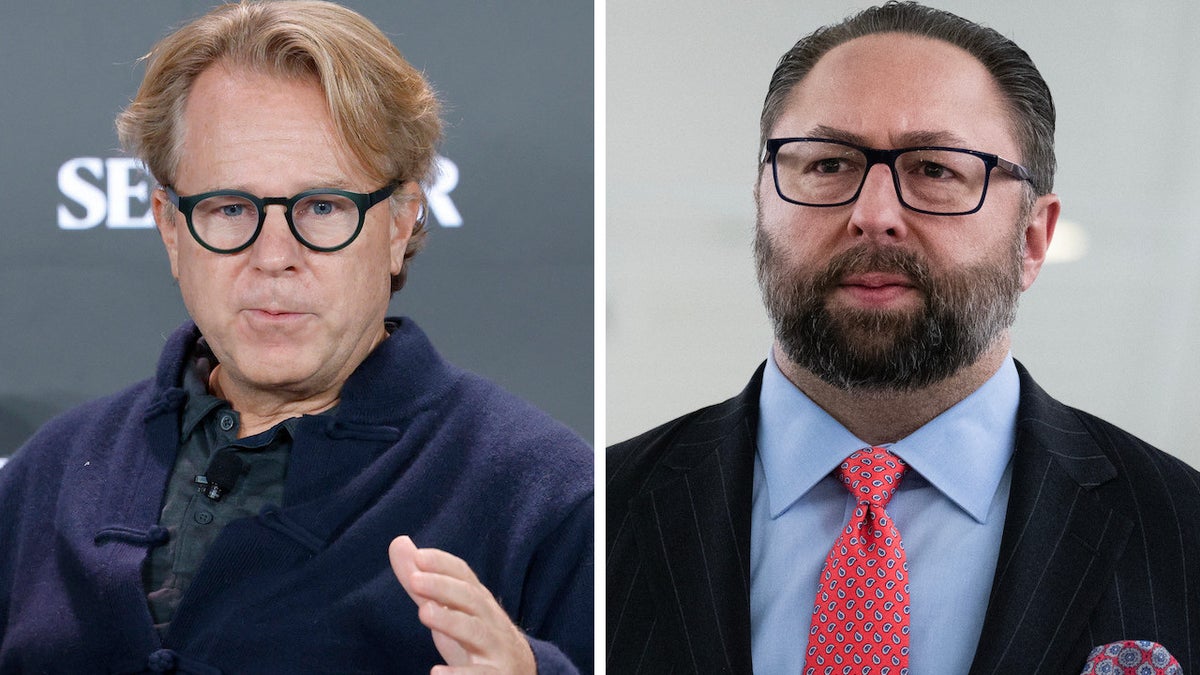
Semafor says its journalists are insulated from commercial influence, but its $100,000 consulting deal with Jason Miller exposed a problem in the other direction: Reporters covering one of his corporate clients weren’t told their employer was paying him.
For a publisher that has built a profitable events business around independent journalism, that information gap threatens something far harder to price than a speaker-booking fee: the credibility that makes its reporting — and the events built around it — valuable.
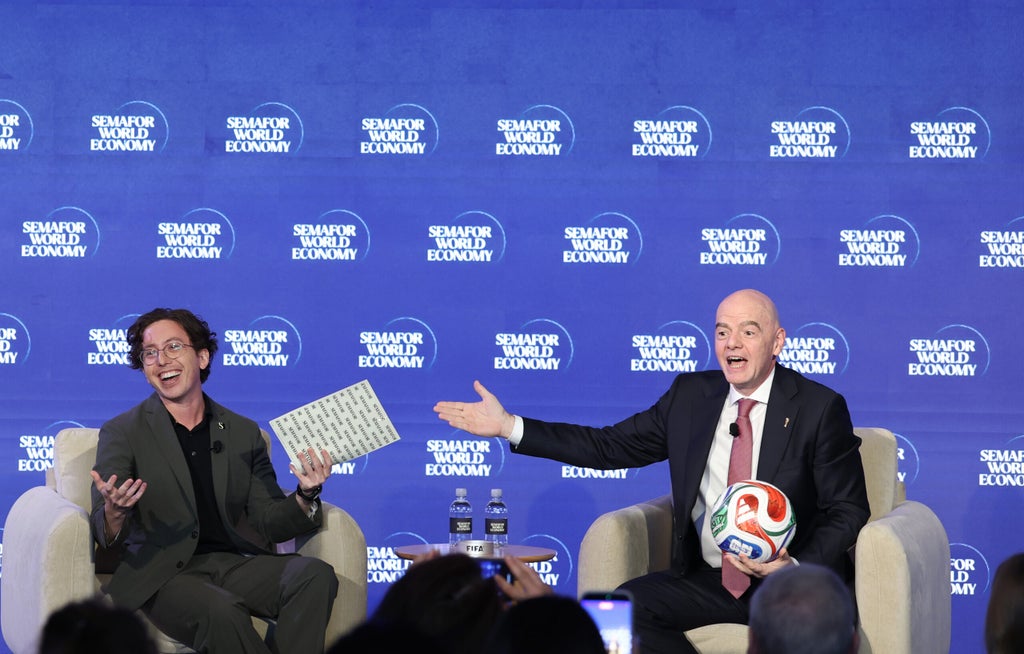
The company paid Scipio Strategic, a firm run by longtime Trump adviser Miller, $100,000 in April to help recruit guests for its World Economy summit. Paramount Skydance paid Miller’s separate firm, SHW Partners, $420,000 in March and June, according to financial records first reported by The Washington Post.
Semafor reporters covering Paramount’s pursuit of Warner Bros. Discovery considered Miller part of the story given that he was paid by David Ellison’s company, but didn’t know their employer was also paying him, as the outlet’s media editor later acknowledged.

The disclosure failure carries particular weight for a news organization founded partly on the promise of greater transparency. Semafor has promoted its journalism as a way to rebuild audience trust by distinguishing facts from analysis and opinion. Its journalists may have remained free from business-side interference, but they weren’t informed about a financial relationship relevant to their coverage. That put the credibility behind their work — as well as its journalism-driven events — at risk.
And, as Kevin Baron, who previously oversaw events at Politico and Defense One, put it: “Credibility is the currency.”
There’s no evidence Miller influenced Semafor’s reporting. But the controversy revealed a gap in how commercial information reached the newsroom. Veteran media reporter Paul Farhi said the arrangement raised concerns regardless of whether Miller was used as a reporting source.
“It gives the appearance of a conflict, even if the newsroom isn’t quoting him,” Farhi told TheWrap. He called the arrangement “a bad look for Semafor” and said journalists should have been informed about the consulting relationships.
The financial stakes are substantial for Semafor. Events generated roughly half the company’s $40 million in 2025 revenue, helping it report its first profitable year. The company, founded in 2022 by CEO Justin Smith and editor-in-chief Ben Smith, raised another $30 million in January at a $330 million valuation, with plans to expand its newsroom and events business.
That success has made securing influential guests a commercial priority. But it also creates a tension for publishers increasingly reliant on live events: The political relationships that help attract prominent speakers can become liabilities when they overlap with newsroom coverage.
A Semafor spokesperson told TheWrap that the company’s business team oversees clearly labeled sponsored sessions, while journalists retain control over editorial interviews without sponsor involvement or commercial restrictions. The company said it doesn’t pay speakers.
An unusual arrangement
Baron said he was familiar with consultants helping recruit speakers for private executive gatherings but hadn’t encountered this particular arrangement in his own editorial events work. Farhi similarly said he’d never heard of such a deal, though neither claimed to know how common comparable conflicts were across the industry.
Baron cautioned against assuming that paying an outside consultant meant the resulting journalism was compromised. Still, he said he’d expect a financial relationship to be disclosed when relevant to newsroom coverage, while acknowledging that journalists don’t need to know about every business-side hire.
Semafor maintains that using outside consultants is standard industry practice. In addition to Miller, the company worked with former Trump adviser Kellyanne Conway and Democratic strategist Adrienne Elrod to help recruit event guests.
Semafor’s own journalists have defended its independence. In a column Sunday, Semafor media editor Max Tani wrote that he’d never been pressured to soften coverage for commercial reasons. He described prospective guests withdrawing after Semafor refused requests to avoid difficult questions, including about the Iran war.
But Tani also acknowledged the reputational consequences of the consulting arrangements. He wrote that hiring the political advisers had fueled conspiracy theories that undermined Semafor’s reporting and undercut its message of transparency.
His assessment illustrates why editorial independence alone doesn’t resolve the problem. A newsroom’s journalism can remain uncompromised while undisclosed financial relationships create doubts about its work.
A fine line
In an internal staff note reported by the Post, Ben Smith acknowledged that some people in the newsroom and events team knew about the consulting arrangements, but most did not.
Following the revelations, Semafor added disclosures to 11 articles and newsletters involving Miller, Conway and Elrod and pledged to disclose relevant relationships going forward. The company said Miller wasn’t quoted or mentioned in its Washington coverage during his contract, though two business stories referred to him in passing.
The business rationale for hiring politically connected bookers, meanwhile, isn’t difficult to understand.
Semafor’s World Economy summit attracted more than 30 official partners this year. The company also promotes an invitation-only Principals program featuring private receptions, roundtables and curated networking opportunities.
Those offerings illustrate the commercial value of bringing influential people together, though they don’t establish that sponsors can purchase access to government officials or influence editorial interviews.
Baron said sponsors of Washington policy conferences often want to reach particular lawmakers, regulators or government officials rather than simply generate brand exposure. Journalists, meanwhile, want prominent guests because their interviews can produce news.
When Baron organized editorial events, his guiding principle was straightforward: “We had to make news on stage.”
Farhi described a market driven by competition for prominent guests and intermediaries who know whom to call.
“They’re selling the same thing lobbyists in Washington are — perceived influence with important and powerful people,” he said.
Hiring politically connected consultants can therefore make commercial sense. But the consultants may also have clients whose activities are being scrutinized by the same news organizations paying them. Semafor hasn’t identified which guests Miller helped recruit.
For Semafor, the challenge isn’t necessarily building a stronger wall between its newsroom and events business. It’s determining what information needs to cross that wall.
As the company expands its profitable events operation, the relationships of its paid consultants could become increasingly relevant to journalists covering its other clients. The business side shouldn’t dictate coverage, but editors need enough information to identify potential conflicts before they become public controversies.
The $100,000 payment to Miller was a business expense. The credibility behind Semafor’s journalism is an asset that could take considerably longer to rebuild if damaged.
