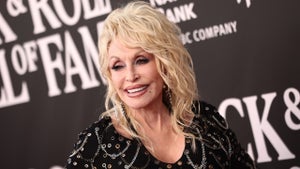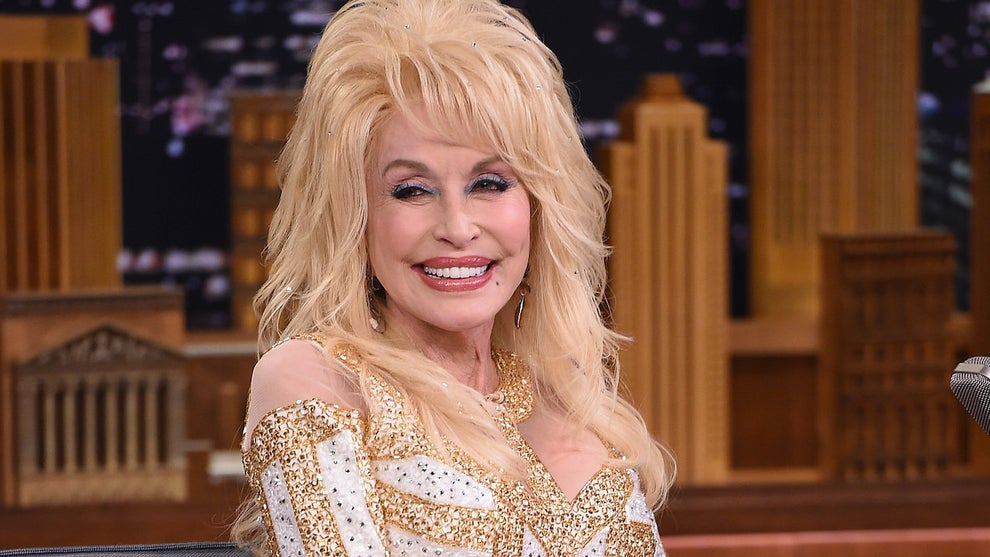
As tributes continue pouring in for Dolly Parton one day after her death, the cultural conversation has inevitably defaulted to her peerless songwriting, her multi-platinum catalog and her unmatched philanthropic footprint through the Imagination Library.
But many are missing the masterclass she conducted on culture’s most pervasive medium: television.
Long before social media algorithms flattened public figures into reactive memes, Parton understood that the television screen was a two-edged sword. It could beam an Appalachian storyteller into a hundred million living rooms overnight, but it also threatened to reduce complex, working-class women into punchlines.
While late night hosts and 1970s variety show producers thought they were laughing at her campy glamour, Parton was always the sharpest person in the studio. She famously quipped that “it costs a lot of money to look this cheap.” What television executives missed was that she wasn’t falling victim to the medium’s superficiality; she was weaponizing it.
On television, Parton turned her body into a cartoon so her mind could remain entirely free. She played the exaggerated “dumb blonde” persona with a knowing wink directly to the women sitting at home who understood the exhausting performance of domesticity and presentation. She took total control of her own objectification, transforming a medium designed to exploit female performers into a platform for her own empowerment.
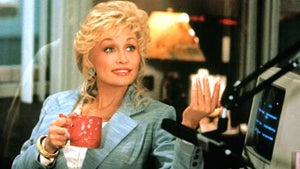
For nearly 60 years, Parton expertly utilized television as a highly calculated tool for image curation, transforming from a modest regional singer on “The Porter Wagoner Show” in 1967 into an unassailable global icon. Rather than letting the medium mock or diminish her hyper-feminine, rhinestone-clad aesthetic, she weaponized grace and razor sharp wit to completely subvert the condescending national media gaze.
This strategy is perfectly captured in her legendary 1978 interview with Barbara Walters, where she famously dismantled high-brow critiques of her appearance by explaining that she was “very real where it counts,” and through her decades-long, masterfully disarming rapport during appearances on “The Tonight Show Starring Johnny Carson.”
By treating late night sofas and variety specials not just as performance spaces, but as platforms to display both her radical candor and her undeniable technical musicianship, such as using her acrylic fingernails as a percussion instrument while working on “9 to 5,” Parton ensured that her visual magnification never overshadowed her genius.
This allowed her to command total narrative control, even using farewell appearances to pitch her expanding theme park empire, Dollywood, on “The Tonight Show,” Parton’s sophisticated media literacy enabled her to evolve her public persona from a novelty crossover act into a beloved, multi-generational symbol of American business acumen, philanthropy and pop culture royalty.
In an era of television defined by curated, focus-grouped “authenticity,” her legacy offers a roadmap of radical, joyful opacity. She gave television everything she wanted it to see, while keeping her inner life fiercely guarded. And when the landscape shifted from network variety shows to streaming-era prestige production, she didn’t just survive — she outlived the gatekeepers. Through projects like her Netflix anthology “Heartstrings,” she retrofitted her deep-rooted sense of Appalachian narrative authority into modern serialized television, proving she was a brilliant executive producer just as much as a performer.
The flat screens of the world look a little dimmer today. But every time a vintage clip plays, we aren’t just remembering a musical icon. We are watching a working-class Tennessee visionary who looked the media machine dead in the eye, batted her eyelashes and helped rewrite the rules of television forever.
Stuart N. Brotman is digital media laureate and distinguished senior fellow at The Media Institute. He served as president and CEO of The Museum of Television & Radio (now The Paley Center for Media) and was the inaugural visiting professor of entertainment and media law at Harvard Law School.