
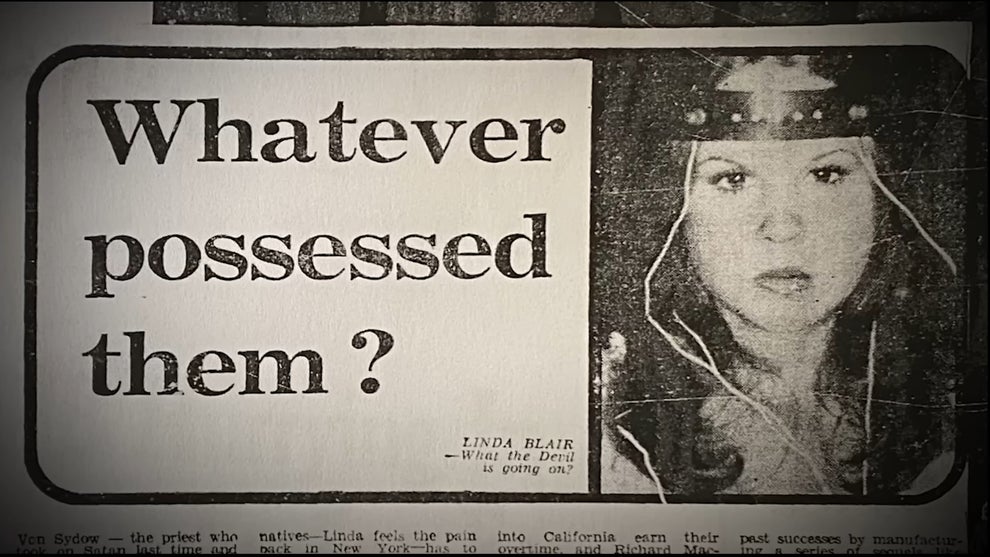
Everyone loves it when critics are wrong. Well, maybe not the critics, but everyone else seems to get a kick out of it. When a movie gets terrible reviews and then, years later, finally finds an audience who loves it, it’s the film that has the last laugh. Maybe the movie was ahead of its time and hits harder after a cultural shift has taken place. Maybe the critics were always looking at the movie from the wrong perspective and misinterpreted what the filmmakers were trying to say from the beginning.
Whatever the reason, we take note every time critics give bad reviews to a film that, in the end, people love. And the reason we do this isn’t because the critics are always wrong. It’s because most of the time, the critics are right. Otherwise, it wouldn’t be worth pointing out their mistakes. For example, critics hated “Exorcist II: The Heretic,” and although John Boorman’s box-office disaster was undeniably ambitious, inventive and technically dazzling, his film is still a hot mess almost 50 years later.
David Kittredge’s documentary “Boorman and the Devil” catalogs the bizarre history of one of cinema’s most notorious misfires through extensive interviews with Boorman and his cast and crew. There’s also insightful commentary from esteemed critics like Stephanie Zacharek and Bilge Ebiri, and horror filmmakers like Mike Flanagan (now directing an “Exorcist” movie of his own), Karyn Kusama and Joe Dante. The interviews offer wide-ranging points of view on “Exorcist II,” some sympathizing with the filmmakers’ plight, others barely holding in their chuckles at how badly all those efforts went awry.
Boorman seems especially wounded by the experience, which makes sense. He was a director on the rise after making great films like “Point Blank” and “Deliverance,” and this project, combined with his bizarre post-apocalyptic fever dream “Zardoz,” almost ended his career. He’s very frank about his intentions and how they went wrong. He’s also frank about how hard it hurts an artist when their audience rejects them. When asked what advice he’d give up-and-coming filmmakers today, he replies, “Find a better job,” and he doesn’t seem to be joking.
“The Exorcist” was, of course, one of the most financially successful and acclaimed motion pictures of the 1970s. Controversial to the extreme, but expertly made and profoundly powerful. A sequel was inevitable, and Warner Bros. enlisted a great filmmaker to make something special out of it. It would have been easy to simply do another film like “The Exorcist” and accept a paycheck. Stanley Kubrick turned the gig down, saying all the sequel really needed was more blood and gore.
Instead, Boorman created an “Exorcist” sequel about a teenage Regan (Linda Blair) processing her repressed memories of the original exorcism and teaming up with a psychologist (Louise Fletcher) and a priest (Richard Burton) to save her mind and soul. When you put it that way, it sounds like a grounded, intriguing idea for a continuation of “The Exorcist’s” story. When you actually watch it, you discover that “grounded” was never in the cards, because Boorman decided to fill his film with confusing sci-fi hypnosis machines, ill-conceived hallucinations of African mysticism and, what the heck, why not some tap dancing?
What went wrong? Well, the production had no shortage of disasters. Burton was notoriously unreliable, Boorman became deathly ill in the middle of the shoot, and the filmmakers went way over schedule and over budget. But it’s clear those disasters weren’t the root of “Exorcist II: The Heretic’s” problems. The film’s flaws, especially its overwhelming silliness, stemmed from filmmakers who intellectualized every aspect of the production and lost sight of what makes their story — and any other story — work in the first place. They tried so hard to do something interesting that they failed to introduce their characters and their narrative in a relatable way, placing the audience at such a distance that “The Heretic” became a film you look at but never fall into.
But to hear Boorman tell it, the real problem was that audiences expected more of the same. He didn’t make a straightforward horror movie, and that, allegedly, was his original sin. Watching “Boorman and the Devil,” however, reveals that this is a thin excuse. He sounds like he’s taking responsibility, but on some level, he’s still blaming the audience for having conventional, boring taste. He might have been vindicated if modern audiences agreed with him, but even the experts Kittredge enlists for this documentary don’t all agree that the film works. A couple do, but the majority of the critics and filmmakers only celebrate how interesting the film is, stopping notably shy of saying it actually works.
What’s remarkable about Kittredge’s film isn’t how informative it is. It captures all the initial enthusiasm for the project, gradually watches the reality dawn on the filmmakers and finally sinks into the depths of Hollywood hell. It celebrates artistic ambition without losing sight of the uncomfortable reality that artistic failure is always possible and sometimes very much earned.
Making a bad movie isn’t the end of the world, but you don’t have to overlook or deny the badness to justify all the effort that went into failing in the first place. “Boorman and the Devil” doesn’t redeem “Exorcist II: The Heretic”; it speaks about the film openly and honestly, flaws and victories alike, making this documentary infinitely more complete than other, fawning retrospectives about other, better movies.
Good or bad, ambitious or hackery, whatever a movie is, it’s always a work of art, and a work of art matters, for better or worse. In the case of “Exorcist II: The Heretic,” it’s almost certainly worse, but it’s fascinating to explore all the good intentions that went into this bizarre production and how artists can get in their own way, only to find themselves again, on the other side of disaster, stronger for having almost lost everything in the process. “Boorman and the Devil” is a Dante’s “Inferno” of a documentary: wild, unsettling, hilarious and profoundly observant.
