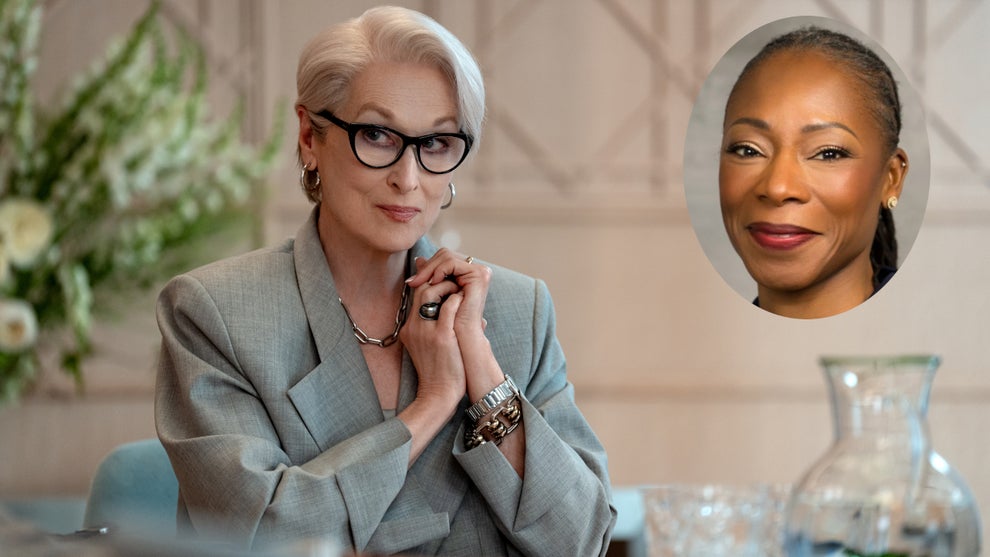
Hollywood is finally starting to tell a different kind of story, and women over 50 are right at the center of it.
Today, actresses over 50 are powering box-office tentpole films in leading roles and influencing culture in the process. The response is clear: Recent audience research on age-diverse storytelling finds 93% of adults say they’re likely to watch movies or shows featuring older leads. The heat around “The Devil Wears Prada 2,” including an opening weekend of $77 million in domestic ticket sales and $233 million worldwide, makes it undeniable: build major properties around grown-up women, and audiences will follow.
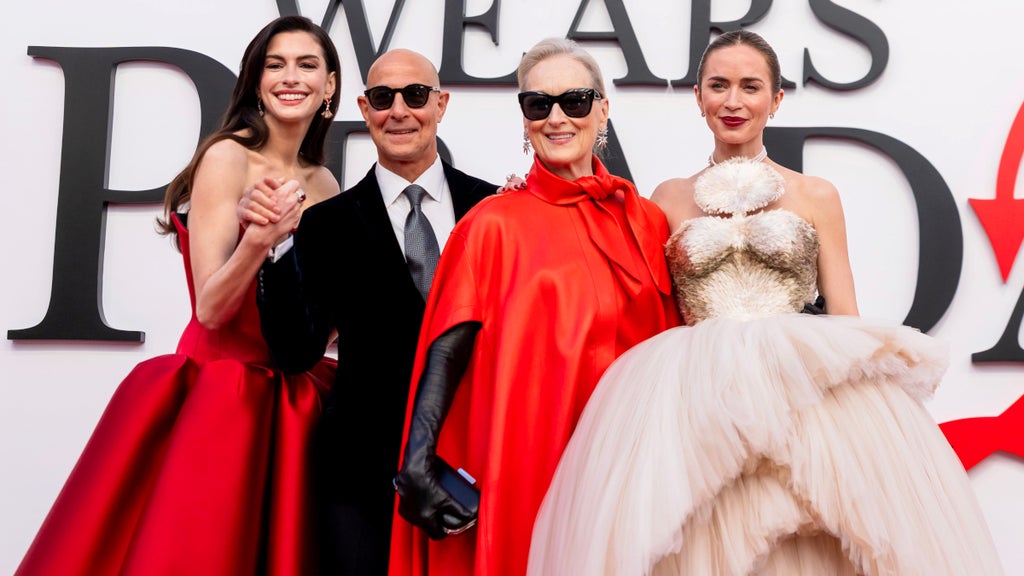
Meryl Streep, 76, recently said women over 50 have often been made to “disappear into the woodwork.” Now, they’re stepping out of it, with the presence and style that command – and deserve – attention. The buzz around “Prada 2” has been fueled in large part by a global press tour featuring dozens of looks for Streep and co-stars Anne Hathaway, Emily Blunt and Stanley Tucci. These red carpet moments have reverberated across fashion, culture and the economy, signaling that audiences are not just showing up for the film, but for what it represents: a sequel that transcends nostalgia and lands as a long overdue celebration of grown-up women – women who are central, complex, funny, romantic, formidable… and commercially compelling.
For years, “older-led” projects were treated as a specialty lane. But the data and demand reveal a significant disconnect: Age diversity actually makes stories much more relatable across audiences, with younger viewers especially eager to see intergenerational casts. AARP has long been ahead of this shift. For decades, its Movies for Grownups initiative has championed storytelling that reflects real life after 50, and challenges the industry to push beyond outdated stereotypes.
Fortunately, the data is now backed by a lot more star power. At CinemaCon, Sandra Bullock, 61, and Nicole Kidman, 58, helped launch the trailer for “Practical Magic 2,” a project with an estimated $125 million budget – exactly the kind of spend reserved for bets the industry believes can scale. Together, Bullock and Kidman command more than $7 billion in box office receipts.
Viola Davis, 60, now widely cited as the highest-grossing Black film actress in history, is credited with more than $15 billion in global box-office contributions; her 2022 action star vehicle, “The Woman King,” opened at No. 1 and reached $94 million globally.
Angela Bassett, 67, helped drive “Black Panther: Wakanda Forever” past $850 million worldwide and remains among the highest-paid actresses on TV (reported at $450,000 per episode for “9-1-1”).
We are well past a few standout moments; this is sustained momentum, and the returns speak for themselves.
The case has never been clearer: today there are 125 million Americans over age 50, living longer, healthier, more engaged lives – and they spend more than $10 billion annually on moviegoing and streaming. The “longevity economy” shows up in subscription decisions, opening weekends, and the long tail of library viewing and film festivals.
When executives talk about “finding growth,” the 50+ audience is already in plain sight, waiting to be fully tapped. The entertainment industry has long been youth-obsessed, but the momentum is now undeniable. Women over 50 are at the height of their influence, and aligning investment and marketing with them, and the audience they attract, unlocks significant value.

Here’s what that means in practice:
1) Greenlight for longevity, not nostalgia. Projects like “The Devil Wears Prada 2” work because they treat grown-up women as consequential – at work, in friendship, in conflict, in reinvention. They rise above a simple reunion play, and audiences can feel the difference.
2) Follow the money. If 9 in 10 adults say they’ll watch older leads, and the 50+ audience spends $10B+ a year on movies and streaming, the risk isn’t over-investing in women 50+. The risk is under-serving them – especially in romance, where 57% of adults say their age group is missing from dating and intimacy storylines.
3) Market with conviction. Visibility is part of the flywheel. When campaigns present older women as style icons, romantic leads and cultural forces, they expand what audiences expect and what brands can confidently align with. The lens widens, and consumer behavior follows.
Entertainment helps us make sense of who we are and who we may become. When women 50+ are depicted with depth and intention, it does more than correct the record; it expands what storytelling can be at every age and stage of life. The result is broader resonance: younger audiences see a future they can and want to grow into, and older audiences see lives that feel real, relevant, and possible.
The era of longevity is already here, with people 50+ driving an $8.3 trillion U.S. economy, a figure projected to grow substantially in the decades ahead. The question now is whether the entertainment industry, and business at large, will act on this opportunity or fall short of it.
Will the industry treat the “Devil Wears Prada 2” moment as an anomaly and return to the kind of progress that, to quote Streep, moves at a glacial pace? Or will they recognize the box office hit for what it is – a turning point – and build on it in a way that finally reflects the most powerful consumers in the market?
Audiences have already shown the way; the opportunity is to follow.
