
After the latest meeting between an Oscar winner and the President of the United States, the American film industry may finally have a path towards something that has been at the top of its political wish list for years: a federal production tax incentive.
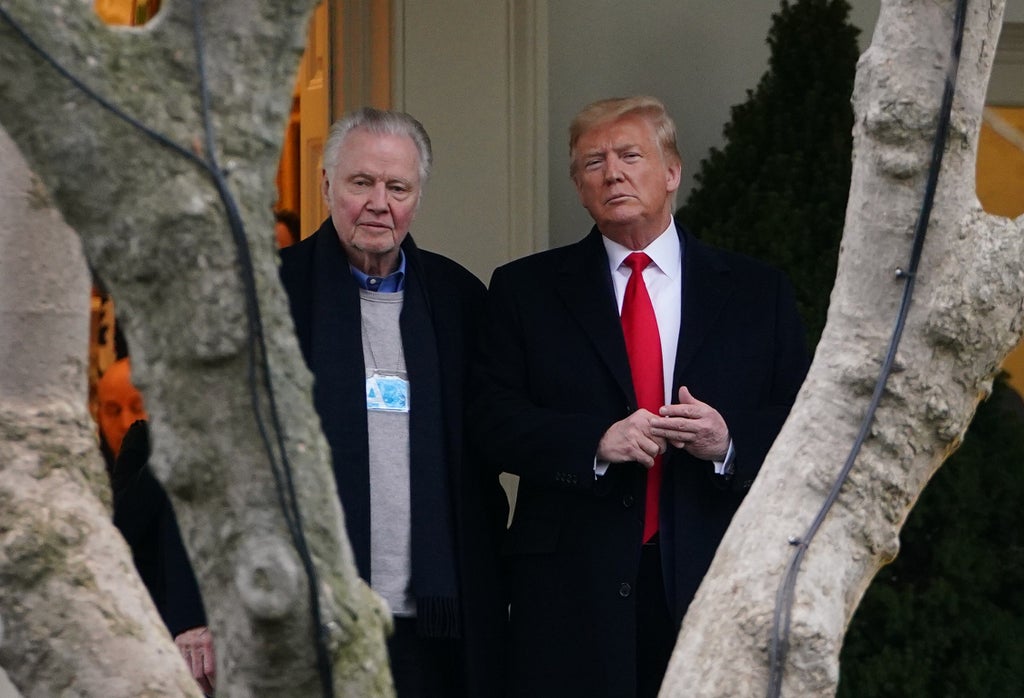
That breakthrough moment might have come on Monday, when President Donald Trump threw his weight behind the idea after speaking with one of his few outspoken Hollywood supporters, actor Jon Voight. After previous meetings between the president and the star of “Coming Home” about the country’s production exodus, Trump floated the idea of imposing tariffs on films produced outside of the U.S.
Now, with Voight’s urging, the president said on Truth Social that he is in favor of the incentive that a handful of lawmakers on both sides of the aisle have been quietly gathering support for over the past 18 months, and Congressional insiders told TheWrap that after next week’s recess, the incentive will be formally introduced as legislation with the hopes of getting it to Trump’s desk by the end of the year.
According to the insiders with knowledge of talks between the White House and House Republicans, the current plan is to introduce the incentive as a bill in the House Ways & Means Committee the week of Sept. 14. The details of the bill will be ironed out between now and then, but the current baseline for the incentive is a 20% tax credit on labor costs for all productions shot in the United States.
Such a program would be a huge salve to an entertainment industry that has watched for decades as competing incentives from overseas has steadily drained the production opportunities in Hollywood and the U.S. While individual states have tried to compete with their own incentives, including a richer program in California, a federal program would encourage more productions to return stateside.
“President Trump has made clear his intention to protect the dominance of the American film industry,” White House spokesperson Kush Desai told TheWrap. “President Trump is committed to Make Hollywood Great Again, and his administration continues to explore all possible policy options to ensure Hollywood remains a potent force of American culture.”
Republicans get the green light
It has been 29 years since Canada established a nationwide tax incentive to coax Hollywood studios to film movies and TV shows like “The X-Files” outside of the United States, and in the decades that followed, especially after the U.K. established its own incentive program in 2007, an increasing number of Hollywood’s most-watched titles have been shot in other countries as studios have taken advantage of foreign tax packages that the U.S., with its patchwork of local and state incentives, cannot match.
Whether because of a lack of political will or the perception that a nationwide credit would primarily benefit an industry associated with liberalism, passing this incentive seemed for years like a long shot. But over the past few days, public bipartisan enthusiasm emerged to push a policy over the finish line that would mark the U.S.’ biggest play in the global competition for film and TV jobs.
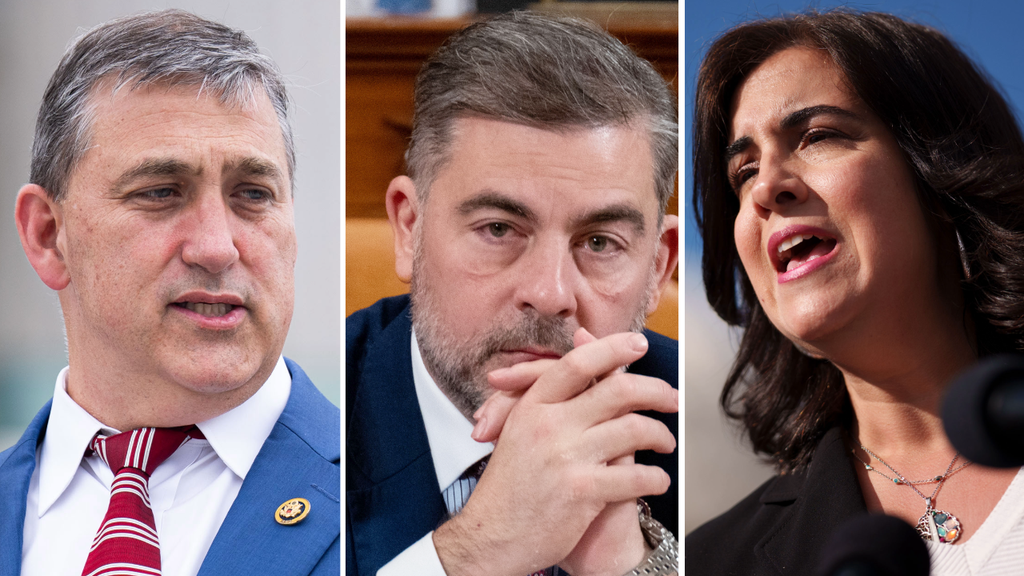
The Trump Administration is leaving it to the House GOP to work out the specifics, and among the Republicans on the Ways & Means Committee expected to be involved are Texas’ Nathaniel Moran, New York’s Nicole Malliotakis and Ohio’s Mike Carey.
Given the recent industry developments in those House members’ backyards, that is little surprise. Last year, New York increased the annual cap on its tax credit incentive program to $800 million while Texas increased the state budget allocations for its grant incentive program to $300 million every two years through 2035. In Ohio, which offers a 30% tax credit on eligible spending, Cincinnati was chosen to play Metropolis in James Gunn’s “Superman” and its upcoming sequel, “Man of Tomorrow.”
Outside of Ways & Means, the freshman bipartisan duo expected to run point on the incentive are Georgia Republican Brian Jack and California Democrat Laura Friedman, both of whom come from districts that have suffered from production flight in recent years.

Friedman, a former film producer, represents Burbank, the cradle of Hollywood filmmaking and where much of the tidal wave of grassroots and union organizing from production workers desperate for work has come since the 2023 strikes.
Jack’s district is situated just outside of Atlanta, once one of the most robust production hubs in America with Georgia’s uncapped tax credit program. But production spending in the Peach State has fallen to a 10-year low as companies like Marvel Studios, which moved production of its “Avengers” movies to England, have pulled up stakes to take advantage of incentive packages in countries that offer tax credits on the federal level.
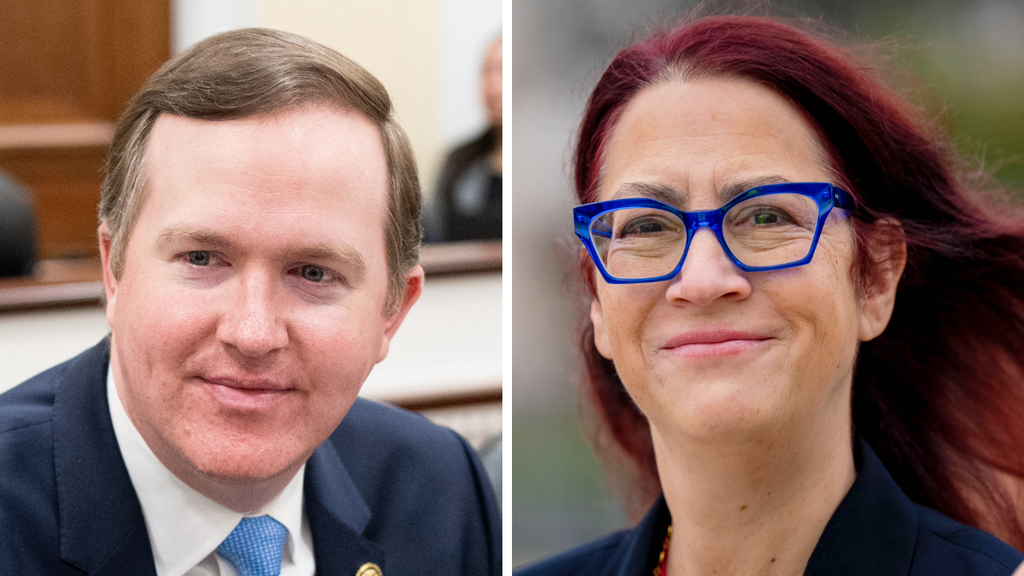
“My Congressional District is home to Trilith Studios, and I proudly represent the craftsmen, electricians and carpenters who work hard to create movies that inspire generations of Americans. I applaud President Trump’s leadership in calling for a legislative solution to bring film production back to the United States, and I look forward to working with him and my colleagues in Congress to achieve this important goal,” Jack said in a statement.
“This is an incentive that will benefit an industry that employes 2.5 million Americans, not to mention supports millions more in businesses that support film and TV productions,” Friedman told TheWrap. “I have had talks with Republicans on [the Ways & Means Committee] and many of them are in filming states, so they understand the importance of this incentive on a nationwide level.”
Meanwhile, in California …
On the Democratic side, sources said internal talks are still being held on who from the party will join Friedman in leading the charge on the incentive. But it is likely that the Dems’ large California contingent will play a role. Sen. Adam Schiff previously drafted legislation on a federal incentive, and House Dem Chair Pete Aguilar and Vice Chair Ted Lieu both expressed their support for the incentive in a press pool on Monday.
Another Democrat to watch is San Gabriel Valley Rep. Judy Chu, who is also on the Ways & Means Committee. In addition to supporting the federal incentive, Chu last year introduced the CREATE Act, a bill she co-authored with Rep. Malliotakis that would renew and strengthen Section 181, a tax law first enacted in 2004 that allowed film and TV producers to deduct up to $15 million in certain production spending.
The CREATE Act was introduced to the Ways & Means Committee in August 2025, but it hasn’t been picked up since. Consequently, Section 181, the only federal production tax credit on the books, expired at the end of last year.
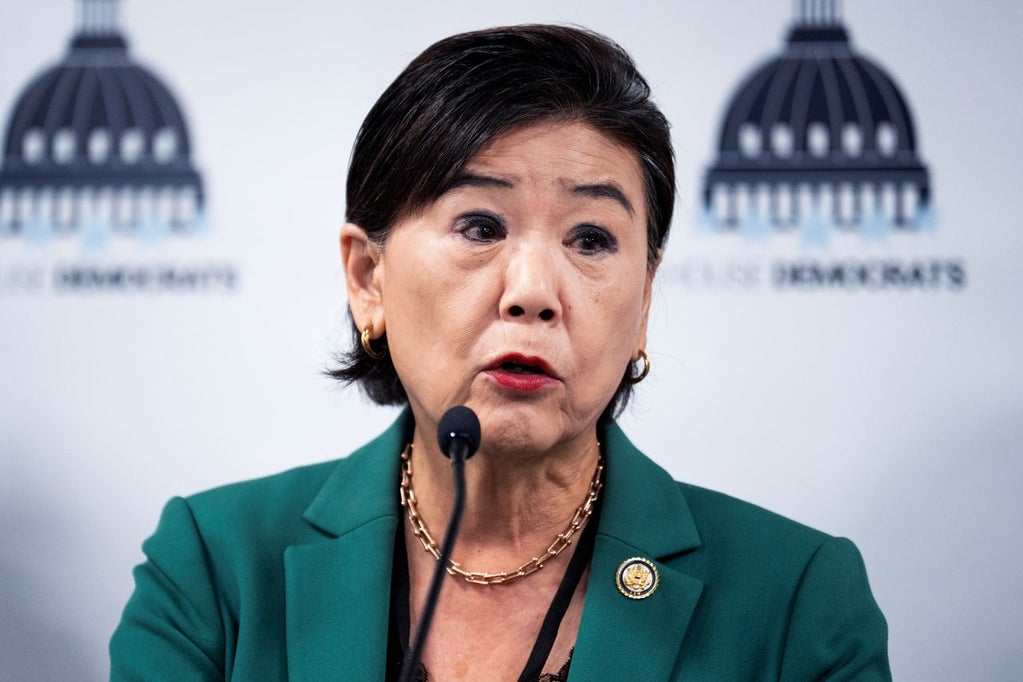
“While H.R. 1 extended bonus depreciation to include film and TV productions, that deduction cannot be taken until a production is released. The CREATE Act would allow eligible production costs to be deducted in the year they are paid or incurred, giving producers, particularly independent producers, access to the incentive when they are actually making the investments and creating jobs here in the United States,” Chu said in a statement to TheWrap.
“This is an area where Democrats and Republicans can work together. Congress should act quickly to pass the CREATE Act and establish a new tax credit for American film and television production,” Chu continued.
Once the incentive bill is introduced, it will be pored over by the MPA and lobbyists from other Hollywood entities like the Directors Guild of America and IATSE, among others, who will likely provide further input. Sources said that the MPA has been developing a months-long report on the economic impact of a federal tax incentive that is tentatively set for release in mid-September, around the time that the bill will be introduced.
If and when the bill gets lobbyist approval, expect a full court press from Hollywood, including a potential appearance from DGA President Christopher Nolan, who has been back in the public spotlight all summer with his mammoth box office hit “The Odyssey.”
This may also be the time when the DGA invokes a side letter it negotiated with the Hollywood studios during its labor contract negotiations this summer, with the studios pledging in writing to send some of their top executives to lobby for the federal incentive when deemed appropriate. The studios and their labor reps, the AMPTP, were mum on who exactly from the C-suites would go to Capitol Hill in that scenario, but it is a sign of the all-hands-on-deck approach Hollywood will take once a vote on this industry-changing bill is in reach.

On the political side, though, it is extremely unlikely that the incentive would be passed before the Nov. 3 midterm elections, where prognosticators expect Democrats to take control of the House with control of the Senate currently considered a toss-up. Given the number of committee votes and likely amendments the incentive will go through in both branches of Congress, insiders told TheWrap that mid-November is probably the earliest that the incentive could pass and be ready for Trump to sign into law.
Still, that would be ahead of schedule based on conversations TheWrap has had with several producers and studio execs this year, who had a general sense of optimism that the political will was finally building for a federal incentive, but did not expect serious progress until 2027. That’s why many of the industry statements in response to Trump’s announcement on Monday heaped praise on Voight for using his access to the president to get the ball rolling.
“Jon Voight has also been a strong advocate for bringing more film and television production back to the United States, and we recognize his efforts to advance this important goal,” SAG-AFTRA said in a statement on Tuesday. “We’re encouraged to see the administration recognize the importance of strengthening our domestic production industry and move in this direction.”
