
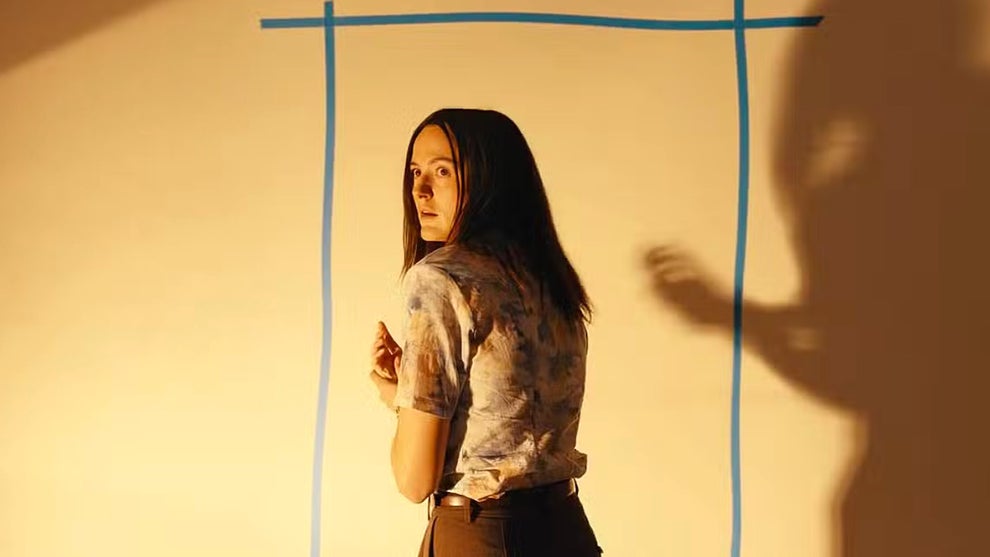
Every generation has its beloved horror movies. In 2026, some of Gen Z’s future favorites have finally started to take shape.
It’s an impossible task to distill a whole generation’s interests and sensibilities into a mere list of 10 films. But as someone who counts themselves among their number, this reporter has started to notice over the years what horror flicks have really taken root for Zoomers — the films that feel pivotal to the demographic’s perception of horror.
So what makes a horror movie a part of the Gen Z canon? That’s hard to narrow down. Maybe the movie actually comes from a young filmmaker. Maybe it simply arrived at an important time for the turn-of-the-century gen. Maybe it comes from an older filmmaker but speaks to themes and anxieties that are distinctly modern.

It’s also not just a measure of quality (“Sinners” is a masterpiece that feels like it transcends generation) or box office (though “Longlegs” came close). It’s just a feeling that these films will be uniquely important to horror Hollywood’s next class.
With that being said, here are 10 movies from the Gen Z horror canon:
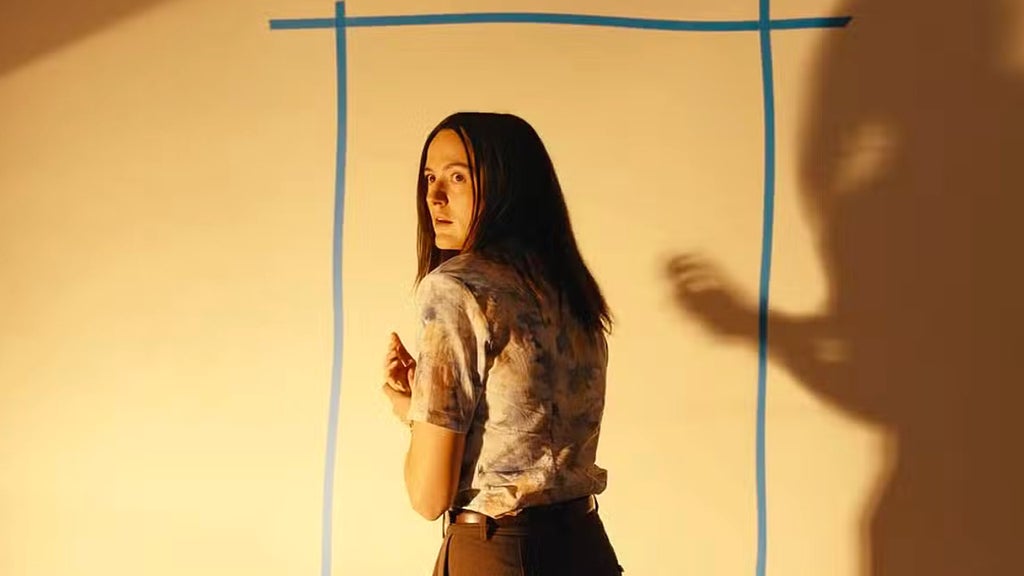
“Backrooms”
The past decade has seen the rise of the liminal space subgenre of horror, focusing on settings that feel close to our own reality but spookily off. The posterchild for this haunted house offshoot is “Backrooms” — merely a collection of scary stories, fluorescent-tinted photos and found footage YouTube videos on the Internet before Kane Parsons‘ 2026 feature (written by Will Soodik). When the premise did eventually make its way to the big screen, Parsons further proved himself to be a true cinematic talent, preying on young audiences’ fears of artificial intelligence, digital manipulation and anything in this world that feels just adjacent of reality. It’s an impressive instance of making a space seem truly haunted.
There are a few other films from the recent past that touch on similar themes, such as Genki Kawamura’s “Exit 8” and Alexander Ullom’s “It Ends” — both also from this year. “It Ends” in particular is an impressive exercise in low-budget filmmaking, using an endless road as a visual metaphor for the existential malaise faced by a generation that feels as if goals such as home ownership lie eternally out of reach. It’s one of 2026’s best.
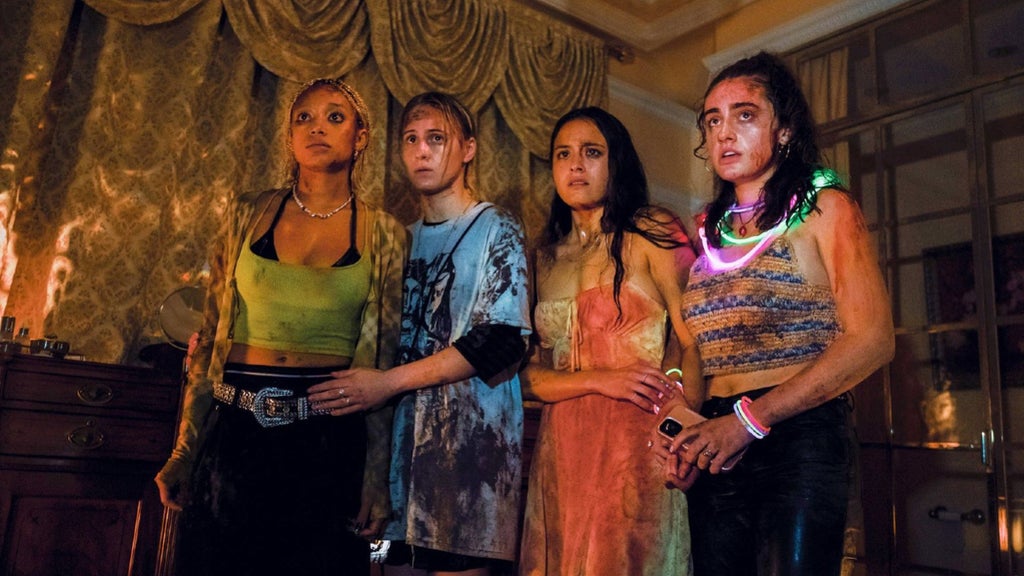
“Bodies Bodies Bodies”
Halina Reijn’s party film-turned-horror flick “Bodies Bodies Bodies” is a true delight. The movie, penned by Sarah DeLappe with a story by Kristen Roupenian, features an exceptional cast including Amandla Stenberg, Rachel Sennott, Maria Bakalova, Myha’la and Chase Sui Wonders — all trapped at a house party where they fear a killer may be on the loose. Without giving too much away about the film’s twists and turns, DeLappe’s screenplay is razor-sharp and frequently hilarious, picking at the flaws and insecurities of a generation inextricable from social media.
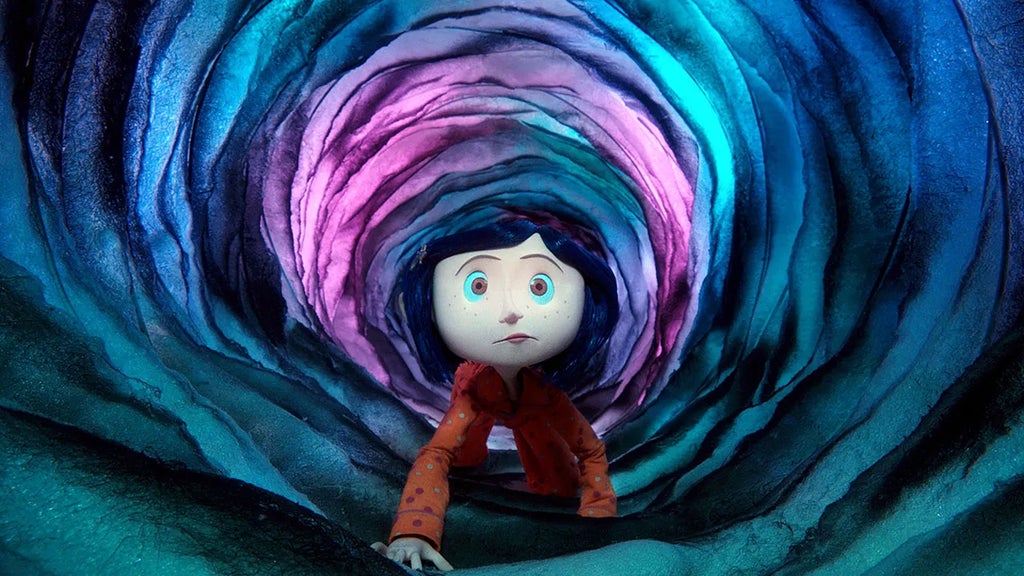
“Coraline”
For many zoomers, Henry Selick’s “Coraline” was probably, to a degree, baby’s first horror movie. The 2009 Laika fantasy film carries a PG rating, luring in some unsuspecting children who anticipated the standard family fare to which they’re accustomed. But “Coraline” is, to a child, terrifying. It’s a movie that has genuine scares and a delightfully creepy atmosphere. For this writer, it was enough to cause countless nightmares as a child — a foundational experience for any future horror fanatic.
Or maybe I was just a scaredy-cat when I was little.

“Five Nights at Freddy’s”
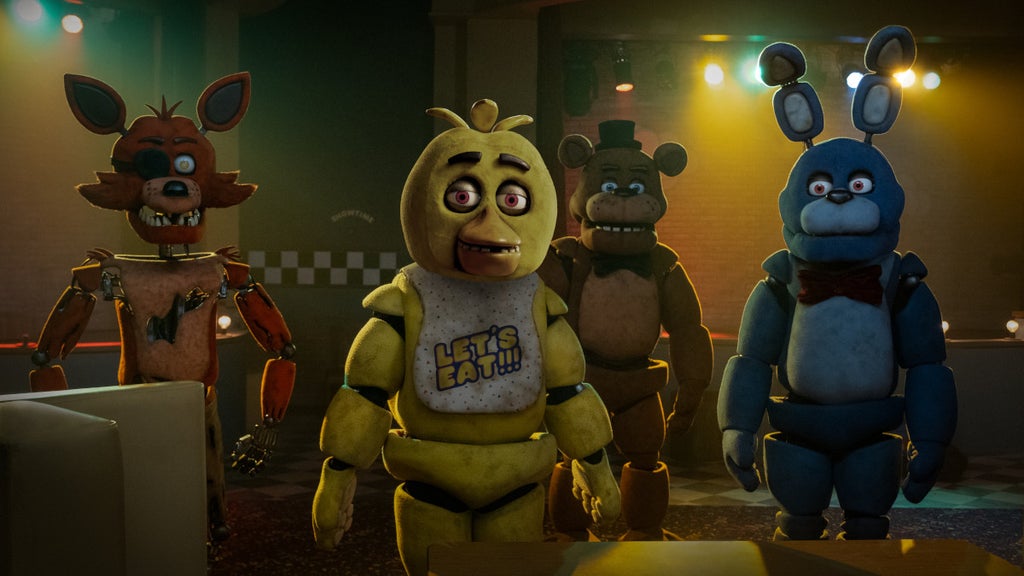
Listen, I’m not exactly going to call “Five Nights at Freddy’s” the best movie on this list, nor do I necessarily think it will be the most lasting. But there’s something to be said about it being one of the first movies to treat Gen Z’s IP like a beloved property on par with an ’80s reboot or superhero flick. And young moviegoers, who had for years been told that they were the ones letting cinemas die, turned out to see it — despite it going day-and-date on Peacock.
In some ways, “Five Nights at Freddy’s” was a bellwether for some of the other successes that were coming down the line. Would A24 have marketed “Backrooms” in the way that it did without this early success? Would “Iron Lung” have been able to become a box office hit? It’s hard to say. But I remember when I was young and the “Five Nights at Freddy’s” game series hit my world like a ton of bricks. Of course young people turned out to see it (plus, those Jim Henson’s Creature Shop animatronics are sick).
“Hereditary”
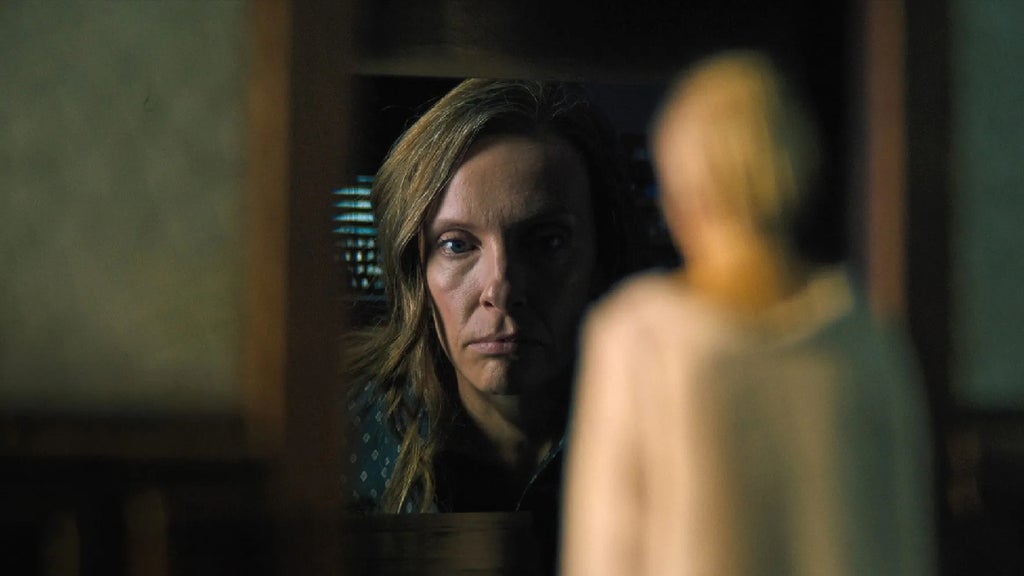
Ari Aster’s “Hereditary” will no doubt be an important touchstone for generations of horror filmmakers, with some young creatives like Curry Barker already citing it as such. (“I was 17 when that movie came out, and it really shocked my system,” he told TheWrap.) The 2018 hit is masterfully directed, intricately written and scary as all hell, with an incredible performance from Toni Collette at its center. Hitting even the oldest zoomers in their early 20s, “Hereditary” (and Aster’s follow-up, “Midsommar”) came at just the right time for many burgeoning Gen Z horror fans.
“I Saw the TV Glow”
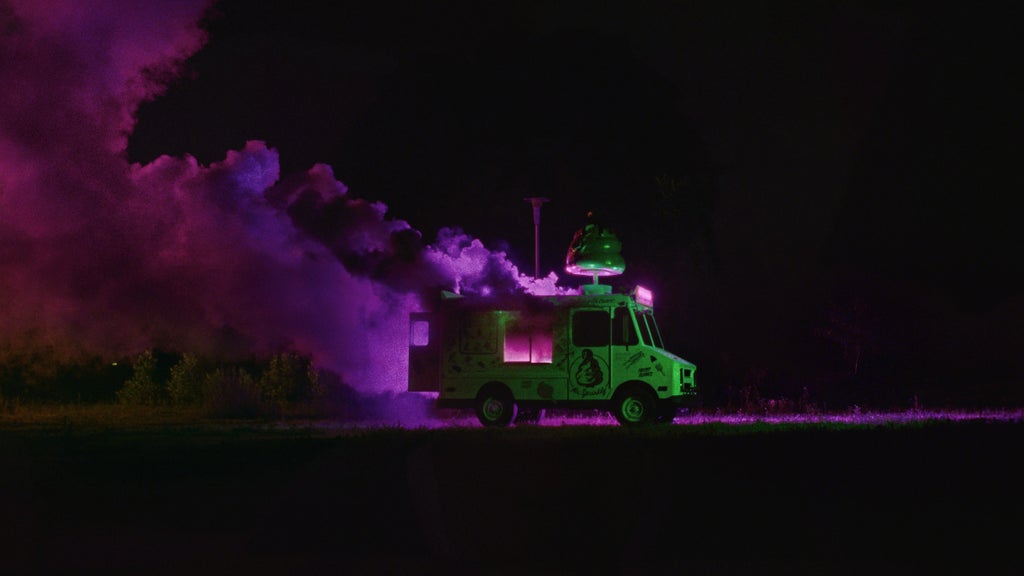
Few, if any, filmmakers have proven to be as skilled at portraying how uniquely a life spent staring at screens can affect people as Jane Schoenbrun. Their debut feature, “We’re All Going to the World’s Fair,” touches on this idea beautifully, focusing on the effects that nights spent at the computer can have on an isolated young person.
But Schoenbrun’s best work to date is their sophomore film, “I Saw the TV Glow,” a haunting and emotional horror flick that stands among the decade’s best. The writer/director’s examination of reality and queer identity in this surreal horror flick is impactful and wholly unique, mixing existential dread with moving self-expression. It’s liberating and it’s terrifying. “I Saw the TV Glow” is one of one.

“Nope”
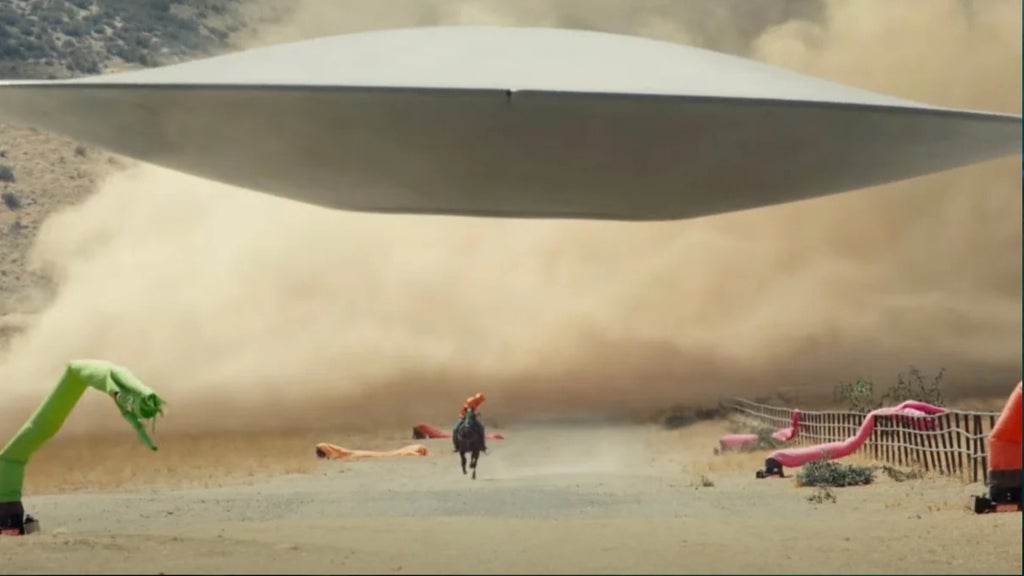
With three phenomenal films already under his belt, Jordan Peele may go down as one of the greatest horror directors of all time. His latest feature, “Nope,” is his most ambitious yet — and his best. There’s a lot on Peele’s mind in this western creature feature, including the relationship between spectacle and horror, our inability to look away from things we know can hurt, even kill us. These themes are similarly touched upon in Pascal Plante’s “Red Rooms,” a similarly remarkable though much less seen film from the 2020s. It’s a powerful metaphor for the doomscrolling generation, beyond the fact that “Nope” is simply one of the finest horror films to release in our lifetime.
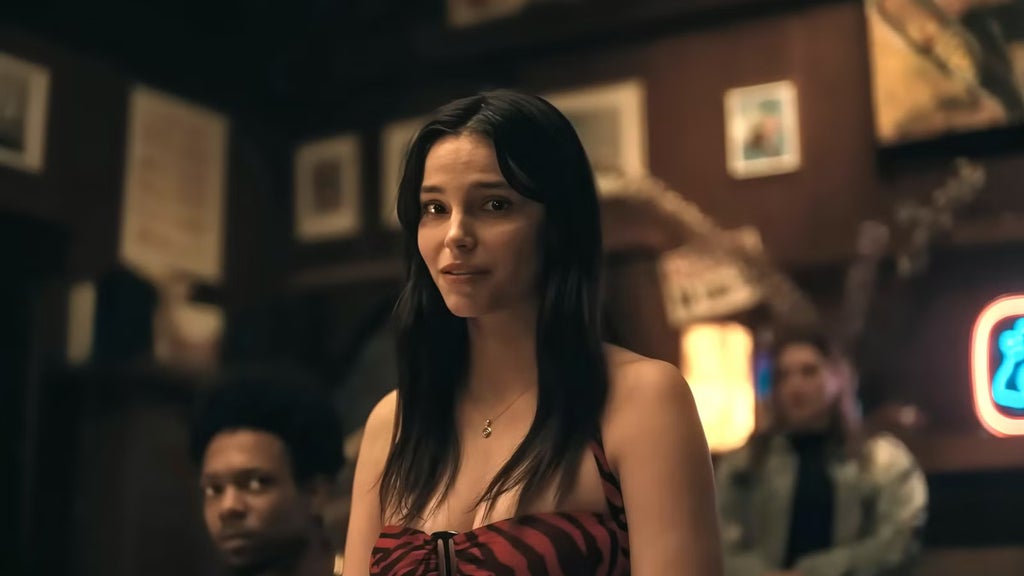
“Obsession”
There are horror films that speak to Gen Z, and there are horror films that are made by Gen Z. “Obsession” is one of both. The film became a complete word-of-mouth phenomenon, breaking box office records and immediately becoming one of the defining horror movies of the decade. Curry Barker announced himself as a voice to watch in the genre, while Inde Navarrette delivered a remarkable and instantly iconic performance. Beyond what the movie has to say about a modern culture of “nice guys,” it’s clearly a major moment for a new generation of horror enthusiasts.

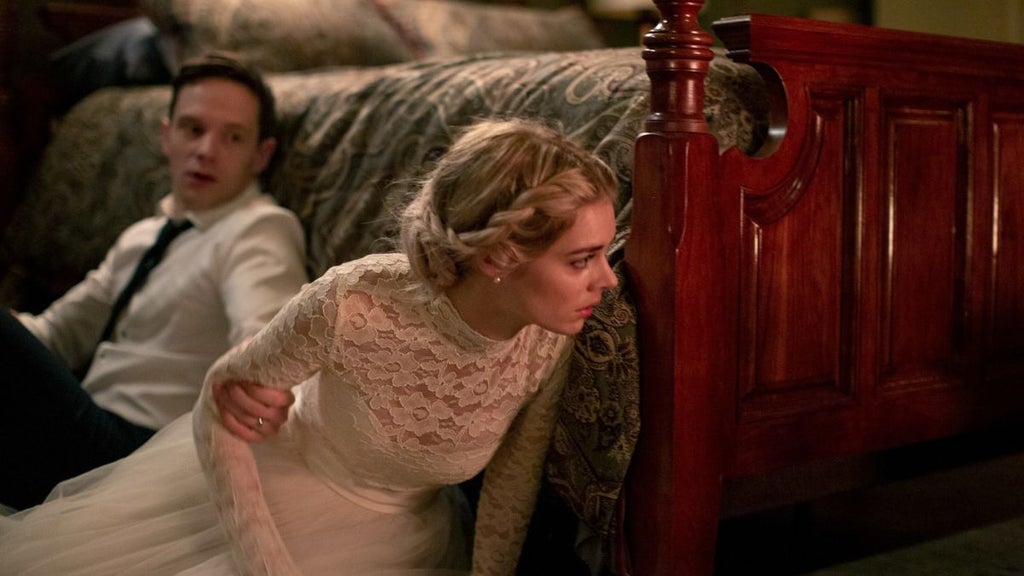
“Ready or Not”
“Ready or Not” lies at the intersection of a few key elements of modern horror. It’s directed by Matt Bettinelli-Olpin and Tyler Gillett of the Radio Silence collective, a group that’s had its hands in such films as the “Scream” reboot, “V/H/S” and the upcoming “The Mummy: Book of the Dead.” It’s also a pivotal entry in the emerging “Good for her” subgenre, led by Samara Weaving in an absolutely remarkable performance. While horror-comedies certainly aren’t anything new, movies like “Ready or Not” or Christopher Landon’s “Happy Death Day” feel like their own flavor of that subgenre — one that clearly speaks to modern audiences.
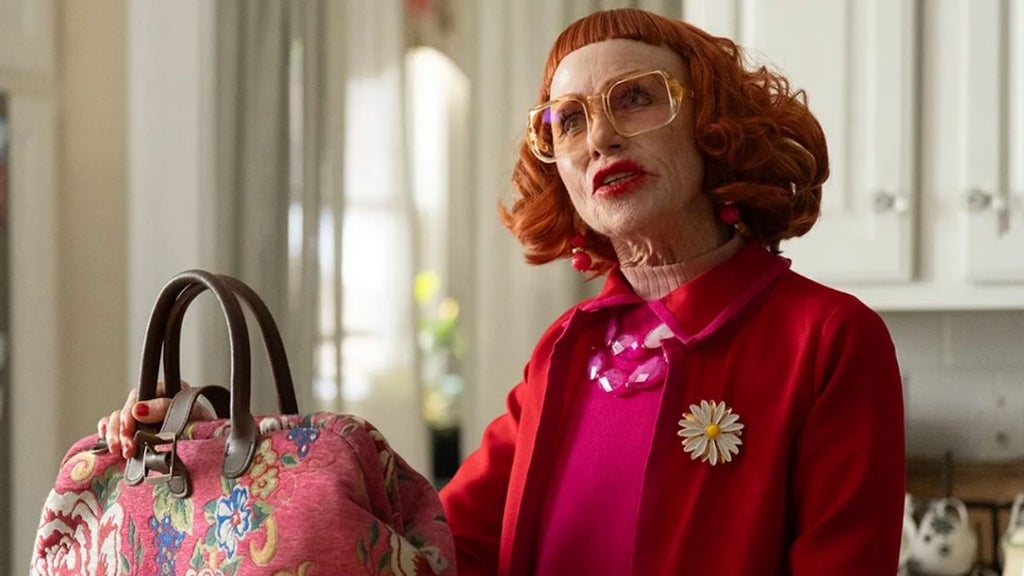
“Weapons”
Between the all-star trio of “Barbarian,” “Resident Evil” and “Weapons,” Zach Cregger is clearly going to be a key voice in horror for years to come. While “Barbarian” announced the arrival of an exciting new filmmaker and “Resident Evil” breathed new life into the concept of the video game adaptation, Cregger’s middle film helped make him a brand unto himself. There’s a lot to love about “Weapons” — Amy Madigan’s Oscar-winning performance (and a stellar ensemble in general), the film’s exhilarating non-linear structure, an intriguing and mysterious marketing campaign.
More than anything, Cregger has created a chewy, thematically rich horror movie that beautifully preys on modern anxieties. What if an entire classroom of children “disappeared”? What if an older generation refused to cede power and treated youth as collateral? What if simply going to school made you bear witness to a trauma that could never be undone? It’s haunting.
