

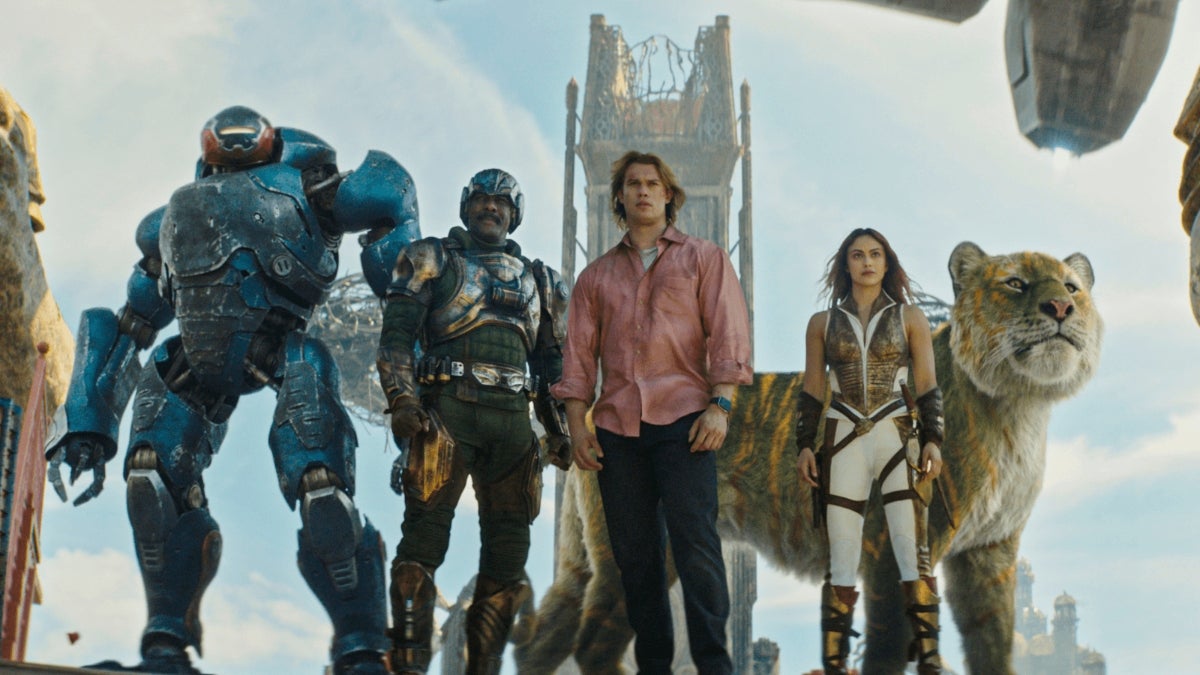
Who killed He-Man?
This was the question on Hollywood’s mind when “Masters of the Universe,” the latest take on the beloved Mattel property that began in 1982, wound up face-planting this month.
On paper, it had the makings of a hit. The property boasts a fanbase that grew up on the combination toy line/animated series that thrived in the deregulated Reagan ’80s, the same period in which “Transformers” thrived. An attempt at a live-action adaptation had been mounted once before, in 1987 by Cannon, which was a hit but arrived as the studio was in deep financial decline. This version, from the deep pockets of Amazon MGM Studios and creative wizardry of Travis Knight, head of the stop-motion animation studio Laika and the director of the similarly timeless “Bumblebee,” seemed like a no-brainer.
Instead, “Masters of the Universe” made less than $30 million in its opening weekend, with a budget rumored to hover around the $170 million mark. The second weekend didn’t fare any better as the film had a huge drop of 71% for a total of just $8.4 million. That may spell an end to its theatrical run, with the animation heavy- hitter “Toy Story 5” on the way.
The poor reception to the film, which came as YouTubers-turned-directors Curry Barker and Kane Parsons found success with younger audiences keen to see “Obsession” and “Backrooms,” respectively, raises questions about the viability of 1980s-inspired features and whether that nostalgia fare has any relevance in today’s theaters.
While some Gen X male moviegoers are showing up to watch these movies, they’re dwarfed by the wave of younger audiences seeking something fresh.
Said one top talent agent of the ripple effect the “Masters of the Universe” failure may have on the wave of films yet to come this year: “Gen X nostalgia IP is likely a thing of the past. I would think the rest of them bomb,” they said. “I just think Gen Z audiences want stuff that’s more grounded and less escapist and any super hero and most big IP are not grounded; they’re pure escapism.”
Ana-Christina Ramón, director of the Entertainment and Media Research Initiative at UCLA, agrees that the disconnect comes down to audience.
“Gen Z is looking for films that feel exciting and connected to something that’s already been part of their world,” she said. “The movies that have done well built an audience through other channels before they even hit theaters. For ‘Masters of the Universe,’ there was no recent connection to Gen Z — so it’s not surprising it didn’t perform.”
Still, others blame the team behind “Masters of the Universe,” and warned not to read too much into this single flop.
“The reality is that the project was mishandled from day one,” a dealmaker told TheWrap. “It had the wrong producers, the wrong creative strategy, and a marketing campaign that completely failed to communicate why modern audiences should care.”
With this in mind, TheWrap took a look at other 1980s IP in development and on the slate and how the failure of “Masters of the Universe” could impact those projects.
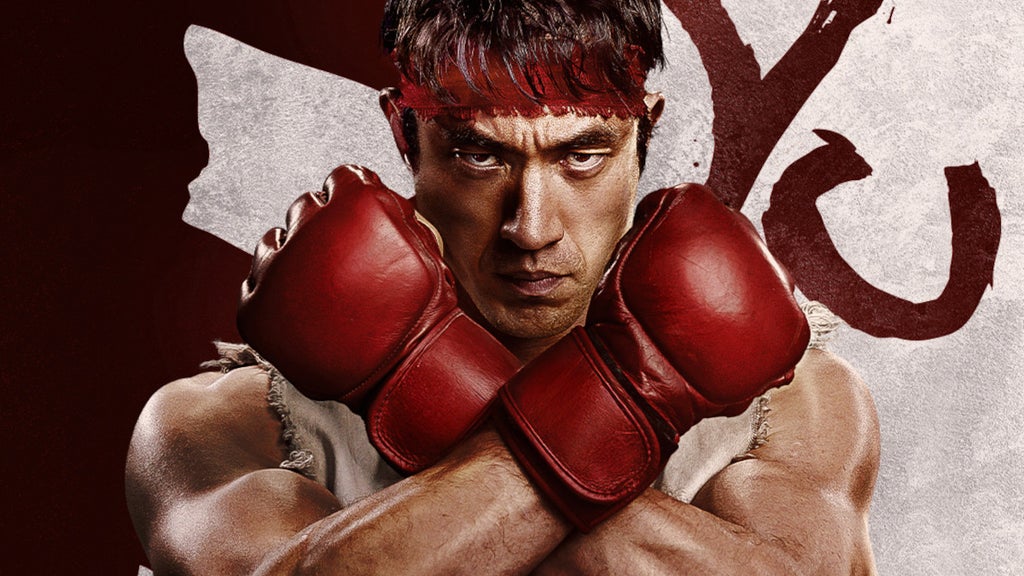
“Street Fighter”
While “Street Fighter II: The World Warrior” catapulted Capcom’s fighting game franchise into the mainstream when it debuted in 1991, the original “Street Fighter” game hit arcades in 1987. It was popular enough that it spawn a live-action movie in 1994, starring Jean-Claude Van Damme and Raul Julia (in what would ultimately be his final film role). It was a hit, and while rumors circulated about a direct follow-up, it never materialized. It was eventually followed by “Street Fighter: The Legend of Chun-Li” in 2009, a movie that virtually no one saw and which we only remembered when writing this story and thought, Wait, wasn’t there another one? (There was.) It was released by a different studio and was a huge financial disappointment.
This new version, produced by Legendary and Capcom and released by Paramount, was initially set to be directed by Danny and Michael Philippou, who got pretty far along in development, but was eventually handled by Kitao Sakurai, who co-wrote and directed Eric André in “Bad Trip.” Despite the response to “Masters of the Universe,” “Street Fighter” (which is set in the 1990s and has a similarly irreverent tone) is still very much coming out theatrically this October, with a cast that includes Noah Centineo (who is on this list several times), Andrew Koji and Cody Rhodes among the fighters.
This new “Street Fighter” has a budget of $85 million, which is certainly a lot for a movie based on an arcade fighting game. “Mortal Kombat II,” released earlier this year to mostly warm reviews, also cost an estimated $80 million and made $129 million worldwide. But it helps that Legendary and Paramount are both shouldering the costs for the “Street Fighter” rollout and promotion. Still, that’s a lot of quarters “Street Fighter” will have to recoup.

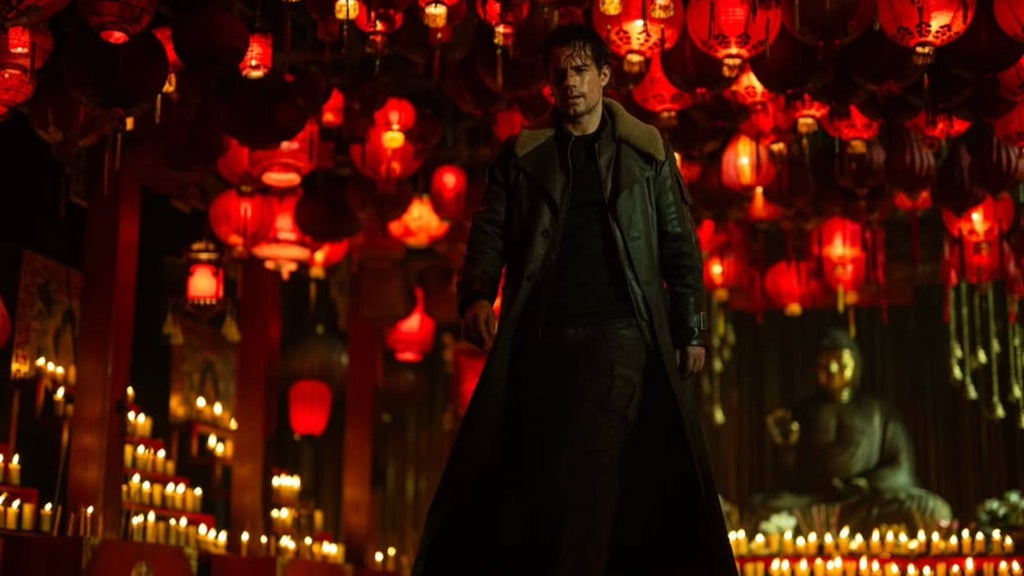
“Highlander”
First released in 1986, the original “Highlander” movie follows Christopher Lambert as Connor MacLeod, an immortal warrior from 16th-century Scotland. The film is set in 1980s New York, where MacLeod runs into his similarly immortal nemesis The Kurgan (then played by Clancy Brown). Sean Connery portrayed Juan Sánchez-Villalobos Ramírez.
After steadily gaining wider popularity upon its release, the film became a cult hit and spawned multiple sequels, a cultish TV series and an enduring fanbase. From director Russell Mulcahy, best known for directing Duran Duran videos in their ’80s heyday, the film was produced by Peter S. Davis and William N. Panzer.
Former “Man of Steel” Henry Cavill has been long attached to the remake which finally kicked off production earlier in the year after Cavill recovered from an injury he sustained in pre-production. Russell Crowe stars opposite Cavill as mentor Juan Sánchez-Villalobos Ramírez, while Dave Bautista portrays The Kurgan. “John Wick” filmmaker Chad Stahelski directs the new film for United Artists and Amazon MGM.
It is perhaps telling that Lionsgate, who originally backed the project (and who released all of Stahelski’s “John Wick” films), retreated when the final budget was projected. (It is rumored to cost a whopping $180 million.) Clearly, they thought there was a ceiling on the “Highlander” franchise, which hasn’t seen movement in nearly two decades. In 2007, there were two films released – “Highlander: The Source,” which debuted directly on the Sci-Fi Channel and followed the television series, and a little-seen anime film called “Highlander: The Search for Vengeance” — neither of which won the property new fans.
Stahelski took the project to Amazon MGM Studios, where it found a champion in producer Scott Stuber, whose taste in these kinds of projects while at Netflix is well-documented. Stahelski found a sympathetic executive and “Highlander” finally found a home.
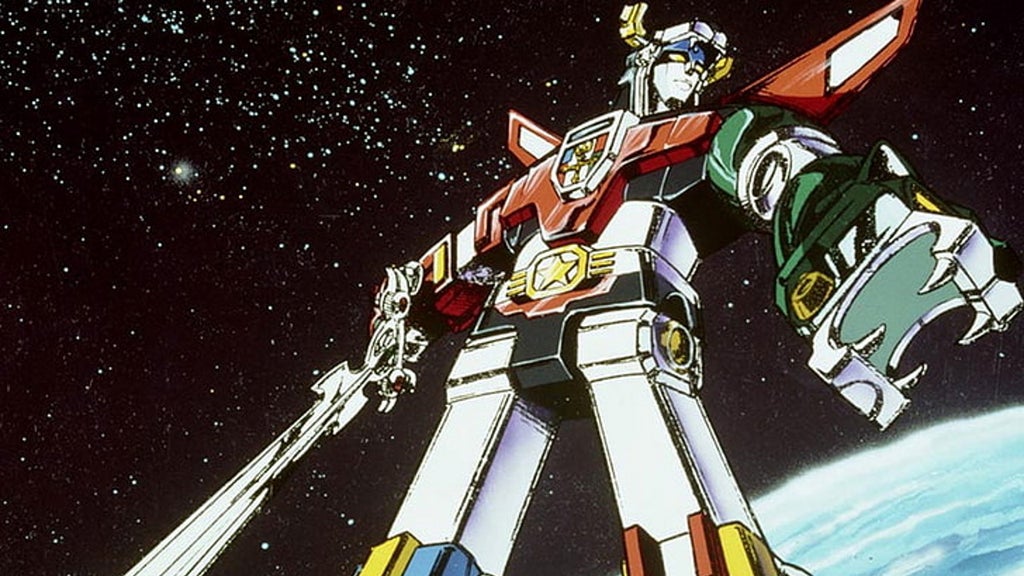
“Voltron”
“Voltron”was an animated series about a giant robot that aired on American television beginning in 1984 and was cobbled together from several unrelated Japanese projects. The first season, for instance, was adapted from “Beast King GoLion,” which had aired years before in Japan, and remains the most well-known iteration of Voltron. This new live-action movie, written and directed by Rawson Marshall Thurber, a filmmaker mostly known for his comedies before transitioning to more straightforward action movies like the Dwayne Johnson-led “Skyscraper,” features a starry cast that includes Sterling K. Brown, Rita Ora and, yes, Cavill. It is led by newcomer Daniel Quinn-Toye.
While no release date for “Voltron” has been set, principal photography, which began in December 2024, wrapped last year. Despite Amazon’s commitment to theatrical exhibition, “Voltron” is going straight to its Prime Video streaming service, suggesting that the company doesn’t have as much faith in the property’s crossover appeal as, say, “Highlander.”
This makes sense, especially since the property hasn’t exactly been in the public eye. The last time there was a major new chapter was a full decade ago, when, in 2016, DreamWorks Animation’s well-regarded “Voltron: Legendary Defender” debuted on Netflix. It ran for 78 episodes and, crucially, spawned a consumer products line that included comic books, action figures and more. Since then, the IP has been quiet.
Not that a direct-to-Prime Video debut is a death sentence, considering that 2024’s “Road House” remake, an update of the 1989 cult classic, was a huge hit on the service, with a sequel from Russian filmmaker Ilya Naishuller currently in the works with Jake Gyllenhaal returning.
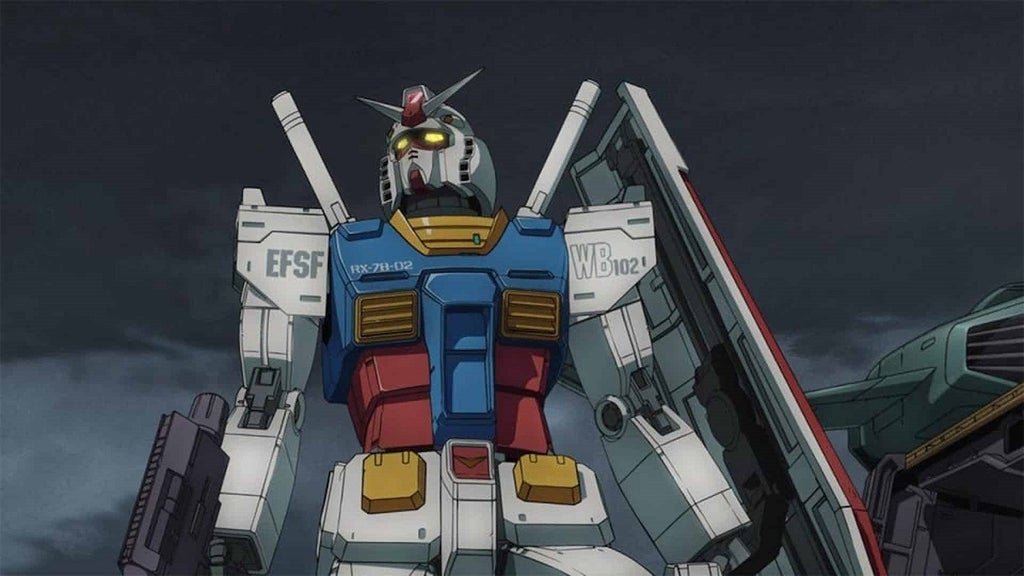
“Gundam”
Launched in 1979 with the acclaimed anime TV series “Mobile Suit Gundam,” the “Gundam” series is credited with popularizing the giant robot genre that has continued with series like “Gurren Lagann” and “Neon Genesis Evangelion.”
Over the past 30 years, “Gundam” has produced 14 TV series, as well as several spinoffs, home video films and dozens of manga and video games, and its array of model kits has made it one of the highest-grossing media franchises in the world. “Gundam” has also inspired films like Guillermo del Toro’s “Pacific Rim” and was featured prominently in the climax of Steven Spielberg’s “Ready Player One.”
But the franchise, which features multiple timelines and typically focuses on the ravages of war despite its fantastical setting, makes for a challenging property for Hollywood.
“Gundam is a different animal since it’s never been made before in the West,” the top talent agent told TheWrap. “It’s effectively a new IP for Gen Z to first consume.”
Legendary has closed a deal for Jim Mickle to write and direct a live-action adaptation of “Gundam,” co-developed between Legendary and Bandai Namco Filmworks. Centineo and Sydney Sweeney will star in the project, which is now set up at Netflix an starting production imminently, according to the top agent.

“Miami Vice: ’85”
What’s fascinating about this new “Miami Vice” movie is that it could have been contemporized, but that the filmmakers behind this new version are really leaning into the classic “Miami Vice” vibe. (The original series, a cultural phenomenon that dictated everything from clothing to music, was on NBC from 1984 to 1989 – truly the most ’80s television series ever.)
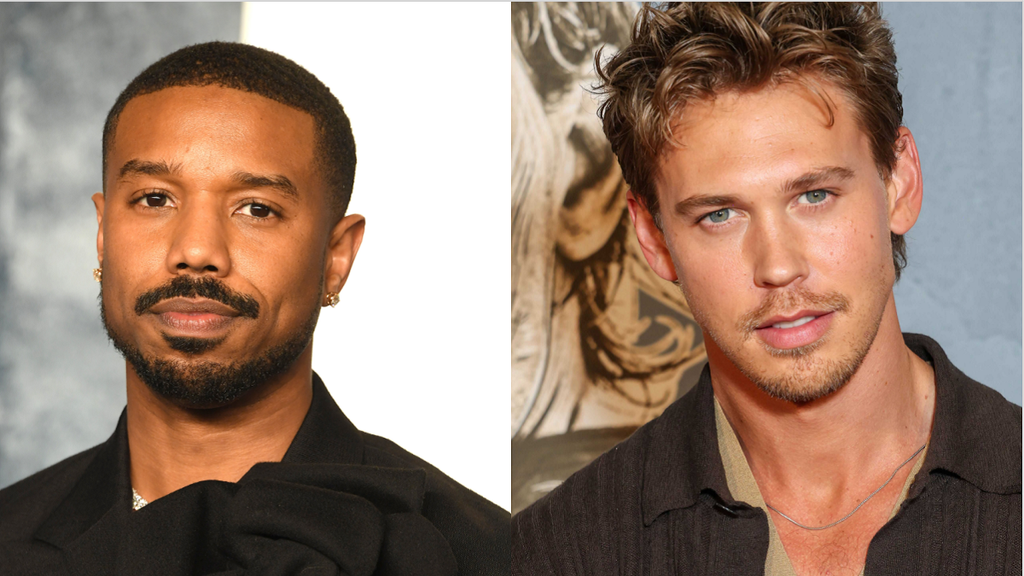
This new film, directed by “Oblivion” and “F1” filmmaker Joseph Kosinski, is inspired by a trio of episodes in the first season – the pilot aka “Brother’s Keeper” (which originally aired as a two-hour movie), “Calderone’s Return: The Hit List” (Part 1) and “Calderone’s Return: Calderone’s Demise” (Part 2), with Michael B. Jordan and Austin Butler stepping into the pastel-colored suits originally worn by Philip Michael Thomas and Don Johnson.
And it’s this star power that will set “Miami Vice ‘85” apart – at least according to one source.
“‘Miami Vice ‘85’ is also different in that it’s positioned as a star vehicle,” the top talent agent said. “Kosinski has it less about the old TV show and more about MBJ and Austin Butler.”
But surely Universal must be feeling a bit uneasy. After all, 20 years ago they had tried this all before, when Michael Mann, an executive producer on the original series, wrote and directed a contemporized “Miami Vice” film. This version starred Jamie Foxx and Colin Farrell and cost a reported $150 million. While critics were generally kind to the movie, audiences were indifferent and it only made $164.2 million.
Kosinski has experience reviving a beloved 1980s property, having made “Tron: Legacy” and “Top Gun: Maverick,” two films that honor the source material while pushing the franchise forward in a bold new direction that modern audiences could embrace. There’s no reason to think he can’t do the same with “Miami Vice.”
Production is slated to begin this summer for theatrical release on May 19, 2028.
“Flash Gordon”
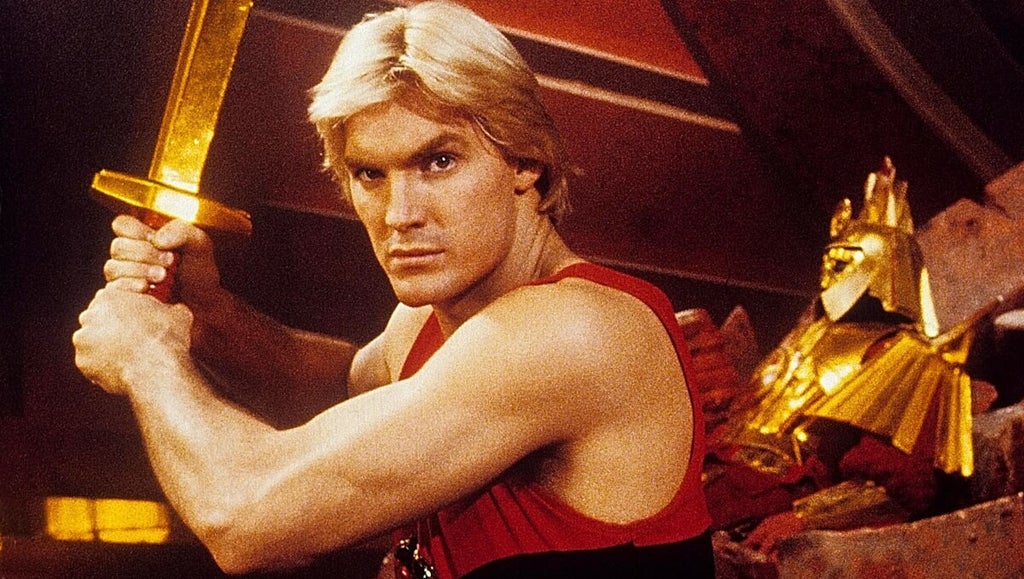
This version of the long-gestating project, written and directed by Taika Waititi, is said to be more indebted to the original comic strip character, who debuted on Jan. 7, 1934, than the colorful 1980 movie version from British director Mike Hodges.
But this being the first live-action iteration of the character since the 1980 version, well, we’ve got to put it on the list. Currently, the film is waiting for a green light from 20th Century brass. And of all the movies on this list, it is probably the film most vulnerable to blowback from the “Masters of the Universe” debacle. Those box office receipts could make or break “Flash Gordon,” especially given the suspicious lack of recent updates.
“Flash Gordon I haven’t heard a peep on,” the top talent agent said.
The movie has been in development since at least 2014, with various directors and screenwriters cycling through (everyone from Matthew Vaughn to “Overlord” director Julius Avery). After Waititi was attached, it was developed as an animated feature and now as a live-action film. At some point they should probably decide whether to make the movie, especially given the hefty fees associated with maintaining the underlying rights.
After an incredibly busy few years, Waititi seems to be freed up (“Klara and the Sun” shot back in 2024 and is out this fall), so now might be the time to strike on “Flash Gordon.”
“John Rambo”
“First Blood,” an adaptation of David Morell’s terrific 1972 novel by the same name, arrived in 1982. Centering on Sylvester Stallone’s Rambo, it was a movie that wrestled seriously with the personal and psychic fallout from the war in Vietnam – not only the human cost but the spiritual cost to America as a nation.
As the series rolled on, with two more sequels in the 1980s and a Saturday morning animated series (yes, really), it became more entrenched in rah-rah Reagan-era jingoism than a study of the impacts of war.
It also feels like the kind of series that could have only happened in the 1980s, when Vietnam was still very much a part of the cultural conversation and action movies kept getting bigger and bloodier.
The last movie in the franchise, 2019’s cleverly titled “Rambo: Last Blood,” was not without its charms and the movie did okay at the box office, making $91.5 million on a budget of $50 million. But clearly the franchise – and stalwart lead Stallone – were getting tired.
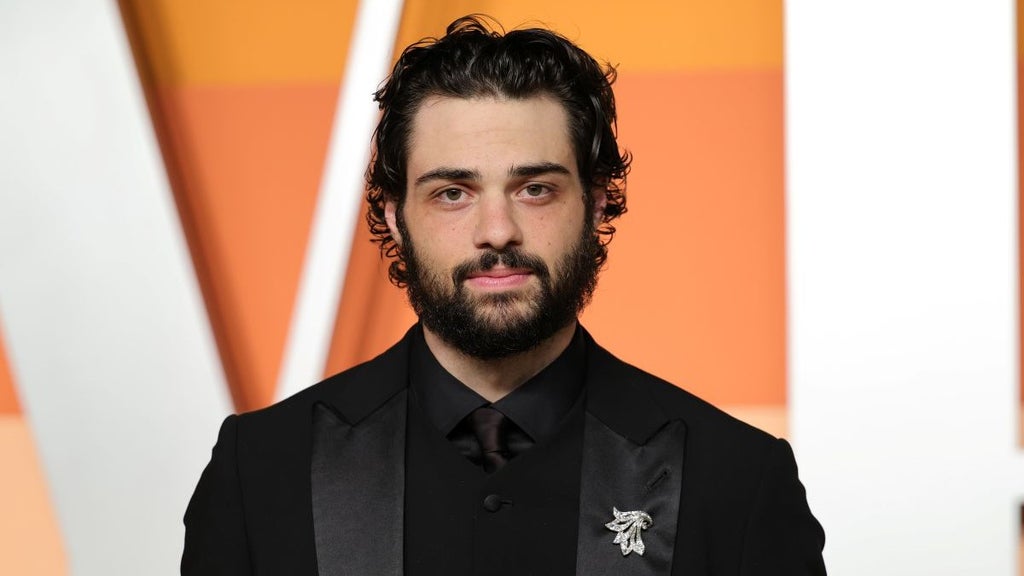
Hence the decision to make the new movie a prequel – this time following John Rambo (now played by Noah Centineo – yes, him again) during his time in the Vietnam War. The movie, directed by Finnish madman Jalmari Helander, recently wrapped photography in Bangkok and will hit theaters next summer.
Like with so many of these titles, it’s unclear how much affection modern audiences have for the Rambo character and how many will want to see a movie that is so embroiled with a sticky foreign conflict in a time that is almost exclusively defined by sticky foreign conflicts.
At the very least, “John Rambo” has a budget (as-yet-to-be-disclosed) spread between several production entities, including Lionsgate, Millennium Media (known for their low-budget, mostly European-shot action movie cheapies) and the Russo Brothers’ AGBO.
And it boasts an appealing supporting cast, including “Stranger Things” star David Harbour as Trautman (the Richard Crenna character from the earlier movies) and Jefferson White from “Yellowstone.” It was recently revealed that James Franco, who hasn’t appeared in a major Hollywood movie for years following sexual impropriety allegations, is part of the cast, which could get the movie in hot water. He could survive Vietnam, but what if the thing that takes down Rambo is the canceled guy from “Freaks and Geeks”?
“Top Gun 3”
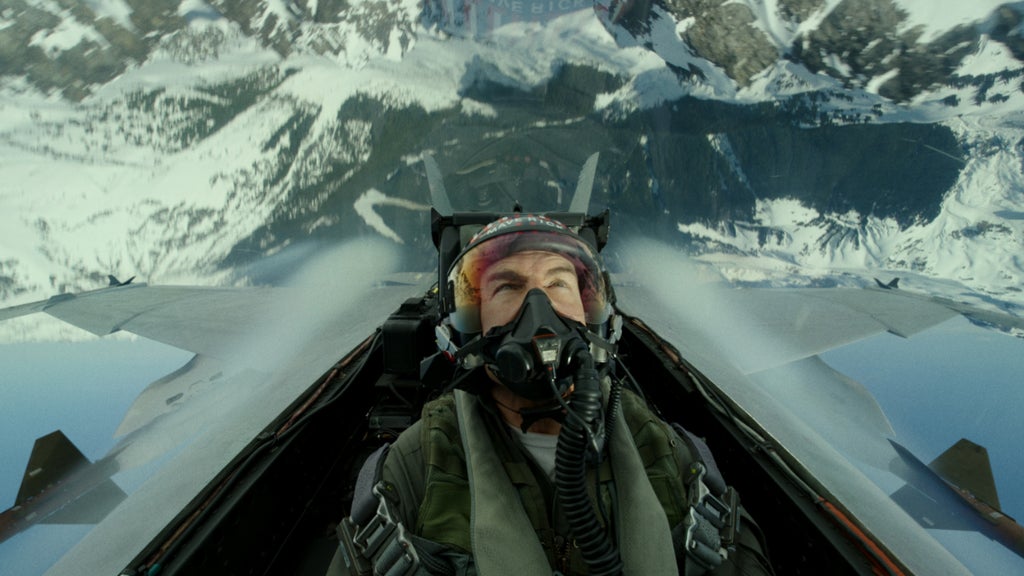
The success of “Top Gun: Maverick” — which in 2022 singlehandedly resurrected the theatrical movie business (at least for a little while), amassed more than $1.5 billion and was nominated for six Academy Awards including Best Picture — is probably what kicked off a new wave of 1980s-based projects in the first place.
But the more you look at “Top Gun: Maverick,” the more it becomes a true one-of-a-kind — something that was worked on for years before it actually entered production and which benefited from an extended post-production phase thanks to the pandemic, where the film was heavily worked (and re-worked) until they reached the movie that was finally released into theaters. But since then, there have been rumblings about a third film, chiefly from producer Jerry Bruckheimer and from Paramount, who announced at CinemaCon earlier this year that it was in active development with Cruise expected to reprise his role as ace pilot Pete “Maverick” Mitchell.
“Maverick” director Kosinski isn’t expected to return, with his attention focused on “Miami Vice” and a UFO thriller with Apple and Bruckheimer (the team behind his Oscar-winning “F1”), so the hunt is on for a filmmaker to jump into the cockpit.
“Just like he did with ‘Top Gun: Maverick,’ ‘Top Gun 3’ is the ultimate star vehicle,” the top talent agent said. “It’s all about Tom Cruise (and Kosinski).”
