
Note: The following story contains spoilers from “The Good Daughter.”
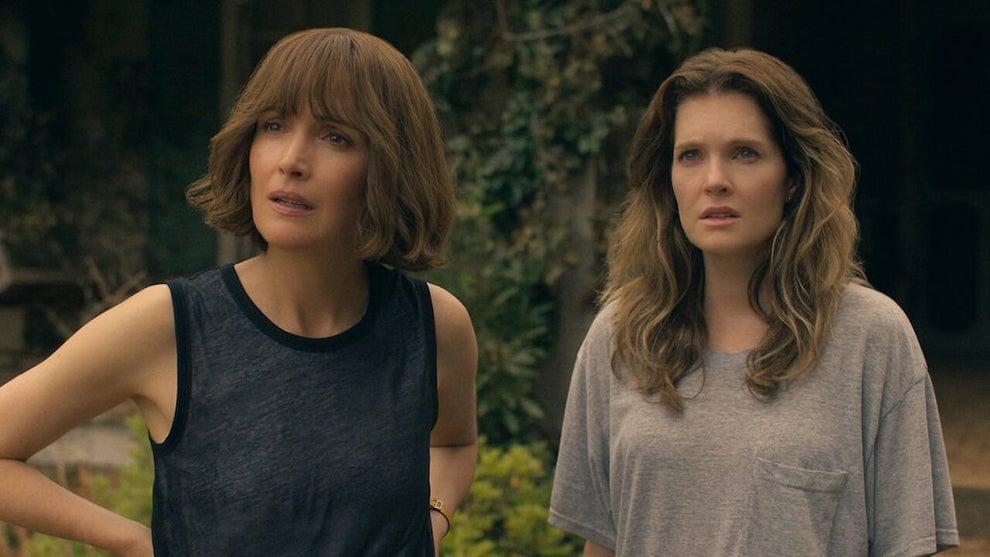
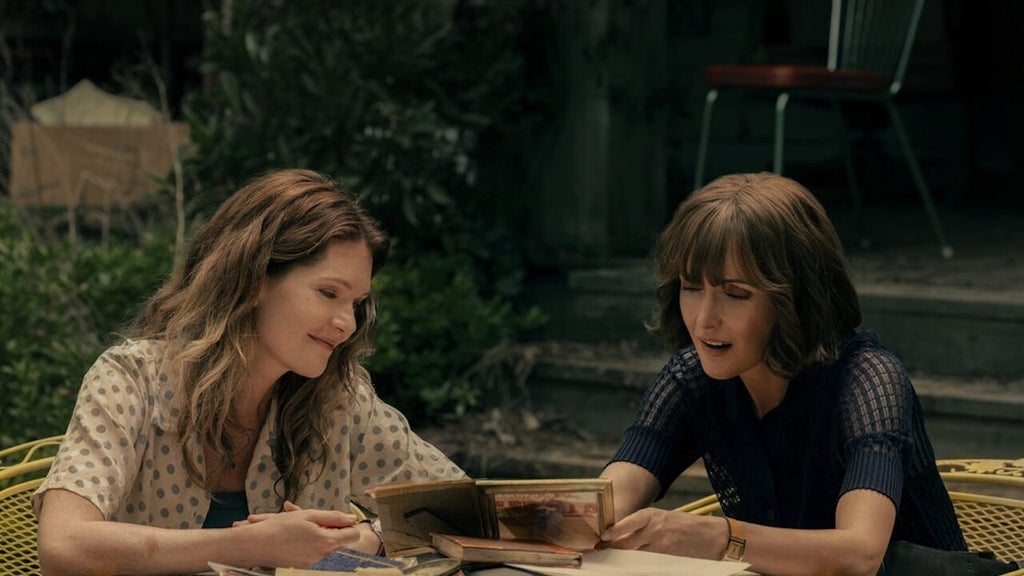
In Peacock’s “The Good Daughter,” author and showrunner Karin Slaughter weaves a tragic tale that leaves once inseparable sisters Charlie (Meghann Fahy) and Sam (Rose Byrne) estranged, until they are forced to reunite and confront their traumas — and the truth.
Based on the book of the same name by Slaughter, “The Good Daughter” takes place decades after Charlie and Sam’s mother was murdered in retaliation for the defense offered by her husband and the town’s defense attorney Rusty (Brendan Gleeson). The murder left a target on the family after the sisters placed blame on the Culpepper brothers, prompting Sam to escape the small town while Charlie stayed alongside her father and followed in his steps as a public defender.
But, it’s not until years later — when a school shooting and an attack on Rusty brings Sam back into town — that the truth about what really happened that day comes out.

One of those truths that Charlie had been holding onto was that while Sam had sacrificed herself for Charlie to escape the two armed men that murdered their mom, Charlie didn’t get away unscathed — she was sexually assaulted in the woods by Zach Culpepper and only told Rusty about it, instead wanting to keep that trauma private. The discovery rocks Sam, who built her survival on telling herself that her younger sister was able to escape.
And while the sisters were right that Zach Culpepper was one of the perpetrators, it’s revealed that the second assailant wasn’t Daniel Culpepper — who was shot dead by the police — but instead Mason “Huck” Huckabee (Jake McDorman), the brother of a woman whose rapist was defended by Rusty, leading to a pay-off arrangement that kept Mason’s role in the tragic event private.
Below, Slaughter, Fahy and Byrne unpack those shocking revelations, the parallels to the Cornell 7 case and what they think happens next.
It’s not until later in the series that Charlie shares what really happened in the woods, which conflicts with what Sam had told herself about Charlie getting away. Meghann, how did you want to play that reveal and Rose, how does it hit Sam?
Rose Byrne: It changes every single fundamental thing of her identity, of the trauma, of everything … revelatory is an understatement when she finds that out, and it shifts all the perspectives, which is what Karin does so well is sort of shift perspectives on things with truth, and she does that with the case. She does that with the victims, with the perpetrator, with everybody. You’re sort of catching up and on the edge of your seat to figure to follow it and to be again shocked and surprised. It’s why she’s such a incredible writer, you know, and is so successful in her in that in that genre, particularly.
Meghann Fahy: There’s a real release and relief in that … there’s a lot of missing each other happening before and misunderstanding each other, and I think when that moment sort of happens, when everything comes to light, it really is when things start to evolve to a better place for everybody. Everybody starts to be able to sort of make peace with their truth, with the truth, and move forward in a sort of happier, healthier space … I think the show really is about that, and so for me that that’s a really sort of beautiful moment, as painful as it feels, because it’s the precipice for the change … that the audience is so desperately wanting for the characters that they’ve been with.
The story hit a particular chord given the recent Cornell 7 case. How did you want to handle the matter of assault within the series and what do you hope folks take away?
Karin Slaughter: I worked very closely with Brady about gun-safe gun storage — that was really important to me — and RAINN about the the attack … I think the most important takeaway for anybody who watches this should be Rusty’s response to Charlie, is that whatever you do in that moment is the thing you should do in that moment. We’ve seen, particularly with Cornell 7, people asking “why didn’t you do this?” “Why didn’t you do that?” … we have so much information about what trauma does to people. We would never say to a soldier who’s been at war, “Why did you take so long to talk about it?” or “Why are you acting this way?” or “Why are you traumatized?” We just don’t question that, and I think we are forgetting that … I wanted to be able to talk about that, but make sure that I was doing it responsibly and handle it in a way so it’s not a re-traumatization. And that’s the reason why it comes so late in the show is I just want to make sure readers are prepared. From a writing standpoint, you’re telling your reader when you start a story is you should be confident in my ability to bring you through this story safely, and that I promise you by the end you’ll have hope. I think that’s the overwhelming message of this: is there’s hope and there’s healing.
That moment when Charlie is in the woods and she goes to her place of safety with Sam … that’s the most poignant moment in the whole series because it just shows not only that connection, but what the meaning of losing that connection is, and … that’s why Charlie is struggling as an adult. That she has lost that connection, and she needs it back.
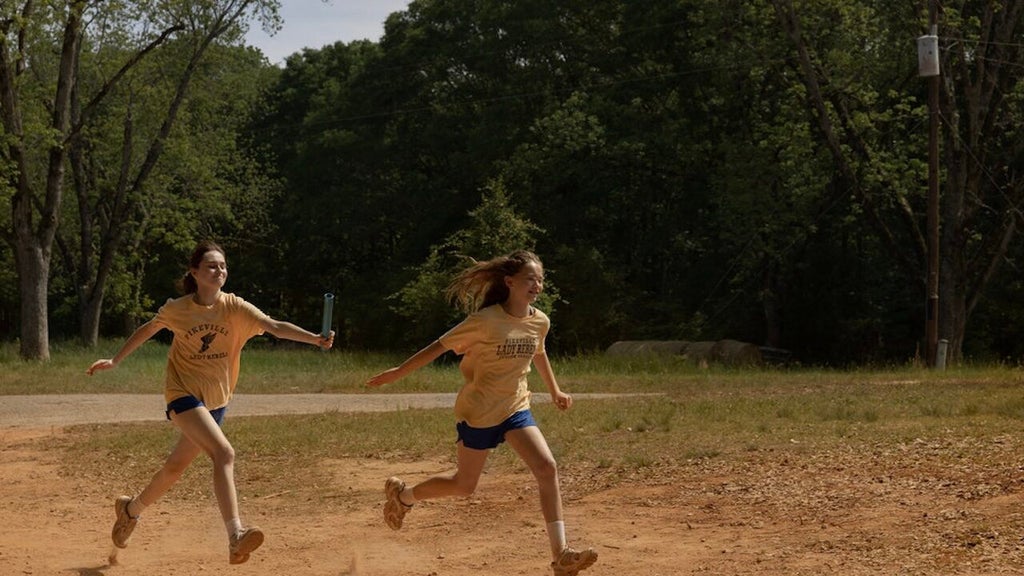
It’s revealed in the finale that Mason was the one who burned down their home and was Zach’s accomplice, meaning that the sisters were wrong about Daniel. What complicated feelings does that bring up for each of them?
R.B.: As the big sister, thinking you have one version of the story which you thought was right, and then being revealed this other, and the complications of that, and … I think her concern for her sister overall about what she actually went through, and then would be the sort of driving force of Sam, and also her fury at the whole situation, and then really wanting to get some justice at the end, but she does, she does.
M.F.: For Charlie, it really knocks the wind out of her because it sort of shatters the illusion that she’s subscribed to for her whole life since that night, and she realizes that she was wrong about something, and the consequences of that were pretty huge … it’s really, really hard for her to wrap her head around in that moment.
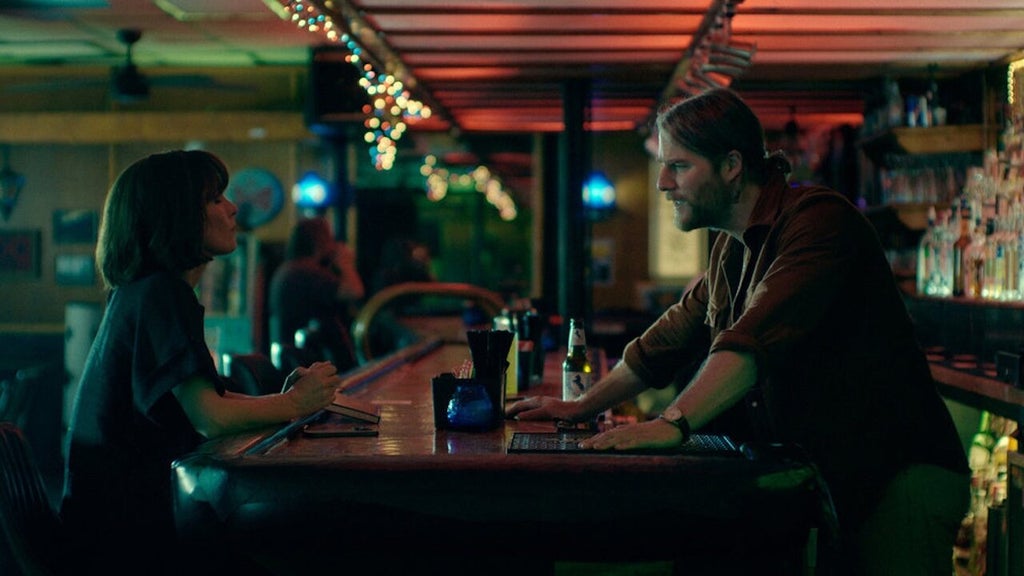
K.S.: It’s very complicated because [Mason] is guilty, but there are degrees of guilt. I come from the south. I’m a gun owner. Gun safety is very important to me. I worked very closely with Brady on that. Charlie has a biometric lock to secure her weapon. It was interesting when we filmed the ending. Meghann was saying, “I keep thinking, why doesn’t Charlie just grab the gun?” But then I remember twice in her life, someone tried to grab a gun and someone was hurt —that’s the crux of the story. Even Kelly getting this gun that was lying around in her father’s truck, it’s so easy to secure a weapon.
I wanted to write about that and hopefully show that there’s an alternate way … not to leave these deadly weapons lying around and just show through Sam what a victim of gun violence looks like because we always hear these stories and horrible school shootings almost daily or domestic violence … and they say 20 people survived, and we thank God 20 people survived. But we don’t think about what their lives look like after that surviving. Rose put in so much work figuring out what that would look like, how she would move in her body, how that would resonate through a victim’s life, and that was such an important thing to show because there’s a difference between getting up and walking away and actually surviving.
It all leads to Charlie’s emotional confrontation with Judith, which has so many layers to it. Meghann, what was it like to play that?
M.F.: For Charlie, that’s another really huge heartbreak because Judith was someone that she really trusted, who she felt very cared for by, and Judith was there the night of the worst night of her life, and and took such good care of her, and sort of continued to after that … [it’s] just a real heartbreak for Charlie to come to terms with what Judith had done, and also what Judith does in that scene when she knows that Charlie knows, and that then everybody will know. It’s really a one-two punch.
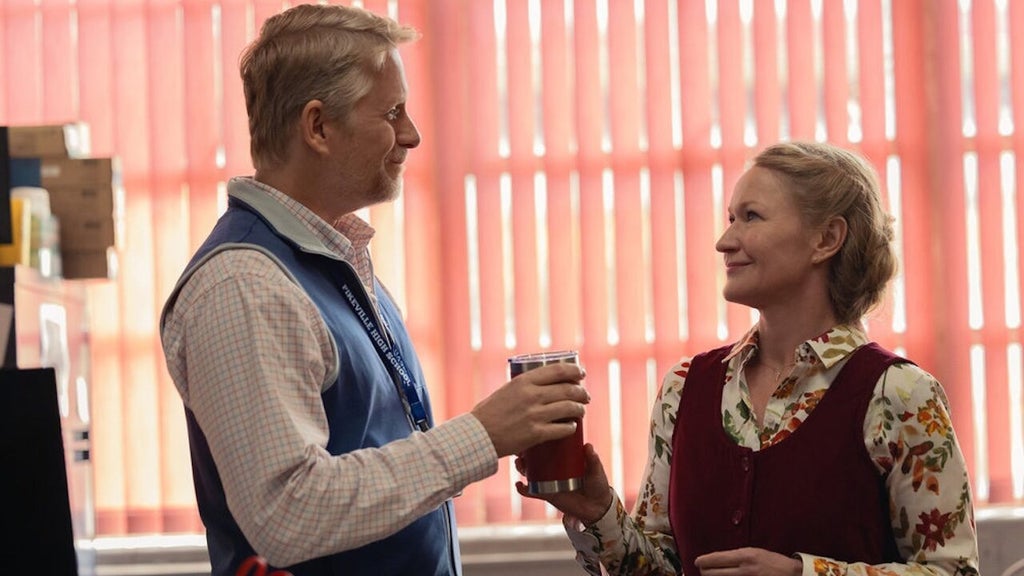
Karin, why did you want that to to play out the way that it did with Judith?
K.S.: Paula [Malcomson]’s performance in that was so amazing, and I remember when we filmed her in the car with Pinkman, and … I wrote lines for them .. but you don’t hear them. And Paula’s face, I remember, some it was mostly women on the set, and we’re standing at the monitor watching Paula’s face, and we’re like, “Yeah, he deserved it.” It was just really fascinating how many women on the crew were like, “Oh yeah, Pink deserved that.” I mean, I think she speaks for a lot of anger that some women have.
Obviously, Pink didn’t deserve it. We have we have laws for a reason — I want to make that clear. But I think that her rage speaks to a lot of rage that a lot of women feel, and I think Charlie and Sam’s goodness speak to what a lot of women feel — this the wonderful thing about writing stories about complicated women is you get to show all the different sides of them.
Karin, you left the ending mostly untouched. Why did the Mason and Judith of it all strike you as the perfect ending and what did you want to come through about traditional justice?
K.S.: Everybody talks about justice, but no one can really talk about what it looks like, right? If you take someone like Huck, surely he deserves to be punished, but does he deserve to be executed? These are big questions. And Kelly did something wrong … yes, there were other mitigating circumstances, but people need to know that there is a sense of justice, that there’s law and order. I think that’s one of the reasons why we’re drawn to crime stories, is that the bad people are punished and the good people live to fight another day. But what I like most about “The Good Daughter” is it’s murky. It’s never really black and white. You have someone like Judith or Huck … they’re all just different shades of gray.
Do you imagine the truth ever fully comes out with Mason or do the sisters keep paying?
M.F.: [I] never really thought about that.
R.B.: I think it would be up to Charlie. It’s her story and it’s her decision and … she can choose … and I think it does feel like that would take time.
K.S.: I don’t know. I’m not a writer who … ties everything into a knot … I want the reader to know enough about the story and the context to understand what the characters will do. And one reader or viewer might have what a different outcome than another, and that’s kind of the the fun of writing these stories is it lets you take it away with your imagination.
Have you talked about any ways to continue this story for a potential second season?
K.S.: There’s a short story I wrote that’s a prequel that features Charlie and Meghann [Fahy] actually read the story, the audio recording — she’s such a fantastic reader. I mean, there’s nothing she can’t do. But, maybe I’ll take something from that, I don’t know.
These interviews have been edited for length and clarity.
“The Good Daughter” is now streaming on Peacock.
