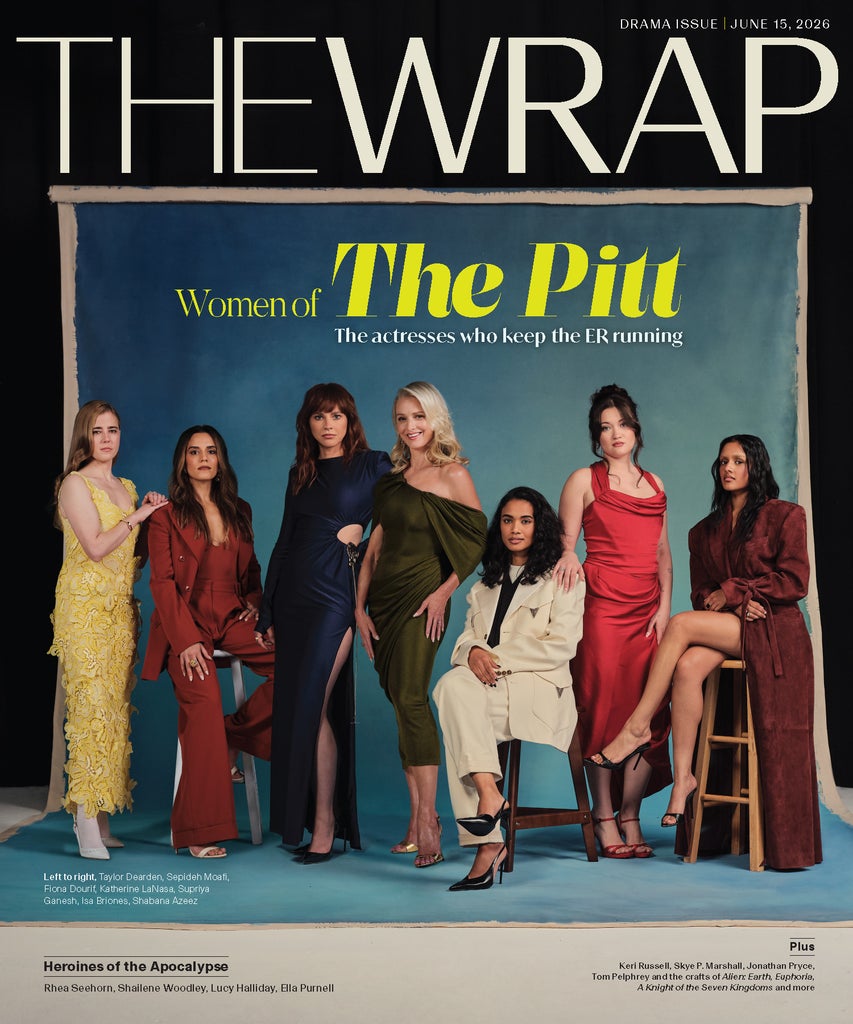
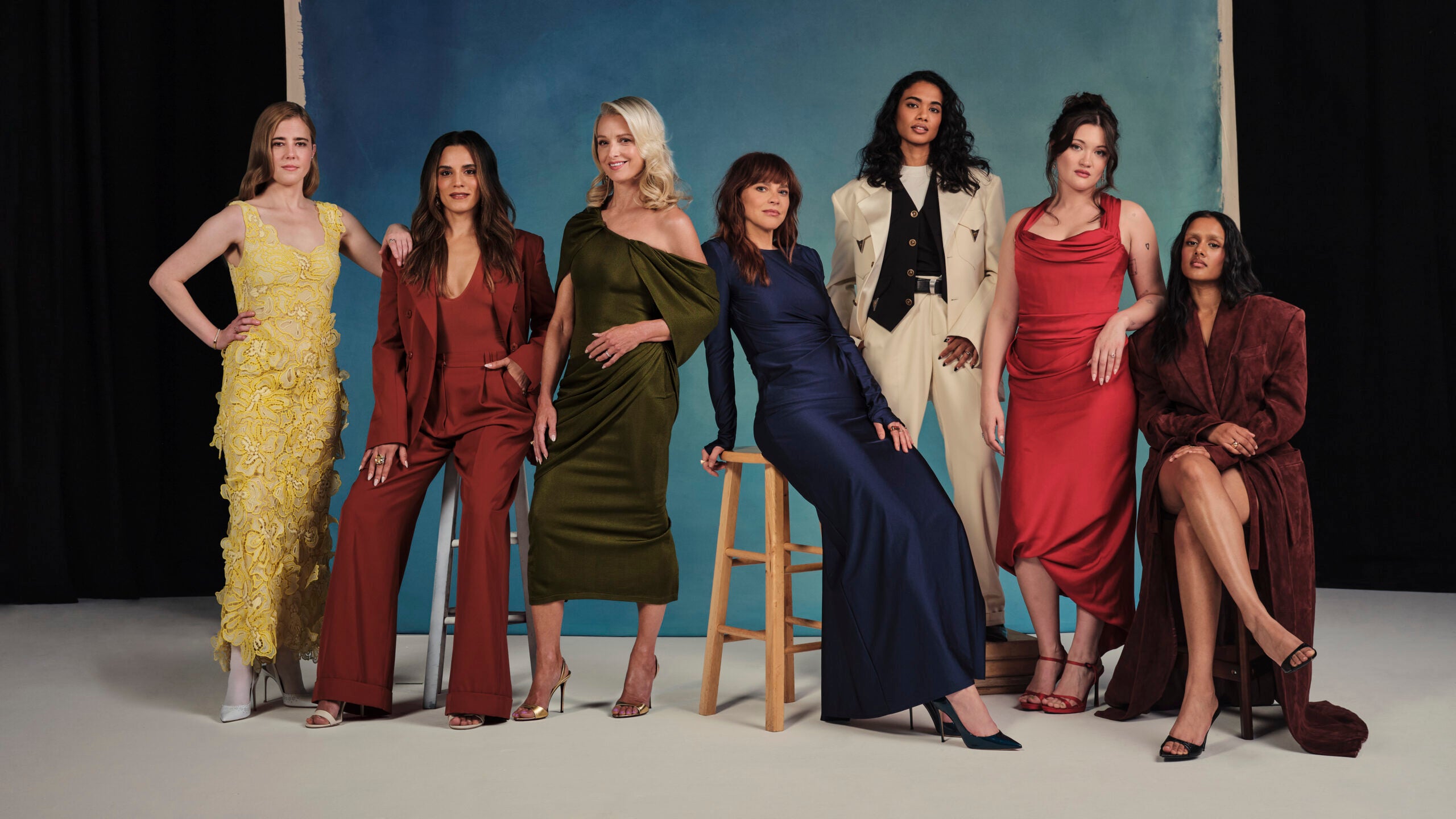
Making the second season of a breakout hit series is always daunting. The specter of the sophomore slump hovers over everything. Expectations are towering. Fans not only have strong opinions, but they feel a certain ownership over characters. Add widespread recognition from the Television Academy and you’ve got a perfect recipe for performance anxiety — quite literally when it comes to the actors who have become the faces of the show.
So last summer, when the “Pitt” cast returned to the set of their HBO Max hospital drama (created by R. Scott Gemmill, John Wells and Noah Wyle), they did so mourning the protective bubble they’d enjoyed during Season 1.
“I definitely felt pressure. I’m not gonna lie about that,” said Katherine LaNasa, who plays charge nurse Dana Evans, the tough-love mama bear of the Pittsburgh Trauma Medical Center. “Of course you feel pressure. You win an Emmy, the show wins Emmys and you can’t hold on to what made it [special the first time]. So for me, it’s always the simplest thing: trying to live truthfully under imaginary circumstances. I just put my nose down, focus on that and trust the writers.”
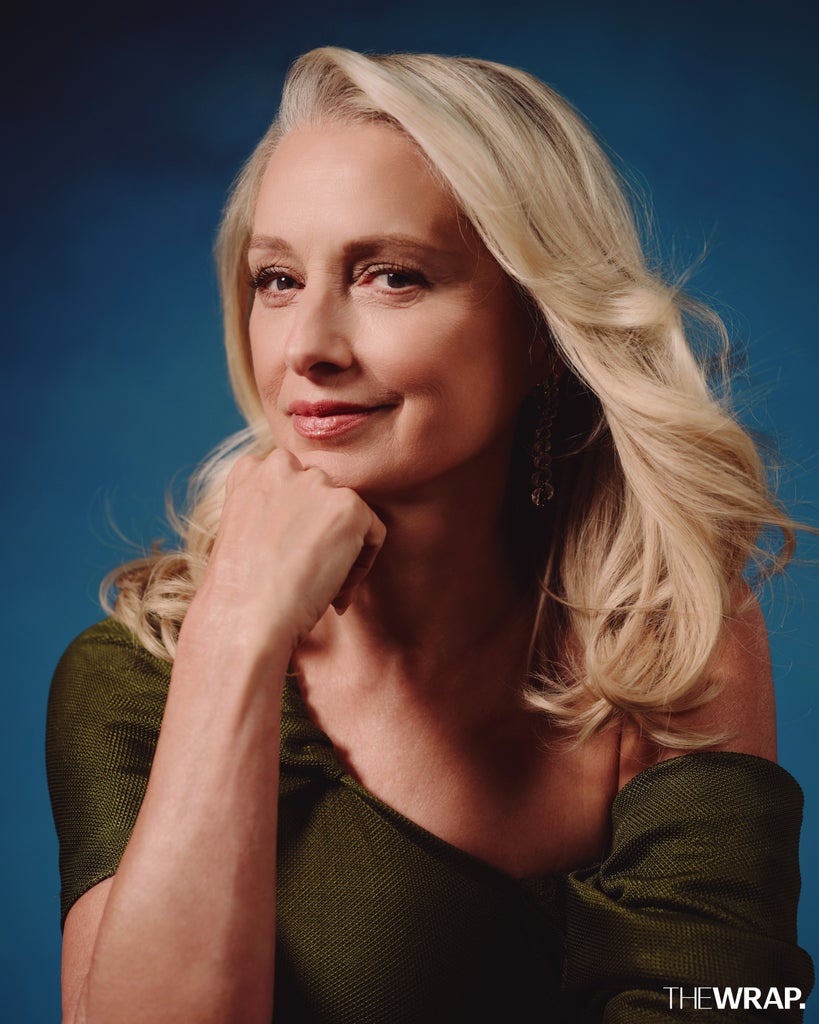
LaNasa’s Emmy, for supporting actress, was one of five that “The Pitt” won, in addition to lead actor for Wyle and Outstanding Drama Series. Season 2 ended its run in April about as far as imaginable from that dreaded sophomore slump, jumping an average 57% in viewership and cementing its status as a cultural juggernaut. The show is expected to increase its Emmy nominations from the 13 it earned for Season 1, with more nods in particular in the supporting-actress category.
Its game is strong there, thanks to Shabana Azeez (as med student Victoria Javadi), Isa Briones (Dr. Trinity Santos), Taylor Dearden (Dr. Mel King), Fiona Dourif (Dr. Cassie McKay), Supriya Ganesh (Dr. Samira Mohan) and Sepideh Moafi (Dr. Baran Al-Hashimi, a Season 2 addition to the emergency department). “The Pitt” has unquestionably changed the lives of these women, most of them relatively unknown prior to joining the show, or in LaNasa’s case, a journeywoman actress with 36 years of TV and movie credits but not far-reaching fame. Now they can no longer move through the world without being recognized — not even in a city as proudly blasé about celebrity sightings as the Big Apple.
“Every human being in New York City has seen our little program,” Dourif said. “I saw a play last night, and then I’m, like, walking through the city, and everyone’s smiling at me and saying nice things.”
“I’m aware!” LaNasa replied, laughing. “It’s a lot. Don’t go to Isa’s show alone. That’s all I can say.”

She’s referring to “Just in Time,” the Broadway musical in which Briones recently starred as Connie Francis. When her “Pitt” co-stars came, their attendance did not go unnoticed by audience members. Most fans were sweet and supportive, but in May one of them ticked off Briones when, pulling from a Season 2 plot point, they interrupted her performance by shouting, “When are you going to finish your charts?”
“I wish that had happened while I was there, because I would have caused a fight,” Ganesh said. “I would have been like, ‘Here’s another show happening in the audience.’ It would not have been pretty.”
“‘Supriya Ganesh Pummels Audience Member!’” Briones joked.
“I can’t yell at people in public anymore when they’re breaking basic human-decency rules,” Ganesh added. “I’m basically Larry David, but in a South Indian woman’s body.”
So yes, a lot has changed for these actors. Over a series of Zoom interviews in late May that were filled with pleasantly shaggy divergences like the one above, the women of “The Pitt” discussed working in television’s No. 1 emergency department.
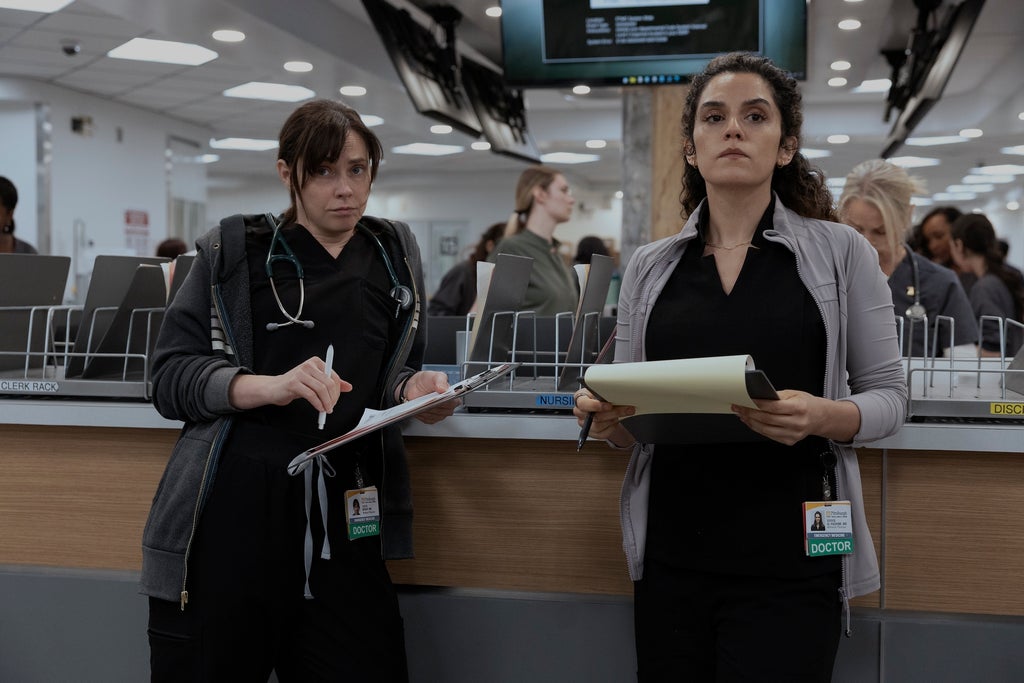
Sepideh, the way Dr. Al-Hashimi is introduced is an interesting test for how audiences react to strong women in leadership roles. Everybody loves Dr. Robby, and here comes a confident woman who is replacing him during his sabbatical and wants to make changes in the ED. Robby is not thrilled about it. Was that tension something you thought a lot about?
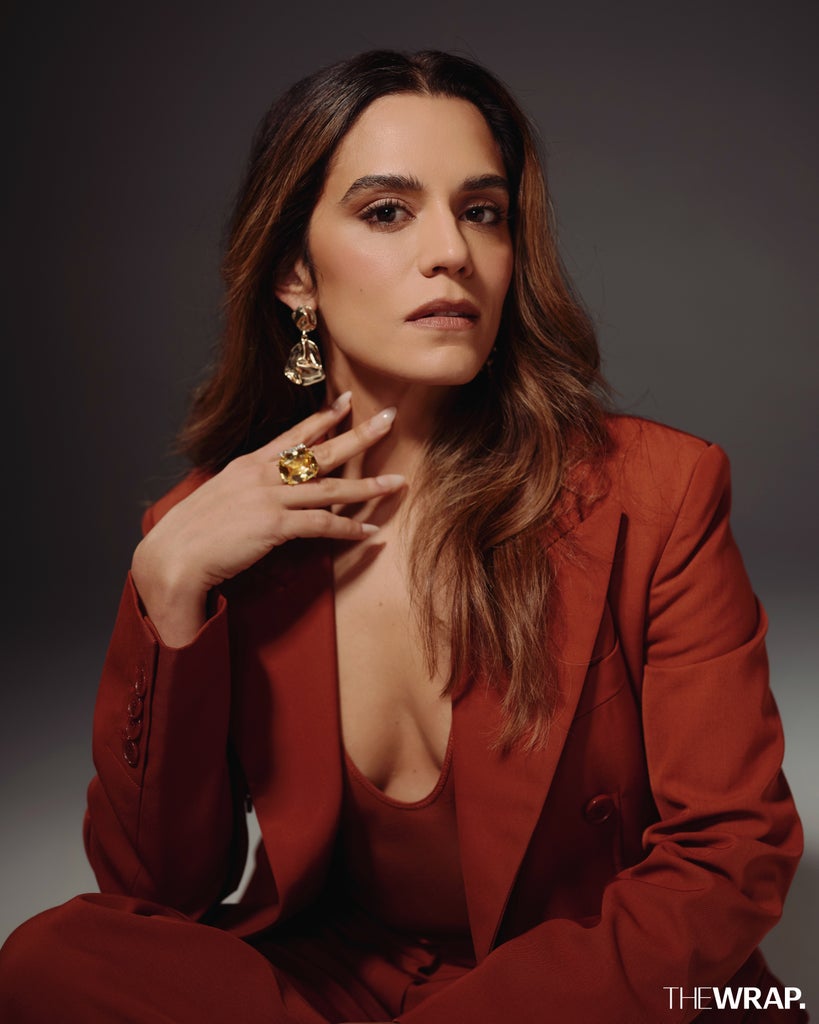
SEPIDEH MOAFI Definitely. Joining the show in its second season was really exciting. It was also somewhat intimidating being the only new main cast member, but from early on there was such a deep sense of authorship and trust. It was like stepping into a living ecosystem; everything was so well established and the rhythms and cadences were very clear.
And as you mentioned, Dr. Al-Hashimi introduces some jazz chords — there’s some dissonance. Part of that is being a very clear-headed, detail-oriented, meticulous, over-achieving woman. I did anticipate that she might ruffle some feathers with the audience, because she’s coming up alongside the favored Dr. Robby. But I had found out early on [that she has epilepsy], so I had faith that people could humanize her by the end. I love this idea of people misjudging her and then being proven wrong at a certain point, and that forces us to question our own biases. It stirs conversation, which is what excites me about what we do.
I think all of us have dealt with what she’s dealt with to a certain degree in different environments. For many of us it’s happened at work, maybe it’s happened at home, maybe it’s happened at school, but yeah, being met with skepticism for no reason. There’s no reason he should doubt her ability. That’s where it becomes a little problematic — why does he question her? Would he question her if she were a man? She came to fulfill a certain role and she’s executing that role really well.
Dr. Robby’s dismissiveness of women in Season 2 sparked a lot of conversation. He assumes Javadi is making silly TikTok videos as Dr. J; he yells at Dr. Mohan for her “mommy issues.” As women who work in the ED with him, what did you think of that?
TAYLOR DEARDEN I noticed the whole time, and there are conversations I had with other cast members being like, “Wow, OK.” We’re not in the writers’ room. We don’t know exactly what they were thinking or wanting to show. If it wasn’t purposeful, then it’s like, “Hey! Notice the feedback?” That’s really good for everyone to know that this is also what sexism looks like. It doesn’t have to be someone who hates women.
And if it was purposeful, then what a great way to show a fallible character, someone that you love also being a fucked-up person and having really, really bad ideas in his head. At least from my perspective, Robby’s whole journey this season, this guy’s brain is not working the way it should. It’s showing what depression and PTSD look like.
MOAFI Without fail, every single woman I’ve talked to in the field has voiced a similar experience to what we’ve seen reflected this season and has talked about how medicine can feel like it’s of a different time, like it’s 10, 15 years behind many other industries. In the same way that our healthcare system is broken, the culture is kind of broken too, and he’s operating within a system that has misogyny baked in.
SHABANA AZEEZ I think Season 2 did a good job of escalating a conversation that was already happening in Season 1 with the kid who has the list of girls he’d like to eliminate, and Robby’s instinct is to protect him, whereas McKay’s instinct is to protect the girls. It’s really lovely to see the internet and the audience engage with it in a massive way, because I actually thought it was going to be a much bigger part of the conversation in Season 1.
DEARDEN You’re so right. I forgot about that. Good call.
Supriya, Dr. Mohan is on the receiving end of Robby’s biggest blow-up after her panic attack. What is your read on his behavior?
SUPRIYA GANESH I mean, it’s not great to be on the receiving end of it. I have a lot of empathy, knowing Robby’s arc, and as an audience member, knowing about his panic attack in Season 1. I feel like he sees a lot of himself in this doctor and he hates that he sees this thing that he hates about himself in someone else. That being said, it’s not okay to speak to anyone like that. I received a lot of messages from people being like, “I had an attending that was like that. I had a boss that was like that.” It’s one of the things that lent to the realism of the place.
Shabana, Robby comes around in the end when he finally sees that Javadi was posting on TikTok to bring attention to ICE’s arrest of nurse Jesse. What did you think of that arc?
AZEEZ Javadi is the youngest of the series regulars. She’s a young woman, and things that young girls like are not [considered] serious things, they’re not intellectual. We talked about it a lot, what the account would actually be. It’s a way to share what it is to be a healthcare worker; it’s about impact and helping people in the healthcare industry. It’s really interesting what people’s assumptions were about that all season. Any audience member — everybody’s got their own biases, and I wonder how they played into their perceptions of her. I hope we get to unpack that over the next few seasons.
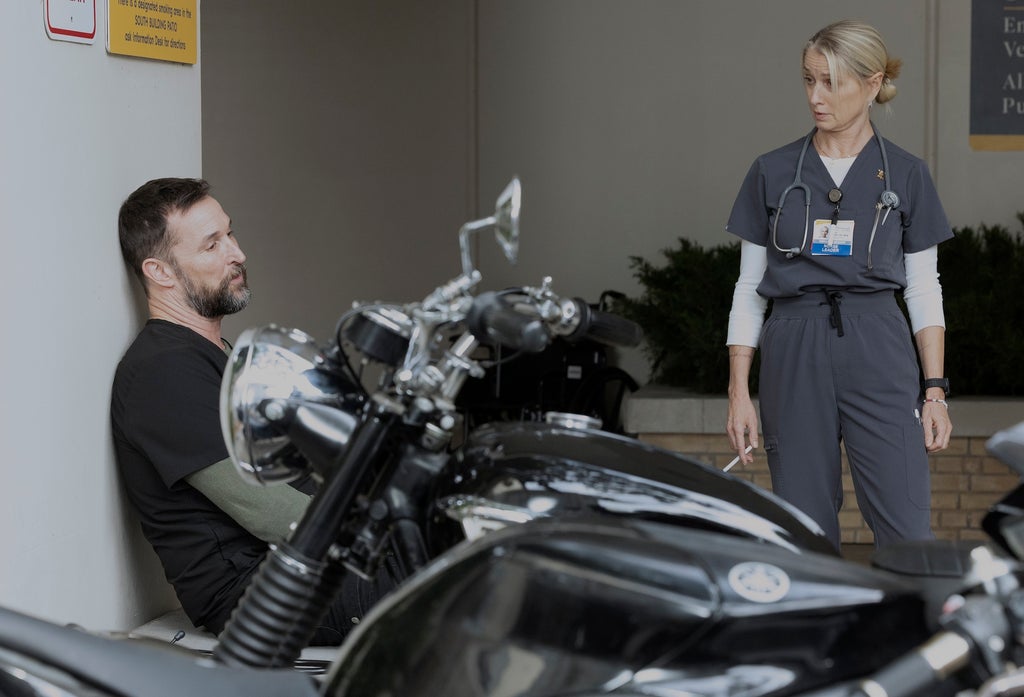
Katherine, Dana is the only person other than Dr. Abbot (Shawn Hatosy) who isn’t afraid to stand up to Dr. Robby. She calls him out for acting like a martyr and assuming the ED will collapse without him. How did you approach that?
KATHERINE LANASA Well, you know, I am that person in life. I’m very direct, and I’ve had a lot of therapy to learn to tell the truth in my life. But Noah really wanted me to hit him hard [emotionally], just like, “Hit me in the face! Hit me in the face! Punch me harder!” And it was a little stressful for me because [Dr. Robby] brings up a lot of feelings I have about my own son. My son went through his father’s [Dennis Hopper] death when he was a young man. Dr. Robby’s character is going through that grief about Dr. Adamson [his mentor]. So my instinct is always to truth-tell in a way that’s softer. Noah really wanted to make it like I punched him in the face, so that was a little bit scary.

Supriya, fans were vocally upset when they learned that you won’t be returning for Season 3. (Executive producers have said Dr. Mohan’s departure is purely for story reasons.) How did it feel to get all that support during a time that I imagine was delicate for you?
GANESH It was definitely overwhelming. I kind of knew the news was going to break, like, a day before, and literally five seconds after the article dropped, I looked on Twitter and my name was trending worldwide. Seeing that gave me this aha moment of, you’ve just got to step away from this. I gave myself space and time away from the discourse, really leaned into watching movies, reading scripts, books.
Then I think it was a week later that I decided to see what was left in the crater of that news, and I saw how much support Samira had. I didn’t know people loved her that much, and honestly, that is what I’m going to miss, just the support from the fans, and this wonderful community that people had built around her because they saw so much of themselves in her.
Why does he question her? Would he question her if she were a man?
Sepideh Moafi
Isa, I was surprised to see a more burned-out, less gung-ho Dr. Santos this past season. We also see scars on her legs from self-harm.
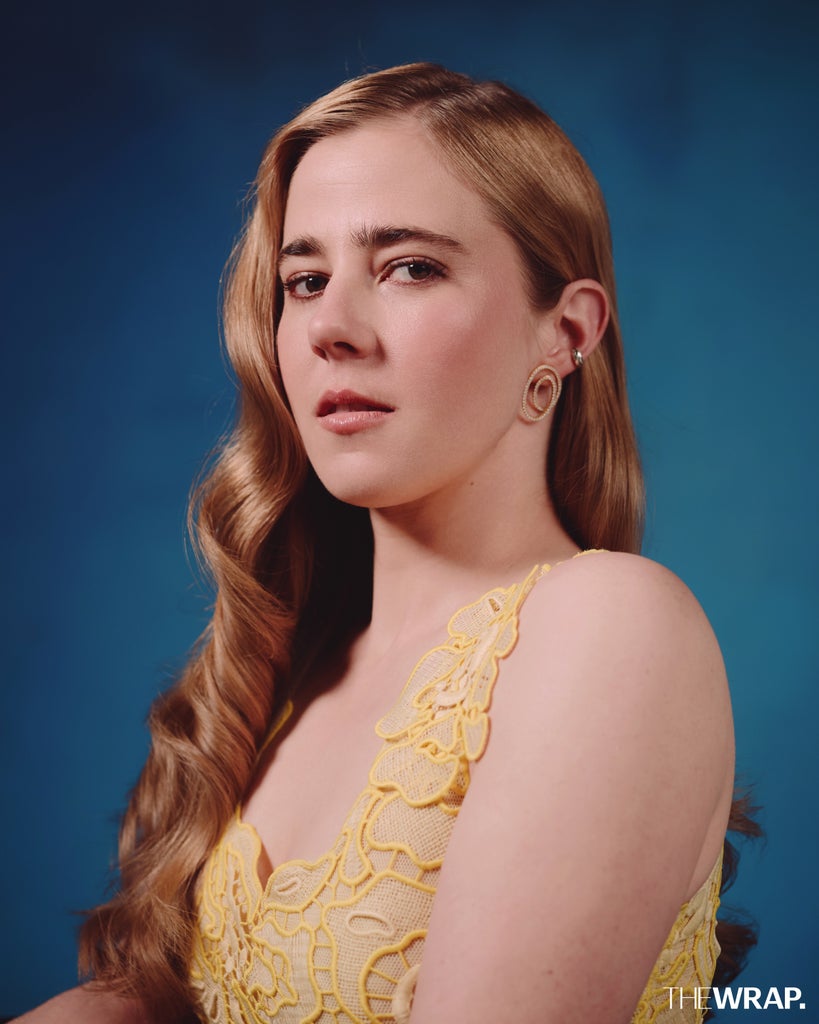
ISA BRIONES It is kind of jarring, yeah, to see how much less confidence and energy she has. She’s had 10 months of working in an ER — that will break you down. She hasn’t had the easiest time there; her first day of work, she told the truth about Langdon [stealing opioids], and that’s such a crazy way to start your ED career.
And we introduce the fact that she has a history of self-harm. This has been something she has dealt with for a long time, but the writers and I were talking, saying that maybe it’s resurfaced more recently, with the return of Langdon. For some reason, she sees Dr. Robby as a safe space, and he’s leaving, so that’s very destabilizing. Her front of being brash, “I don’t need anyone,” is crumbling.
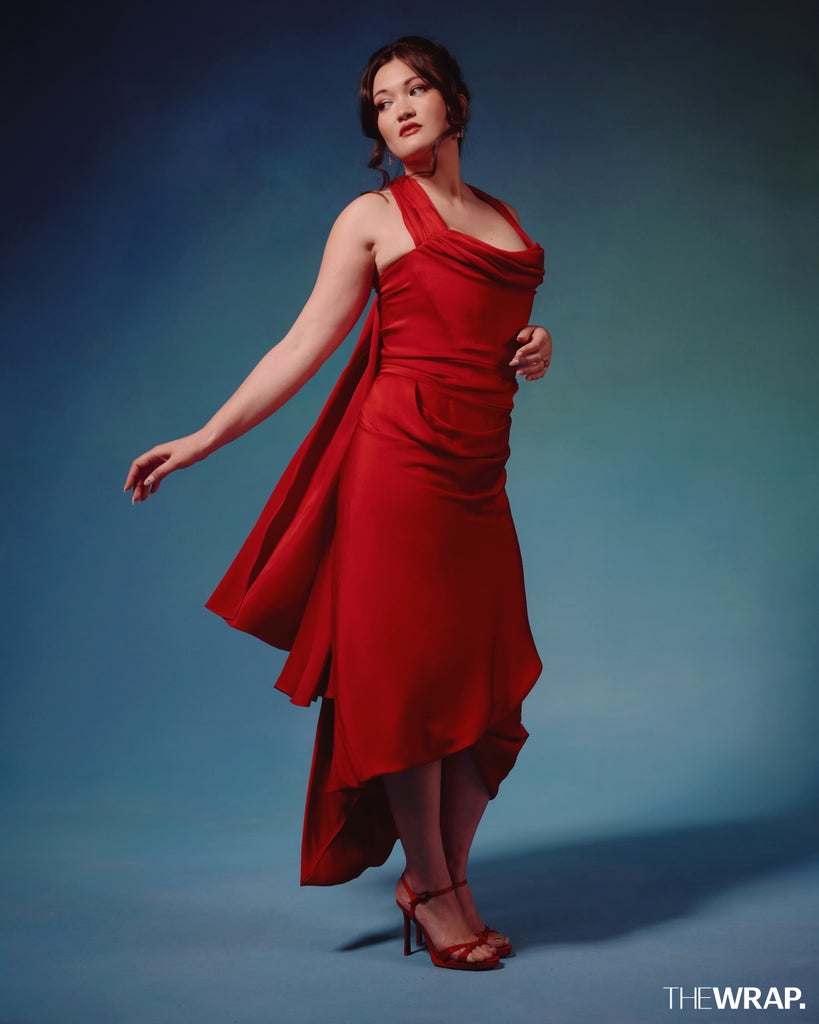
By contrast, Dr. McKay is more settled in Season 2, Fiona. She’s not dealing with custody issues or her ankle monitor. But she’s shaken by Michael, her patient with a brain tumor, and Roxie, the young mother dying of cancer. She has a hard time processing her sadness.
FIONA DOURIF Yeah, I think she’s looking at existential questions, and they’re being reflected in these patients. Like mortality. Roxie is exactly my age, and Roxie has a family and love around her. There’s a lot that McKay and ER doctors in general sacrifice in their personal lives to do the work, and I think that McKay has ignored some basic needs of her own. One of them is the pursuit of love, and that’s something that I really relate to in my life. So it was a beautiful thing to play. I do, as a person, think about my mortality, more than most of my friends.
“The Pitt“ has been so topical about the problems the U.S. is facing right now. Season 2 had a violent incident with ICE, a young patient’s parents deported to Haiti, anxiety about AI. You’re on a show that’s extremely realistic, but what it’s accurate about is really depressing. Is that challenging?
BRIONES They’ll come up with the saddest shit, because it’s happening every day. Look out your window and you’ll see just how awful it is. But no, I’m very proud to be a part of a show that talks about this stuff. Looking at it through the lens of healthcare, I feel like it neutralizes. It doesn’t matter what side of politics you are on; you’re just like, “Look at this doctor, look at this nurse who is just trying to help someone. Do you think that this is right? Do you think the fact that this human cannot get this lifesaving procedure is right?” I love that we make people look at themselves instead of spoon-feeding them. This show treats audience members as smart individuals.
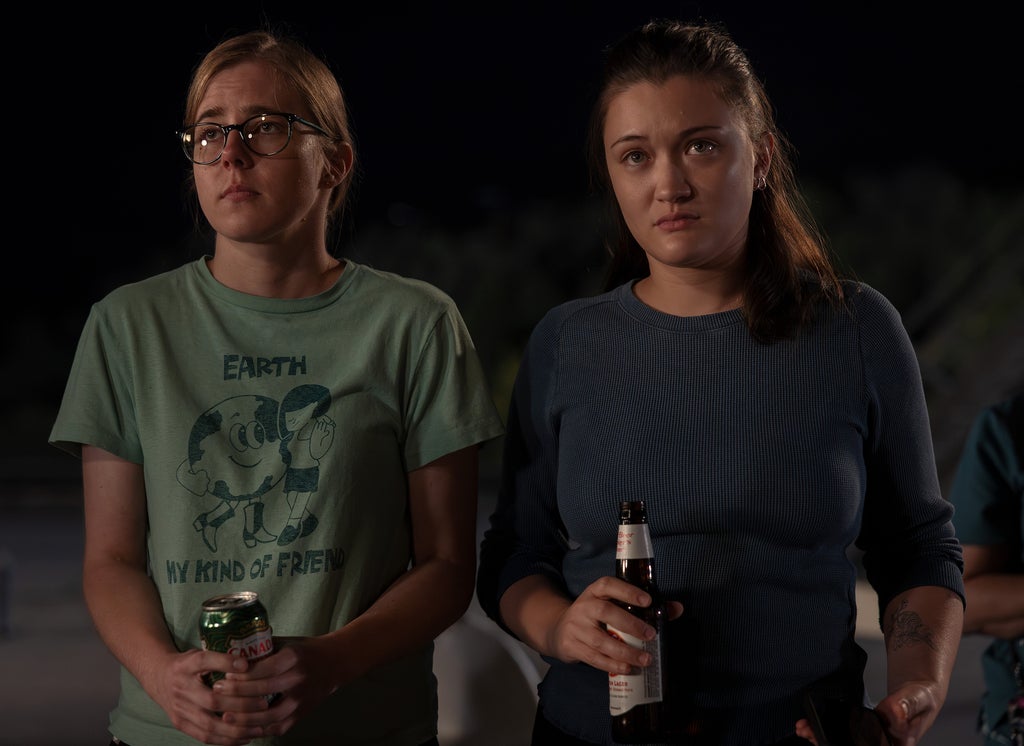
LANASA The cool thing about the emergency department is that it is a microcosm of society, and that is such a genius way to have social commentary and to reflect what’s going on around us. That’s what I like about being on this show: It’s not like, “Look at my great acting! My makeup and my fashion!” It’s not vanity work. It feels purposeful, particularly the attention you bring to healthcare workers. It’s hopefully creating a more compassionate lens for people to see each other in our society.
DEARDEN The thing that has floored most of us is the medical community’s reaction. It’s kind of wild that I play pretend, but the idea that something I do by playing pretend is helping somewhere — you can’t ask for a better job. We get told a lot that healthcare workers, for the first time, their families know what they do. An attending reached out to me, saying he’s never been able to talk to his partner before. It’s him trying to protect her from the horrors of the world, and with “The Pitt,” she started saying, “There’s a certain amount I can handle, and I think you should share with me.” They have this communication that they’ve never had before.
AZEEZ I get a lot of med students. There are doctors and nurses, but med students for me, it’s an honor when they’re like, “I had a really shitty semester last semester, and thank you.” Season 2, Victoria sort of hits rock bottom, and I want a med student to be able to tune in on the worst day of their schooling and watch her and be like, “I’ll be OK. She can get back up, I can get back up.” It’s the whole point of storytelling, right?
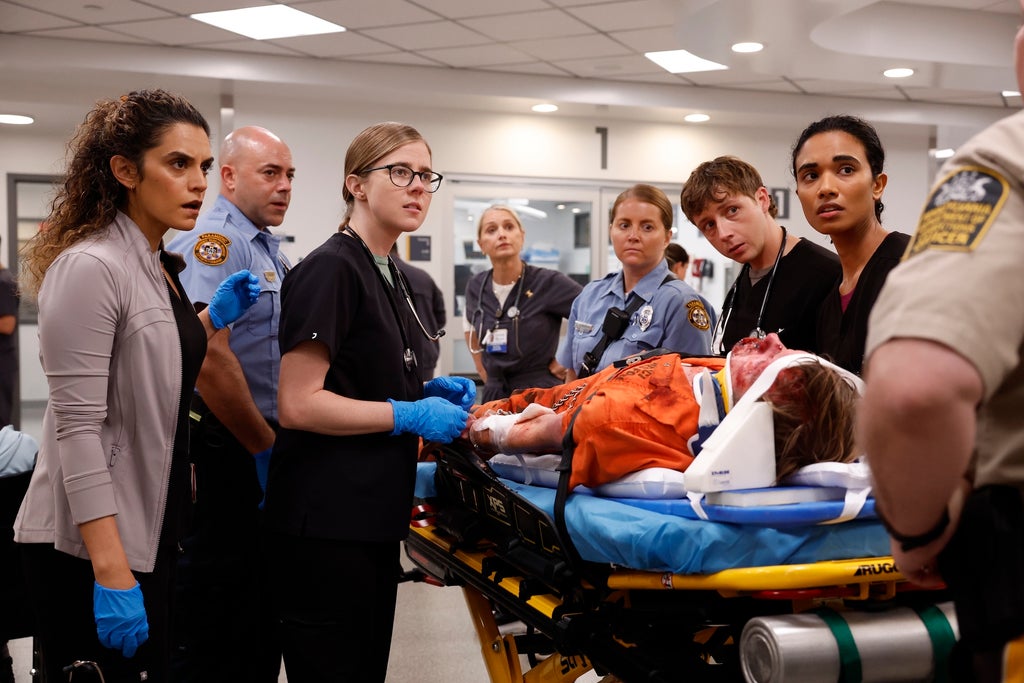
MOAFI People with disabilities, specifically physicians who have disabilities or carry chronic health conditions, including epilepsy — that was deeply moving for me, because even though they are legally protected by the ADA, they still are discriminated against. We saw Robby’s response [to her epilepsy] being kind of problematic and ableist, and that’s something that they face throughout their career. I was very moved by how much it meant to people. Every message that I’ve received I keep, whether it’s by mail or online or on the street, or whatever. It’s really beautiful.
Switching gears a bit, there have been some seriously gross injuries on your show. I often have to avert my eyes, and I could have lived happily without ever learning what degloving means. What is the gnarliest one that your characters have dealt with?
DOURIF The gnarliest one to watch, which is not your question but needs to be said, was the 10-minute childbirth [in Season 1]. The crown just kept going! [Laughs] Maybe that’s from a woman who hasn’t had children. I struggle watching them, but I really enjoy the practical effects.
Do you think the fact that this human cannot get this lifesaving procedure is right? I love that we make people look at themselves instead of spoon-feeding them.
Isa Briones
DEARDEN I’m squeamish, and I don’t do violence and horror or anything, so it’s been a huge learning process for me to get desensitized. I had to come up with a specific method in order to be OK on set, because honestly I think for almost every single injury that comes in I might pass out. I asked makeup to see the process of the prosthetic and how it’s applied. I have to see the bucket of blood behind the wall and the tube that goes in.
MOAFI The clamshell procedure. It was also my first day! [Laughs] In between takes, I would have a visceral gag reflex. But then when we were filming, it’s like a survival instinct. You just get it together.
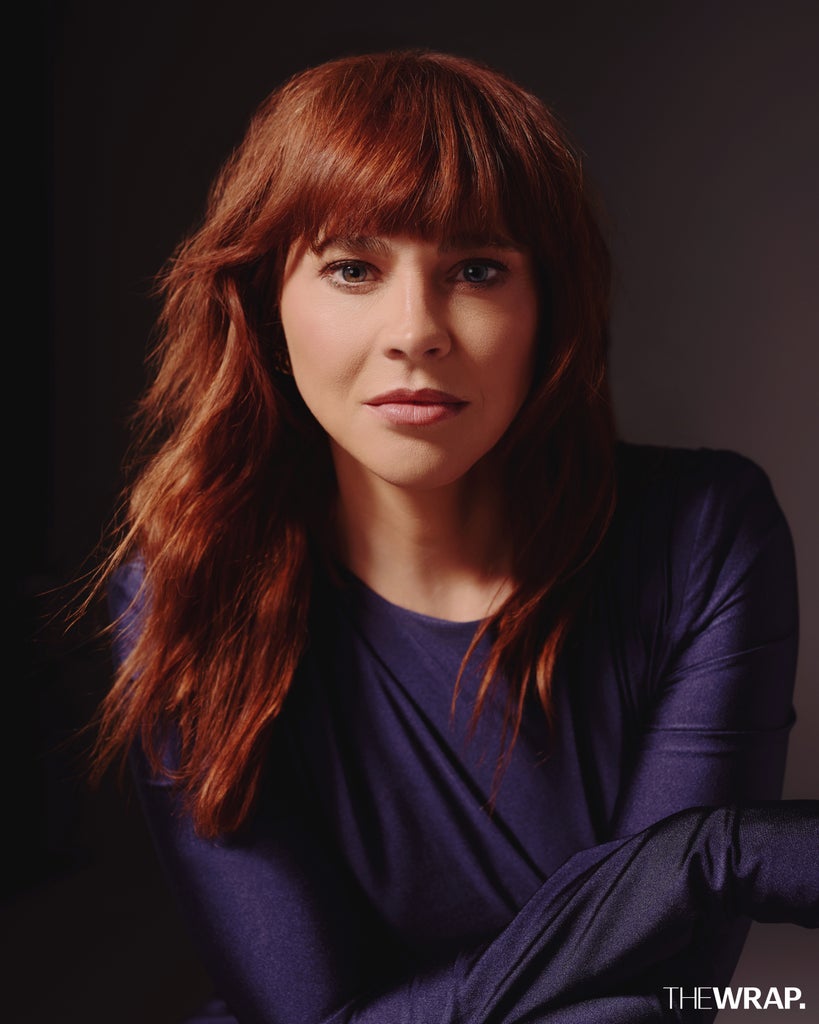
GANESH The erectile-dysfunction thing, with Viagra — the penis with clotted blood. I’m a big gore fan, and even that, I just was like, “I can’t look.” I don’t have a penis, but for some reason I feel deep penis empathy whenever there’s penis-related pain. [Laughs]
BRIONES That’s the quote that gets blown up in this article.
GANESH I don’t have penis envy. I have penis empathy.
BRIONES It’s not like anything was cut open or openly bleeding in that scene, but it’s terrible! [Laughs] Anytime we use the rib spreader, it really freaks me out. The idea that that’s what it’s called: rib spreader, right to the point. We’re just spreading those ribs, and it’s disgusting.
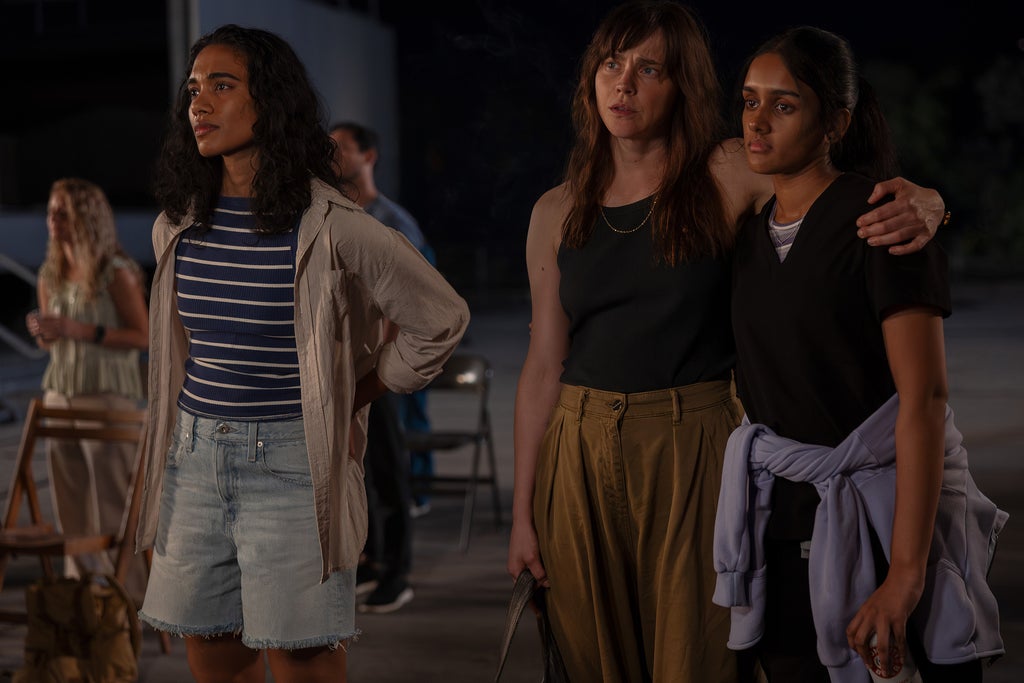
AZEEZ I love them all.
Shabana, I related to you fainting in the very first episode.
AZEEZ It was an honor to be the first-ever stunt of “The Pitt”! That’s so cool to say, and then it’s like, oh, I fainted. [Laughs]
DOURIF In “medical school” [boot camp for the show], they have us watch real surgeries. I remember silently talking to myself, like, “Fiona Dourif, you are paid to be here. You have to man up, become a professional and do not shut your eyes.” [Laughs] And I watched a beating heart with a gunshot wound get stapled. The man lived.
LANASA Yeah, they make us watch these things, and I’m mostly like this. [Puts her hands over her eyes] But you know, I play the nurse, so… [Laughs]
But Katherine, you had to deal with the larvae on Mr. Digby’s arm…
LANASA Queen, let’s talk about those maggots. Dana’s like, “Oh, I see you brought some friends!” That’s her response to it. When I got done with that scene, I went over to Mike [Hissrich, an executive producer]. I was like, “I think you need to get me some jewelry.”
I don’t think he really understood, but I meant it! I need a present for that. That was so disgusting. There were maggot wranglers. PETA was there. Those maggots are going to college on the money they made from doing “The Pitt.”
A version of this story first ran in the Drama Series issue of TheWrap’s awards magazine. Read more from the issue here.