


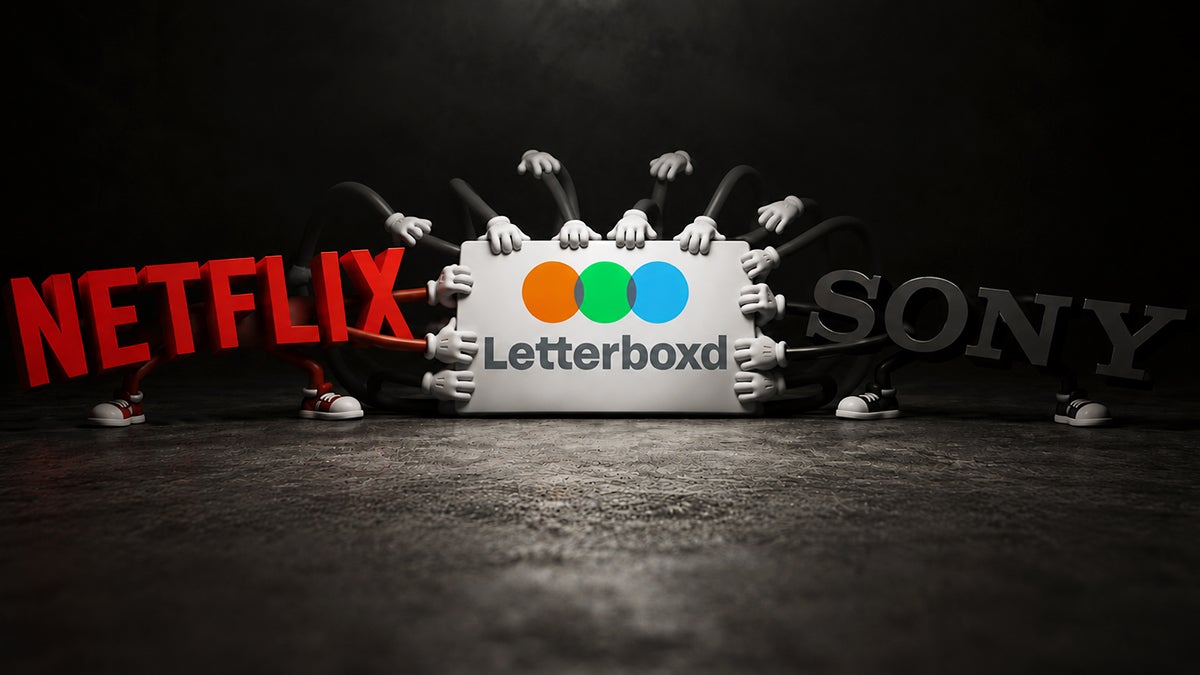
Letterboxd is known as the rare positive social network that’s a haven for cinephiles. But that could all be in jeopardy with suitors lining up for a possible acquisition.
Tiny, the Canadian holding company that manages a fund that owns 60% of Letterboxd, has put up the film-centric social network for sale and is taking initial interest meetings. Sony Pictures Entertainment is among several parties that agreed to participate in those early meetings, an individual familiar with the matter told TheWrap. Others that have reportedly participated in the early talks include Netflix and Paramount, private equity firms RedBird and TPG and Reddit co-creator and Seven Seven Six founder and general partner Alexis Ohanian.
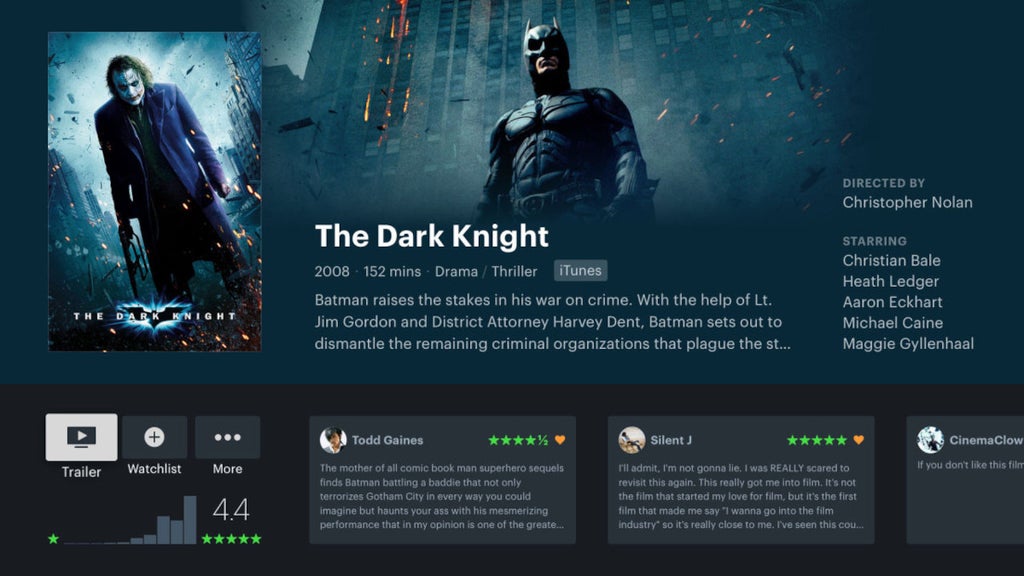
Unless you’re a film buff, Letterboxd — a platform that lets you log, rate and review movies they’ve seen — may fly under the radar for you. But the reason why it’s so valuable to the studios is because so much of the critical discourse around films happens there. And owning that discourse, as well as the user data that members — many of whom are in that coveted Gen Z demographic — submit about their movie preferences, would be invaluable.
“The community is the asset,” regulatory attorney Braden Perry told TheWrap, noting the data offers “a first-party map of film taste at scale, with purchase intent signals built in through watchlists.”
Letterboxd could be valued at $250 million by bankers, according to Puck. Tiny’s fund reportedly paid $50-60 million for its 60% stake back in 2023.
But, several experts warned, a big part of Letterboxd’s power comes from its role outside of Hollywood. Any new parent bringing changes to the social network that even raises the perception that it’s tainting that neutrality could break the faith of its users. Letterboxd is so popular with cinephiles, in part, because it’s cool.
“Trust is the one asset on the balance sheet you can’t buy back once you spend it,” Perry said.
Word of interest Letterboxd form legacy studios comes amid a furiously busy time in media M&A. Paramount is in the midst of closing its acquisition of Warner Bros. Discovery in a $110 billion deal, Fox has agreed to buy Roku for $22 billion and IMAX and Lionsgate have also been in the M&A chatter over the last few weeks.
Comparatively speaking, Letterboxd would be an inexpensive purchase — virtually a rounding error for a company at the scale of Netflix.
But that doesn’t mean it doesn’t hold an important role in Hollywood.
Letterboxd and holding company Tiny, investment bank Liontree, and TPG didn’t respond to a request for comment. Representatives for Netflix, Paramount, Sony, Ohanian, Versant and RedBird declined to comment.

Why it’s so valuable
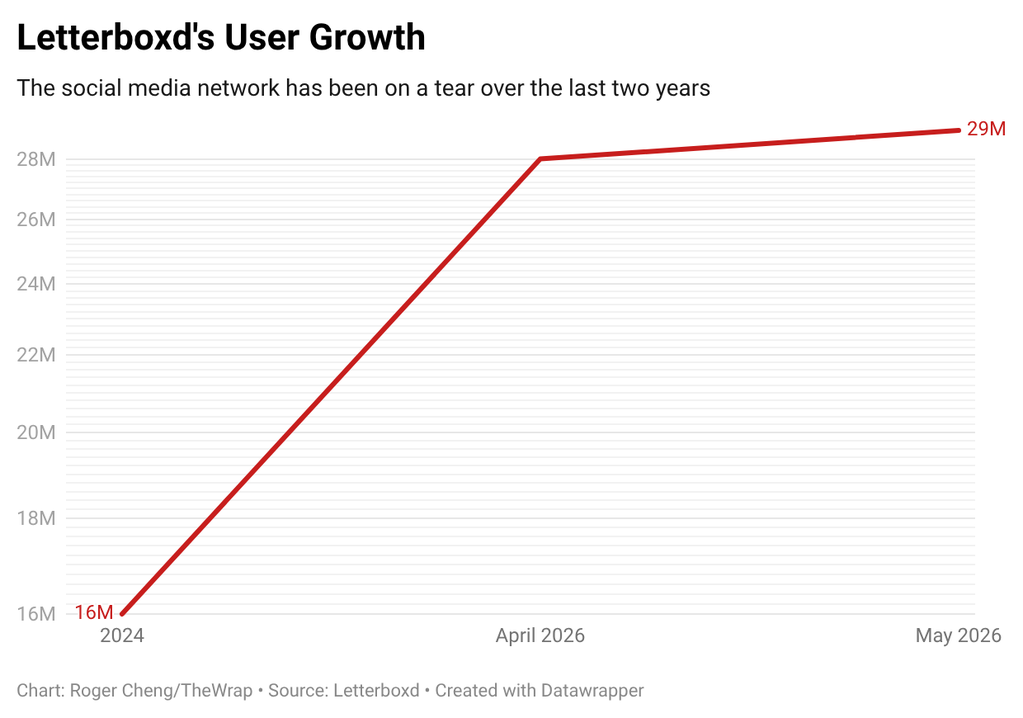
Letterboxd boasts a user base of 29 million as of May, a drop in the bucket compared to larger social networks like Facebook or X. But the platform is the definition of quality over quantity, with an engaged user base that write reviews, build watchlists, flag hidden gems and follow and interact with each other.
“Data is king nowadays and they have a lot of of it,” said a top manager. “The amount of data they had to work from you can monetize in multiple ways in today’s age.”
It’s also been on an impressive growth trajectory, nearly doubling its base from the 16 million users it had back in 2024. Just as important are the demographics, with Letterboxd skewing younger than traditional social media networks, with Perry noting it’s an audience that Hollywood can’t reach through paid media.
As surprise word-of-mouth hits like “Obsession” have shown, being able to harness buzz and the discourse around films and filmmakers is extremely powerful.
“It’s just undeniable that Letterboxd has become the leading platform in film discourse — involving those even well beyond traditional cinephiles and attracting a significant portion of the ‘casual’ moviegoing audience as well,” Zoë Rose Bryant, a prolific Letterboxd user, told TheWrap.
It has become a well-respected stop during press tours and red carpet lines for talent as well, with its uber-popular “Four Favorites” video series in which everyone from Kevin Feige to Keke Palmer delights in spouting off their four favorite movies of all time for the camera.
Over the years, Letterboxd has begun experimenting with being more than just a platform for conversation, finding ways to deliver movies directly to fans. The service will occasionally offer users in select cities free screening opportunities for upcoming films, as they recently did with the newly released “Evil Dead Burn,” further burnishing its reputation as an impartial tastemaker.
“As more average moviegoers become tapped into film discourse and word-of-mouth surrounding new releases (which can in turn affect commercial performance), I think there’s a desire to control that conversation for one’s own self-interest,” Bryant said.

Who the suitors are
There are a number of players interested in Letterboxd. Here’s a breakdown of why a deal would make sense:
Netflix: The streamer has already shown a willingness to be acquisitive, and $250 million would be less than the deal it cut with Ben Affleck’s AI startup Interpositive, which is valued up to $600 million. Michael Goodman, senior analyst at Parks Associates, said that Letterboxd could help with the streaming giant’s recommendation engine, which he calls “good, but not great.”
“One of their biggest challenges, frankly, is just helping viewers find content in their, you know, literally thousands of titles that are out there,” he told TheWrap.
- Downside: “Netflix owning the internet’s biggest independent film community looks like a streamer buying its own report card,” Perry said.
Sony: The Japanese studio owns the Alamo Drafthouse theater chain and bought a stake in Cosm, the Sphere-like ultrawide screen theater company, so it’s collecting a series of assets around devoted film audiences. It could also use Letterboxd data for market research and to help direct its franchise. Most of the studios already analyze Letterboxd anyway.
“I’d call Sony the most credible studio buyer in the group,” Perry said.
- Downside: While Sony produces films, it’s a tiny fraction of the films discussed on the platform, so it could more easily preserve its neutrality. But that doesn’t mean users would question its intentions.
Paramount: It would also be interested in both the discourse on the platform and the user activity. The company, under CEO David Ellison, has embraced technology and data and Letterboxd would offer a lot of audience intelligence.
- Downside: It’s in the middle of a massive acquisition attempt now, and if successful, will be swimming in debt. It may not have the financial willpower to make such a deal, despite its small size. Plus, social media is already awash in memes joking about censorship on Letterboxd if Paramount takes control.
Redbird and TPG: Both private equity firms would avoid the neutrality issue that would dog the studios. They could both better help the platform monetize Letterboxd, whether it’s through more effective ad sales or other business opportunities. A devoted base of 30 million users could be lucrative if monetized correctly.
- Downside: PE firms want to get the most out of their investment, and will likely push hard to add revenue-driving mechanisms. More effective ads is one thing, but what about premium tiers, licensed data or more intrusive ads? While they may be effective at driving up revenue, they could turn off users, and history is littered with businesses that lost their way under PE direction.
Alexis Ohanian: The co-creator of Reddit is likely the user base’s preferred destination since he deeply understands the value of a community. He doesn’t seem to be denying it on Twitter either.
- Downside: His venture capital firm, Seven Seven Six, is used to earlier stage investments, so Letterboxd would be more expensive than his usual bets.
The latest interest comes after Tiny approached the Ankler about potentially buying Letterboxd in 2025 as they looked to boost their direct advertising and monetization efforts. However, the two sides ultimately couldn’t agree on deal terms. An insider familiar with the matter told TheWrap that communications between the two companies remain open as they’ve partnered on sales, a series of events and newsletters, but that the Janice Min-led media company is not actively looking at acquiring Letterboxd. Tiny had also previously spoken with Comcast cable network spinoff Versant, according to Semafor.

Raising a red flag
Power users like Bryant expressed concern that a deal could change what makes Letterboxd special.
“Personally, it makes me a little uncomfortable — and raises concerns of censorship in my mind — that a studio would have control of an app where films they’re distributing are being discussed and potentially criticized,” Bryant said. “If control of discourse isn’t driving these studios’ interest in acquiring Letterboxd, what is?”
One top agent noted that the studios acquiring Letterboxd could be a way of shutting out traditional film critics — or at least elevating this kind of discourse as an alternative.
But this isn’t the first time a studio has bought a review site. In 2016, Comcast NBCUniversal’s Fandango bought Rotten Tomatoes. Over time, its mission as an aggregator for film critic reviews took on the additional priority of generating ticket sales and added editorial and other businesses. It’s now owned by Versant, which spun out of Comcast at the beginning of the year.
Still, Rotten Tomatoes and its fresh-rotten scoring system remains a key part of how Hollywood gauges success. That’s partially because it factors reviews from critics that are part of the entertainment ecosystem.
Letterboxd’s strength comes from dedicated, insightful, but everyday users.
“I’d hate to see this special sacred space originally founded on a shared appreciation for film as an artform be corrupted by corporations who only view it as another marketing tool,” Bryant said.
