
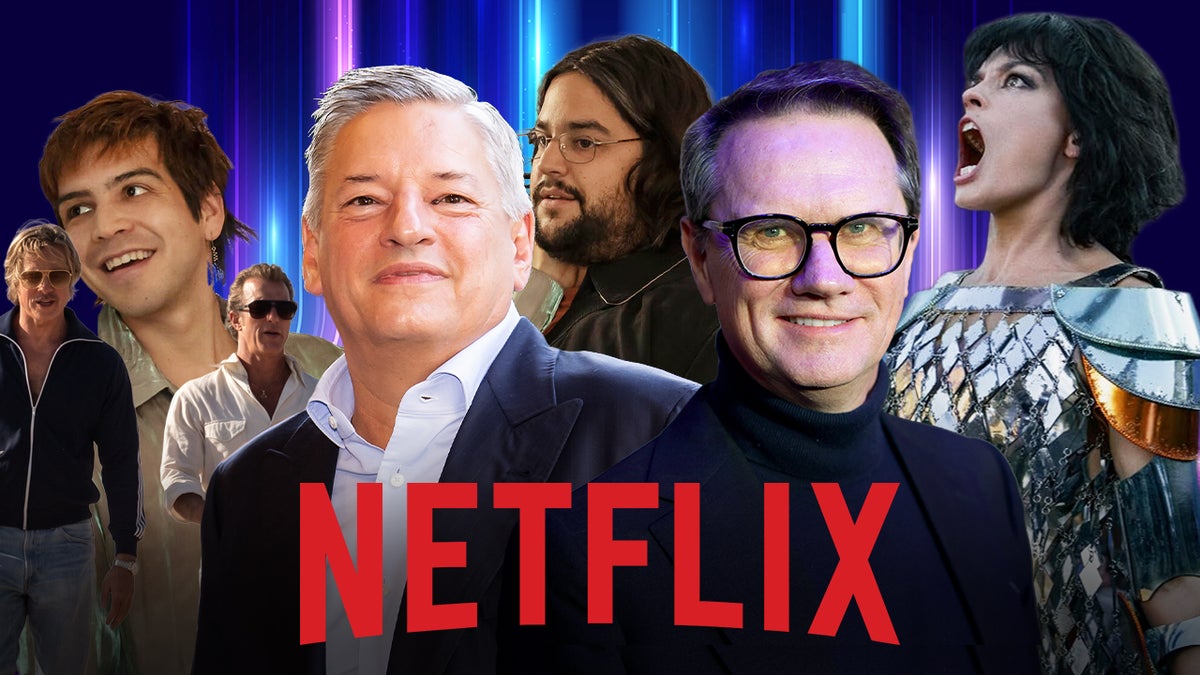
Netflix is going through something of a dark night of the soul.
The streaming giant that, among other things, is responsible for releasing more movies each year than any of the establishment studios, had its executive ranks roiled. Last week, Bela Bajaria, who had served as the streamer’s chief content officer since January 2023, was unceremoniously removed; she was replaced by Peter Rice, who had served long tenures at 20th Century Fox and, after its acquisition, Disney. And over the weekend Dan Lin, the embattled chairman of Netflix Film was let go after two years in the role.
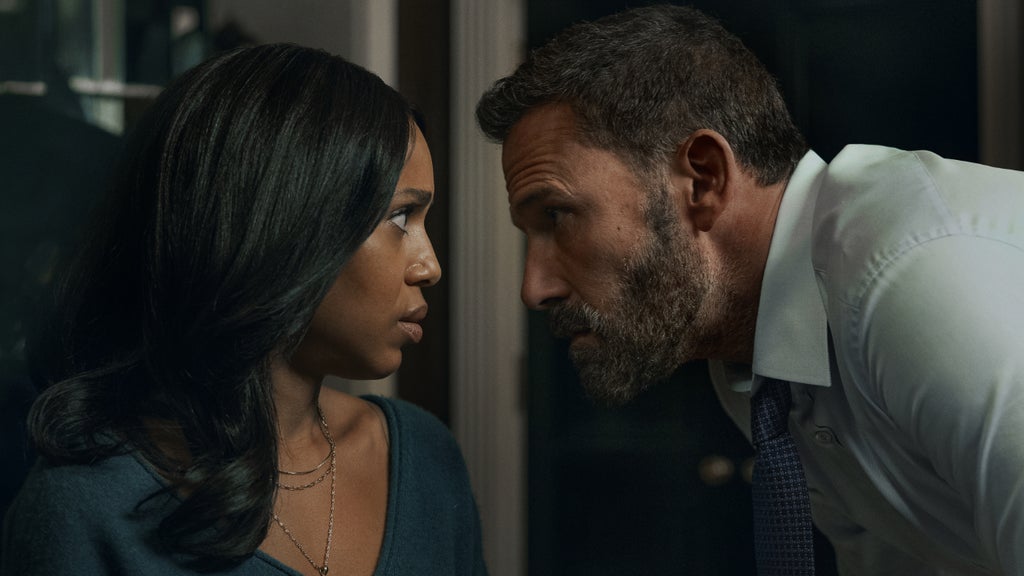
Lin’s exit comes as a string of costly – and, worse still, uncompelling – films have flooded the streaming service . What, you didn’t get a chance to see Ben Affleck’s lousy thriller “Animals,” a movie that New York Magazine dubbed “a catastrophe”? And it comes ahead of a wintery Oscar season where, once again, Netflix doesn’t have an obvious path to a Best Picture winner.
The shakeup is a signal that Netflix, long seen as the unassailable market leader in streaming and entertainment, isn’t immune to the market forces that is giving every player in Hollywood a rough time. From consolidation (hello Skydance-Paramount-Warner Bros.!) shaking up the competitive landscape to changing audience viewing patterns, Netflix is realizing it needs to change with the times — and that a steady stream of forgettable films isn’t going to keep subscribers on the service.
Here’s what the next chairman, or perhaps chairpersons, of Netflix Film needs to do restore the brand, lure top-tier filmmakers back to the studio and, more importantly, make it a viable player for the future.
1. Restore relationships with top talent
Lin’s exit came during a truly crippling brain drain for the Netflix film division. Celebrated American filmmaker Noah Baumbach, who also co-wrote some movie called “Barbie” with Greta Gerwig, had been with Netflix for almost 10 years, writing and directing buzzy titles like the Best Picture-nominated “Marriage Story” and the George Clooney-led “Jay Kelly.” His movies always had big stars, who clamored to work with the auteur, and buzzy hooks. But last month he left for Clockwork, the specialty division of Warner Bros., where he will write and direct his next film. (Clockwork has been confirmed to survive the merge-pocalypse.)
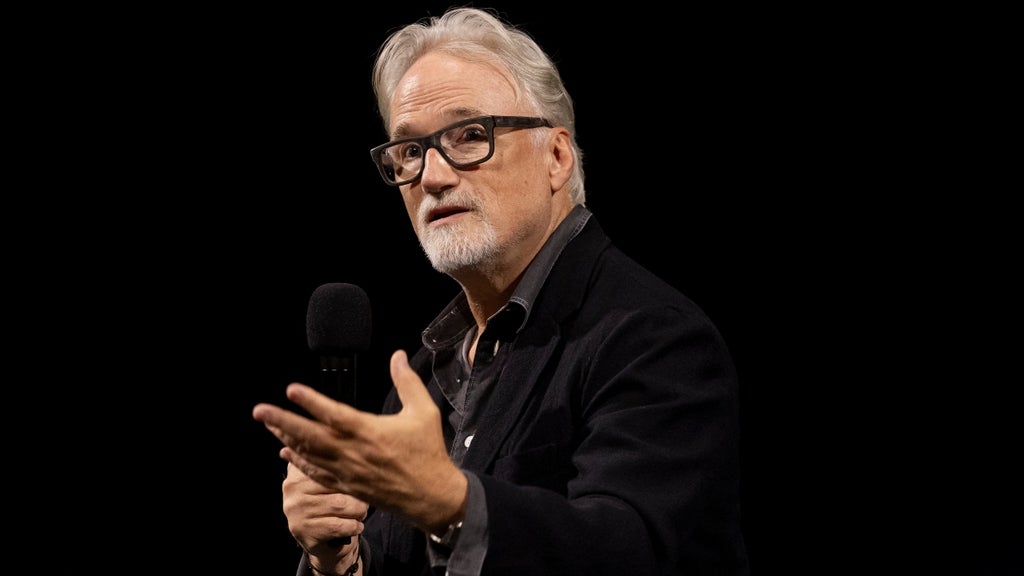
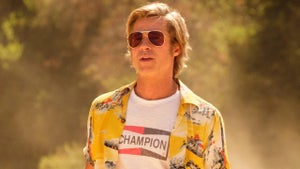
Additionally, David Fincher, who had signed two long contracts with the streamer and created hit series like “House of Cards” (the first true Netflix original series breakout) and “Mindhunter” and had directed films like “Mank” and “The Killer,” has also set his exit from the streamer. He still has “The Further Mis-Adventures of Cliff Booth,” which sees Brad Pitt return to his Oscar-winning role from “Once Upon a Time in Hollywood,” hitting the service in December after a brief theatrical window in Imax next month. After Fincher’s departure, there was a report that it was sparked by Lin’s meddling on “Cliff Booth.” (The same report pointed out that, at the “Animals” premiere, Affleck thanked Bajaria but not Lin. Ouch.)

Additionally, Netflix lost the Duffer Brothers (to Paramount) and Shawn Levy (to Disney); while these deals were primarily for television shows, they also included movies. Levy, we should not forget, made “The Adam Project” for Netflix. And the Duffers were itching to get back to film after spending a decade on “Stranger Things.”
Under Lin’s predecessor Scott Stuber, Netflix became a place where the most talented and passionate filmmakers could come and make their dream movie, with little executive oversight. It was a safe haven that attracted both internationally known directors and some of the biggest stars in the world. Sometimes this backfired, particularly with long-cherished passion projects, where you’d think, Oh, so that’s why nobody else wanted to make it. But mostly it was a success.
And it set Netflix apart.
In those halcyon days, the streamer was able to woo Martin Scorsese, Bong Joon-ho, Alfonso Cuarón, Baumbach, Wes Anderson, Rian Johnson (who committed to two “Knives Out” sequels), Jeremy Saulnier, Maggie Gyllenhaal, Gerwig, Adam McKay and Guillermo del Toro to make movies for the streamer. These were movies that people talked about but more importantly watched. And their success fed all other avenues of Netflix – from their experience division to pop-up shops to additional sequels or spinoffs.
One franchise producer gives an example of Lin’s short sightedness – Lin showed up to the premiere of del Toro’s “Frankenstein” last year and spoke about how proud he was to work with del Toro again, since Lin worked on “At the Mountains of Madness,” del Toro’s fabled adaptation of H.P. Lovecraft’s story (with Tom Cruise in the lead role, no less), years earlier. A few months after “Frankenstein’s” release, del Toro started talking about how he might want to revive “At the Mountains of Madness,” a project he’d wanted to do almost as long as he’d been dying to make “Frankenstein.” Del Toro had a meeting with Lin, who then told him, “Horror doesn’t work well for us.”
As one exec put it, “They aged out of being cool. They could have been A24 if they had cared.”
But it’s not too late.
Key for any incoming studio head will be to reestablish those relationships (how they reestablish those relationships will be detailed below). Keeping Fincher would be key. It would be hugely symbolic. This is a place where the town’s top talent not only wants to work but wants to stay. In a bizarre New York Times profile from earlier this year, Lin said that he was done catering to the establishment. The headline stressed that he was “done coddling Hollywood,” and there were a number of stories about his blunt approach to the process, including a strict adherence to budgets and schedules.
Well, it might be time to start coddling Hollywood again.
1a. Leave “Narnia” alone
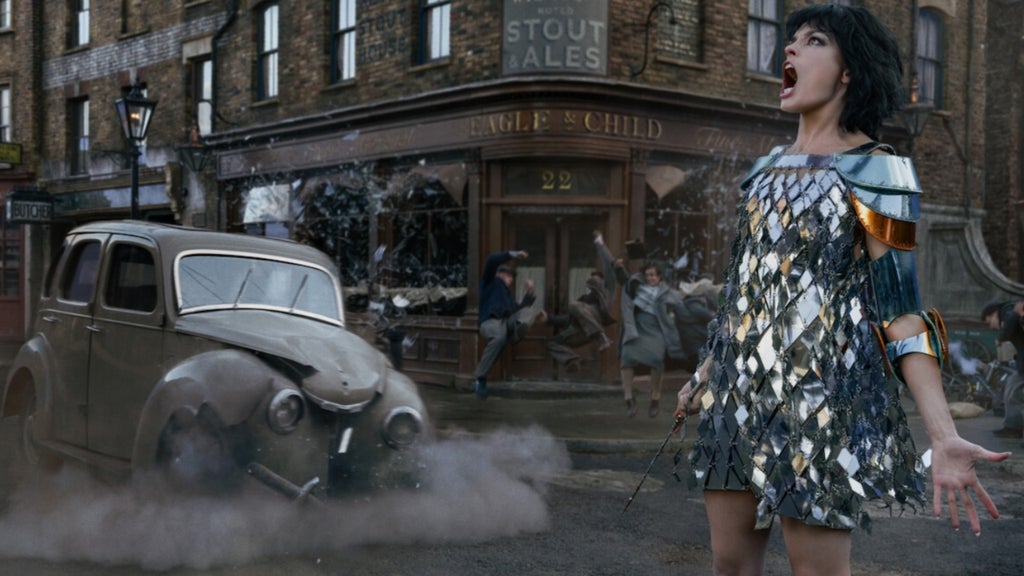
After the dazzling, Led Zeppelin-backed trailer debuted for Gerwig’s forthcoming “Narnia: The Magician’s Nephew,” there was talk that Lin and the Oscar-nominated director of “Lady Bird,” “Little Women” and “Barbie,” were clashing behind the scenes. Lin apparently demanded reshoots after a soft test screening; the same source (independent journalist Jeff Sneider) on Monday said that part of Lin’s ouster had to do with “Narnia.” Basically, that Lin should have never been allowed to greenlight the $280 million film, even after “Barbie’s” runaway success.

But even if it cost too much and might not have the juice to be another phenomenon, it still could be an amazing Greta Gerwig movie. And whoever is installed could be responsible for making that happen.
The next film head has the chance to fully allow Gerwig to bring her unique, glam rock vision to life. Whatever notes Lin and his team gave can easily be tossed away. It’s not hitting theaters until February. We’ve got plenty of time to right the ship. If Netflix wants “The Magician’s Nephew” to be the part of a sprawling franchise, it can make sure the series’ first steps are outstanding. It could also make a play to keep Gerwig at Netflix for sequels and/or spinoffs, even in a creative consultant role, before she gets lured back to Skydance’s Warner Bros. for a “Barbie” sequel.
2. Finally embrace theatrical
This is, perhaps, the biggest area of contention between Netflix and virtually everyone who wants to work with them (and who they want to work with) – a full embrace of theatrical exhibition. The streaming giant is inching its way towards something; “La Bola Negra” is in a theatrical release ahead of its streaming debut and both “Narnia” and “Charlie vs. the Chocolate Factory” (its big animated movie for holiday 2027) will get wide theatrical releases.
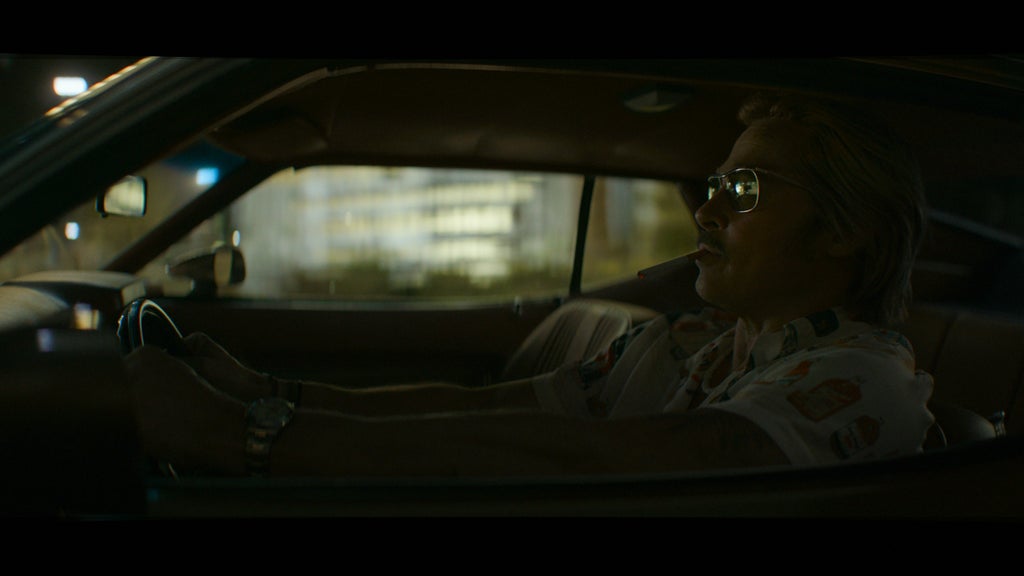
Then there’s the aforementioned Imax bow of “The Further Mis-Adventures of Cliff Booth,” which took the spot that “Narnia” was originally meant to occupy. And “Ray Gunn,” the new animated film noir from Brad Bird and Skydance Animation, will get select 70mm screenings this December ahead of its debut on the service after the team unsuccessfully lobbied for a wider theatrical release.
But despite Co-CEO Ted Sarandos taking meetings at CinemaCon earlier this year in Las Vegas, the studio has yet to fully commit to a theatrical exhibition plan. This will be key to getting talent to come to Netflix; no filmmaker makes a movie to be half-watched on an iPad in somebody’s kitchen, and the success of streaming movies on other services comes with at least some awareness of a theatrical release – hell, Disney put fresh billboards up around Los Angeles trumpeting the debut of Pixar’s “Toy Story 5” on Disney+.
As one top agent said of the issues that will face a new head of film, “Theatrical is by far the most important.”
This is a way of turning Netflix movies into an event – one that you can experience in a theater and then later at home. Given enough time and a healthy lineup of films, theatrical could become a new revenue stream at a time when Wall Street is wondering where its growth will come from next.
It’s hard to imagine Tom Cruise or Zach Cregger or Ryan Coogler ever working with Netflix without the built-in theatrical component.
Another source suggested that a legitimate theatrical plan will not only attract talent to make movies at Netflix but will also attract the next great leaders at the company. This source said that a theatrical framework would indeed be required to get Pam Abdy and Mike De Luca, the beloved former Warner Bros. executives, to Netflix.
One producer said, on the subject of Abdy and De Luca possibly heading to the streamer, “If [Netflix gets Abdy and De Luca] then war has been declared on David Ellison – Netflix and Peter Rice will tie up all the major filmmakers and over-pay them. Bad news for Ellison.”
An insider with knowledge of De Luca and Abdy’s thinking suggested that Netflix adopting a similar windowing structure to the legacy studios for a handful of films each year is essential to Netflix’s film studio surviving, particularly in the absence of acquiring a studio (like Universal, which could be up for grabs soon, or mini-major Lionsgate). This insider said that Netflix will need to make sure that a select number of original films are in theaters for at least 45 days and, depending on whether or not they adopt a digital sell-through model or if it goes straight to the Netflix library, a runway of 90 days before making it onto the platform.
Of course the company will need to install an entire new apparatus, with distribution and marketing teams, but that’s something Rice and his new film chief (or chiefs) can spin up. Netflix was very close to buying Warner Bros., which partially (finally) got Sarandos interested in theatrical exhibition. Whoever runs Netflix film next could get it over the line.
3. Look for other business opportunities
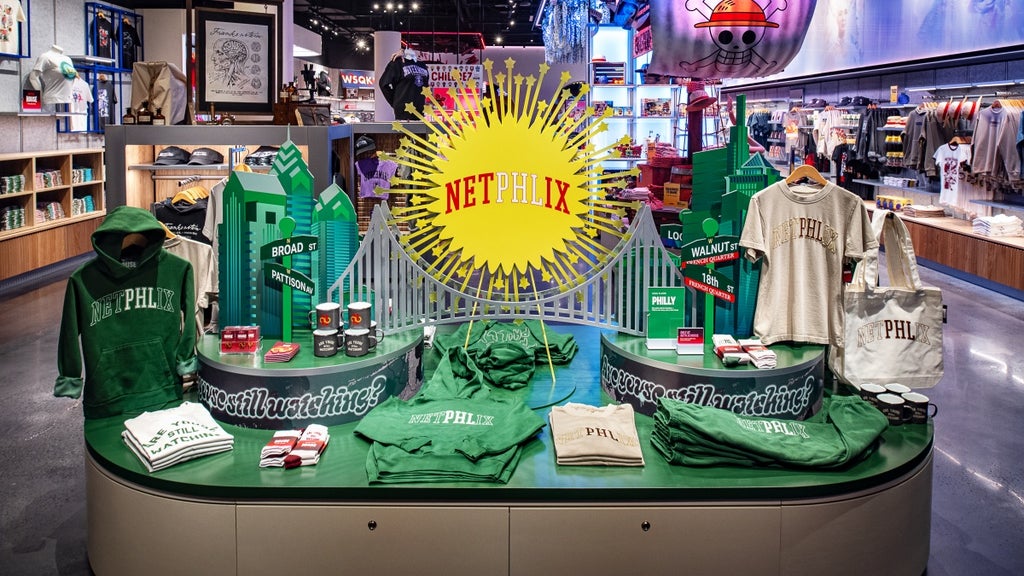
For too long, Netflix has simply dropped a movie on the service, with little or no marketing, and that was it. Other business opportunities in the space, particularly when it comes to things like consumer products, either fell by the wayside or were rushed out after a movie had already become a hit (more on that below). Netflix has slowly made its way towards a more consumer-friendly model; there are several Netflix Houses open or opening around the country (the next one will open in Las Vegas next year) that combine a heightened Disney Store aesthetic with screening rooms and special events, complete with customizable experiences that can be swapped in or out of the stores depending on the show or movie that Netflix wants highlighted.
But there could be more.
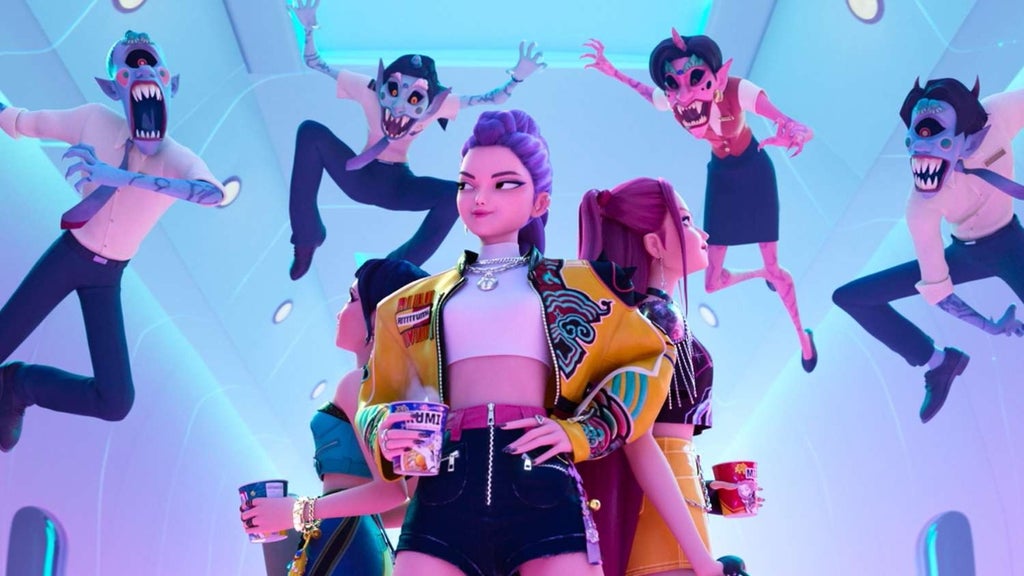
There have been exactly two McDonald’s tie-ins to Netflix animated product, both this year and both based on established properties (“KPop Demon Hunters” and the animated “Stranger Things: Tales from ‘85”). But this should be par for the course, particularly on the more widely accessible movies like Skydance Animation’s “Swapped” (which was a huge hit) and the upcoming “Steps,” the first movie made end-to-end within the Netflix Animation Studios pipeline, which will hit the service this Thanksgiving.

We’ve often thought about how Netflix should have its own specialty home video label, like A24 and Lionsgate do, to release limited edition, extras-laden physical media versions of its most popular movies. “KPop Demon Hunters” is being put out from Criterion next month. “Frankenstein,” “Pinocchio,” “Marriage Story” and others are already a part of that boutique label’s library. Why not cut out the middleman and release the same high-end product themselves? Again, just like theatrical, home video might not be the juggernaut it once was but it is still making money, particularly in the highly collectible market that their label could target.
Oftentimes Netflix’s consumer products and experiences (like the recent “Stranger Things 5” haunted house at Universal’s Halloween Horror Nights) feel like they are catching up to the culture instead of leading it. The new head of film has a chance to push this forward. The lack of stuff around Netflix releases is another thing that keeps their movies feeling less like events and more like something that just appears – and disappears – from your smart TV or streaming device.
Did “The Last House” really even come out? Why yes, because this commemorative box of Cheerios is sitting in my cupboard.
4. Identify hits sooner
For all of its computing power and algorithmic data, Netflix is often caught off-guard by what becomes a hit on the service. The biggest example of this is “KPop Demon Hunters,” a movie that was made in conjunction with Sony Pictures Animation and was not highly regarded internally. (Netflix figured the big animated hit of the year would be its charming animated fantasy “In Your Dreams.” It was not.)
Once “KPop Demon Hunters” was released, it defied expectations and eventually became the most-watched anything on the service. But by then it was too late – there were barely any toys for Christmas that year, the junket happened months after the movie was released and when Netflix finally got the movie into theaters for a sing-along version of the film, it was the No. 1 movie in the country (if Netflix had reported the grosses). But it could have been that way for weeks, if only the streamer had properly anticipated it.
The same could be said of “War Machine,” a movie that was originally developed by Lionsgate, starring Alan Ritchson as a soldier battling an invading alien robot. Another runaway hit that had very little hype surrounding it, people would love to have that robot on their desk right now. (There is not a single piece of “War Machine” merchandise on the Netflix Shop site.)
To this end, the industry insider suggested, “Make more movies based on established IP. Give audiences a reason to seek out a Netflix movie beyond the fact that it appears on their homepage.”

This is a way of cutting out the middleman, of having to establish excitement around certain properties, by making sure that it has movies that are based on things that people love. Another insider suggested that buying IP was a way of working around having to purchase a studio outright; if viewers know they can find some of their favorite, most cherish intellectual property exclusively on Netflix, it can serve the same function. Netflix is where you come for the best properties and the best movies based on those properties.
Next year, Netflix has a “Gundam” movie starring Sydney Sweeney and directed by Jim Mickle, who made the feature “In the Shadow of the Moon” for Netflix, along with the series “Sweet Tooth.” It was produced in association with Bandai and Legendary. And it could be the beginning of an entirely new universe.
Another thing, with regards to “KPop Demon Hunters” and “Swapped” (which entered the most-watched Netflix original list a few weeks after it opened) and in anticipation of “Steps” and “Ray Gunn,” is that Netflix’s new film chief needs to take animation more seriously. No other streaming service has been able to create so many hit original animated features. They need to make each one feel like an event, the way that every new Disney animated movie, during the fabled Disney Renaissance, did. With a number of sequels coming out to its biggest animated movies, including “KPop Demon Hunters,” “Leo” and “The Mitchells vs. the Machines,” it can get ahead of the algorithm and just make sure that each one is treated with reverence and respect. After that, the money will come.
5. Let go of the earlier Netflix movie models
Earlier this year, in anticipation of “The Rip,” Matt Damon and Ben Affleck appeared on “The Joe Rogan Experience.” That’s where the two shared a Netflix secret that you had probably always assumed but never had gotten confirmation on: that, as Damon put it, executives pushed them to reiterate “the plot three or four times in the dialogue” since most people aren’t fully paying attention to what they’re watching on Netflix.
“The standard way to make an action movie that we learned was, you usually have three set pieces. One in the first act, one in the second, one in the third,” Damon explained to Rogan. “You spend most of your money on that one in the third act. That’s your finale. And now they’re like, ‘Can we get a big one in the first five minutes? We want people to stay. And it wouldn’t be terrible if you reiterated the plot three or four times in the dialogue because people are on their phones while they’re watching.’”
(Affleck last month walked back this account, but the belief persists.)

After all, you can feel this in tons of Netflix original movies, certainly in “Animals” (which Damon and Affleck produced) and even in animated movies like “Swapped” and “Steps,” both of which have characters explaining specific plot details or biographical traits in the first few moments of the movie. You can even feel it in something like Bong’s “Okja,” which is otherwise an incredibly weird and idiosyncratic movie, but in the title sequence does an inelegant exposition dump that seems designed for those who are watching the movie while also putting their fussy newborn to sleep.
Reiteration of the plot, starting the movie off with a bang and diagramming the action sequences are all emblematic of the problems plaguing Netflix original films. These traits make Netflix movies feel forgettable and disposable; if you’ve seen one you’ve literally seem them all. But they can be stopped.
With a sharp-willed new executive (or executives) with taste and passion, these Netflix movie mandates can go away. They can make a stand for a movie to follow its own grooves, to not continually have characters reiterate their goals or reestablish the plot. And viewers will be all the better for it. Make movies that demand attention, that make you put down your phone or your book or your newborn child.
Otherwise, Netflix movies will age out of being cool. And they’ll age out of being relevant altogether.
Umberto Gonzalez and Sharon Waxman contributed reporting to this story.
