
Fox’s deal to buy Roku for $22 billion is poised to shake up the streaming business, and one of the key beneficiaries no one is talking about are creators.
Fox, through Tubi, and Roku, through its Roku Channel, are two of the biggest players when it comes to free ad-supported TV, also known as FAST services. FAST also happens to be one of the most aggressive mediums when it comes to courting creators.
Taken together, the deal could open up a wealth of opportunities as Fox positions itself as the go-to destination for creators looking to expand into “traditional TV” and move outside the confines of YouTube or TikTok. With Fox, creators will work with the savviest traditional media player when it comes to creator relationship, thanks to the company’s experience with Fox Creator Studios.
“[Fox] is making it very clear that creators are a big part of their focus moving forward,” Kurt Stadelman, vice president of talent management at the creator marketing partner Pearpop, told TheWrap. Stadelman sees Fox’s interest in acquiring Roku as “a positive for creators.”
“I think we’ll continue to see more of this consolidation with major media companies. They’re looking to combine distribution with the content and the production pieces, both original content and licensing of popular creator content,” he said. “It’s really exciting for creators, especially those who have large libraries and are doing longer form content.”

Fox to Buy Roku in $22 Billion Deal
The deal comes at a time when creators are already looking to expand their audience through different mediums. Netflix has signed a number of YouTubers like Ms. Rachel to non-exclusive deals to run their content on its service. Fox’s deal continues its strategic investment in the creator economy and would create an even bigger rival platform for creators looking to create their own “FAST” channel to host their programming.
FAST players have long partnered with digital creators. These streamers are often linked to TV hardware, such as how The Roku Channel comes free with all Roku platforms and Samsung TV Plus comes free with all Samsung smart TVs. The services often look for a specific kind of programming: lean-back shows that would feel at home on cable channels like Food Network or TLC. Licensing creator content allows the streamers to carry those types of shows cheaply while also offering programs that have already been approved by audiences. As for creators, these deals expose their work to new audiences, and they get to make more money from their library content.
Roku has long been a major player in this specific world. Since 2015, Roku has aired content from digital creators thanks to partnerships with companies like Buzzfeed. Now major creators like MrBeast, Alan Chikin Chow and Hot Ones can be found on Roku with content from iShowSpeed, Jesser and the Stokes Twins coming in the near future.
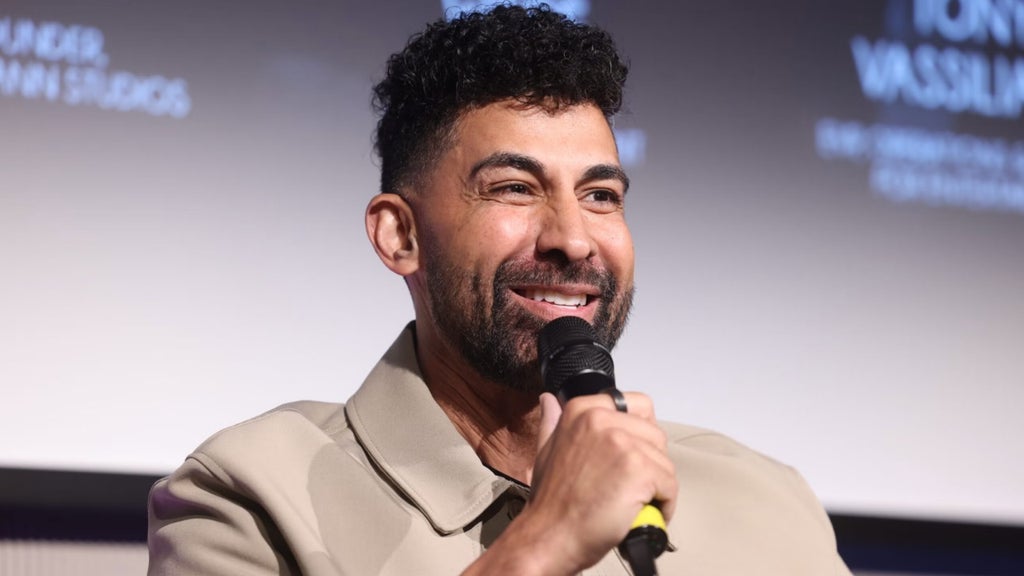
“[This deal] symbolizes and showcases the importance of an evolving television ecosystem,” Takashi Nakano, vice president of content and programming for Samsung TV Plus, told TheWrap. “We are largely vertically integrated, as is Roku. So it shows you the value and importance of having all of those touch points for both our users and viewers as well as media and entertainment in the future. We think about this as a validation of the future importance of both a connected TV experience — how do we use that platform to market new and exciting programming? — and also a platform to incubate and grow new talent.”
Representatives for Roku did not respond to TheWrap’s request for comment.
FAST + creators: A love affair
As Stadelman put in, partnering with FAST streamers is a “no brainer” for creators. Because YouTube’s algorithm prioritizes new content, creator videos often have a limited shelf life.
“Once the window for their recent videos ends on YouTube or on social, they’re probably not going to be making much money off of those videos in the future,” he said.
That means that many successful creators have a vast library of videos that aren’t making them any money. Why not license them out to a streamer if given the chance?
At the same time, many creators have changed the way they make content ever since YouTube became more of a power player in the living room.
By 2024, YouTube had cemented its status as the most-watched streamer in the living room and started offering tools to creators to help them make content for TVs. That meant letting creators upload videos in 4K, expanding the size of thumbnails so that they looked more like tiles you’d see on other streaming services and simplifying the process of subscribing to YouTubers. Creators were quick to adopt these changes. That year, 4K uploads increased by 35%, channel subscriptions through TVs increased by 40% and creator revenue from TV-viewed content rose over 30%.

“You see formats changing, you see storytelling changing, you see lighting packages changing,” Nakano said.
A cottage industry also emerged for places like pocket.watch, companies that specialize in adapting creator videos for streaming platforms. That conversion process often involves stringing together shorter videos to create a half hour or hourlong episode, removing branding, inserting natural commercial breaks and ensuring that the content meets each streamers’ standards and practices. Paying for that conversion is far less expensive than creating a new show from the ground up.
Unlike fresh content with zero record of success, utilizing a video that has already garnered 5 million views on YouTube means you’ve got a good shot at repeating that success on a FAST service.
Nakano previously worked for major cable players like Discovery and Scripps. During his days working with HGTV and TLC, his team would often look at bloggers when scouting for new talent or show ideas. He sees working with creators as doing roughly the same thing.

“We’re really looking for those creators who we think are television quality. Are they going to do well on TV? Can they produce for television? And we vet them through a process. We have discussions with them. We want to understand their long-term objectives,” Nakano explained. “Oftentimes these creators, they love being on these digital platforms, but ultimately being on that 10-foot TV experience is where they want to be.”
The big difference in working with creators is also one that’s beneficial to both parties. Because maintaining control of their intellectual property is so important to creators, they become much more like partners to streamers rather than talent. That means they’re often more willing to collaborate on new projects or do more promotion for their work. Nakano pointed to Dhar Mann as an example of a creator whose work evolved to look more TV-friendly the more he worked with Samsung. Even the Jonas Brothers, who live streamed five of their concerts last year through Samsung TV Plus, were more eager to collaborate with the streamer once they were treated as a creative partner rather than as talent.
“It had a different leaned-in feeling where we could ask them about any opportunity, and they’re like, ‘Let’s try it,’” Nankano said. “They were very much open to new experiences where that wasn’t always the case with everybody else in the past.”
Why Fox is interested in Roku
Fox’s interest in Roku makes sense, especially given the company’s strategic focus on streaming. In April of 2026 — the most recent month that Nielsen released its monthly Gauge viewership results — Roku accounted for 3% of all TV viewership, making it the fifth largest streamer and putting it ahead of Paramount+, Peacock, Warner Bros. Discovery and the Fox-owned Tubi. During that same month, Fox was the sixth biggest media company in terms of total TV usage by media company, accounting for 6.9% of the market that month.
Rather than going all-in on its own streaming offering like NBC did with Peacock or Paramount did with Paramount+, Fox has largely ignored the streaming wars. For years, the company licensed its broadcast content to various players like Hulu and Netflix (Note: Hulu originally started as a joint venture between Fox’s parent company News Corp. and NBC Universal). That changed in 2020 with the acquisition of the over-the-top ad-supported streamer Tubi. Last year, the company launched Fox One, a streaming hub for all Fox content across broadcast and cable. Instead of being marketed as the company’s future, the streaming offering has been presented as simply an option for cord cutters interested in Fox content.
That’s the Fox streaming strategy: the company licenses its shows to bigger streaming players; most people watch Fox through either cable or live TV streaming bundles; Fox One is a niche play for cord cutters, and Tubi exists as an ad-supported free streamer for younger viewers. The acquisition of Roku would greatly increase Fox’s streaming imprint.
But this deal isn’t without its critics. Last Thursday, lawmakers wrote to the Department of Justice calling for an “impartial” review of the acquisition. One of their main concerns was that Roku would be incentivized to push Fox content to its 100 million households after the acquisition. Roku’s planned acquisition comes amid a flurry of deals, including Skydance buying Paramount, and then turning around to acquire Warner Bros. Discovery, local station behemoth Nexstar trying to buy its biggest competitor, Tegna, and Disney’s acquisition of a 70% stake in over-the-top streamer Fubo.
Roku continues Fox’s bet on creators
Roku’s long alliance with the creator ecosystem also makes sense for Fox on a strategic level as few major studios or networks have invested as much in creators. Tubi, the Fox-owned FAST service, has content from over 400 creators and 30,000 episodes of creator content on its platform. Because it lacks the hardware element, Tubi doesn’t operate quite the same way as Roku or Samsung TV Plus. But it’s also seen great success in adding creators’ libraries to its platform.
“Our goal is to continue to invest in creators over time and the years,” Kudzi Chikumbu, vice president of creator partnerships at Tubi, told TheWrap. Typically, Tubi starts a relationship with a creator by either distributing one exclusive project with that creator or adding their library content to the platform.
“If it does well, we want to double down on those creators. I would say [comedian] KevOnStage is a great example of that. We had ‘Safe Space’ Season 1, which did incredibly well, and then we transformed that into a multi-project deal, including ‘Safe Space’ Season 2, a comedy special and more that will come out,” Chikumbu said. “So for us, if you do well, we want to continue to do well with you.”
Fox’s Red Seat Ventures and Fox Creator Studios are examples of how invested it is in creator content over the long haul. Red Seat Ventures is a talent group that includes expected Fox names like Megyn Kelly and Tucker Carlson as well as “Crime Junkie” hosts Ashley Flowers and Brit Prawat as well as controversial comedian and “Kill Tony” host Tony Hinchcliffe.

Roku Stock Surges 20% on Sale Talks
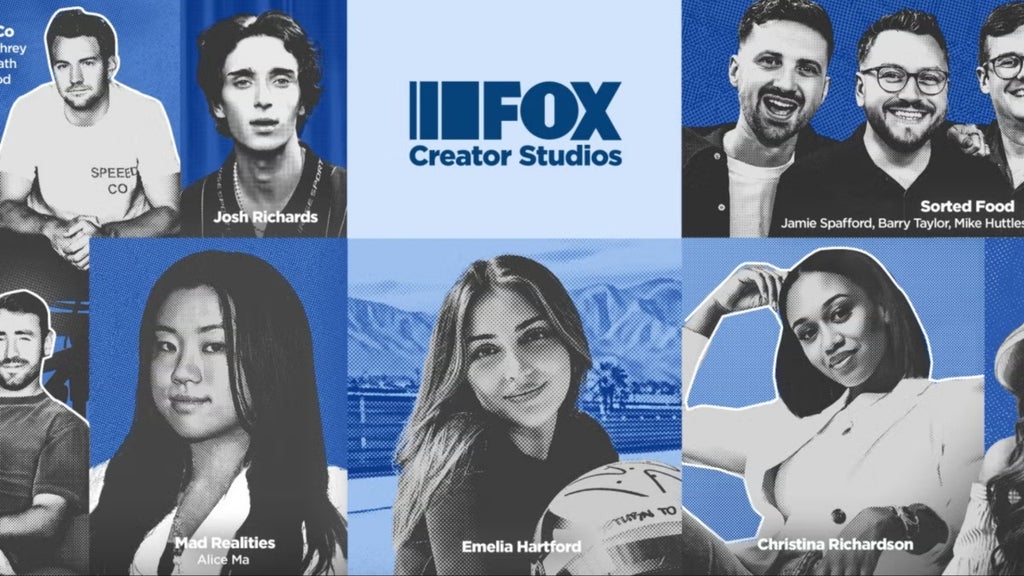
As for Fox Creator Studios, the division takes an atypical approach to creator content, acting as a production partner rather than a network one. That means if a creator like Josh Richards believes his new show works best as a YouTube series, Fox Creator Studios helps him make it without pressuring him to bring the series to Fox or Tubi.
“We believe great ideas can start anywhere,” a Fox executive familiar with the strategy told TheWrap. “Our job isn’t to guide creators toward one platform, it’s to help them build enduring businesses and reach audiences wherever they are and however they engage.”
The studio helps with production, financing, advertising, brand partnerships, consumer products, premium IP development and global distribution depending on the needs of a project. One of the biggest creators who are part of this new partnership is comedian Tom Segura and and his YMH Studios.
“It’s been met with good reception. It’s a different type of product, so to speak, than other creators are being offered, and we think it makes a lot of sense for creators, and it makes a lot of sense for Fox,” Billy Parks, executive vice president and head of Fox Creator Studios, previously told TheWrap.
