
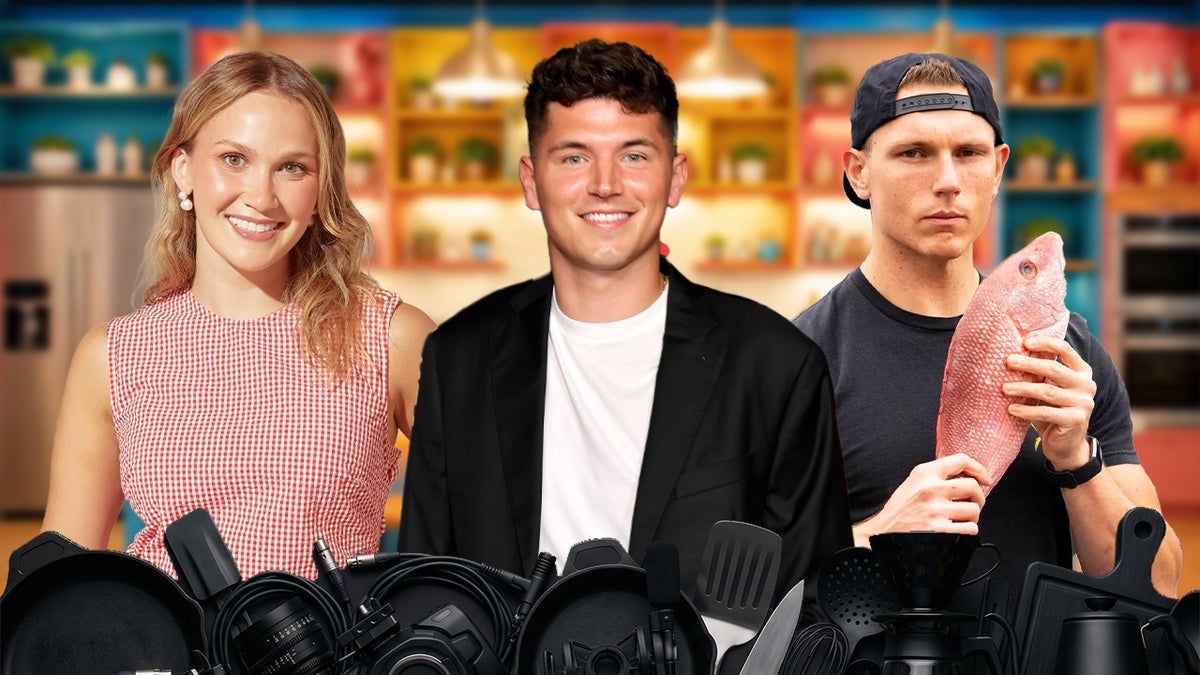
Netflix’s latest creator bet has taken a tasty twist.
In the last month, the streamer licensed content from Mythical Kitchen (4.4 million YouTube subscribers), Nick DiGiovanni (43.5 million YouTube subscribers) and Wishbone Kitchen (2.3 million TikTok followers). And since the start of the new year, the streamer has created originals with digital media company America’s Test Kitchen and chef and restauranteur Dave Chang.
The deals reflect a deeper investment by the streamer in creator content, with the cooking genre as the latest hot flavor. There’s reason for that: It’s a brand-safe and cheap genre for streamers looking to license creator IP, and it’s a format that’s well understood since audiences already consume it on TV. After the success of creator kids content on the platform — “Ms. Rachel” was one of the 10 most-watched programs on Netflix for the first half of 2026 – cooking content is a natural next step.
Creator cooking content has been booming on digital platforms, primarily YouTube, for some time. The data and analytics team at Spotter, a leading platform for creator-led media, found that 68% of viewers are ages 25–54 and 51% are under 35, compared to a median viewer age of 64 to 66 for linear cooking and lifestyle television. Essentially, channels like Chef DiGiovanni and Good Mythical Morning are the Giada De Laurentiis or Bobby Flay for Gen Z.

Spotter also found that 60% of creator cooking views occur on the TV screen rather than a mobile device, indicating audiences are consuming this content in a lean-back, living-room environment rather than primarily on mobile devices.
Unlike prank videos, commentary or gaming, cooking naturally produces long-form, repeatable viewing. Episodes are evergreen, internationally accessible, relatively inexpensive to produce and lend themselves to libraries that retain value years after release.
But if these shows are already doing well on YouTube and social media, why would creators feel the need to place that content on a streamer? For DiGiovanni, it just gives him an even bigger stage.
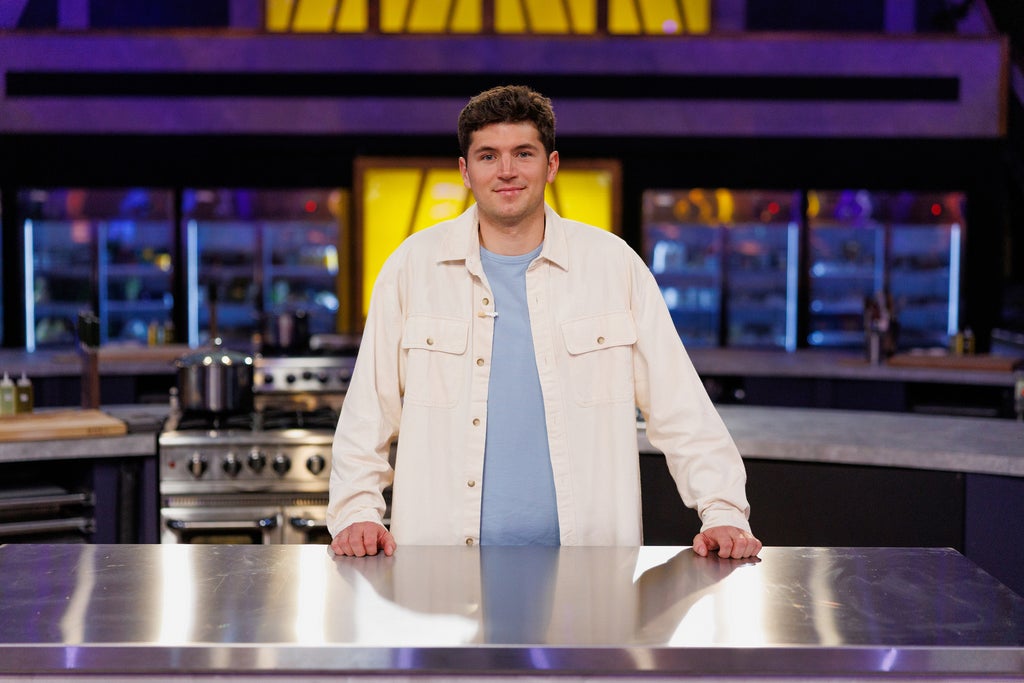
“Netflix puts our content in front of 300M+ more households,” DiGiovanni told TheWrap. “The way I look at it, this doesn’t take anything away from YouTube; in fact, it makes the pie bigger for everyone.”
For Mythical’s “Last Meals” host Josh Scherer, the Netflix deal is another feather in his cap, but it does not change anything about the show he has produced over 100 episodes of for the last four years.
“There is something about it [the Netflix partnership] that feels like this little stamp of approval that we didn’t have before. Whether it’s a fair stamp or an unfair stamp is not for me to say,” Scherer told TheWrap. “It’s awesome and it’s flattering, but again, I’m more concerned about my next interview than anything else.”
A Netflix insider said that while series and film remain its core, the company is excited by these new deals and pointed to co-CEO Ted Sarandos’ comments from last week’s earnings conference call about the opportunity for traditional shows to collaborate with creators and creator content.

Netflix is hungry for creator chefs
Netflix has leaned into creator content in a bid to capture those spare moments where users would typically open up YouTube or TikTok.
Creator cooking content is the latest step into this niche, as the megastreamer continues to experiment with licensing existing YouTube content to showcase on its platform. Instead of signing expensive deals with showrunners or production companies, Netflix can license these creator libraries and weekly episodic content for a fraction of the price it would pay to make “The Night Agent” or “Bridgerton.”
Creators also come with analytics (thanks to YouTube data), proof of concept and a built-in audience. Netflix has existing deals with Alan Chikin Chow, DiGiovanni, Mythical Entertainment, “Ms. Rachel,” Mark Rober, Salish & Jordan Matter, “Danny Go!,” “Hot Ones” and The Stokes Twins. These creators’ channels and series collectively boast more than 500 million subscribers on YouTube.

Netflix is paying several million dollars a year for co-exclusive rights that allow the creators to upload their videos to YouTube and Netflix at the same time. This has been deemed a worthy investment for children’s content creators like Rachel Griffin Accurso of “Ms. Rachel” and Salish Matter, but the jury is still out on how much podcasting and cooking creators are boosting Netflix’s engagement numbers as it fields questions about potential growth issues.
Netflix is also no stranger to cooking content. Shows like “Chef’s Table” and Jon Favreau’s “The Chef Show” earned acclaim, and the streamer licenses Food Network hits like “Beat Bobby Flay” and, of course, the British hit “The Great British Baking Show.”
But creator-driven cooking content reaches a new audience entirely.
With nearly 20 million followers, the average Good Mythical Morning video received over 800,000 views on YouTube in the past month. DiGiovanni, whose main channel has over 43 million subscribers, received over 25 million views on average for videos released in the last month.
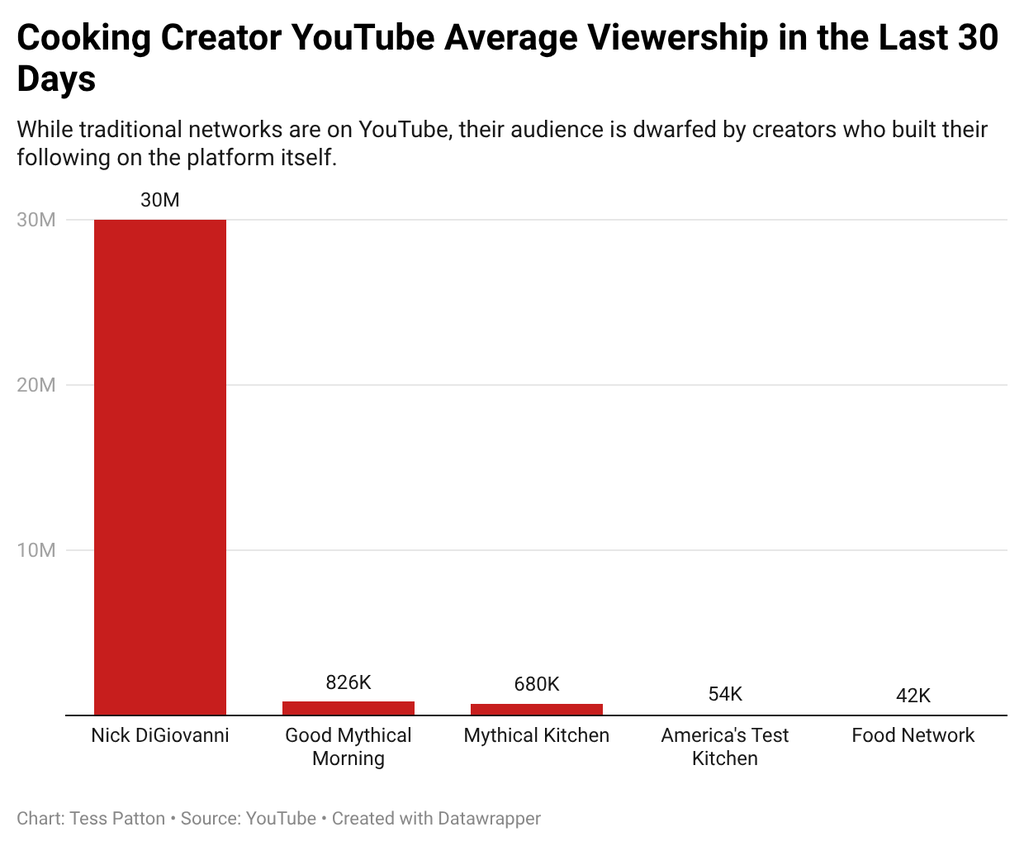
By comparison, the Food Network and its stable of “traditional” cooking shows ranked 11th among all cable networks in daily prime time viewership, averaging about 500,000 viewers during the primetime window from September 2025 to July 2026. Many of the leading creator cooking episodes routinely surpass that audience within days of release.
In other words, the future of cooking TV is on YouTube. And now Netflix.

Why food?
Mythical Entertainment has diversified its creator cooking content from recipe videos to conversations about death among its popular hosts, all accompanied by a delicious meal.
The entertainment company’s audience spans over 25 million subscribers on YouTube alone with viewers that tune in daily to founders Rhett & Link’s “Good Mythical Morning” series.
Unlike many creator categories built around personality alone, food has an inherent format advantage: It provides a repeatable premise, a clear payoff and a universal subject matter.
“Food in general allows for evergreen content. It’s recipe-based watch time retention, so you’re staying through the entirety of the content to get the result and follow along with the steps,” Adam Wescott, CEO of Mind Chatter Media, said. “It’s very brand-friendly, and it’s also international — very global, evergreen, so that’s kind of why I can see from a library value perspective that it travels really well.”
“Last Meals” host Scherer said that bringing these shows to Netflix fully formed is an opportunity for the streamer to diversify its own slate of food originals.
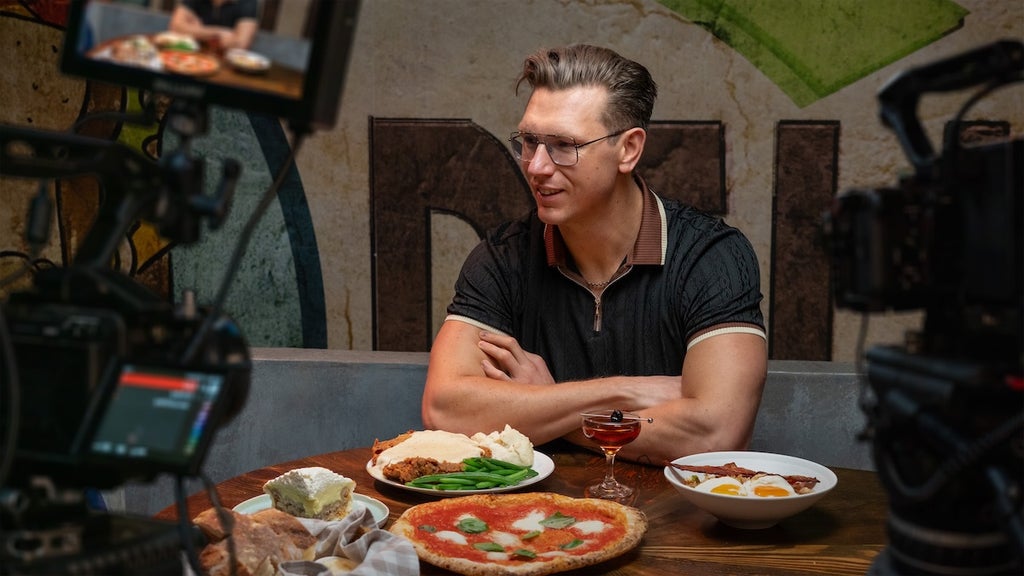
“Netflix has been trying to crack their own [food] shows for a long time, and I’ve really loved some of them,” he said. “Now the fact that they’re trusting the people who have already built an audience — we’ve already done a lot of the legwork. These are fully produced and developed shows that have proven themselves.”
Noah Swimmer, partner and head of Underscore Talent’s Culinary division, told TheWrap that younger audiences today are finding recipe content and food entertainment on digital platforms first.
“If they’re interested in food, they’re going to learn about it through influencers,” he said. “It’s not necessarily going to be through the Food Network stars and celebrities that I grew up watching.”
Scherer noted though that the craving for content around the table is the same that’s existed since the days of Julia Child and “The Galloping Gourmet.” Though the venue may look different today, cooking content still has a relevance in the culture.
Why cooking creators are valuable
For streamers, the appeal of creator cooking content is not simply the talent attached to it; it is the audience data, existing library and proof of concept that comes with it.
Unlike traditional television development, where networks often invest in finding and building a new franchise, creators arrive with years of audience behavior already mapped out. Their videos reveal what formats resonate, which personalities connect and whether viewers are willing to spend significant time with the content.
“There’s much more opportunity in the acquisition space or the content licensing space if you have a library of long-form content,” Swimmer told TheWrap. “YouTubers that have a lengthy library of long-form content are the most appetizing acquisitions or licensors for content into those more traditional linear and television spaces.”
That distinction is particularly important as platforms look beyond short-form social video. While TikTok and Instagram can demonstrate a creator’s ability to capture attention, longer YouTube videos provide a stronger indicator of whether audiences will engage with television-length programming.
“It’s a bit harder to show proof of concept in 30- to 60-second bite-sized formats,” Swimmer said. “Whereas if they’ve amassed a following on YouTube where people are tuning in for 10, 15, 20 minutes at one time … that is a better proof of concept than short-form platforms where you’re more than likely attracting scrollers.”
For creators, the value comes from bringing that audience relationship to a new platform and gaining the credibility that comes with it.
“Creators have spent a decade earning something you can’t buy: trust with their audience,” DiGiovanni said. “With most top creators having tens of billions of views, the numbers speak for themselves.”
At the same time, platforms are looking for recognizable faces that can compete alongside traditional entertainment brands.
“[There’s] lower cost and quantity of library and existing eyeballs … existing brand recognition with audience,” Wescott said. “You’re going to recognize [them] on the homepage.”
Traditional food TV is following creators
The creator cooking boom does not mean traditional food television is disappearing. Instead, legacy brands are increasingly looking to creators as both talent and distribution partners.
Food Network has expanded its digital footprint through original YouTube programming and partnerships designed to bring its television personalities together with online creators. In February, the network launched a partnership with TikTok through its “Future of Flavor” event, bringing together Food Network talent and TikTok creators for live cooking content. The collaboration has since expanded into live cooking series featuring Food Network chefs alongside creators, including Antonia Lofaso and Jose El Cook.
The network has also begun using creator partnerships as a pipeline back into traditional television. DiGiovanni’s transition from YouTube personality to Food Network talent illustrates how the two ecosystems are beginning to merge.
After Food Network began airing episodes of DiGiovanni’s YouTube series “Nick’s Kitchen,” the creator joined the network’s competition series “100 Cooks” as a judge alongside Food Network veteran Alex Guarnaschelli. The series was then also made available through DiGiovanni’s YouTube channel.
“Streaming our videos on Food Network — where they’ve performed extremely well — eventually opened the door to a full-time judging role on a new show, ‘100 Cooks,’” DiGiovanni said. “Content-wise, TV has given us room to slow down and really let a story breathe — you can sit in the big moments instead of racing to the next one.”
That crossover is not limited to emerging creators. Established food personalities are also adapting to the creator economy, with chefs including Bobby Flay, Rachael Ray and Ina Garten expanding their digital presence and meeting audiences beyond traditional television with new video podcasts and alternative programming to their linear TV shows.
“A ‘stand and stir’ is probably not going to do it anymore,” Swimmer said. “People are looking for things that are a bit more interesting and unique, whether it’s competitions or formats of that sort of nature. That’s what we see garnering the interest from bigger buyers in the space.”
