
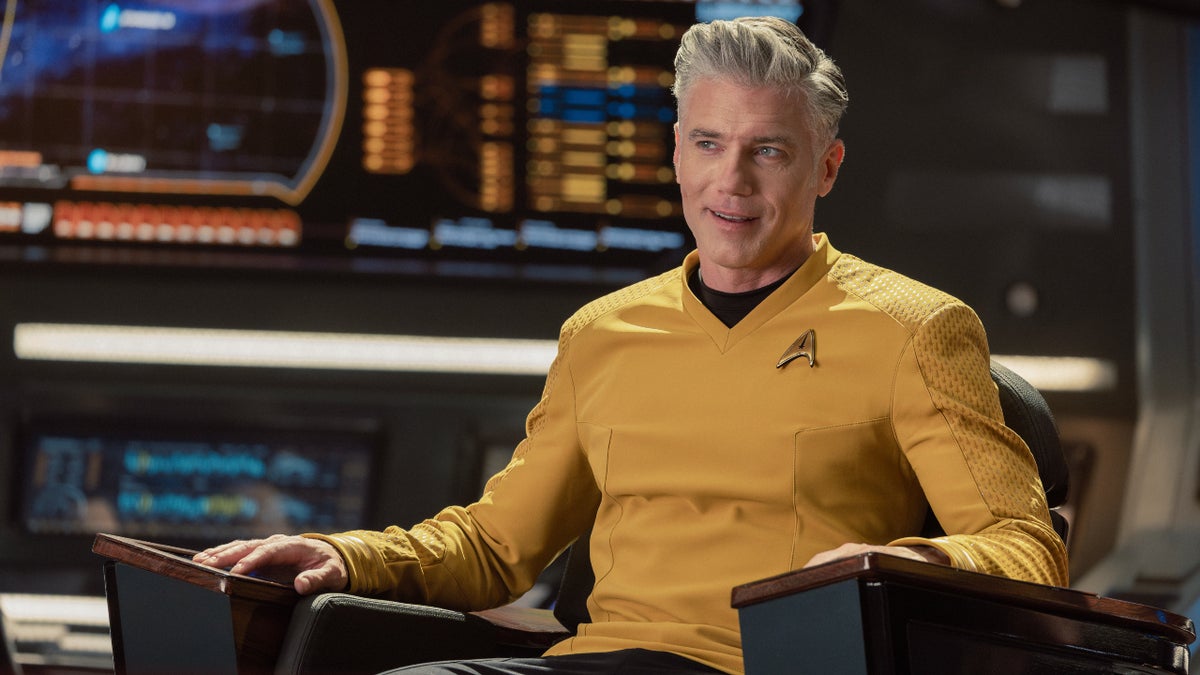
It’s a strange time for “Star Trek.”
On Thursday, the fourth season of the much-lauded “Star Trek: Strange New Worlds” kicks off, and on Saturday, its cast and the architect of this generation’s Trek shows, Alex Kurtzman, will be in San Diego at Comic-Con to celebrate the franchise’s 60th anniversary. There’s more Trek to come, with another season of “Strange New Worlds” and the second season of “Star Trek: Starfleet Academy” coming in 2027 and even a cartoon for preschoolers in “Star Trek: Scouts” that’s expected to see new episodes.
But all is not well with “Star Trek.” Kurtzman continues to be dogged by speculation that his contract with Paramount, which ends this year, will not be renewed (talks are still ongoing). Paramount leadership is focused on the franchise’s movie prospects, with John Francis Daley and Jonathan Goldstein working on a script that breaks from all prior films or shows. And while there are the two more seasons of Trek shows coming next year, there are no new announced projects.
For the first time in nearly a decade, the future of “Star Trek” on Paramount+ has no clear course to chart.
That “Star Trek” is in this nebulous state of limbo marks a dramatic change from its start in 2017, when the franchise carried the burgeoning CBS All Access streaming service before it was rechristened to Paramount+. But even as the franchise exploded with more “Star Trek” shows than ever — seemingly a Trekkie’s dream come true — it was bogged down by, at times, divisive storytelling that split the fanbase, with its unapologetic championing of diversity eliciting a mix of passionate support and trollish “anti-woke” outrage.
What’s more clear-cut has been the waning importance of the storied sci-fi franchise amid the rise of modern Western shows pioneered by powerhouse showrunner Taylor Sheridan that dominate the service and — crucially — regularly appear on top ratings charts, something “Star Trek” failed to do in a meaningful way. It’s illustrative of the shift in tastes of both the broader audience and the direction of Paramount+ under CEO David Ellison: Trek’s unabashedly progressive stance and exploration of nuanced moral issues is out; “Yellowstone”-like dramas that appeal to America’s Heartland are in.
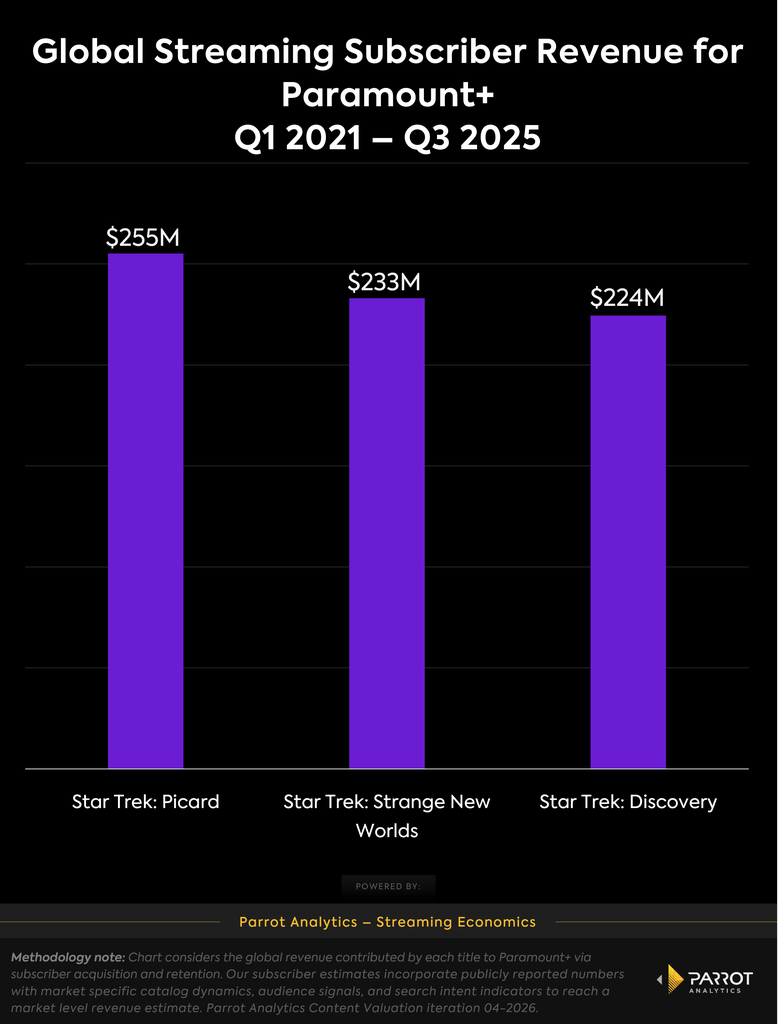
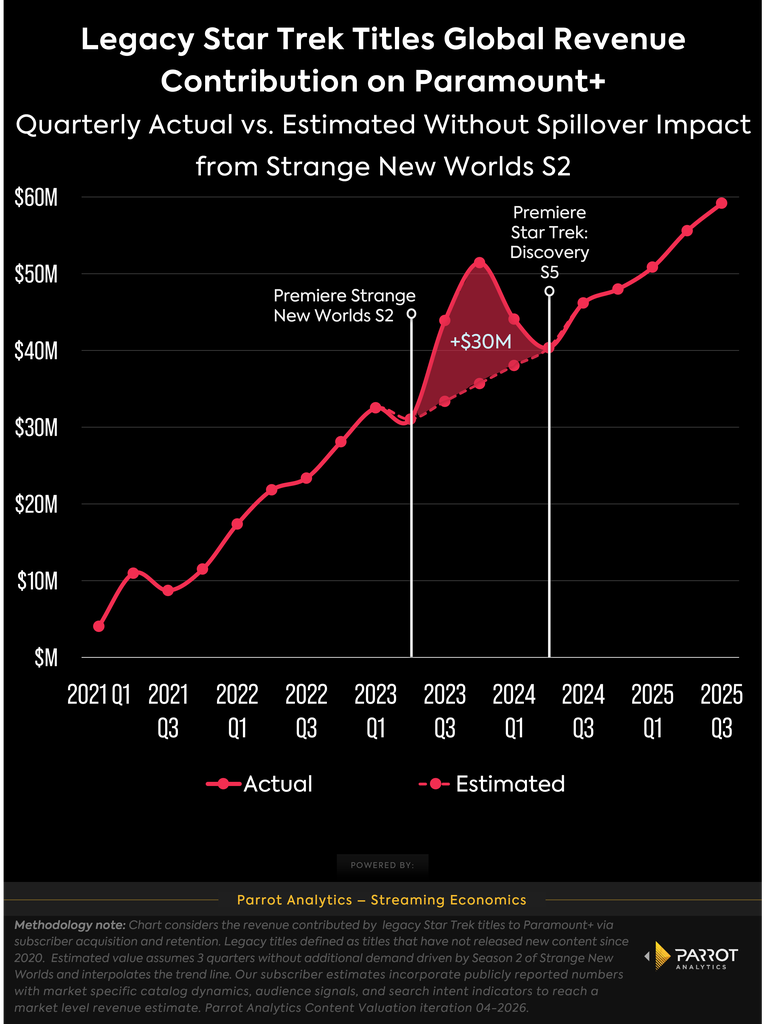
While few of Kurtzman’s Trek shows topped the streaming charts, that didn’t mean they weren’t lucrative for Paramount. The entire franchise, classic shows to the modern takes, has contributed more than $1.6 billion in streaming revenue for the platform from the first quarter of 2021 to the third quarter of 2025, according to Parrot Analytics.
“The ‘Star Trek’ franchise is a major IP anchor for Paramount+,” said Christofer Hamilton, industry insights monitor for Parrot. “In particular, the extensive ‘Star Trek’ universe on the platform has served as a major retention driver keeping franchise viewers more likely to stay on-platform.”
Paramount, however, sees more potential for “Star Trek” on the big screen.
“’Star Trek’ is the immediate priority as far as tentpole films are concerned,” one top talent agent told TheWrap.
The film franchise stalled after 2016’s “Star Trek Beyond,” which topped out at $343 million worldwide. After J.J. Abrams’ “Star Trek” in 2009 ($386 million) and “Star Trek Into Darkness” in 2013 ($467 million), Paramount grew frustrated that the film franchise couldn’t reach the $1 billion heights of Marvel at the time and pivoted the franchise to TV, with Kurtzman as its shepherd.
The TV veteran who cut his teeth on “Alias” and “Fringe” was a fine pick on paper, especially since he was involved in the Abrams movies as a writer-producer and, for a spell, was an industry go-to as a writer on film franchises like “Transformers” and “Spider-Man.” But Kurtzman’s hiring also came on the heels of a disastrous attempt to kick-start a Universal monster series with 2017’s “The Mummy,” which he directed. The so-called “Dark Universe” was dead before it began. So he went back to “Star Trek.”
Paramount declined to comment on the status of Kurtzman at the company, noting discussions are still ongoing. One Paramount insider said that he and Secret Hideout are still doing post-production work on the final seasons of “Strange New Worlds” and “Starfleet Academy” and another person close to Kurtzman said there hasn’t been friction with the studio.
But as Paramount is set to chart another new course, it’s undeniable that Kurtzman threw a lifeline to the franchise and kept “Star Trek” alive for the last decade.
Even if controversy followed his run almost from the start.

Carrying a fledgling service
There was a lot riding on “Star Trek: Discovery” — its first episode aired on CBS after an NFL game and “60 Minutes” before moving to CBS All Access. “Discovery” marked Trek’s return to the small screen after Paramount’s theatrical push fizzled to a disappointing end with “Star Trek Beyond” the prior year.
“Discovery” would serve as the anchor show for the fledgling streaming service, which had been quietly kicking around for three years. This show was proof that the company was willing to bet big on splashy Peak TV-era content.
“Discovery,” however, had a troubled production, with superstar showrunner Bryan Fuller departing over creative differences and budget disputes before an episode even aired. Still, he left his impression on the show, setting “Discovery” a decade before Captain Kirk’s helming of the Enterprise, immediately inviting comparisons to the original series.
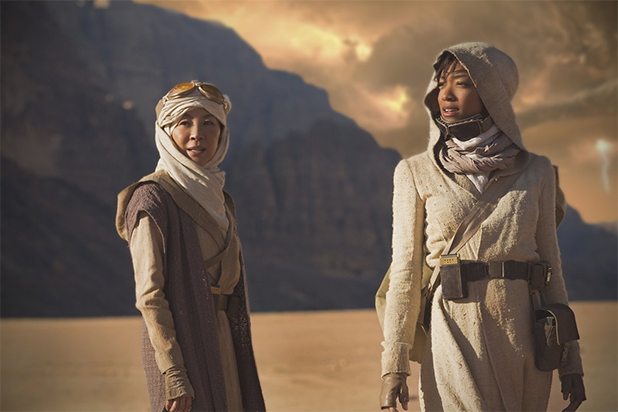
That awkward embrace of the legacy of “Star Trek” is something Kurtzman’s shows would struggle with throughout its entire run.
The first season had its share of problems, including a predictable plot twist and details that rankled fans like the different look of the Klingons. Shazad Latif, who played Ash Tyler on the first season of the show, told me ahead of the premiere that the season would play out like a giant movie over several episodes, a concept that, like many other high-profile streaming shows at the time, sounded enticing in principle but fell flat in execution.
Sitting alongside those more conventional criticisms was a rise in hateful rhetoric that erupted even before the premiere, with critics on the internet deriding the casting of Black actress Sonequa Martin-Green as the lead, with some trolls even tossing around the concept of “white genocide.”
Nevermind that “Star Trek” has always been a beacon of progressive thinking and representation.
“It surprised me — but it didn’t,” Martin-Green told me in an interview ahead of the premiere back in 2017. “In those first few encounters, I realized that the hypocrisy is real. You can be a part of something that has been a champion of diversity and still have naysayers.”
Kurtzman’s “Star Trek” shows all champion diversity — not just of people, but perspectives. For example, the latest show, “Star Trek: Starfleet Academy” features a hologram character that has her own rights. But the result has been a cocktail of justifiable complaints about the show mixed with toxic outbursts, only further fueled in recent years by President Donald Trump’s “anti-woke” stance and push to dismantle diversity initiatives across government and corporate America.

A Trek bonanza
At the time, CBS didn’t pay heed to the criticism, renewing “Discovery” a month after its premiere and setting the stage for an ambitious expansion of the franchise. The company needed high-profile IP to power its streaming ambitions, and “Star Trek” was its heaviest hitter.
After experimenting with a companion anthology series called “Star Trek: Short Treks,” Kurtzman and his team went back to the nostalgia well with 2020’s “Star Trek: Picard,” a show that brought back franchise favorite Patrick Stewart as the namesake captain.
That same year came the comedy series “Star Trek: Lower Decks,” followed by another animated series — one for kids — titled “Star Trek: Prodigy” in 2021.
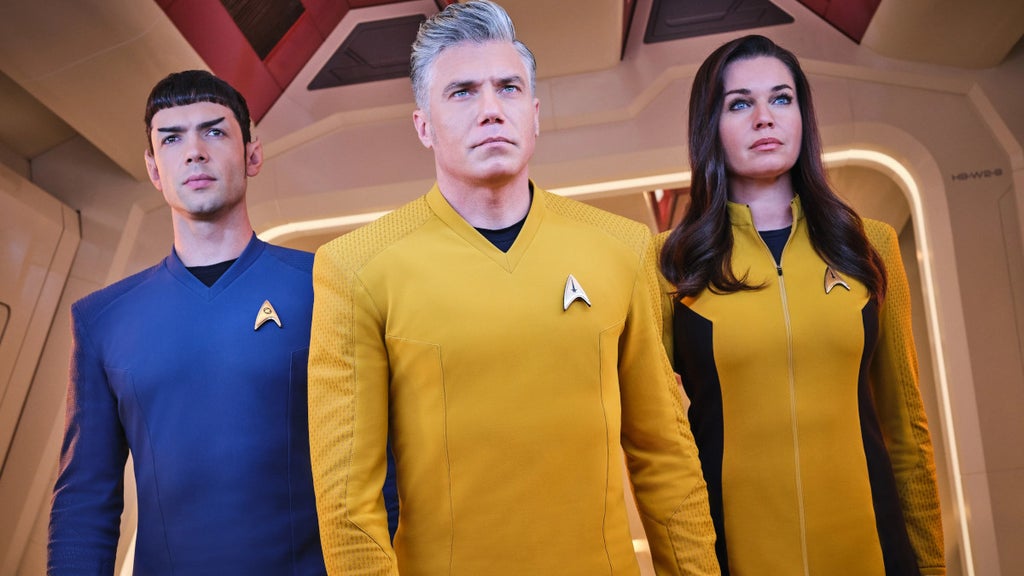
In 2022, “Star Trek: Strange New Worlds” debuted, dispensing with the tiptoeing around the original series and setting the new show on the original Enterprise, complete with fresh interpretations of Spock, Uhura and, eventually, James T. Kirk himself. The show remains the most universally beloved of the Kurtzman-era titles, with fans praising its ability to embrace the spirit of the older shows.
“Discovery,” meanwhile, found new energy by jumping 930 years into the future and finally breaking away from those legacy comparisons.
At the same time, those criticisms — from trolls and Trekkies alike — continued to bubble up.
But with so many projects, including some fans had been begging for, like the continuation of Jean-Luc Picard’s story, what could go wrong?
Modern Trek’s mixed record
It turns out, a lot.
The show with the most anticipation, “Picard,” landed with a thud. While Stewart was back, the show was missing the uniforms, former cast members, Federation starships or other trappings that made “Star Trek: The Next Generation” such a revered part of the franchise. A second season that felt like a pale imitation of “Star Trek: The Voyage Home” — and featured Whoopi Goldberg reprising her fan-favorite “The Next Generation” role of Guinan in a token appearance — only made things worse.
“It was not the same world. It was not the same man,” Stewart said in an interview in 2020. “The encounters I was to have with other characters in the series was a transformation of where we had been before ‘The Next Generation.’ It was that more than anything else that convinced me that this was something that I must do.”
But that change was exactly what turned off many old-school Trekkies.
“Discovery,” meanwhile, wasted its fresh start in the far-flung future with a disappointing payoff to a season-long mystery — a consistent problem for the show. “Lower Decks” found a small but loyal audience, while “Prodigy” didn’t seem to move the needle.
At the time, Viacom and CBS had merged, and by 2021, the service had been rebranded to Paramount+. The rebranding also coincided with an expansion of programming beyond “Star Trek,” and it was no longer the darling of the service. “Yellowstone” had blown up on the Paramount Network, and while Sheridan’s Western soap opera wasn’t available on Paramount+ due to a conflicting licensing deal, the company was busy preparing several spinoffs like “1883” and “1923.”
While a laundry list of Sheridan’s shows began regularly appearing higher on Nielsen’s top streaming list, the “Star Trek” shows only made a handful of appearances during their runs.
Still, that’s not to say those shows weren’t valuable, with “Discovery,” “Picard” and “Strange New Worlds” continuing to be big contributors to the service. More importantly, they also drove viewership back to old “Star Trek” shows, generating additional streaming revenue, according to Parrot.
“We estimate that in this time, legacy Star Trek shows and movies generated an incremental $30 million in streaming revenue for the platform relative to what they would have without any spillover effects from ‘Strange New Worlds,’” Hamilton said.
But Kurtzman’s shows were pricey to produce, and in 2023, the combined company began eyeing the expensive franchise as it looked to cut costs out of a streaming service that was still losing money.
The bloodletting began that spring. “Picard” ended on a high note by finally embracing its roots and turning the third season into a “The Next Generation” reunion show. But in the midst of that run, Paramount said that the fifth season of “Discovery” would be its last — taking its showrunners by surprise in what was an effective cancellation. A few months later, the company canceled “Prodigy” despite a second season in production. And a few months after that, “Lower Decks” was canceled despite a loyal, albeit small, base of fans.
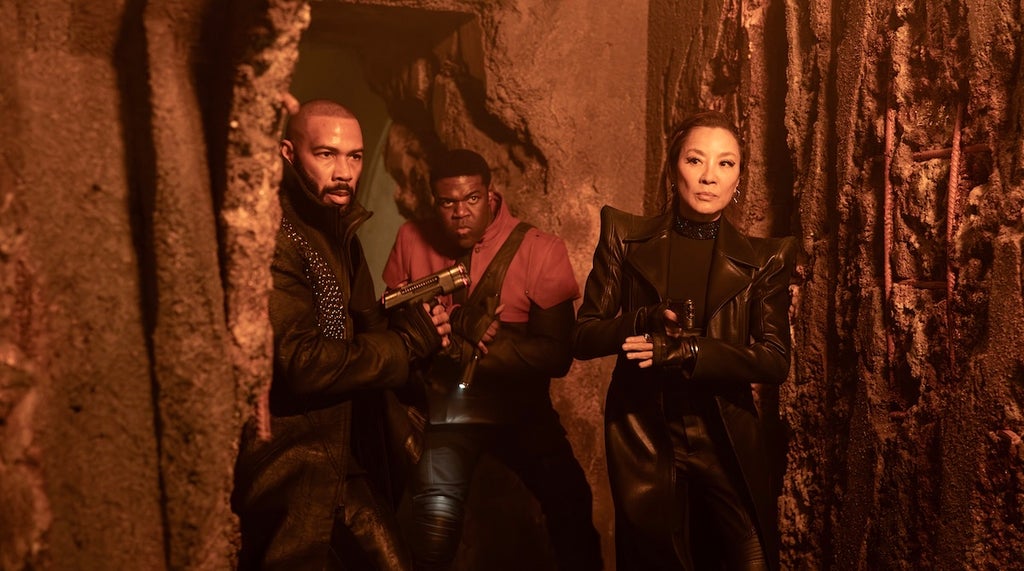
The true low point of this era came in early January 2025 with “Star Trek: Section 31,” a TV movie starring Michelle Yeoh reprising a character first originated in “Discovery” that is universally reviled and boasts the lowest Metacritic score of any Trek project by a wide margin at 37.
Then in June, Paramount gave the celebrated “Strange New Worlds” an abbreviated six-episode fifth season to wrap up its story later this year in what felt like the company cleaning house.
The final show, “Star Trek: Starfleet Academy” debuted this January and was similarly besieged by “woke criticism” as it targeted younger audiences with its YA vibes, even though it got some positive reviews from critics. It also never made Nielsen’s top 10 streaming lists throughout its run, leading to its cancellation.
“It’s been my and Noga (Landau)’s joy and privilege to help carry Gene Roddenberry’s extraordinary vision forward with ‘Starfleet Academy,’ thanks to the hundreds of hardworking humans who pour every ounce of their talents into the work daily with imagination and reverence,” Kurtzman said after the cancellation in March. “We’re so proud of what we’ve accomplished together on this show, and the world will get to see the work of these extraordinary artists when Season 2 airs.”
It’s easy to point to trolls as the source of all of Trek’s criticism, but the truth is a lot of old-school fans had issues with the shows. “Those shows are s–t,” Andy Weir, author behind “The Martian” and “Project Hail Mary,” said on the Critical Drinker podcast last week. He added that he had an idea for the show, but it didn’t work out. “They didn’t accept my pitch so, you know, f–k ‘em.”
A few days later, he apologized: ““I was trying to be funny, but in retrospect it comes off as disrespectful and mean,” he said. “So I’m sorry for that.”
Back to the big screen
Paramount is keen to bring “Star Trek” back to the big screen, an effort to recapture the swagger of J.J. Abrams’ 2009 soft reboot.
In August, Paramount Pictures co-chair Josh Greenstein, who along with the rest of the leadership team spoke with reporters shortly after Skydance’s acquisition of Paramount, namechecked “Star Trek” as one of the film projects he wants to get off the ground.
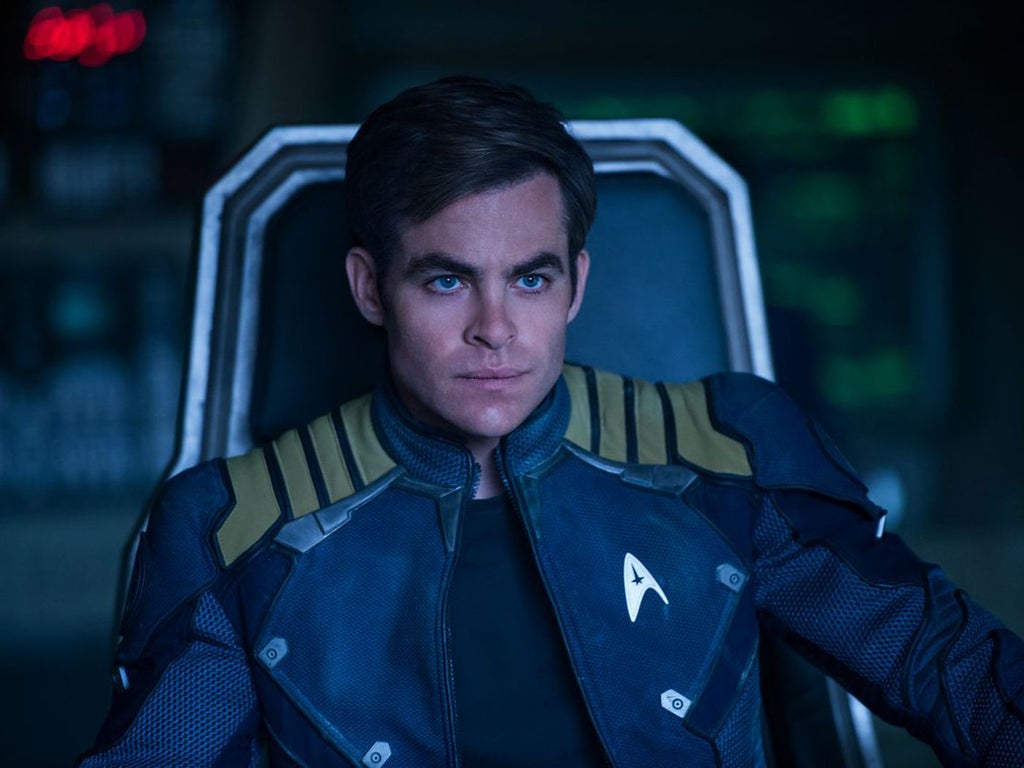
Over the last decade, the company has struggled to get another Trek film going, with the occasional tease of Chris Pine, Zachary Quinto and Karl Urban returning as Kirk, Spock and Leonard McCoy quickly popping up and fading away. Then there was the legendary what-if scenario of a Quentin Tarantino-directed take on “Star Trek.”
There’s also the question of whether Trek belongs in movie theaters, with its more cerebral stories and exploration of moral quandaries a better fit stretched across dozens of hours of television than crammed into a two-hour blockbuster. The last three Trek films focused more and more on action and spectacle, straying further away from what Trekkies love about the franchise.
Daley and Goldstein’s take is designed to be a fresh start, but it remains to be seen if the marquee names from the past — Kirk, Picard or Sisko — will come back via new actors like the 2009 film or if wholly new characters will don the colorful Starfleet uniforms.
The idea of a “Star Trek” show isn’t necessarily dead, with the insider noting that Chris Parnell, executive vice president of originals at Paramount+ who joined in August, is a big fan of the franchise.
What’s less certain is if Kurtzman, who has been such an integral part of the franchise for so long, will have any say in its new direction.
“Whether you’re working on ‘Star Trek’ or part of the marvel that is ‘Star Trek’ fandom — its very heart, soul and conscience — the joy comes from adventuring across boundaries of time, space and the humanly possible in service to (Gene) Roddenberry’s transformative vision of the future,” Kurtzman said.
