
Welcome to Trade Secrets, TheWrap’s insider guide to making it in Hollywood. In previous installments, we’ve shared industry knowledge of how to get movies made and what stars bring the automatic green light. But let’s say you’ve already made your film, one that’s a bit scrappier and smaller than a big-budget studio blockbuster. How do you get it playing at a film festival?
Getting your project shown at a film festival is a tried-and-true method for budding filmmakers looking to find a broader audience. The festival circuit helped launch a slew of acclaimed auteurs including Quentin Tarantino, Gina Prince-Bythewood, Steven Soderbergh, Richard Linklater and Ava DuVernay.
This method remains a viable launchpad to this day. In fact, all five of the 2026 nominees for Best Director at the Academy Awards premiered their debut features through festivals: Josh Safdie at South by Southwest, Joachim Trier at the Czech Republic’s Karlovy Vary International Film Festival and Paul Thomas Anderson, Chloé Zhao and Ryan Coogler at Sundance.
“Once you do sort of get your foot in the door, oftentimes word of mouth will spread from the audiences, from the curators from the programmers … You might get a review and suddenly the process, I wouldn’t say gets easy, but it gets easier,” said Ilya Tovbis, Artistic Director of the Virginia Film Festival. “I would say the hardest thing is getting your foot in the door the first time out.”

Tovbis noted that this snowball effect can come from festivals large or small. At any size, it’s proof that you’re able to deliver a finished feature that’s been granted legitimacy by the big screen. Cara Cusumano, festival director of Tribeca Film Festival, added that festivals can provide value beyond simply what’s shown on the screen, offering crucial networking opportunities for filmmakers in the process of getting their start.
“I hope that people think of festivals as a partner and as a real audience for a film,” Cusumano told TheWrap. “It’s so inspiring to me that 13,000 people are sending us their work every year, and I hate that often the result of that is often they’re getting a form letter at the end saying they’re not invited.”
So how do you stand out among the 13,000? What steps can you take to ensure you’re giving your film the best shot at being selected? Where do you even begin? TheWrap spoke to programmers behind 11 U.S. film festivals to give you the inside scoop.
Here are some key insights:
- Do your homework. Know what festivals are looking for (and which ones take submissions in the first place) and your budget to submit applications
- It’s OK to be picky. If you’re dead set on screening at a certain festival, take note of how often they screen U.S. or world premieres. If your heart is set on a festival that gives priority to films that have never been screened, apply to that one first before you accept anywhere else.
- Keep smaller festivals in mind. Boutique fests exist across the U.S. searching for films rooted in different identities and demographics. Regional festivals may be less competitive than the big dogs. Taking a short film on the festival circuit can help you gain funding and assistance for your feature.
- Don’t give up. Festivals have limited space and programming is highly subjective. A lot of moving parts go into scheduling a fest, and films can get rejected for many reasons beyond quality. Festival programmers want to see filmmakers succeed, so don’t be afraid to get back on the horse.

What are the first steps?
“Make something that’s amazing,” Tribeca’s Cusumano laughed.
After you’ve finished your passion project, the film fest process begins with submissions. Many festivals across the U.S. use a submission platform called Film Freeway, which allows you to create a one-size-fits-all profile for your movie to submit to various places with the click of a button. Think of it as the Common App of filmmaking.
When creating a project profile on Film Freeway, you simply add all the relevant information into a profile page. What kind of project is it? What is it called? What’s it about? Who worked on it? Has it won any awards? You then add the project itself and can submit this profile with only a few clicks to numerous eligible festivals: Sundance, Tribeca, DOC NYC, even international festivals like TIFF.
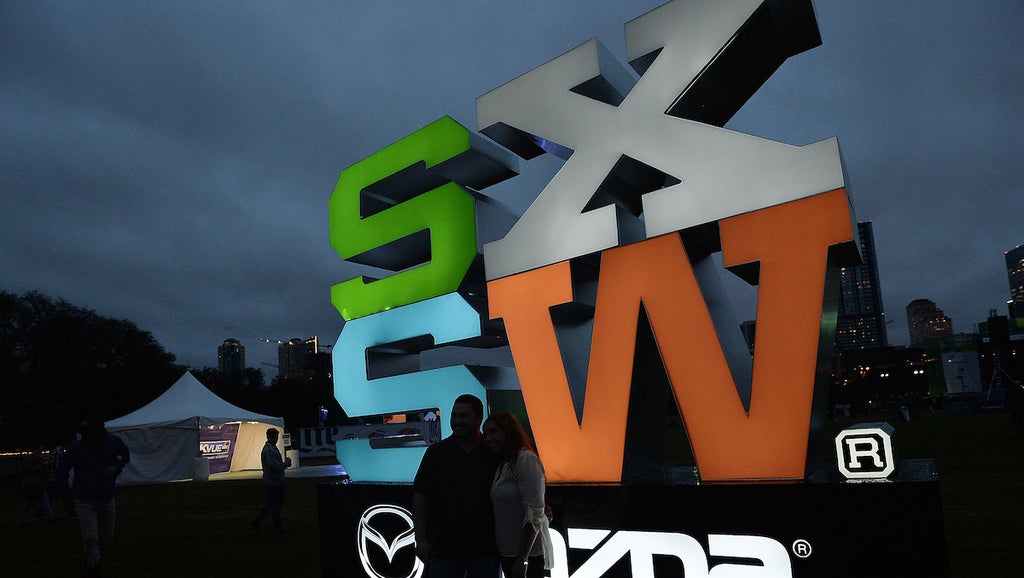
But not every fest uses Film Freeway. Peter Hall, South by Southwest’s Senior Film & TV Festival Programmer, noted that they only accept direct submissions on their own platform and are not just a “box to tick” on a service like Film Freeway. He added that this is a process every film, whether a microbudget indie or a studio tentpole, must go through.
“We program exclusively from submissions, which means we are not going to other film festivals or producers and hitting them up directly,” Hall told TheWrap. “Everyone’s on the same playing field.”
Some festivals are the exact opposite, taking films by invite only. AFI fest, for example, positions itself in October so it can “cherry pick the great films from the circuit in the year thus far,” says Festival Director Todd Hitchcock.
“We’re a curated festival,” Director of AFI Programming Abbie Algar added. “We have a network of people who we work with to get films into the process, but we start off by attending film festivals, seeing things there and then following up from that.”
If you go through the submission route, your film could be one of thousands being considered, given the size of the festival. Several programmers TheWrap spoke to shared that they try to get at least a few pairs of eyes on each film, though some smaller festivals can only afford one in early rounds of consideration.
Sundance Senior Programmer Heidi Zwicker works with a programming team of 12 to get through 5,000 features and a programming team of 10 to watch 11,000 shorts annually. These programmers, all industry professionals, report back with detailed summaries of each film — more than a simple “Yes/No” opinion.

“If I love it, I’m going to ask a bunch of my fellow programmers to watch it. If it doesn’t quite work for me, I think there’s a real audience there, I will ask the programmer on the team who I think is most likely to love it to watch it next,” Zwicker said. “That’s going to be the most telling response. If the person I think is absolutely the right audience for doesn’t like it, then that means something.”
Zwicker added that Sundance, and many other festivals, don’t need to see a finished project for your film to get a slot. Many filmmakers get accepted with working cuts, especially when they add opening title cards noting what remains to be finished.
“You give yourself the best chance by sharing as final a version as you can, but anything that isn’t finished, know that you can trust film festival programmers to take that into consideration,” she said. “That’s one case where I would say it is different with short films because if a short film cut isn’t locked, since they’re so short already, that can make a huge difference.”
Should I just apply to everything?
Before you start turning in applications willy-nilly, Tovbis has a foundational piece of advice: Do your homework.
“Know the festival you’re applying to,” the Virginia artistic director urged. “All of us are different audiences and there are different areas that we’re strong in our audience response to.”
“Look at the calendar, know the timelines: not only when the festival occurs, but what their deadlines are for submission consideration,” AFI’s Hitchcock added. “On top of that, what is the characterization of that festival? How big is it? Does it specialize in American indies? Does it not? Which category is your film in? Does the festival have any sort of thematic specificity? Is your film regionally specific in any way? Think about a strategy, not just, ‘Well, my dream is to premiere at Cannes and then go to Tribeca and then…’”
It’s difficult to find a hard line that determines what exactly makes “a Sundance film” or “a South by Southwest film.” Yet every festival has a distinct voice catering to the particular audiences they draw in.
“If you’re someone who has a kind of young and niche and poppy kind of story, you may want to look at something that’s more on the coast, in California or New York where those ideas are kind of more broadly accepted,” said Raeshon Morris, senior manager of event production and operations at Miami Beach’s American Black Film Festival. “Somewhere in the Midwest, it may not be something that people are necessarily as focused on.”
Some festivals also cater more directly to emerging filmmakers. Anna Lee Lawson, festival manager at Slamdance, noted that their festival specifically seeks out indie voices and steers clear of larger casts and productions.

“We’re often asking ourselves, ‘Does this project need us?’” Lawson said. “Something that has a lot of star power behind it … does this really need us? What will it benefit from being at our festival.”
SXSW’s programmer suggested seeking out the past lineups of festivals that you’re considering applying to. If you can’t find a close comp for your film, that probably means you need to look somewhere else.
“It’s unlikely that South by will play a five-hour-long historical epic,” Hall said. “That doesn’t necessarily make sense for our audience.”
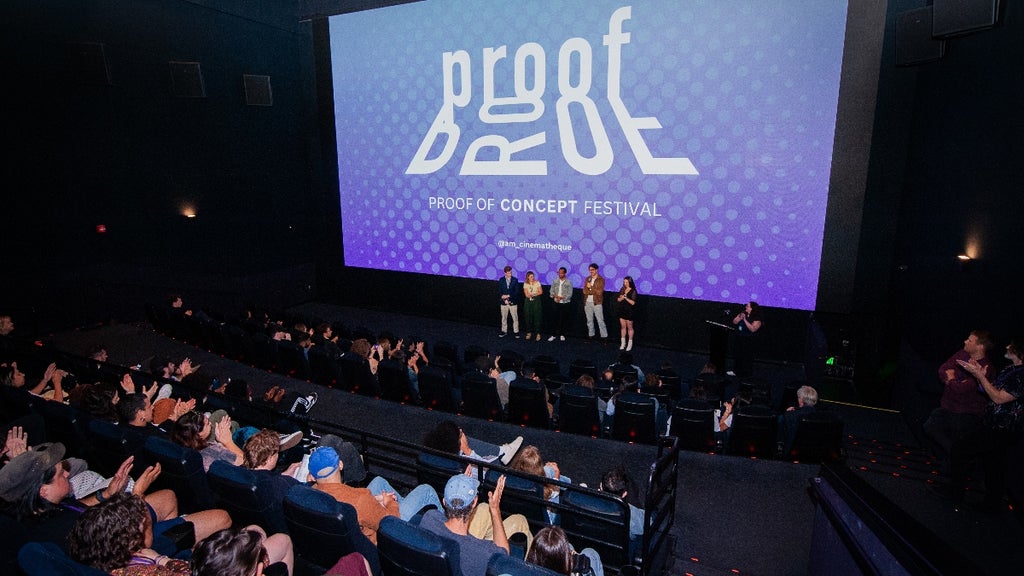
Should I only pay attention to the big festivals?
If you feel like your film isn’t a good fit for a given festival, don’t be discouraged. In the U.S. alone, there are thousands of distinct film fests, many of which serve to specifically cater to distinct genres and communities.
“The big boys, people apply to that and they think that that’s it,” said Morris of ABFF. “You don’t want a defeatist mentality. You’ve got to keep going. There’s more opportunities to find your folks and get your films out there.”
Regional fests, such as the aforementioned Virginia Film Festival, may not have the same international attendance as some of the big dogs in the U.S., yet they’ve served their audiences since the indie cinema boom of the 90s and beyond. In a similar vein, places like GuadaLAjara Film Festival aim to uplift specific communities, such as Los Angeles’ Latin American and BIPOC filmmakers.
“Festivals and movies are like a little box that preserve your story,” Ximena Urrutia, director of GuadaLAjara, told TheWrap. “What kind of story do you want your kids to see?”
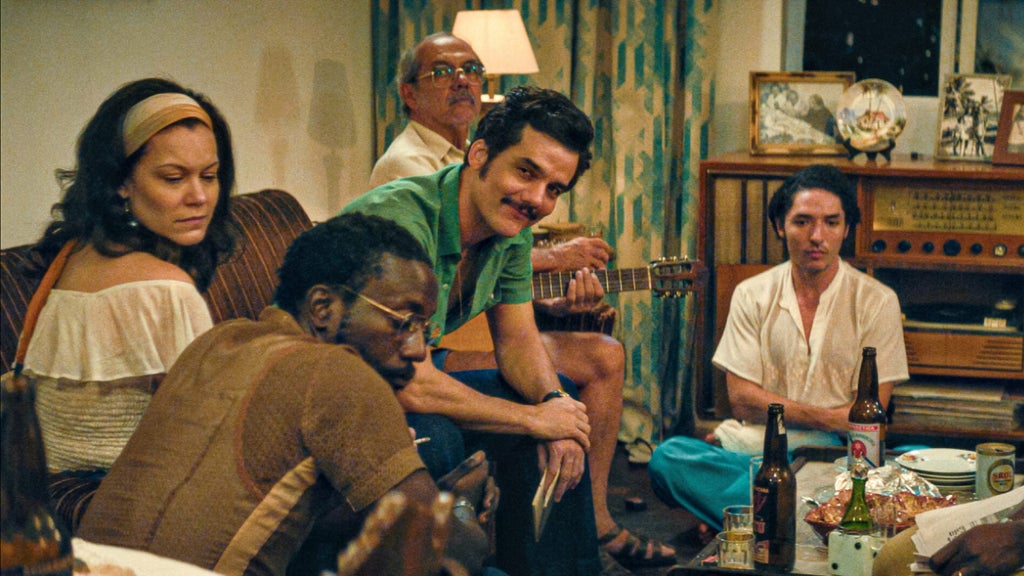
These festivals may be smaller (GuadaLAjara only screens about 30 films annually, including shorts), but their impact can still be profound.
The first time BRAVO Film Festival (previously known as the Hollywood Brazilian Film Festival) opened with a short film was in 2011, when Kleber Mendonça Filho’s “Recife Frio” screened before Gustavo Pizzi’s “Riscado.” More than a decade later, Filho would return to open BRAVO again with “The Secret Agent,” a film that went on to get four Academy Award nominations including Best Picture.

“I knew that if I stuck to this cinema, one day people would get it,” said BRAVO founder Talize Sayegh. “Now I feel like the cool kid.”
Festivals even exist for people who are a bit earlier in the filmmaking process. American Cinematheque’s Proof Film Festival gives a home to short films meant to serve as proof-of-concepts for eventual features. In 2026, Sundance’s U.S. Dramatic Competition featured two films adapted from shorts that won awards at Proof: Liz Sargent’s “Take Me Home” (which won the Proof Grand Jury Award in 2024) and Giselle Bonilla’s “The Musical” (which won the Proof Audience Choice Award the same year).
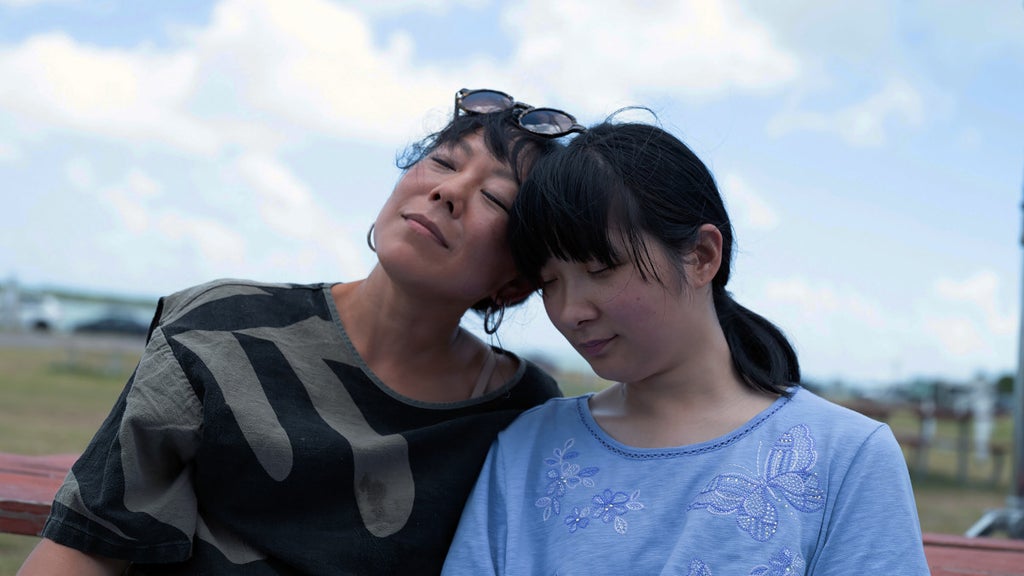
“We’re looking for folks who are ready to take that next step on their feature film or towards developing a series as a creator,” American Cinematheque programmer Imani Davis told TheWrap. “We’re looking for folks we can put in front of industry people and be like, ‘Look, these are great storytellers, they’ve got something really solid and they’re ready to go.’”
Should I accept the first festival I get into?
It’s very tempting to apply to a bunch of festivals and accept your first offer. A bird in the hand, right?
But keep in mind that a lot of the big festivals crave one kind of movie above all others: movies that haven’t been screened yet.
“Most of the films playing at Tribeca are world premiering with us,” Cusumano said. “Many many are from first-time directors, many many many are for sale, so that’s definitely something we’re looking for.”

There’s nothing wrong with taking the offer to those small festivals and getting your film before a crowd. Santa Barbara International Film Festival Executive Director Roger Durling urged those who do play more stops on the festival circuit to reconsider shelling out the application fee for one of the bigger fests afterwards.
“If your resources are limited, I urge them to just be more cautious and do homework,” he said. “I hate when I see films that are being submitted that have been everywhere on the festival circuit and then they want to get into Sundance or they want to get into Toronto.”
SBIFF is one of the festivals that does seek out as many world and U.S. premieres as possible. Durling compared the festival application process to the college application process: aim for your top choices before you start looking at safer bets.
“Shoot for your dream, the big festivals,” he said. “Once you get rejected from those, then you start working your way around them.”

What happens if I don’t get in?
Remember that number from the start of this article? This year, Tribeca Film Festival got more than 13,000 submissions across features and short films.
The 25th edition of Tribeca Film Festival will screen 118 feature films and 86 shorts. The odds aren’t great, and rejection at some point is almost a given.
“Before I had this position, I was someone who kind of killed myself about not getting into certain festivals and whatnot as a filmmaker,” Morris said. “It sunk in coming in on the backend (at ABFF) and learning it’s truly subjective. It’s truly nothing to do with your film, necessarily. It’s really about what the festival has to program.”
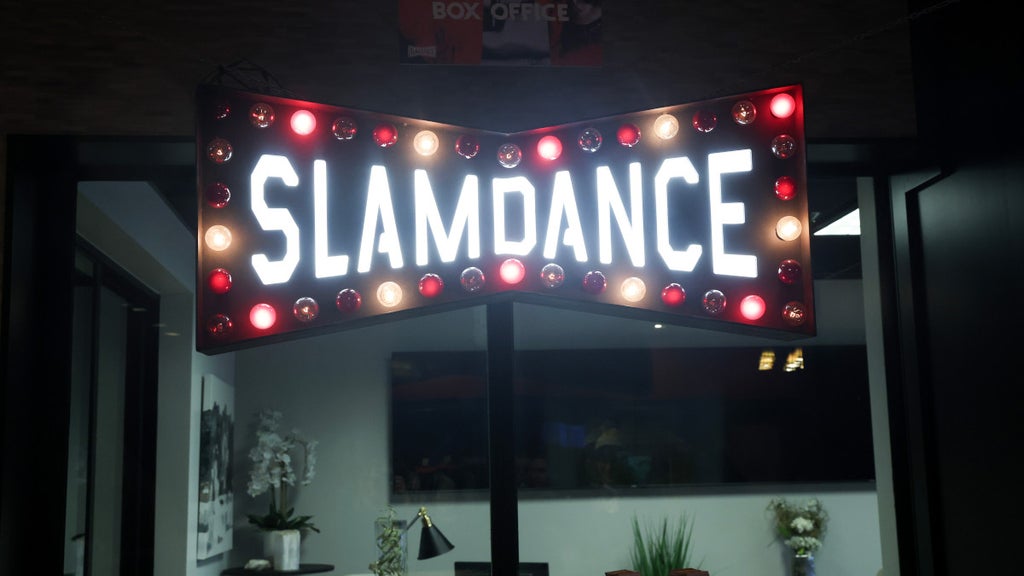
Yun Xie, a Slamdance alum and new member of the festival’s programming team, told TheWrap she had to face her own share of rejection before finding the right place for her film.
“Sometimes it’s not you, it’s just like you couldn’t find the right home for your film,” she said. “I finally found Slamdance. I even won the audience award over there. That was something I could never imagine.”
Festival programmers also urged applicants to keep in mind that conditions change. A schedule that prevented your film from being accepted one year will not be the same the next.
“If you think South by is 1000% the place for your film, don’t be afraid to resubmit,” Hall said.
These festivals don’t exist in the vacuum. Several of the programmers interviewed by TheWrap mentioned a network of communication that spans from one fest to the next, sharing recommendations of films that might fare better somewhere else.
“There’s actually been films that we have really liked, and at the end of the day we said, ‘Look, we’re not going to be able to do right by this film. If we book it, we’re going to have to put it in a tiny slot at an off hour. We’re not sure we can deliver the audience the film deserves.’ But we haven’t stopped continuing to champion it. I’ve often gotten in touch with programmers at other festivals or taken calls with those filmmakers and helped them,” Tovbis said. ““It’s never the end. Try not to be too dispirited. I understand that rejection is never fun, but continue to pursue the goals.”
“If you believe in the vision of the film, then it’s worth fighting for.”
