
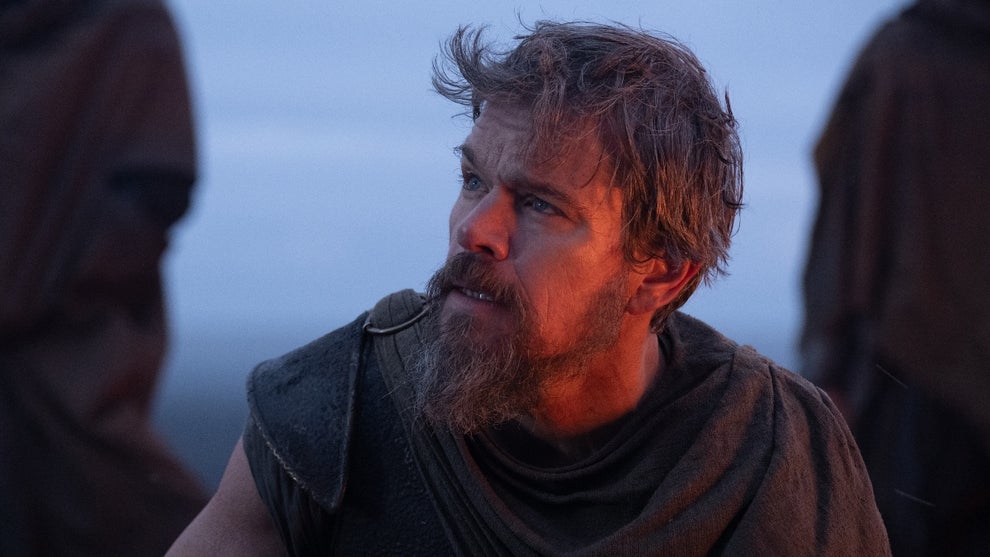
“The Odyssey” is more episodic than most of Christopher Nolan’s other work. As Matt Damon’s Odysseus fights against the odds and the gods to return home to Ithaca, he stumbles into a variety of different trials, making up some of the film’s biggest set pieces.
It’s an embarrassment of riches, with sequence after sequence of visual and cinematic splendor in one of the most epic movies ever made. That makes it pretty difficult to pick favorites — but we’re going to try anyway.

Here are the nine biggest sequences in “The Odyssey,” ranked.
Spoiler alert for a centuries-old story: You might want to take on this odyssey for yourself before reading ahead.
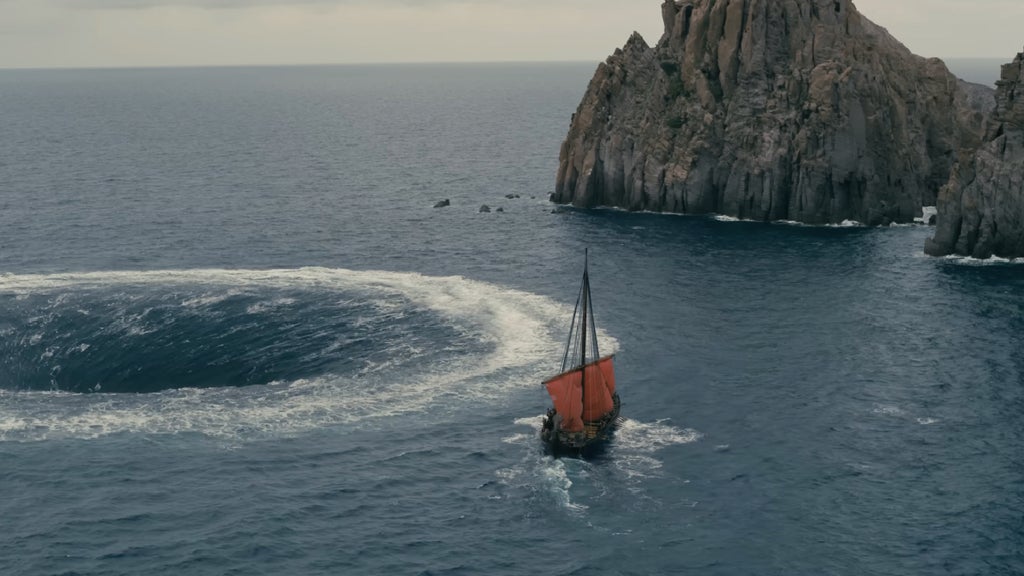
9. Scylla and Charybdis
Before footage for “The Odyssey” started rolling in, some audiences wondered if Nolan would attempt to ground the story more in the real world, shying away from the fantastical elements and creatures. For the most part, that proved not to be the case, with Nolan committing to the monsters and mythology of the source material.
But the rock-and-a-hard-place decision Odysseus faces between Scylla (a six-headed serpentine creature) and Charybdis (a sea monster that creates a whirlpool, threatening to swallow ships) is the only part of the film where it feels like Nolan is holding back. Though some versions of “Odyssey” depict Charybdis merely as a whirlpool, it’s disappointing to see obstacle rendered without its often-signature teeth. Likewise, the visuals of Scylla are difficult to get a total read on, making it the most poorly realized creature in the film.
This sequence is far from bad, but in a film full of jaw-dropping spectacle, it belongs at the bottom of the list.
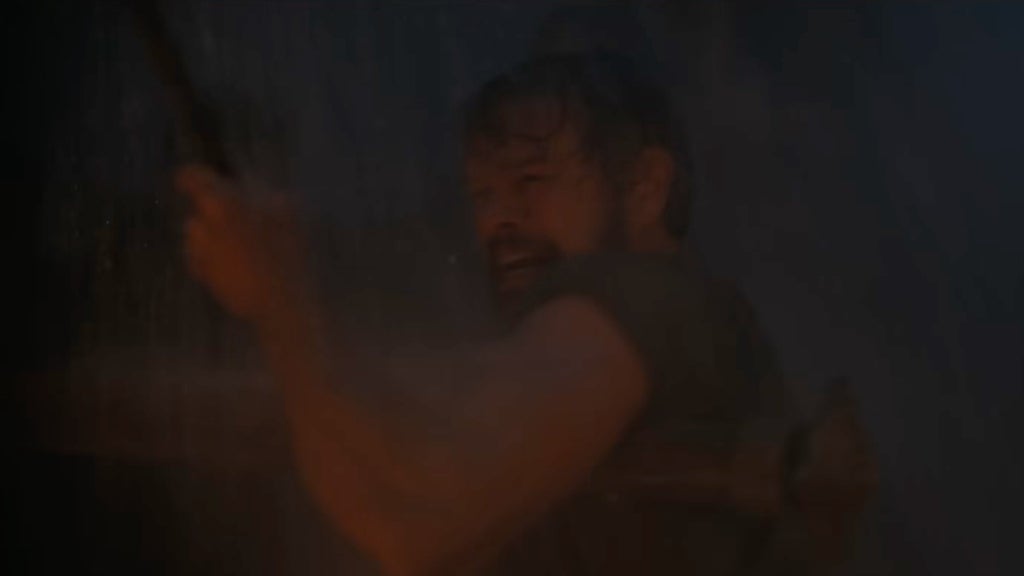
8. Apollo’s Cattle
At the end of “The Odyssey’s” second act, Odysseus and his men land on an island that’s home to the Sacred Cattle of the Sun god Apollo, with Odysseus warning his men that they will all die if they eat a single cow. In a haunting bit of narration, Damon’s Odysseus notes that the men held out for a long time despite being stranded on the island in an apparent test from the gods.
It’s a quietly intense and emotional sequence, as is the death of Odysseus’ crew in the following scene. While all of this is stellar, it suffers on this list only by being less visually notable than some of the film’s biggest highlights.
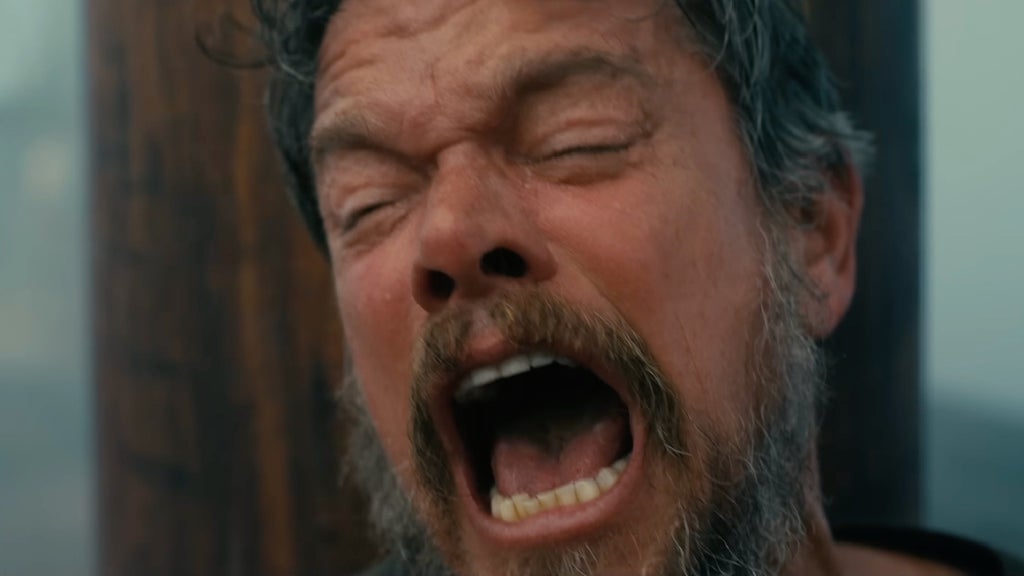
7. The Sirens
Matt Damon gives one of his best performances in “The Odyssey,” and the sequence with the Sirens gives him a good chance to show off — both in his reaction to hearing their deadly, alluring call itself and in his monologue after the fact. It’s a relatively brief and slight sequence in the larger scope of the film, but still a great one overall.

6. The Laestrygonians
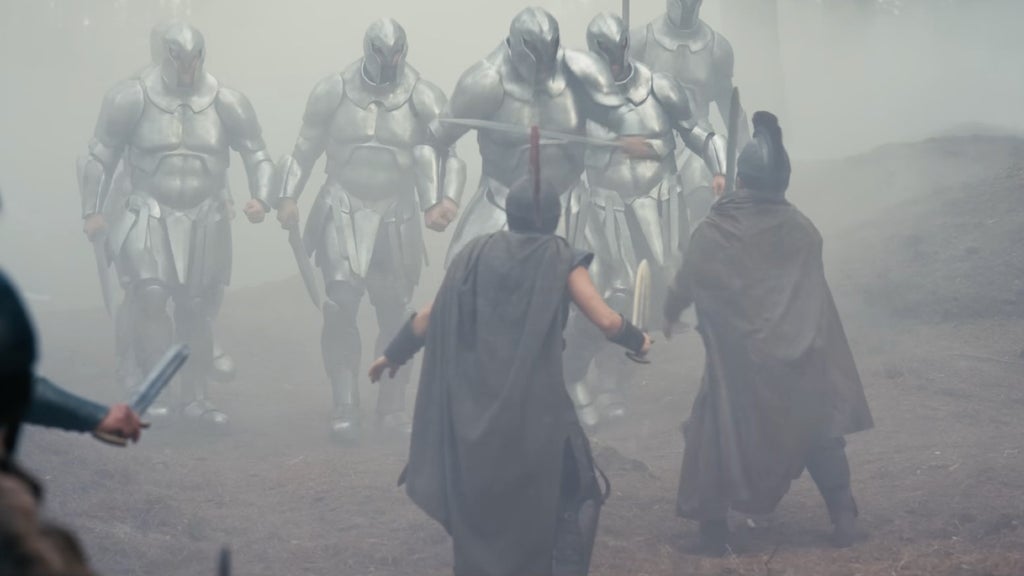
In some respects, the various sequences of “The Odyssey” give Nolan and his crew the chance to show off in different ways. The stretch of the film in which Odysseus and his men meet the large, deadly Laestrygonians offers an opportunity for the filmmakers to employ forced perspective to depict a truly menacing enemy force. The moment in which these warriors emerge from the fog is epic and terrifying. Combine that with the destruction of two of Odysseus’ crew’s three ships, and this sequence will leave your jaw on the floor and a pit in your stomach.
5. Hades
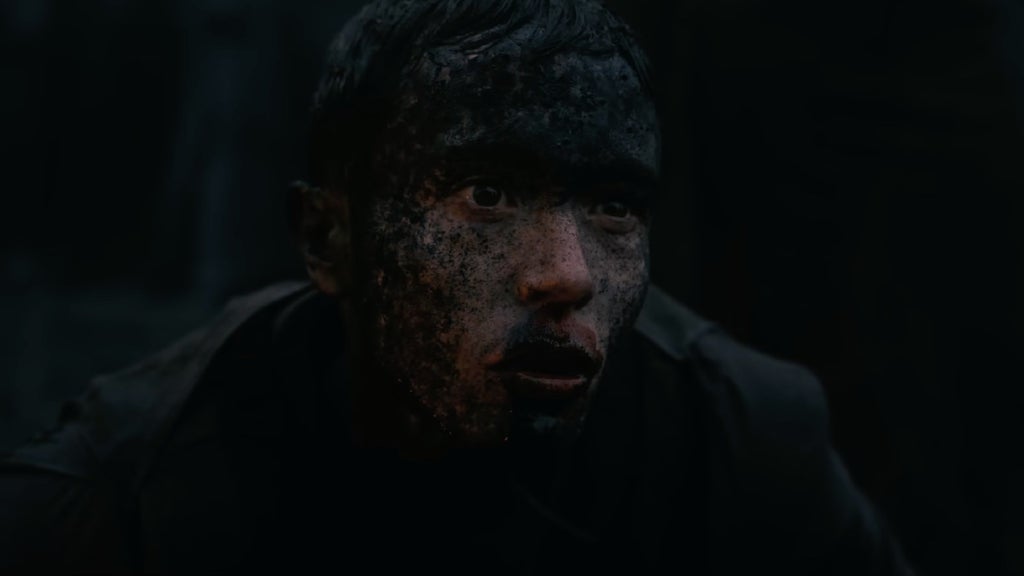
While not the most action-packed sequence in the film, Odysseus’ trip to Hades really allows two people to make a big impression: Elliot Page and Ludwig Göransson. In one of his only scenes in the film, Page leaves a massive impression as Sinon, delivering an engaging and emotionally raw performance. Göransson, meanwhile, assembles one of his best compositions in the film, a mesmerizing piece of scoring that stands among his finest work with Nolan.
4. The Suitors
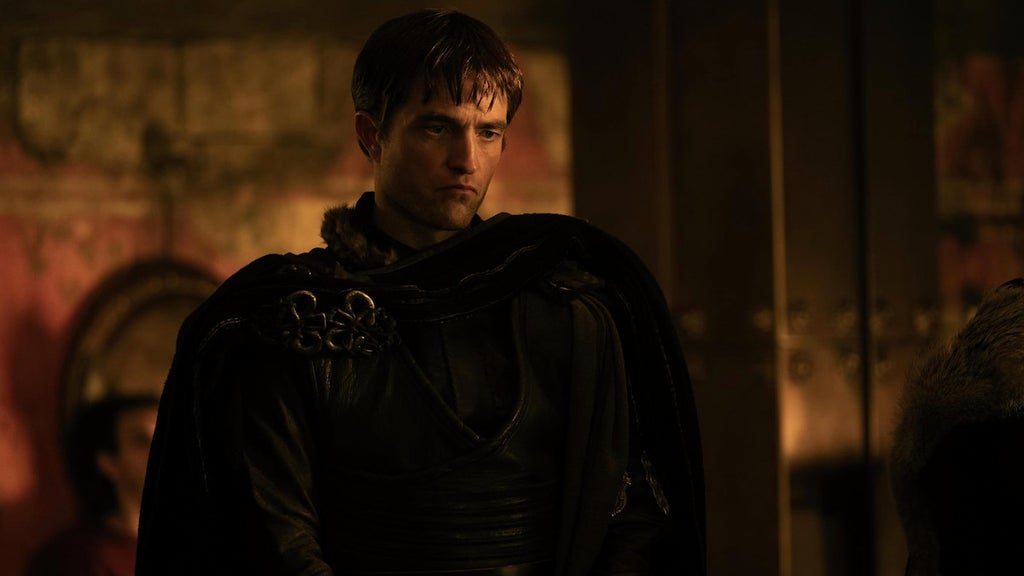
“The Odyssey” is a three-hour pressure cooker. While Odysseus’ journey is filled with tension, emotion and peril, his family faces similar dangers in a much more grounded form back home, with a collection of suitors (led by Robert Pattinson’s Antinous) disrespecting Penelope (Anne Hathaway), Telemachus (Tom Holland) and their home. Naturally, it’s massively satisfying to see Odysseus beat the hell out of them when he finally returns home. Here, Nolan stages one of the most intense action sequences of his career in a constantly escalating bit of hand-to-hand combat, again aided by a wonderful Göransson score.

3. Circe
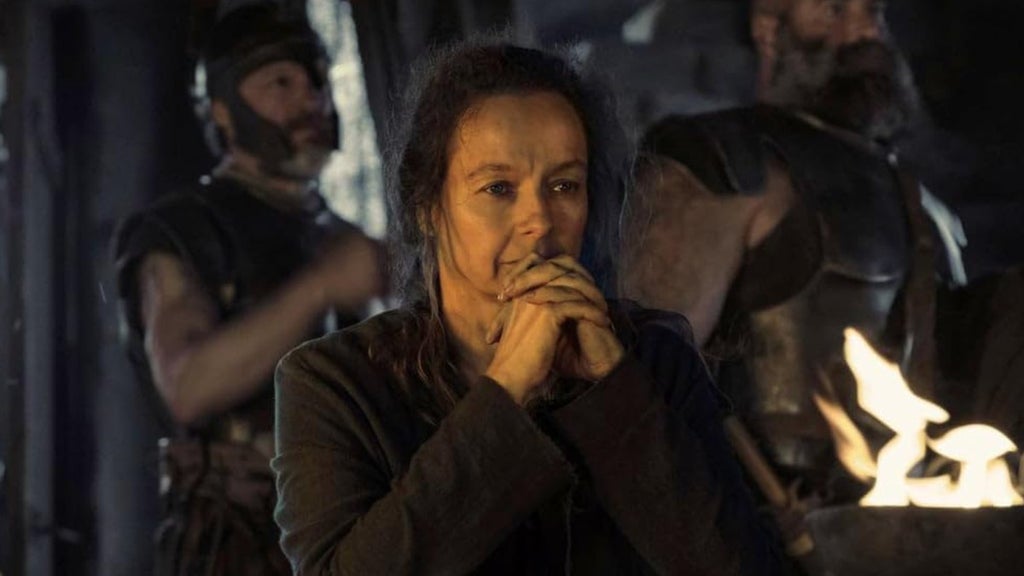
There are a lot of actors who make the most out of brief appearances in “The Odyssey,” but none more impressive than Samantha Morton. Her single-scene turn as Circe is one of the most memorable and utterly terrifying stretches of the film. While Morton delivers a truly captivating performance, the visual effects elevate this sequence into an “American Werewolf in London”-esque body horror nightmare. It’s hard to imagine a better adaptation of this source material.
2. The Cyclops
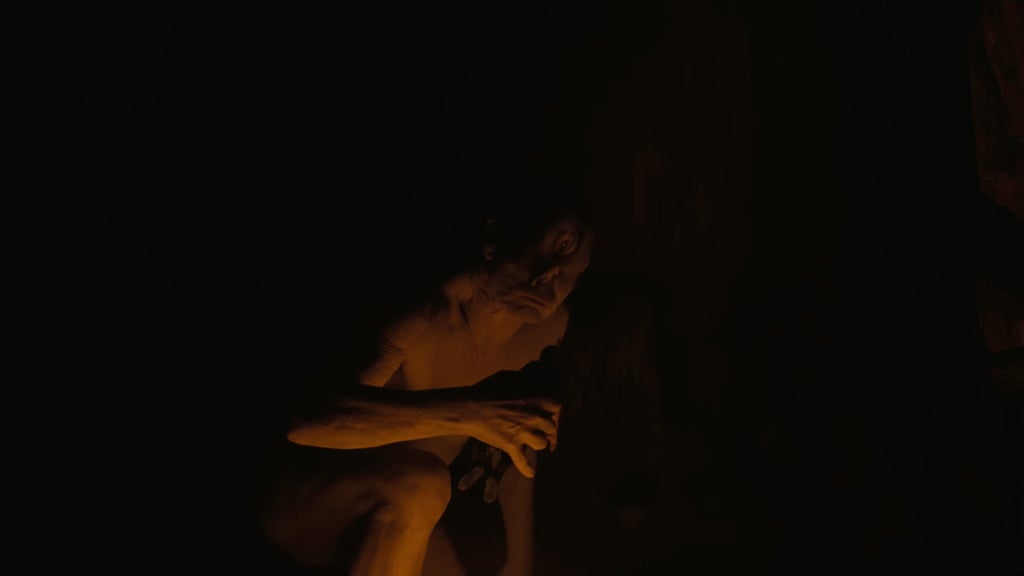
It’s difficult to compare the quality of the Cyclops and Circe sequences, the two stretches of “The Odyssey” where Nolan leans into horror more than ever before in his career. The Cyclops is given the benefit of coming earlier in the film, being one of the first truly jaw-dropping moments audiences will see in “The Odyssey.”
It’s also simply hard to top the nightmarish quality of Nolan’s rendering of Polyphemus. The giant puppet, from character design to in-camera execution, is incredible to watch, and the sound design of the creature is otherworldly. It’s a perfect taste of what’s to come.
1. The Siege of Troy
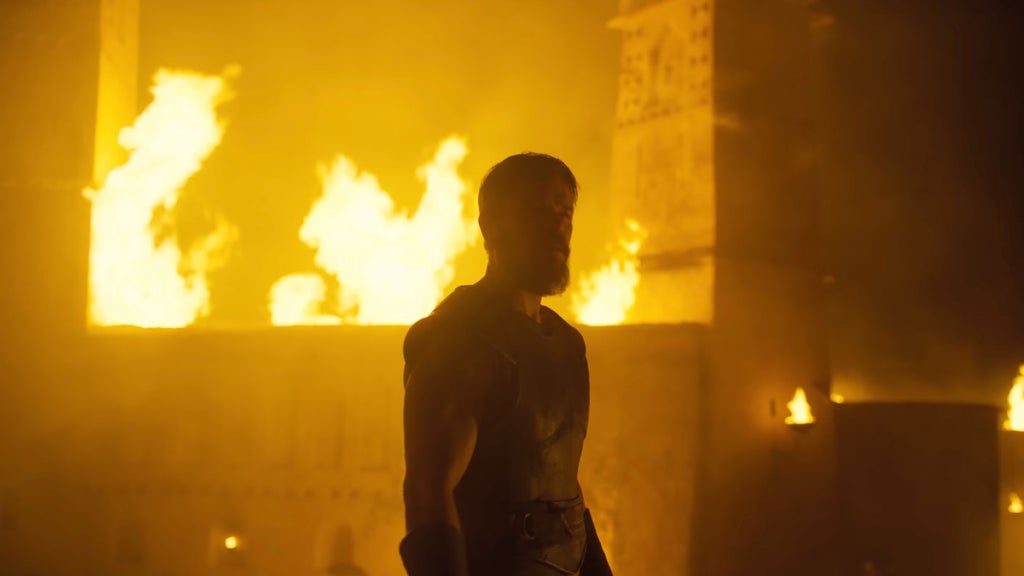
It’s perhaps unfair to count the entire Siege of Troy — from the Trojan Horse scene and the battle itself to the haunting recontextualization from Odysseus later in the film — as a single sequence. But how could anything else in the movie top this?
As much as some complained that the Trojan Horse isn’t actually a part of Homer’s “Odyssey” (should Nolan have called this film “The Odyssey and Some of The Aeneid” instead?), it’s hard to imagine this film reaching anywhere near the same heights without a recounting of this chapter of the Trojan War. The Troy-based sequences deliver not just some of the best action of Nolan’s career, but also some of the most thoughtful and emotional storytelling. This stretch of the film alone is worth every penny.
