
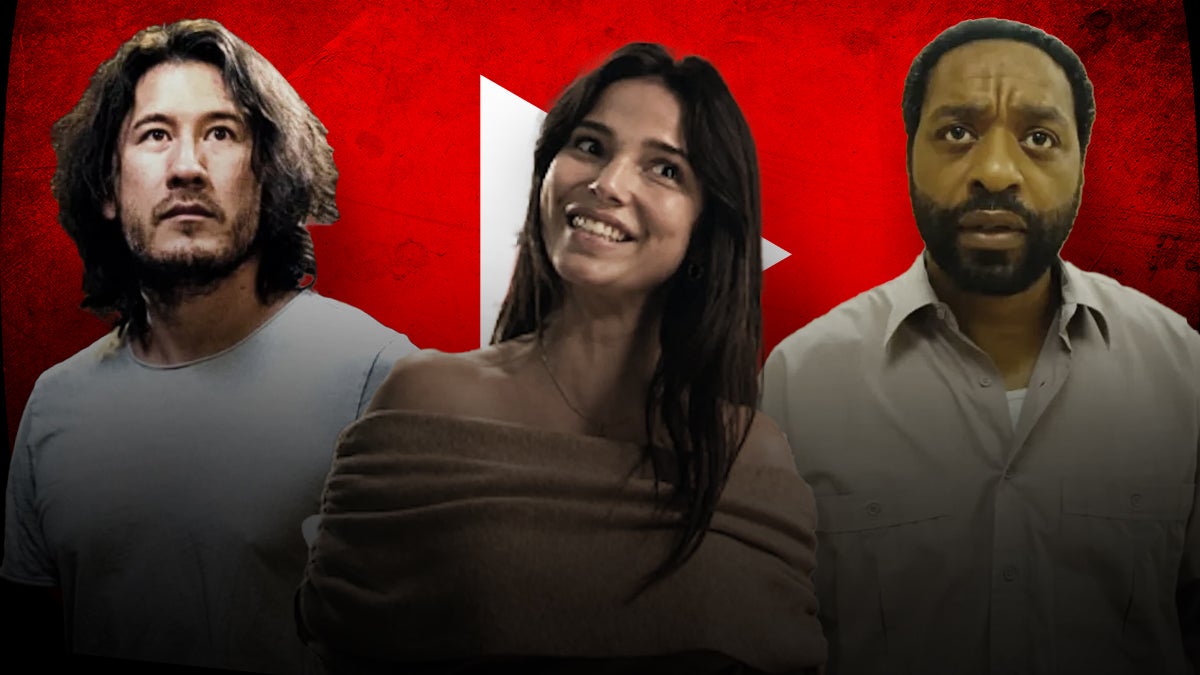
The runaway success of “Obsession” and Kane Parsons’ “Backrooms” has been a shock for many in Hollywood. But for YouTube, which works closely with creators, it’s been the complete opposite reaction.
“These two films are the perfect example of how these creators and directors build incredible fandoms, and fans show up for them at the box office,” Mary Ellen Coe, the chief business officer for YouTube, told TheWrap.
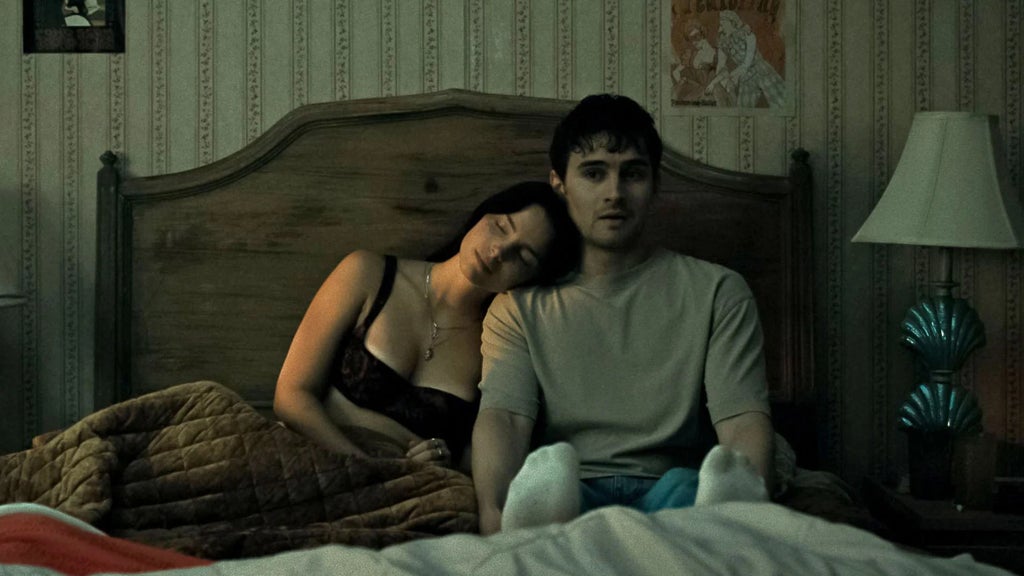
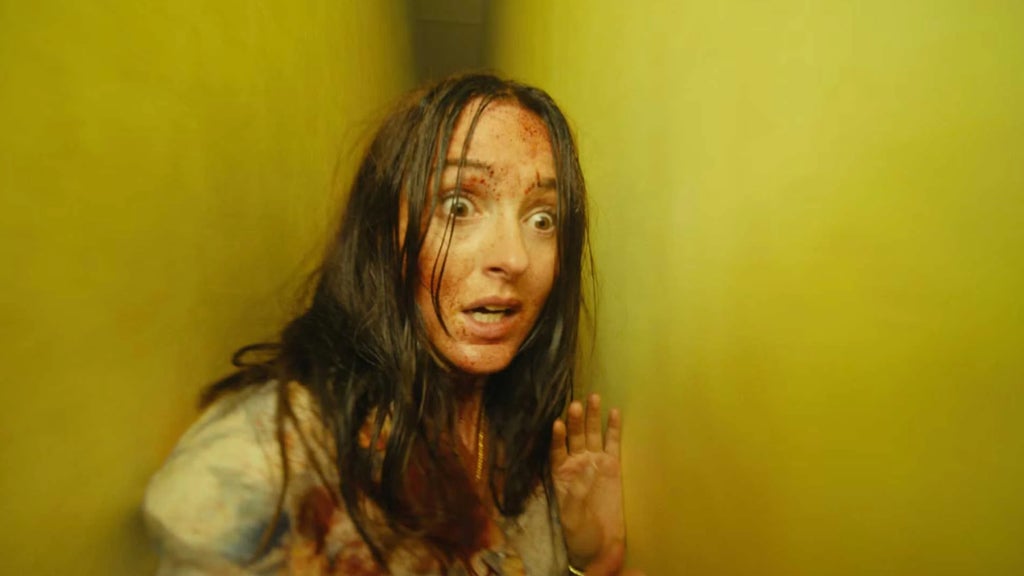
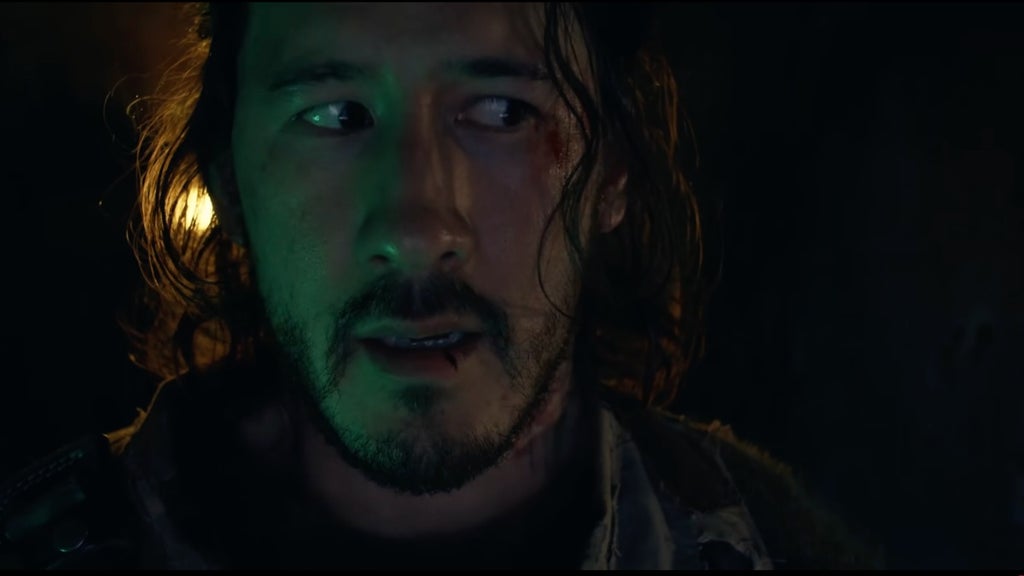
It’s not just that creator-led films are performing well in theaters; they’ve been breaking records and drawing Gen Z to the theaters in droves. Barker’s horror-comedy “Obsession,” which has made $260 million globally at the box office thus far, is now the highest-grossing film ever acquired at a film festival, a record that was previously held by Michael Moore’s “Fahrenheit 9/11.” Parsons’ “Backrooms” is the highest-grossing film in A24’s history, making $262 million. Even Glitch’s “The Amazing Digital Circus” broke a presale record for Fathom Entertainment and brought in $37 million globally. These three creator-led successes come on the heels of Mark Fischbach’s (aka Markiplier) “Iron Lung,” a self-funded and self-distributed horror movie that grossed over $51 million worldwide.
This influx of creator talent has been likened to the rise of auteur filmmakers in the ‘70s and the pipeline of music video and commercial directors invading the box office in the ‘90s. But whereas those filmmakers saw buzzy shorts or a “Got Milk” commercial as stepping stones to major motion picture filmmaking, this new generation of content creators like Barker, Parsons and Markiplier have made clear that they’re not vying to leave the platform that made them famous behind.
While that may sound confusing to some, anyone who’s been paying attention to the creator economy understands this is a completely different ballgame. These creators already had complete creative control over the making and distribution of their art thanks to platforms like YouTube. Social media isn’t just a way for new talent to share their work. The financial incentives of these platforms mean that creators have already made money off their videos, and the communities they’ve built with their followers aren’t taken for granted.
These new and exciting voices don’t necessarily need Hollywood to create or release their work, which makes this a unique moment in the rise of new artists. That creator freedom is baked into how platforms like YouTube have been designed.

There’s a very real chance this is only the beginning. There’s often a pattern in the creator ecosystem: Once one creator breaks out, others follow either because they’re inspired by what their colleague has done or because the larger industry becomes friendlier to creators. Logan Paul’s Prime energy drink and MrBeast’s Feastables paved the way for a wave of creator-made brands. Alix Earle’s brand equity deal with Poppi inspired a new way for creators to partner with established consumer brands rather than building them from scratch. The success of Alex Cooper’s “Call Her Daddy” led to Unwell repositioning itself as a podcasting empire, a model that’s since been adopted by several successful podcasters. Already, the success of these creator-led movies has had an impact in Hollywood.
“Creators understand what their fans love, and that’s why you see the intensity of the relationship translate into the box office,” Coe said. “I think you’re going to see a lot more feature length [projects] coming out because, once creators see this, it takes up everyone’s ambition.”
Last year, Creator Camp, the independent and creator-led production and distribution studio, made its first movie, a romantic comedy from Baron Ryan (2.9 million TikTok followers) titled “Two Sleepy People.” Creator Camp CEO Max Reisinger called all of the bigger studios and was met with silence. Creator Camp decided to implement a guerrilla distribution strategy, asking Ryan’s fans to sign petitions saying they would be interested in paying to see the movie in their area and then asking theaters one by one if they could show the film.
The move paid off. A movie that was made for $100,000 over 100 days with a minimal marketing spend has made back four times its budget and last month sold its European rights to France’s mk2.
The success spurred other creators to ask Creator Camp how they could follow suit with their own creations.
“Over the last few months, a lot of creators came to us like, ‘Hey, you guys made a movie. Can we make a movie with you?’ Or, ‘We have a finished script. Can you guys help us develop it?’ Some of the creators are bigger creators who are also talking to studios but were interested in working with someone more creator-native,” Reisinger told TheWrap. “All the bigger studios came back to us [after ‘Backrooms’ premiered]. We just had a meeting with Blumhouse. They were obviously involved in [‘Backrooms’ and ‘Obsession’] and want to find more creators. So this is the busiest we’ve ever been.”
An incubator for new talent
Parsons has been developing the world and lore of the “Backrooms” universe for four years now on his YouTube channel Kane Pixels, which has over 3.3 million subscribers. Markiplier, known for streaming horror games, is one of the biggest creators around with over 38.7 million subscribers to his channel. Barker and Cooper Tomlinson’s comedy channel that’s a bad idea has over 1.3 million subscribers. And though “The Amazing Digital Circus” has been on Netflix since 2024, it started on Glitch’s channel, which has 21.4 million subscribers.
A huge reason why they started their creative careers on YouTube is because the platform is designed to make content creation as easy as possible. It’s not just that anyone can upload a video on YouTube in minutes. The YouTube team is routinely in communication with its creators to figure out the technological changes that can best help creators.
Some of those changes are headline-grabbing, like YouTube’s implementation of Google’s Gemini to let creators insert AI-created images and videos directly into their channel. But most of YouTube’s creator-focused tools aren’t exactly sexy, like an AI-powered offering that lets creators A/B test titles for videos. For the average viewer, these options may not mean much. But for a creator, they can be the difference between a video getting buried in the depths of the platform or becoming a viral hit.
“We’ve always had this model where we create this platform for creators to do the incredible storytelling they do,” Coe said.

Once upon a time, YouTube operated more like a traditional network with its short-lived YouTube Originals program, which ran from 2017 to 2022 and featured projects that were produced and funded by YouTube. The scripted and unscripted projects released as YouTube Originals were more polished than creator content; “Cobra Kai” (which ultimately blew up when it moved to Netflix) and “Justin Bieber: Seasons” were two of the most successful originals released during this era.
But after shuttering the division, YouTube has taken a step back while independently made creator content has become more expensive and ambitious. Now it’s not YouTube that decides what will get another season. It’s viewers.
“We ultimately do not cancel shows. We don’t curate. We let the audience greenlight the content,” Coe said. “I have a lot of inbound [requests]. It’s been very consistent for all types — producers, filmmakers, studios — across the ecosystem that are really excited to come to the platform and understand what audiences are looking for. That’s really the magic here, and there’s a lot of demand for that.”
YouTube isn’t the only video platform that’s seen this recent influx of interest from Hollywood professionals. TikTok’s FilmTok community — a section of the platform dedicated to creators discussing movies and the movie industry — averaged 6.5 million posts a day last year and has grown by roughly 50% over the past year. The horror community has also seen a boom, which may speak to the success of “Backrooms,” “Obsession” and “Iron Lung.” HorrorTok has seen a 30 times year-over-year increase.
“Studios see [TikTok] as a huge way of connecting and discovering the IP with audiences,” Dennis Papirowski, the global head of entertainment and news at TikTok, told TheWrap. “Tapping into this pool of talent, I’m glad to see these other new cases coming in and confirming that.”
Loyalty to social media
There’s been a pervasive idea in Hollywood that Barker and Parsons, particularly, have graduated past YouTube. Focus Features has already picked up Barker’s third feature, “Anything but Ghosts,” and A24 tapped him to write and direct a reboot of “The Texas Chainsaw Massacre” (Barker’s first feature, “Milk & Serial,” was released on YouTube). As for Parsons, he’s been outspoken about wanting to create more “Backrooms” stories, whether that takes the form of a movie or a series. Though Parsons’ insistence that he will continue to create YouTube content has been met with skepticism by many in the industry, there’s good reason to believe him.
For one, creators build dedicated fan followings on their social media pages. Most creators truly love and value their audiences and don’t want to abandon the community they’ve created. Barker and Tomlinson in particular have made several videos after “Obsession” to promote the movie and thank their fans. But for many of these creators, their social media channels are integral to how they create.
“[Creators] talk to you about co-creation, that they really understand what their audience and their fans are looking for, and that intense fandom then translates into the theater,” Coe said, pointing to options like YouTube’s comments section and chat functionality, which let viewers express their opinions about videos often in real time.
“It’s a form of testing,” Papirowski said. “We’ve seen that in the comedy space, where creators have started to create sketches that became like shows or films. I think this is just going to increase.”
There’s also a monetary incentive for returning to social media. Before their theatrical success, all of these creators made money from the content they posted on social media. That’s why YouTube in particular has been so invested in ensuring it offers a variety of payment structures for creators. That means investing in systems that more easily connect creators to brands within YouTube’s platform or letting creators upload videos in 4K, a format that’s better suited for the living room. Living room viewership typically leads to longer watch times from audiences as well as higher revenue from premium advertisers. Typically, YouTube pays creators the most when it comes to views, followed by TikTok, Facebook and Instagram.

“We are the most generous in terms of revenue share on our AdSense,” Coe said. Over the past four years, YouTube has paid $100 billion to creators, artists and media companies. “We actually think it’s really up to the creator which business model that they want to support.”
Those incentives often lead to creator loyalty. Though Jimmy Donaldson, aka MrBeast, has made a show for Prime Video and has his own chocolate bar line, he’s been outspoken about not leaving YouTube. After surpassing 500 million subscribers on Friday, Donaldson told his followers, “I’ve got at least another 20 to 30 years in the tank of making YouTube videos.” As for Markiplier, once “Iron Lung” left theaters, he put its video-on-demand option on YouTube, where the movie has been “highly sought after” when it comes to YouTube’s search and discovery, Coe said. Creator Camp is also exploring putting “Two Sleepy People” on the platform, following Markiplier’s example, and is having open conversations with streamers.
Because YouTube is so focused on building a creative infrastructure for anyone who’s interested in creating content rather than investing in a hand-selected few, there isn’t much panic around the thought of any single creator potentially leaving the platform.
“One of the things that remains true is YouTube is a canvas for [creators] to bring their most ambitious projects, innovate and to connect with audiences at a scale and scope that really isn’t available to them anywhere else,” Coe said. “Creators are entrepreneurs. They are the studios of today and tomorrow. So we support them however they want to manage their business, and we’re here to help them continue to build audiences and fandom.”
There’s another reason people like Parsons and Donaldson aren’t itching to leave YouTube behind: it’s the platform they grew up watching. Just as Steven Spielberg and Martin Scorsese were inspired to become filmmakers by seeing movies in movie theaters, the 20-year-old Parsons has spoken about YouTube being the primary entertainment platform he grew up watching.
The box office’s creator boom
Everyone TheWrap has spoken to connected to the creator economy is certain that this is just the beginning.
In addition to Barker’s previously mentioned projects, Creator Camp is working on “a few” horror projects that have come from creators that range from feature films to TV shows. At the same time, streamers like Netflix and Tubi have been aggressively investing in creators.
It’s impossible to predict where the next creator-driven mega-hit will come from. After all, the idea that the next great thing can come from anyone at any time is the entire appeal of the creator economy. But for creators looking toward the big screen, the future looks bright.
“We believe that the creator economy and the traditional media entertainment economy is really converging into one industry,” Papirowski said. “It’s not just one or the other. It’s really one industry going forward.”
“There’s more opportunities for, not just us, but all creators everywhere,” Reisinger said.
