
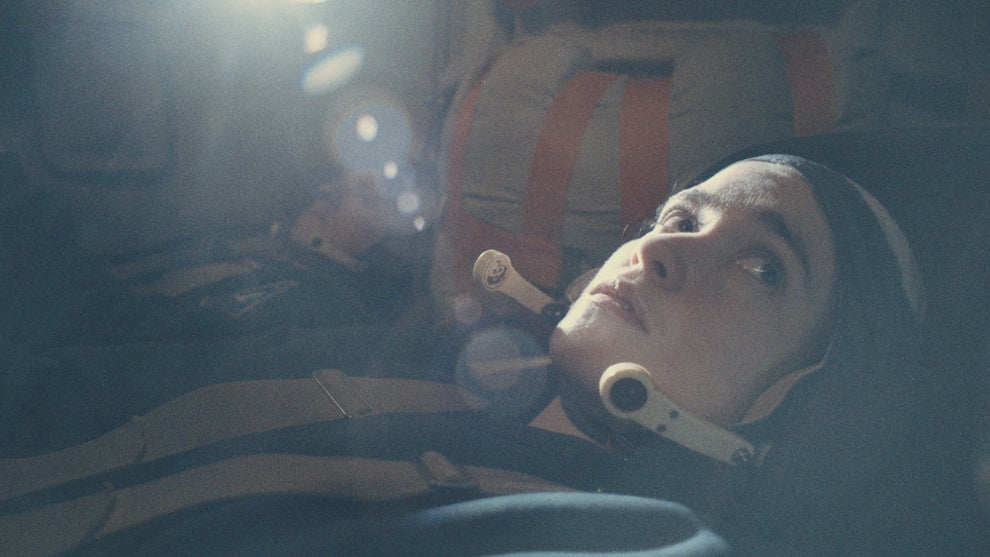
“In some ways, it’s easier being up there, isn’t it?”
This line, delivered around midway through the consistently gripping if slightly emotionally shallow “For All Mankind” spinoff series “Star City,” is as good an entry point to this new yet old story as any.
It’s an observation far more bitter than it is sweet, delivered by one of several troubled characters who fully understand the dangers of space travel (that’s the “up there” bit) just as they do the daily challenges of living in the Soviet Union in the late ’60s and early ’70s. By the time we hear this observation, it’ll feel like the understatement of television history based on everything we witnessed leading up to it.
That’s because, as much as this is a show about space travel, it’s also about the more grim life down on the ground. Where “For All Mankind” had a prevailing degree of optimism for the future, “Star City” increasingly feels downright nihilistic about the way the world can so easily fall into darkness.
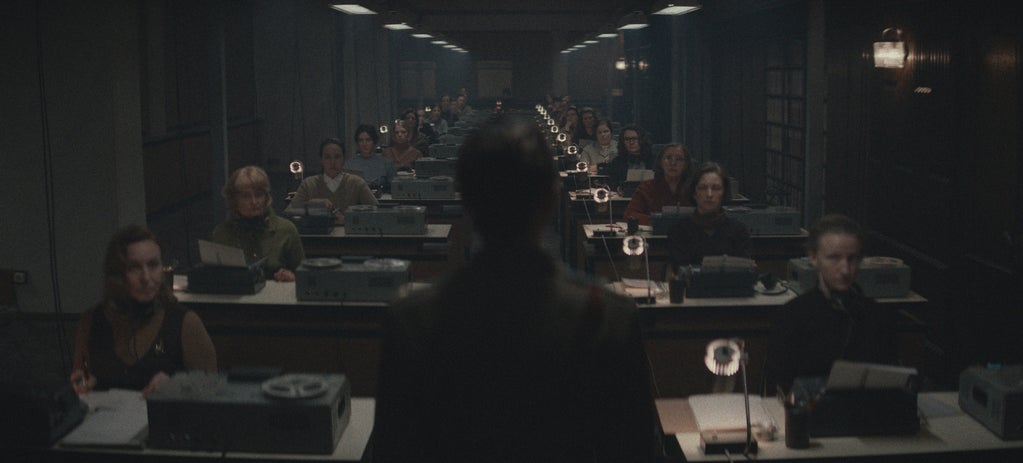
Visually drab intentionally, with any remotely vibrant colors in short supply, it is a far heavier show than its predecessor, finding some brief thrills in the layers of espionage and subterfuge it uncovers. But mostly, it feels defined by a persistent sense of dread.
Even as there remains something more than a little silly in how it creates an alternative history, it all soon becomes more inescapably defined by deceit, a growing sense of despair and the looming specter of death. Think “Chernobyl,” with characters speaking English rather than Russian as it attempts to explore some broader ideas about power and repression during the space race, and you’ve got a pretty good sense of its goals.
This becomes clear right in the opening scene with a revelation that will be familiar to those who watched the main show. Though it initially plays it as a more menacing misdirect surrounding government agents banging on a character’s door, we soon learn that the Soviet Union has beaten the United States to the moon, and this is meant to be a celebration of a successful mission.
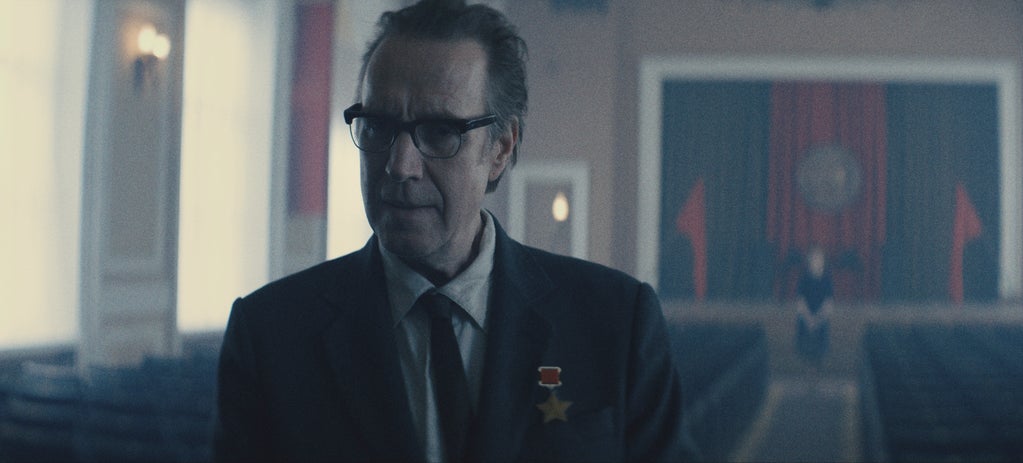
This success is due in large part to the program’s chief designer, an engaging Rhys Ifans, who is soon given a medal that, notably, he is not allowed to celebrate or even really acknowledge receiving in any public fashion. Instead, due to fear (not entirely unfounded) that the Americans are trying to steal his knowledge or sabotage their space program, he must do so with an empty room yawning before him, resulting in a moment of dark humor where we see a lone figure clapping.
But such is life for the chief designer and, soon, the growing ensemble of cosmonauts who will be sent up on future missions. Namely, to start, there is Valya (Adam Nagaitis), Sasha (Solly McLeod) and Yana (Niamh Algar), who are about to undertake a mission that will make Yana the first woman to set foot on the moon.
Unfortunately, both for Yana and those looking to see more of the great Algar after her work in the film “Censor,” this mission is soon upended by the cold KGB handler Lyudmilla Raskova (Anna Maxwell Martin), who will replace her with Anastasia (Alice Englert). However, this too starts to get much more complicated, and it becomes an open question of whether their journeys into space will end with the cosmonauts in jail on the ground. Whether it’s for not toeing the line or because they may be identified as a spy who is believed to have infiltrated their circle, everyone working on this mission is under near-constant scrutiny.

This is all part of how showrunners Ben Nedivi and Matt Wolpert (who also co-created the main series) are interested in exploring darker, less hopeful thematic ground this time around. Often, this works wonders, like with the character of Irina (Agnes O’Casey), a familiar face that is now merely a conflicted KGB recruit who listens to wiretap recordings of Vayla and his wife Tanya (Ruby Ashbourne Serkis).
She soon discovers all is not well at home and an affair is playing out that could cause catastrophe. Feeling more like Francis Ford Coppola’s “The Conversation” than anything else, there are plenty of more disquieting discoveries she makes before her job and life come crashing together. It’s a highlight of the show and where it feels most effectively thorny.
But in the five episodes provided for review, there is much else that lacks a greater emotional punch. Characters often feel defined by a couple of traits, usually to do with their desire to go to space, and the twists that come their way leave less of an impact as a result.
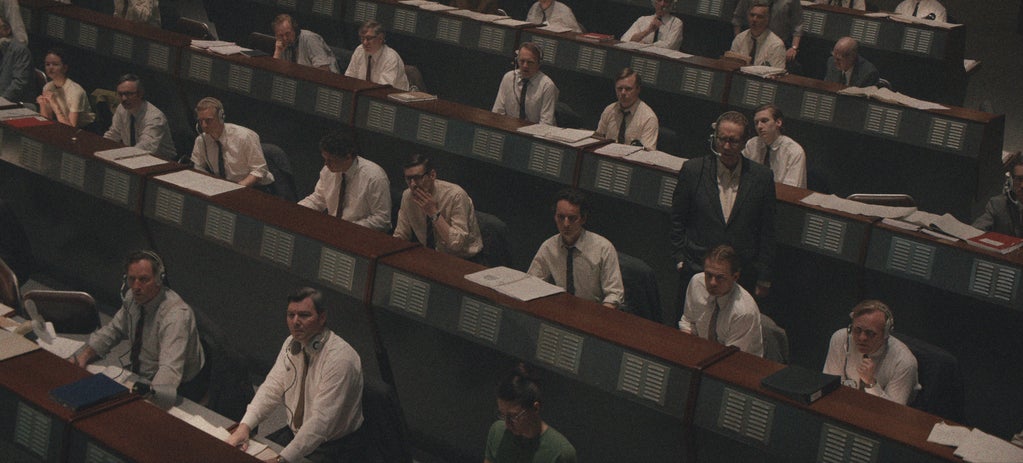
There are still plenty of potentially interesting developments, with everything from arranged marriage to infidelity and double-crossing always ensuring something dramatic is happening. But, in moments like where there is a sudden outburst of grim yet empty violence, you wish that there was a bit more care paid to character.
While there is plenty of wonder that the show has for space travel, something that we see in sequences both perilous and exhilarating when things go terribly awry, this is a show that’s mostly about the tension between the surveillance state and the scientists trying to get back to that “up there.” It’s frequently riveting television on a scene-by-scene basis, but can feel repetitive on a grand narrative level, proving to be a show that still feels like it’s trying to map out a course for itself.
And yet, you’re still hopeful it can launch to greater heights in the episodes ahead. Even when it’s a rather bumpy ride, you’re still strapped in all the same.
“Star City” premieres Friday on Apple TV+.
