
Netflix subscribers have no shortage of great options to watch on the streamer’s platform this month. Some of the service’s best current offerings include a thriller featuring a career-best performance from Jake Gyllenhaal, a social media satire starring Elizabeth Olsen and Aubrey Plaza and an animated blockbuster that ranks high among the superhero genre’s greatest achievements. If none of those films appeal to you, Netflix also has an underrated detective dramedy and one of the 21st century’s best romantic comedies available to stream right now.
Here are the best movies on Netflix in August.
“Nightcrawler” (2014)
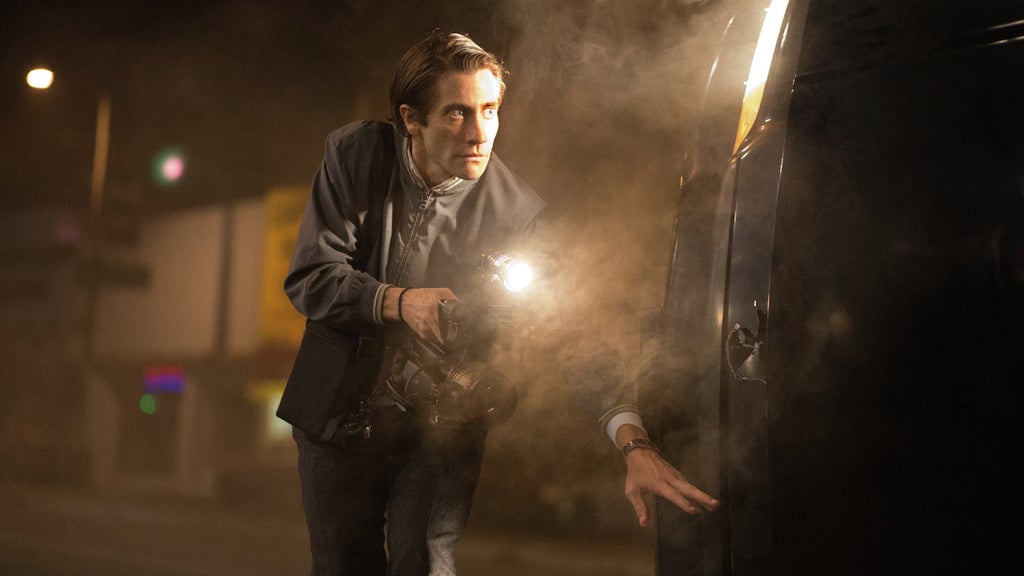
“Nightcrawler” is a scathing, deranged and satirical takedown of the corporatized American dream. Written and directed by Dan Gilroy, this blackly comic neo-noir follows a lone wolf news stringer (Jake Gyllenhaal) who seeks out increasingly violent and morbid crime scenes in order to sell the footage to a high-paying local television station.
Anchored by Gyllenhaal’s transformative, ferocious lead performance and elevated further by Rene Russo’s razor-sharp supporting turn, “Nightcrawler” is an elegantly crafted, nihilistic thriller that grabs you by the throat early on and never lets go. For those excited to check out “Primetime” later this year, “Nightcrawler” also already looks to pair well with that Robert Pattinson-led psychological thriller.

“Ingrid Goes West” (2017)
Speaking of contemporary black comedies that know how to sink their teeth in, 2017’s “Ingrid Goes West” is an underrated social media satire. Director Matt Spicer’s oft-forgotten dramedy follows a social media-obsessed, lonely young woman (Aubrey Plaza) who moves to Los Angeles and quickly starts to ingratiate herself to a lifestyle influencer (Elizabeth Olsen) she is obsessed with.
Featuring a pair of complementary, equally discomforting lead performances by Plaza and Olsen, “Ingrid Goes West” explores the alienating, self-hating effects of social media and the soulless, often vapid appeal of influencer culture.


“The Kid Detective” (2020)
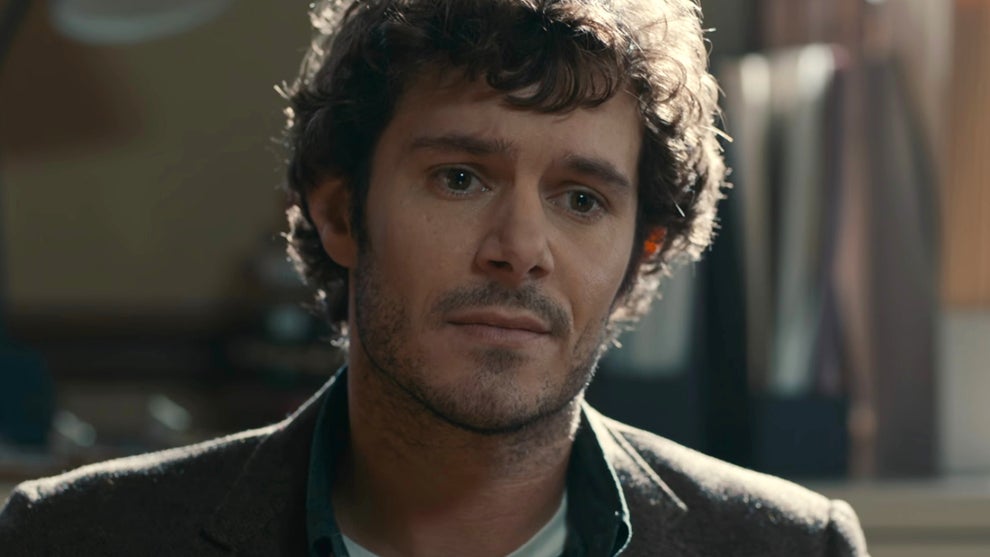
“The Kid Detective” is one of the best and most underrated movies of the early 2020s. Released during the height of the COVID, writer-director Evan Morgan’s candy-colored neo-noir follows a burnout, once-celebrated kid detective (Adam Brody) as he is hired as an adult by a young woman (Sophie Nélisse) to solve the brutal murder of her high school boyfriend.
In classic detective fiction fashion, Brody’s Abe Applebaum quickly finds himself caught up in an unwieldy and disturbing conspiracy, one that threatens to expose the rotten heart at the center of his small, seemingly quaint American hometown. It has a third act guaranteed to level you and a career-best, against-type performance from its former teen heartthrob star.

“Spider-Man: Into the Spider-Verse” (2018)
2018’s “Spider-Man: Into the Spider-Verse” is not just one of the few comic book movies to win a major Academy Award (Best Animated Feature Film in 2019), but it is also a film so colorful, inventive and invigorating that it makes almost all other superhero movies look bland in comparison.
Directed by Bob Persichetti, Peter Ramsey and Rodney Rothman, this multiversal comic book adventure follows Miles Morales (Shameik Moore) as he becomes his universe’s new Spider-Man and teams up with spider-powered beings from other universes to take down a vengeful, power-crazed Wilson Fisk (Liev Schreiber). Rousing and effortlessly entertaining, “Spider-Man: Into the Spider-Verse” is a thrilling reinvention of big-screen superhero storytelling.
“Something’s Gotta Give” (2003)
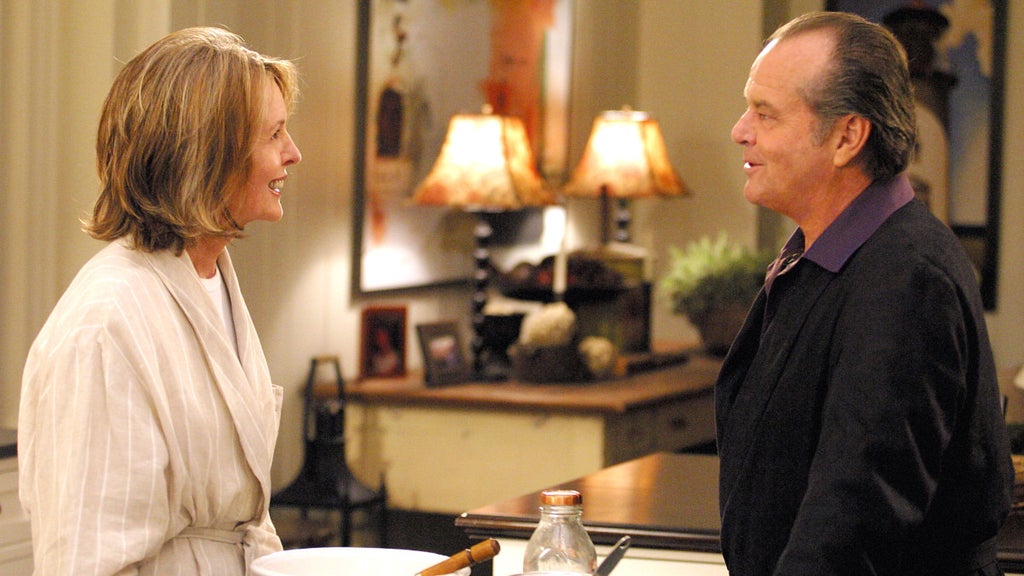
The title for writer-director Nancy Meyers’ best film may still be up for debate, but few films have as strong of a case for it as “Something’s Gotta Give.” Meyers’ cheeky, deeply felt romantic comedy pairs up Diane Keaton and Jack Nicholson as a successful, single playwright and a womanizing record company owner, respectively. The film follows the two as they are forced unexpectedly together and find themselves, much to their mutual surprise, falling for each other. Meyers’ film is elegant and clever.
Even more importantly, it does what so many of Hollywood’s greatest-ever rom-coms have, which is that it pairs together two of the industry’s most charismatic performers and knows better than to get in the way of either of them. It is an infectiously charming and swoon-worthy gem, and one of the 21st century’s very best rom-coms.

“Marie Antoinette” (2006)
“Marie Antoinette” may have divided critics in 2006, but it has rightly been reclaimed over the past 20 years as one of writer-director Sofia Coppola’s greatest achievements. Based on a 2001 biography by Antonia Fraser, Coppola’s revisionist exploration of Marie Antoinette’s (Kirsten Dunst) life in the years leading up to the French Revolution dramatically and refreshingly recontextualizes one of history’s most frequent punching bags from a contemporary, feminist lens.
The resulting film is punk rock, tragic and deeply affecting, and it features the best performance of Dunst’s career to date. 20 years later, it remains a shame that Coppola has never been given the same blank-check freedom to make more dramas as big, expansive and complete as “Marie Antoinette.” But if it ends up being the only film like it that she ever makes, then “Marie Antoinette” is, thankfully, about as impressive an artistic statement as it gets.

“Beginners” (2011)
Writer-director Mike Mills’ 2011 romantic dramedy “Beginners” is a wonder of understated grace and quiet, stirring empathy. Partly autobiographical, the film follows a 38-year-old graphic designer (Ewan McGregor) as he forges a new, tentative romantic relationship with a similarly lonely woman (Mélanie Laurent), all while grappling with the death of his father (Christopher Plummer), who came out as gay at the age of 75.
Told in non-linear, episodic fashion and featuring an Oscar-winning supporting performance by Plummer, “Beginners” is a moving and reflective meditation on grief, generational trauma and love. Rarely has the process of starting over been brought to life onscreen as realistically or as tenderly as it is in “Beginners.”
